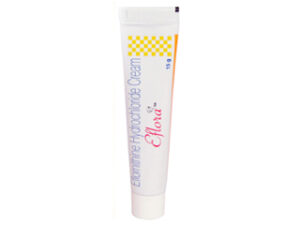
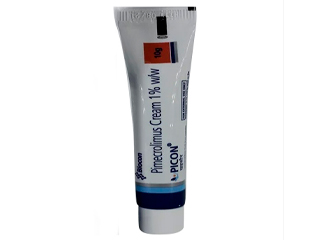
Pimecrolimus (Pimecrolimus Cream) – Patient-Friendly Guide (UK)
Pimecrolimus is a medicine used to help treat symptoms of inflammatory skin conditions, most commonly atopic eczema (atopic dermatitis). This page explains how pimecrolimus works, how it is used, what to expect, and key safety information for people in the United Kingdom.
Always follow the directions provided with your product. If you have questions about your skin condition or how to use your medicine, speak to a pharmacist or other healthcare professional.
Quick overview
- Active ingredient: Pimecrolimus
- Medicinal form: Cream
- Common use: Management of mild to moderate atopic eczema
- Where it works: On the skin surface (local effect)
- Typical benefit: Reduces inflammation and helps control itch and redness
- Onset: Some improvement may be seen within days; full effect may take longer
Basic product information
Pimecrolimus belongs to the group of medicines known as topical calcineurin inhibitors. It is applied directly to affected skin and helps calm the immune-driven inflammation that contributes to eczema flare-ups.
In the UK, pimecrolimus products are marketed for the treatment of atopic dermatitis/eczema in certain age groups and for appropriate degrees of severity, depending on the specific product and strength. Your pharmacist can confirm the suitability of the specific product you have.
| Feature | What it means for you |
|---|---|
| How it’s used | Applied as a thin layer to the affected areas of skin |
| Typical aim | Reduce inflammation and symptoms, and prevent or limit flare-ups when used as advised |
| Skin area | Often used on face, neck, and other areas that may be irritated by some treatments |
| Where not to apply | Avoid eyes, inside nose, and open/oozing infected lesions unless directed |
How pimecrolimus works (mechanism of action)
Eczema is driven partly by an immune system reaction in the skin. Pimecrolimus reduces this local immune activity. It belongs to the calcineurin inhibitors and works by:
- Blocking calcineurin inside immune cells in the skin
- Decreasing release of inflammatory signals (cytokines)
- Reducing inflammation and helping relieve itching, redness, and irritation
Compared with some older anti-inflammatory treatments, pimecrolimus is designed to provide local control while avoiding the same steroid-related effects. However, it still needs careful use and appropriate follow-up.
Pharmacokinetics: absorption, metabolism, and how the body handles it
Pharmacokinetics describes how the body absorbs, processes, and clears a medicine. With pimecrolimus, the main effect is expected in the skin, with relatively low levels absorbed into the body.
- Absorption: Absorption through skin is generally low, particularly when used on limited areas and as directed.
- Systemic exposure: Blood levels are typically very low in most patients.
- Metabolism: If absorbed, it is processed by the body (primarily via liver enzyme pathways) similar to other compounds of its class.
- Elimination: The medicine and/or its metabolites are eliminated mainly through normal body clearance routes.
If you have widespread eczema, broken skin, or use larger amounts than advised, absorption may be higher. This is one reason to use the recommended amount and pattern of application.
What pimecrolimus is used for (indications)
In the UK, pimecrolimus is used for the treatment of:
- Atopic eczema (atopic dermatitis), particularly where anti-inflammatory treatment is needed to control symptoms
- Short-term flare management and/or maintenance approaches (depending on the product guidance you are given)
Suitability depends on your age, the severity and location of your eczema, and whether there are signs of infection. Your pharmacist can help you understand the exact use instructions for the product you choose.
When to use it and timing
Many people use pimecrolimus twice daily during active flare-ups, but the exact schedule should match your product instructions. The goal is to apply it early when symptoms start, then continue for the prescribed period.
Practical timing tips:
- Apply at consistent times each day (e.g., morning and evening).
- Use after washing and after gently patting the skin dry, unless your clinician advises otherwise.
- If you also use moisturisers, apply the emollient first, allow a short time to absorb, then apply pimecrolimus. This helps reduce the chance of washing the medicine away.
- Wash hands after application (unless you are treating your hands).
If you have not seen any improvement within the timeframe in your product information, seek advice. Sometimes eczema needs reassessment or a different treatment plan.
Dose and how to apply (typical dosing)
Only apply a thin layer to the affected skin. The amount should be enough to cover the lesions lightly, not to leave a thick greasy coating.
Typical approach for adults and children:
- Apply twice daily in a thin layer to affected eczema areas, unless your product guidance states otherwise.
- Use for the period recommended. If symptoms persist or worsen, medical advice may be needed.
- Do not cover treated skin with airtight bandages or dressings unless advised by a clinician.
Do not use on: eyes, inside eyelids, mucous membranes (e.g., inside the mouth or nose), or open infected areas unless specifically instructed.
If you miss a dose, apply it as soon as you remember, then continue at the usual times. Do not apply extra cream to make up for a missed dose.
Food interactions
Because pimecrolimus is applied to the skin and systemic absorption is generally low, food interactions are not expected. There are no well-established dietary restrictions specifically for pimecrolimus.
Still, if you have concerns (for example, if you’re taking multiple medicines or have a complex medical history), ask a healthcare professional for individual advice.
Alcohol and medicine interactions
Alcohol: There are no direct, widely recognised interactions between pimecrolimus and alcohol. However, eczema can be affected by individual triggers, and some people notice their skin symptoms flare with alcohol. If you notice a pattern, reducing or avoiding alcohol may help.
Medicines interactions: As pimecrolimus is mainly local, clinically significant interactions are less likely. However, if you are taking other immunosuppressive medicines or using multiple topical anti-inflammatories, discuss it with a pharmacist.
- Other topical products: Generally, moisturisers are used alongside pimecrolimus as described above. Avoid applying multiple strong products to the same spot unless advised.
- Systemic immunosuppressants: If you take tablets or injections that affect the immune system, get advice before using pimecrolimus.
- Phototherapy (light treatment): If your eczema is treated with ultraviolet light, ask for tailored guidance.
Safety profile: common and serious side effects
Most people tolerate pimecrolimus well when used correctly. Like all medicines, it can cause side effects. The likelihood and type of side effects may vary with the area treated, frequency of application, and skin condition.
Common side effects
- Skin burning, stinging, or warmth at the application site (often mild and temporary)
- Itching or irritation
- Redness or mild swelling at the treated area
- Dry skin or peeling
Less common but important reactions
- Folliculitis (inflammation of hair follicles) in some cases
- Skin infection signs such as increasing pain, oozing, crusting, or spreading redness
- Allergic-type reactions such as rash beyond the treated area (seek advice promptly)
Seek urgent medical advice if
- There are signs of significant infection (rapidly worsening redness, fever, severe pain, pus/oozing)
- You develop widespread rash, breathing difficulties, or swelling of the face/lips
If you experience persistent or severe irritation, stop using the product and consult a pharmacist or clinician for review.
Practical use tips for better results
- Start early during flares: Applying at the first sign of eczema inflammation can improve control.
- Use moisturisers regularly: Emollients help restore the skin barrier and may reduce the frequency and severity of flare-ups.
- Use the correct amount: Thin coverage is usually more effective than heavy layers.
- Avoid irritants: Choose fragrance-free soaps and detergents; pat skin dry gently after bathing.
- Be careful in sun-exposed areas: Protect treated skin from excessive sunlight. Ask for tailored advice if you use sunbeds or get regular UV exposure.
- Don’t bandage tightly: Unless instructed, avoid occlusive dressings, as these may increase absorption.
- Keep nails short: For children and teens, keeping nails trimmed can reduce skin damage from scratching.
If you are using other eczema treatments (for example, corticosteroid creams), your clinician may provide a step-by-step plan for which treatment to use when and where.
Alternative options for eczema management (UK)
Eczema care often uses a combination approach: moisturising, trigger reduction, and medicines for flares. Alternatives to pimecrolimus include:
Topical alternatives
-
Topical corticosteroids (anti-inflammatory steroid creams/ointments)
- Often used for short periods during flares
- Proper strength and duration matter to reduce risk of side effects
-
Other topical calcineurin inhibitors
- For example, tacrolimus (available in certain strengths and forms)
- Some people may respond better to one option than another
-
Topical barrier and supportive products
- Emollients (moisturisers), barrier creams, and soothing treatments
Non-topical or specialist options
- Phototherapy (light treatment) for suitable cases
- Systemic treatments for severe eczema under specialist supervision
- Management of infection when eczema is complicated by bacterial or viral infection
The best alternative depends on your age, severity, and location of eczema, as well as previous response to treatments. Your pharmacist or GP can advise on a stepwise plan.
Market & legal context in the United Kingdom (overview)
Medicines available in the UK are regulated to ensure quality, safety, and effectiveness. Topical medicines for eczema are widely used, and product availability can vary by brand and pack size.
Availability may also depend on:
- Age indications stated in the product information
- Strength and formulation (cream/ointment; concentration)
- Local prescribing and treatment pathways used by the NHS or private services
For up-to-date guidance and eligibility, it is best to check the specific pack you plan to buy and speak with a pharmacist if unsure.
Recent guidance and eczema care approach (UK-focused)
While individual updates may vary year to year, UK eczema care generally emphasises:
- Skin barrier repair with regular emollients
- Early treatment of flares with anti-inflammatory options
- Choosing treatments based on location and age (for example, facial eczema may benefit from non-steroid options such as calcineurin inhibitors)
- Reviewing if symptoms persist or if infection is suspected
Your local healthcare team may follow guidance similar to national recommendations produced by UK professional bodies. If your symptoms change, it’s important to seek clinical advice rather than continuing indefinitely without review.
Delivery and availability (online pharmacy)
In the UK, topical medicines for eczema are commonly available through online pharmacies and dispensaries. Availability may depend on:
- Stock levels and pack size
- The specific manufacturer and strength
- Whether you require delivery to a specific postcode region
Most online pharmacies offer home delivery options. Delivery times can vary depending on the courier and whether the item is kept in local stock. If you need the medicine urgently for an active flare, check dispatch and delivery estimates at checkout.
Keep the cream in its original packaging and store it according to the label instructions. Avoid leaving it in hot or direct sunlight.
Safety checklist before you use pimecrolimus
- Are you treating atopic eczema (not another rash cause)?
- Do you know the recommended age group for the product you have?
- Is the skin broken, oozing, or clearly infected? If yes, get advice.
- Will you apply only to affected areas and thinly cover them?
- Will you use emollients safely alongside it (emollient first, then pimecrolimus)?
- Do you have questions about possible interactions with other medicines?
FAQ about pimecrolimus
1) How long does pimecrolimus take to work?
Some improvement may be noticed within a few days, but eczema varies. Full benefit can take longer depending on severity, adherence, skin care routine, and trigger control. If you see no improvement within the period stated in your product information, speak to a pharmacist or GP.
2) Can I use pimecrolimus on my face?
Pimecrolimus is often chosen for delicate areas such as the face and neck. Apply only to affected eczema areas and avoid getting it into the eyes or on eyelids. If irritation occurs, seek advice.
3) Should I stop when my eczema looks better?
Often, treatment is continued for as long as advised to prevent relapse. When symptoms are controlled, your clinician may advise on whether to stop or use a maintenance approach. Follow the schedule on your product instructions or given by your healthcare professional.
4) Can I use moisturiser with pimecrolimus?
Yes, moisturisers (emollients) are usually encouraged as part of eczema care. Apply the emollient first, then leave a short gap before applying pimecrolimus so it can contact the skin.
5) Is pimecrolimus a steroid?
No. Pimecrolimus is a topical calcineurin inhibitor, not a corticosteroid. It reduces inflammation through a different pathway. Still, it should be used as directed for your eczema.
6) Can I go swimming or shower after applying it?
Showering is usually fine as part of your routine, but it’s best to apply pimecrolimus after you’ve washed and patted the skin dry. Avoid washing off the cream immediately after application.
7) What if it stings when I apply it?
Mild burning or stinging can occur, especially during early treatment. This often settles. If it is severe, persistent, or accompanied by swelling or widespread rash, stop and seek advice.
8) What should I do if my eczema gets infected?
Signs may include increasing redness, warmth, pain, pus/oozing, honey-coloured crusts, or fever. Infected eczema needs prompt medical advice, as antibacterial or antiviral treatment may be required. Do not continue applying the cream to infected areas without guidance.
9) Are there any lifestyle triggers I should consider?
Common triggers include dry air, harsh soaps, skin over-scratching, sweating, stress, and some fabrics like rough wool. Consider keeping moisturising routines consistent and using fragrance-free products.
10) Can children use pimecrolimus?
It may be suitable for children in certain age ranges depending on the product’s label information. Always use the age and dosing guidance provided with the specific cream you have, and consult a pharmacist if you are unsure.
Conclusion
Pimecrolimus is a topical anti-inflammatory option for people living with eczema, particularly helpful when flare-ups occur and when you need treatment on sensitive areas such as the face. When used correctly—thin layer, regular application as advised, alongside daily moisturising, and with attention to triggers—it can support long-term symptom control.
If you are unsure whether pimecrolimus is right for you, if your symptoms are worsening, or if you think the skin may be infected, ask a pharmacist or healthcare professional for tailored advice.