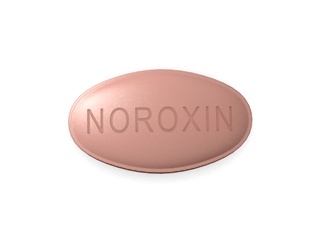
Noroxin (Norfloxacin) – Patient-Friendly Guide (UK)
Noroxin contains norfloxacin, an antibiotic belonging to the fluoroquinolone group. This medicine is used for certain bacterial infections, particularly some urinary tract infections (UTIs). The information below explains how Noroxin works, how it is taken, food and medicine interactions, safety points, and practical guidance to help you use it effectively and responsibly.
This page is intended to be patient-friendly and UK-focused. Always follow the directions provided by your healthcare professional and read the patient information leaflet supplied with your medicine.
Quick product overview
| Feature | What it means for you |
|---|---|
| Medicine | Noroxin |
| Active ingredient | Norfloxacin (a fluoroquinolone antibiotic) |
| Common use | Selected bacterial infections, especially some UTIs |
| How it works | Stops bacteria from making essential DNA (bactericidal) |
| How it’s taken | Swallowed tablets, typically twice daily for certain infections (exact dosing varies) |
| Key interactions | Antacids, iron, zinc, sucralfate, dairy/calcium may reduce absorption; some medicines affect heart rhythm |
| Safety focus | Tendons, nerves, mood/central nervous system effects, and other rare but serious reactions |
| UK availability | Subject to local prescribing and supply arrangements; confirm availability with the pharmacy |
How Noroxin works (mechanism of action)
Norfloxacin is a fluoroquinolone antibiotic. It works by blocking bacterial enzymes called DNA gyrase and topoisomerase IV. These enzymes are required for bacteria to copy and repair their DNA. When they are inhibited, bacteria cannot multiply and are gradually eliminated.
Noroxin is intended for infections caused by susceptible bacteria. Using antibiotics for viruses (such as colds or flu) will not help and can increase the risk of antibiotic resistance.
Pharmacokinetics (how the body handles Noroxin)
Understanding pharmacokinetics can help explain timing and interactions. While exact values can vary by individual, the general behaviour of norfloxacin includes:
- Absorption: Norfloxacin is absorbed from the gut, but absorption can be reduced by certain minerals (for example, iron, zinc) and some antacid medicines.
- Distribution: It concentrates in body fluids and tissues depending on the infection site. In UTIs, norfloxacin’s urinary levels are particularly important.
- Metabolism and elimination: The body clears norfloxacin mainly through the kidneys and urine. Therefore, kidney function and hydration can influence how you tolerate and clear the medicine.
- Half-life: The time taken for drug levels to reduce by about half supports dosing schedules (often twice daily for some indications).
Typical uses and indications in practice (UK)
Noroxin is used to treat bacterial infections that are sensitive to norfloxacin. In the UK, its use may be more limited than some other antibiotics, and selection depends on local guidance, resistance patterns, and the type and severity of infection.
Common clinical situations where fluoroquinolones may be considered include:
- Uncomplicated and complicated urinary tract infections (UTIs) caused by susceptible organisms.
- Prostatitis due to susceptible bacteria (a clinician may consider specific regimens).
- Other site-specific infections only when appropriate based on culture results and susceptibility testing.
Your clinician may ask for a urine sample or other tests. Antibiotics work best when the target bacteria are susceptible, so tests can help ensure the right choice.
When to take Noroxin (timing and missed doses)
Follow the exact schedule provided by your healthcare professional or the instructions on your dispensing label. Many regimens for susceptible UTIs involve twice-daily dosing, but the dose and duration can vary.
General timing tips
- Try to take it at consistent times each day (for example, morning and evening).
- Allow spacing from interactions: keep a gap between Noroxin and minerals/antacids/dairy products, where relevant (see “Food and drink interactions” below).
- Finish the course even if you feel better—stopping early can allow infection to return.
If you miss a dose
- Take it as soon as you remember unless it is close to the time of the next dose.
- If it is close to the next dose, skip the missed dose.
- Do not double up to make up for the missed tablet.
- If you are unsure, speak to a pharmacist.
Dosing (what is usually prescribed)
Doses depend on the infection type, severity, kidney function, and local prescribing practice. The information below gives general context only.
Typical dosing patterns (general information):
- Uncomplicated UTIs: may be treated with twice-daily dosing for a short course, depending on guidance and susceptibility.
- Complicated UTIs or other susceptible infections: may require longer courses and/or different dosing frequency.
- Kidney impairment: your prescriber may adjust the regimen.
Always use the strength and schedule on your label. Do not use Noroxin left over from a previous illness.
Food and drink interactions
Food does not always stop Noroxin working, but certain foods and drinks can reduce absorption or increase stomach discomfort for some people.
Dairy, calcium, and minerals
Norfloxacin can bind to certain minerals, which may reduce absorption. In practical terms, consider separating Noroxin from:
- Milk, yoghurt, cheese and calcium-rich supplements
- Iron and zinc supplements
- Magnesium-containing supplements
A common approach is to keep a several-hour gap between Noroxin and these products (your pharmacist can confirm a suitable interval for your exact situation).
Antacids and stomach medicines
Antacids—especially those containing aluminium or magnesium—may reduce absorption. Separate dosing if these are used. Similarly, sucralfate can interfere with absorption.
Hydration
Drinking water helps support urinary tract comfort and may assist overall tolerance. Avoid excessive fluid restriction unless advised for a medical reason (for example, certain heart or kidney conditions).
Alcohol and medicine interactions
Moderate alcohol intake may not be strictly prohibited for all patients, but combining antibiotics with alcohol can increase side effects such as dizziness, nausea, and stomach irritation. Some people may also feel worse overall during infection.
As a practical safety step:
- Avoid alcohol if you notice it worsens side effects.
- Seek advice if you have liver disease or take regular medicines that affect the nervous system.
Other medicine interactions (important)
Interactions can change Noroxin levels, increase toxicity, or affect heart rhythm. Tell your pharmacist or clinician about everything you take, including OTC medicines, herbal products, and supplements.
Medicines/supplements that may reduce norfloxacin absorption
- Antacids containing aluminium or magnesium
- Iron, zinc, and other mineral supplements
- Sucralfate (used for stomach ulcers)
- Calcium-containing supplements
These are often managed by separating doses. Your pharmacist can suggest the right spacing.
Medicines that may increase risk of side effects or complications
- Blood thinners (such as warfarin): antibiotics can affect bleeding risk. Monitoring may be needed.
- Corticosteroids (for example, prednisolone): fluoroquinolones may increase tendon injury risk, particularly if combined.
- Medicines affecting heart rhythm (QT prolongation): combining with certain antiarrhythmics, antipsychotics, or some antidepressants can increase risk.
- Diabetes medicines (insulin or tablets): fluoroquinolones can sometimes affect blood sugar (hypoglycaemia or hyperglycaemia). Extra monitoring may be advised.
If you are on regular medication, it is especially important to check interactions before starting Noroxin.
Safety profile and when to get medical help
Like all medicines, Noroxin can cause side effects. Many are mild and improve as your body adjusts, but some adverse effects require urgent medical attention—especially those affecting tendons, nerves, the nervous system, or severe allergy.
Common side effects
- Nausea, stomach upset, or abdominal discomfort
- Diarrhoea
- Headache
- Dizziness in some people
- Vaginal yeast infection (in some women)
Seek urgent advice if you develop
- Signs of an allergic reaction: swelling of the face/lips, difficulty breathing, widespread rash, or severe itching.
- Tendon pain or injury symptoms (rare but important): sudden pain, swelling, or stiffness—especially in the Achilles tendon, shoulder, or hand. Stop the medicine and get urgent medical advice if tendon symptoms occur.
- Nerve-related symptoms: tingling, numbness, burning pain, weakness, or loss of sensation.
- Severe or persistent diarrhoea, especially with blood or mucus, or diarrhoea that occurs during or after treatment (possible antibiotic-associated colitis).
- Central nervous system effects: agitation, confusion, hallucinations, tremor, severe insomnia, or seizures.
- Heart rhythm symptoms: fainting, severe dizziness, or palpitations (rare; especially relevant if you have risk factors).
- Severe skin reactions: blistering, peeling skin, mouth sores, or widespread rash with fever.
Who may need extra caution
Your prescriber may choose a different antibiotic if you are at higher risk for serious fluoroquinolone adverse effects. Extra caution is often advised for people with:
- Previous tendon problems related to fluoroquinolones
- History of peripheral neuropathy (nerve damage)
- Risks for QT prolongation or existing heart rhythm issues
- Older age and/or kidney impairment
- Concomitant steroid use
- Myasthenia gravis (a neuromuscular condition)
Practical “how to use” tips
- Take with water. If the tablet upsets your stomach, ask a pharmacist whether taking it with food is appropriate for your specific situation (follow your label instructions).
- Adhere to spacing rules: keep Noroxin away from antacids, iron, zinc, magnesium, sucralfate, and calcium-rich products.
- Complete the course, unless you’re told to stop due to side effects.
- Monitor symptoms: if you feel no improvement after 48–72 hours, or your symptoms worsen, contact a clinician.
- Don’t use leftover antibiotics—wrong antibiotic or wrong dose can fail treatment and worsen resistance.
- Use infection control hygiene: drink fluids, maintain good toileting hygiene, and seek advice for recurrent symptoms.
What to expect during treatment
Many UTI symptoms improve within a couple of days, but complete resolution may take longer depending on the infection. It’s common to experience partial relief first (less burning, less urgency).
Contact a healthcare professional if:
- Symptoms do not improve within 2–3 days
- You develop fever, flank/back pain, or feel very unwell
- Symptoms return soon after finishing the course
- You develop significant side effects
Alternative options (depending on infection and guidance)
The “best” alternative depends on the infection type, local antibiotic resistance, kidney function, pregnancy status, previous antibiotic use, culture results, and allergies.
For UTIs, alternatives may include:
- Nitrofurantoin (often for uncomplicated lower UTIs in suitable patients)
- Trimethoprim (depending on local resistance and suitability)
- Amoxicillin/Co-amoxiclav (depending on susceptibility and clinician choice)
- Cephalosporins for certain cases (selected by clinician)
Your clinician may also consider whether non-antibiotic supportive management is appropriate for mild symptoms while awaiting tests. For complicated infections, severe symptoms, or suspected kidney involvement, prompt medical assessment is important.
UK market and legal context (overview)
In the United Kingdom, antibiotics are regulated and supplied through licensed channels. Medicines containing norfloxacin are subject to governance around appropriate use, antimicrobial stewardship, and safety monitoring. Antibiotic prescribing should follow UK clinical guidance and local protocols to help limit antimicrobial resistance.
For pharmacies and patients, key principles typically include:
- Appropriateness: antibiotics should be used when clearly indicated for bacterial infection.
- Right antibiotic: choice should consider likely pathogens and resistance patterns.
- Right duration: shortest effective course reduces risk and resistance.
- Safety: patients at higher risk for serious adverse reactions may be directed to alternative treatments.
Recent guidance and stewardship considerations
UK antimicrobial stewardship aims to reduce unnecessary antibiotic use and limit the spread of resistant bacteria. Fluoroquinolones are often considered a second-line or selected option depending on the infection and risk profile. Decisions are influenced by:
- Local antimicrobial resistance patterns
- Whether susceptibility testing results are available
- Patient risk factors for fluoroquinolone-associated adverse effects
- Whether other narrower-spectrum antibiotics would be more appropriate
If Noroxin is chosen for your condition, your healthcare professional will have considered the benefits and risks for you personally.
Delivery and availability in the UK
Availability may vary depending on stock, pharmacy supply routes, and the form and strength you require. When purchasing through an online pharmacy, typical steps include:
- Stock availability check before dispatch
- Secure packaging suitable for medicine transport
- Delivery options depending on service level and local area
- Tracking updates where offered
For time-sensitive infections, choose a delivery option that ensures you receive the medicine promptly and in time to start treatment as advised.
FAQ – Frequently asked questions
Is Noroxin suitable for all UTIs?
No. Noroxin is used for infections caused by bacteria that are susceptible to norfloxacin and when it is considered appropriate based on local guidance and your personal risk factors. Many uncomplicated UTIs may be treated with other antibiotics depending on suitability.
How quickly should I feel better?
Some improvement is often seen within 48–72 hours. If you do not improve, worsen, develop fever, or experience back/flank pain, seek medical advice.
Can I take Noroxin with food?
Food may be allowed, but mineral-containing products and certain stomach medicines can interfere with absorption. Follow the instructions on your label. If you’re unsure, ask a pharmacist whether to take it with meals and what gap to maintain from dairy or supplements.
What should I avoid while taking Noroxin?
- Antacids, iron, zinc, magnesium supplements, and sucralfate close together—separate dosing
- Excess alcohol (as it may worsen side effects)
- Skipping doses or stopping early without advice
- Strenuous exercise if you experience any tendon discomfort
Can I drive or operate machinery?
Some people experience dizziness or headaches. Until you know how Noroxin affects you, use caution with driving and tasks requiring alertness.
Are there long-term risks?
Most people use antibiotics without long-term problems. However, rare serious adverse effects can occur. If you develop tendon or nerve symptoms during treatment or afterwards, seek urgent medical advice.
What if I develop diarrhoea?
Mild diarrhoea can occur. However, seek medical advice urgently if you have severe diarrhoea, diarrhoea with blood/mucus, or persistent symptoms—especially during or after completing antibiotics.
Can Noroxin interact with my other medicines?
Yes, interactions can occur, including with antacids/minerals, warfarin, corticosteroids, diabetes medicines, and some medicines affecting heart rhythm. Tell your pharmacist about all medicines and supplements you take.
What should I do in case of side effects?
For mild side effects, you may still need to continue the course unless advised otherwise. For serious symptoms (allergy, tendon injury symptoms, severe skin reactions, severe diarrhoea, nerve symptoms), stop taking Noroxin and get urgent medical help.
Are there situations where fluoroquinolones are usually avoided?
They may be avoided or used with extra caution in people at higher risk of serious adverse effects—such as those with prior tendon problems from fluoroquinolones, significant nerve disorders, certain heart rhythm risks, or who are taking interacting medicines. Your clinician will consider safer alternatives when appropriate.
Important patient reminder
Antibiotics treat bacterial infections, not viral illnesses. Using Noroxin only when it is appropriate helps protect both your health and the effectiveness of antibiotics for the future.
If you have any concerns—such as side effects, interactions, pregnancy/breastfeeding questions, kidney problems, or recurrent symptoms— speak to a healthcare professional or pharmacist for tailored advice.