Ampicillin (Acillin) — Patient-Friendly Guide (UK)
Ampicillin, sold under brand names such as Acillin, is an antibiotic from the penicillin family. It is used to treat certain bacterial infections caused by organisms sensitive to ampicillin. This guide explains how it works, how it is used, key safety information, and practical tips to help you use it effectively.
If your symptoms worsen quickly, you develop a severe rash, breathing difficulties, or signs of an allergic reaction, seek urgent medical advice immediately.
Basic product information
| Feature | Details |
|---|---|
| Generic name | Ampicillin |
| Brand examples | Acillin (may vary) |
| Drug class | Beta-lactam antibiotic (aminopenicillin/penicillin) |
| What it treats | Selected bacterial infections (not viral illnesses) |
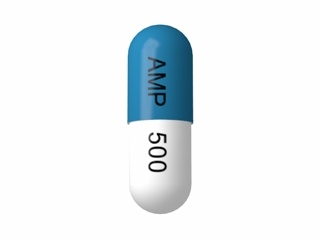
| Common formulations | Oral capsules/tablets, oral suspension (varies by product) |
| Typical dosing frequency | Often 4 times daily for oral use (exact regimen varies) |
How ampicillin works (mechanism of action)
Ampicillin works by interfering with how bacteria build their cell walls. Specifically, it binds to penicillin-binding proteins (PBPs), which are involved in the final steps of forming the bacterial cell wall. Without a properly formed cell wall, susceptible bacteria cannot grow or multiply effectively—leading to bacterial death or growth arrest.
Like other penicillins, ampicillin is most effective against bacteria that are susceptible to it and that have not developed resistance mechanisms (for example, producing beta-lactamases that break down the antibiotic).
Pharmacokinetics (how the body handles it)
Pharmacokinetics describes absorption, distribution, metabolism, and excretion.
- Absorption: Ampicillin is absorbed from the gastrointestinal tract, though absorption can be affected by food.
- Distribution: It can reach many body tissues and fluids. Penetration to specific sites depends on the infection and inflammation.
- Metabolism: Ampicillin is not heavily metabolised in the body.
- Excretion: It is mainly removed by the kidneys. In people with reduced kidney function, dose adjustments may be needed.
Because it is largely cleared by the kidneys, maintaining proper dosing intervals is important to keep drug levels high enough to fight infection.
Typical uses in the UK
Ampicillin is used for certain bacterial infections where it is expected to be effective. The most appropriate choice depends on the likely cause of infection, local resistance patterns, and whether the organism is susceptible to ampicillin.
Common areas where penicillins like ampicillin may be considered include:
- Respiratory infections caused by susceptible bacteria
- Ear, nose, and throat infections (selected cases)
- Urinary tract infections (UTIs) caused by susceptible organisms
- Skin and soft tissue infections in selected circumstances
- Other susceptible bacterial infections as guided by clinical assessment
Ampicillin is not effective against viruses such as the common cold or flu. For these illnesses, antibiotics won’t help and may increase the risk of side effects.
Indications (when it may be used)
In clinical practice, ampicillin may be indicated for infections due to susceptible bacteria. Exact indications can differ by country formulary, local policy, and product licence details.
Your clinician may consider it particularly when:
- There is a suspected or confirmed bacterial infection that is sensitive to ampicillin
- Other antibiotics are unsuitable due to allergies, previous treatment, or specific infection features
- Culture and sensitivity results support its use (when testing is performed)
If you have been advised to use ampicillin, it is because the benefits are considered to outweigh risks for your specific situation.
Timing and how to take ampicillin
How often to take it
Oral ampicillin regimens commonly involve dosing several times a day to maintain effective levels. The exact timing depends on the strength of your medicine, the infection being treated, age, and kidney function.
Practical tip: Choose dosing times you can reliably follow (for example, morning, midday, early evening, bedtime) and try to keep spacing even.
How long to take it
The duration depends on the infection and clinical response. It’s important to:
- Complete the course even if you feel better
- Avoid stopping early unless you have medical advice, because stopping too soon can allow infection to return
- Contact a healthcare professional if you are not improving after the expected timeframe
If you miss a dose
If you miss a dose:
- Take it as soon as you remember if it is close to the scheduled time.
- If it’s almost time for the next dose, skip the missed dose.
- Do not take a double dose to make up for a missed one.
Food interactions (what to eat and when)
Food can affect how much ampicillin is absorbed. While some penicillins can be taken with food, absorption changes may occur depending on the formulation and individual response.
To reduce variability:
- Follow the instructions on your specific product label for with or without food.
- If you are unsure, take it consistently the same way each day (e.g., always with food or always on an empty stomach) unless advised otherwise.
Note: If you experience stomach upset, taking the medicine with food may help. However, ask your pharmacist if this is suitable for your exact product and regimen.
Alcohol and medicine interactions
There is no universally known “dangerous” reaction between ampicillin and alcohol in the way some antibiotics (e.g., certain older drugs) can be associated with a disulfiram-like effect. Still, alcohol can:
- Worsen side effects such as nausea, dizziness, and diarrhoea
- Make it harder to recover from infection
- Potentially increase dehydration, especially if you are unwell
Best approach: If possible, avoid alcohol while you’re taking antibiotics, or keep it minimal. If you drink regularly, discuss with a healthcare professional for advice tailored to your health and any other medicines you take.
Other medicine interactions
Ampicillin may interact with some other medicines. Tell a clinician or pharmacist if you take:
- Allopurinol: can increase the risk of rash in some people when used with aminopenicillins
- Oral anticoagulants (e.g., warfarin): antibiotics can affect gut flora and may influence clotting control
- Probenecid: may increase ampicillin levels by reducing renal excretion
- Other antibiotics: combinations may be appropriate in some cases, but unnecessary overlap can increase side effects
- Oral contraceptives: if you have severe diarrhoea or vomiting, contraceptive effectiveness may be reduced due to reduced absorption
This is not an exhaustive list. For safe use, provide your pharmacist with a full list of medicines, including over-the-counter products and herbal supplements.
Dosing (general guidance)
Dosing depends on age, weight (for children), the specific infection, severity, and kidney function. Always follow the exact regimen provided for your product.
Adults (general)
- Common oral regimens are often divided into multiple doses per day (frequently four times daily), but this varies by product strength and indication.
- Kidney impairment may require reduced dosing frequency or dose adjustment.
Children (general)
- Doses are often weight-based and may be adjusted for age and severity.
- Use only the correct measuring device for liquid/suspension formulations.
Kidney problems
Because ampicillin is mainly cleared by the kidneys, reduced kidney function can lead to higher levels in the body. This may require adjustment. If you have kidney disease, discuss dosing requirements with a clinician or pharmacist.
Safety profile (important risks and side effects)
Most people tolerate ampicillin well, but like all medicines it can cause side effects. The key safety concerns relate to allergy and gut effects.
Common side effects
- Diarrhoea (mild to moderate)
- Nausea
- Stomach discomfort
- Rash (may occur, including non-allergic rashes)
- Yeast infections (e.g., oral thrush or vaginal thrush) due to changes in normal flora
Serious side effects — seek urgent help
- Signs of an allergic reaction such as facial/lip swelling, wheezing, shortness of breath, severe hives, or sudden rash
- Severe or persistent diarrhoea (especially if watery or with blood), abdominal pain, or fever — this can indicate a more serious gut condition and requires medical assessment
- Severe skin reactions such as blistering, peeling skin, or painful sores in the mouth/eyes
Allergy considerations
Ampicillin should not be used if you have a known history of serious allergic reaction to penicillins or other beta-lactam antibiotics. If you have had mild rashes before, discuss the details with a healthcare professional, because patterns of reaction vary.
Pregnancy and breastfeeding (general)
Ampicillin is generally considered among antibiotics that may be used when needed. However, decisions during pregnancy or breastfeeding should be made based on clinical benefit and your individual health situation.
Practical use tips
- Take it at consistent times: setting reminders can help maintain dosing intervals.
- Keep hydrated: especially if you have diarrhoea or feel unwell.
- Complete the course: even if symptoms improve, unless advised otherwise.
- Store correctly: follow the packaging instructions (some liquid formulations require refrigeration).
- Measure liquids accurately: use the provided oral syringe or measuring cup for suspensions.
- Track side effects: note new rashes or severe diarrhoea and seek advice promptly.
What to expect during treatment
Many people begin to feel better within a few days, depending on the infection and severity. If you are not improving or you worsen, it may be necessary to reassess the diagnosis, check for resistance, or consider a different treatment.
Contact a healthcare professional if:
- Symptoms don’t improve after a reasonable period
- Fever persists or returns
- You develop severe side effects or signs of allergy
Alternative options
The “best” alternative depends on the infection, local resistance patterns, allergy history, and any test results. Alternatives might include:
- Other penicillins or related beta-lactams
- Cephalosporins (for some infections, depending on allergy status and susceptibility)
- Macrolides (e.g., for certain respiratory infections or penicillin allergy scenarios)
- Tetracyclines in selected cases where appropriate
- Combination therapy (such as adding a beta-lactamase inhibitor) if beta-lactamase resistance is suspected
If you’re considering alternatives due to side effects or concerns, a clinician or pharmacist can help match the option to the likely bacteria and your medical history.
Market and legal context for the United Kingdom
In the UK, antibiotics are regulated medicines and are used according to national and local antimicrobial stewardship principles. This helps reduce antibiotic resistance and ensures antibiotics are used only when needed.
Advice and prescribing decisions in the UK are supported by:
- National guidance on antimicrobial stewardship
- Local antibiotic formularies and infection management pathways
- Microbiology and susceptibility patterns when available
Pharmacies must follow UK medicines regulations, including requirements for safe supply, product information, and patient counselling.
Recent guidance (high-level overview)
UK antimicrobial stewardship efforts continue to emphasise:
- Right antibiotic, right dose, right duration
- Avoiding antibiotics for viral infections
- Reviewing treatment when there is no improvement
- Reducing unnecessary broad-spectrum use
- Using microbiology results when appropriate
If your infection is complicated or recurrent, clinicians may consider tests to tailor antibiotic choice.
Delivery and availability (UK)
Ampicillin/Acillin availability can vary by formulation and strength. In the UK, supply is typically dependent on current stock levels and manufacturer distribution schedules.
When ordering online from a UK pharmacy, you can generally expect:
- Careful packaging to protect tablets/capsules and liquid formulations
- Standard delivery options (times vary by supplier and location)
- Tracking where available
- Clear instructions if refrigeration is required for a suspension
If a product is temporarily unavailable, reputable pharmacies may offer an alternative equivalent formulation (where legally permitted) or notify you promptly.
FAQ
1) Is ampicillin the same as Acillin?
Ampicillin is the generic medicine name. Acillin is one brand that may contain ampicillin. The active ingredient is what matters for effectiveness and safety, but formulations and strengths can differ.
2) Can I take ampicillin if I have a penicillin allergy?
If you have had a serious allergic reaction to penicillins, you should avoid ampicillin. If you’ve had any allergic symptoms previously, discuss your history with a healthcare professional before starting.
3) Will it treat a cold or flu?
No. Colds and flu are caused by viruses, and antibiotics like ampicillin do not treat viruses.
4) When should I start to feel better?
Many people begin to improve within a few days, depending on the infection and severity. If you don’t improve or you worsen, seek medical advice for reassessment.
5) What should I do if I get diarrhoea?
Mild diarrhoea can occur. However, contact a healthcare professional urgently if diarrhoea is severe, persistent, watery, or contains blood, or if you have fever or significant abdominal pain.
6) Can I take ampicillin with food?
Food can affect absorption. Follow the product label for your specific preparation. If unsure, keep the approach consistent (with or without food) and consult a pharmacist for guidance.
7) Does alcohol affect ampicillin?
There is no well-known universal “dangerous” reaction between ampicillin and alcohol, but alcohol can worsen side effects and slow recovery. It’s best to avoid or limit alcohol while you are unwell and taking antibiotics.
8) Can I take ampicillin with my other medicines?
Some medicines can interact with ampicillin (for example, medicines affecting blood clotting, probenecid, or certain gout medicines like allopurinol). Always share your full medicine list with a pharmacist or clinician.
9) Is it safe for children?
Ampicillin can be used in children when clinically appropriate, but dosing is usually weight-based and must be accurate. Use the correct measuring equipment for suspensions and follow specific dosing instructions.
10) How should I store the medicine?
Store according to the product packaging instructions. Liquid suspensions may require refrigeration and should not be used after the stated expiry or after the recommended “discard after opening” period (if applicable).
11) What if I stop early because I feel better?
Stopping early can allow bacteria to survive and lead to relapse or resistance. Unless a clinician advises you to stop, complete the course.