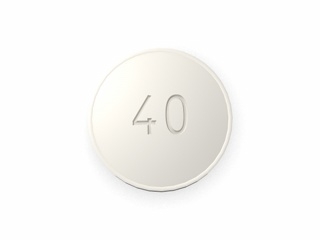


Isoptin SR (Verapamil) – Patient Guide (UK)
Isoptin SR contains verapamil, a medicine used to treat certain heart conditions and, in some cases, to help prevent migraines. “SR” stands for slow release, which means the medicine is released gradually over time.
This guide explains how Isoptin SR works, when it’s used, how to take it safely, and what to watch for. Always follow the instructions given by your healthcare professional and read the patient information leaflet that comes with your medicine.
Quick overview
| Feature | Information |
|---|---|
| Medicine name | Isoptin SR (Verapamil) |
| Medicinal ingredient | Verapamil (slow-release formulation) |
| Common uses | Some abnormal heart rhythms (e.g., atrial flutter/fibrillation with rapid rate), angina (depending on clinical situation), migraine prevention (in certain patients) |
| How it works | Slows the heart rate and reduces strain on the heart by blocking calcium channels |
| Typical dosing timing | Often once daily for SR tablets; follow your prescriber’s instructions |
| Key cautions | May affect heart rhythm/conduction and blood pressure; interactions with some medicines (e.g., some antiarrhythmics, beta-blockers, certain antibiotics/antifungals, and medicines that affect CYP enzymes) |
Basic product information
Isoptin SR is a verapamil slow-release tablet. Verapamil is from a group called calcium channel blockers (specifically, non-dihydropyridine calcium channel blockers).
Different strengths may be available depending on the product range in the UK market. Your pharmacy label will show the strength and your personal directions.
What does “SR” mean?
SR (slow release) tablets are designed to release verapamil gradually throughout the day. This can help keep levels steadier than immediate-release forms. For best results:
- Take the tablet exactly as directed.
- Do not crush or chew unless your healthcare professional advises otherwise. This can change how the medicine is released and may increase side effects.
- If you have difficulty swallowing, discuss options with your pharmacist.
How Isoptin SR works (mechanism of action)
Verapamil works mainly by blocking calcium channels in heart and blood vessel tissue. Calcium entry into heart cells helps control electrical signalling and heart muscle contraction.
By blocking these channels, verapamil:
- Slows conduction through the heart’s electrical system, which can help manage certain abnormal rhythms.
- Reduces heart rate and the force of contraction (to a degree), helping reduce workload on the heart.
- Relaxes blood vessels, helping lower blood pressure and reduce strain, which can be helpful in angina.
In migraine prevention, verapamil is thought to help stabilise mechanisms involved in migraine by affecting vascular tone and neurovascular pathways. How it helps varies between individuals.
Pharmacokinetics (how the body handles verapamil)
Pharmacokinetics describes how a medicine is absorbed, distributed, metabolised, and eliminated. While individual responses vary, the following provides a helpful overview:
- Absorption: With SR tablets, verapamil is released gradually to provide more sustained blood levels. Food may influence absorption in some people.
- Onset: Effects on heart rate and rhythm control can be seen after starting; however, steady effects for prevention (e.g., migraines) may take days to weeks.
- Metabolism: Verapamil is metabolised mainly in the liver (including by enzymes such as CYP3A4). This is one reason interactions with certain medicines can be important.
- Elimination: Metabolites are mainly excreted through the kidneys and partly through the faeces.
- Half-life: Verapamil’s half-life varies by formulation and person; SR formulations typically aim for more prolonged activity.
Because verapamil can interact with other drugs and may be affected by liver function, dose adjustments may be needed in some patients.
Typical uses in the UK
Isoptin SR is used for specific cardiovascular conditions and sometimes for migraine prevention. The exact indication depends on your diagnosis and medical history.
Common indications
- Heart rhythm disorders where slowing the heart rate and improving electrical conduction can help (for example, some supraventricular arrhythmias).
- Angina (chest pain) in selected patients—often as part of a broader treatment plan.
- Prevention of migraine in certain individuals when appropriate and when other options are unsuitable.
If you are unsure why you were given Isoptin SR, check your prescription label or ask a healthcare professional.
How to take Isoptin SR: timing and practical instructions
Follow the dosing schedule on your medicine label. SR tablets are usually taken once daily in many treatment regimens, but your personal plan may differ.
Timing
- Try to take your dose at the same time each day to maintain consistent levels.
- If your dose is once daily, choosing a time that fits your routine can improve adherence.
- If you miss a dose, take it when you remember unless it is close to the next dose. Do not take a double dose to make up for a missed tablet.
How to swallow
- Swallow the tablet whole with water.
- Do not crush or chew the SR tablet.
- If you cannot swallow whole tablets, speak to your pharmacist for advice about suitable alternatives.
Routine monitoring
Depending on your condition, your clinician may monitor:
- Blood pressure
- Heart rate and ECG
- Symptoms such as dizziness, fainting, chest discomfort, or worsening breathlessness
Food interactions
Food can affect how much verapamil you absorb and therefore how strong the effect feels. With SR preparations, the interaction may be less noticeable than with immediate-release forms, but individual sensitivity varies.
General advice:
- Take your dose consistently—either always with food or always without food—unless your prescriber instructs otherwise.
- If you notice changes (e.g., light-headedness or heart rate changes) related to meals, discuss this with a healthcare professional.
Grapefruit and citrus products
Grapefruit and some related citrus products may increase verapamil levels in some people by affecting drug-metabolising enzymes. This can increase the risk of side effects such as low heart rate or low blood pressure.
- Avoid or limit grapefruit products while taking verapamil unless your clinician says it’s safe for you.
Alcohol and medicine interactions
Alcohol can add to verapamil’s effects on the cardiovascular system and may increase the risk of dizziness, fainting, or low blood pressure—especially when starting treatment or adjusting the dose.
Practical guidance
- If you drink alcohol, keep it moderate and monitor how you feel after taking Isoptin SR.
- Be extra cautious when standing up quickly (to reduce dizziness risk).
- Avoid alcohol if you have had episodes of fainting or marked dizziness.
Alcohol “red flags”
Seek medical advice urgently if alcohol combined with your medication causes:
- Fainting or severe dizziness
- Very slow heartbeat, or new irregular heartbeat
- Chest pain, severe shortness of breath, or collapse
Medicine interactions (important)
Verapamil can interact with several commonly used medicines, mainly because it may: affect heart electrical conduction, reduce heart rate**, and/or change blood levels of other medicines via liver metabolism.
Tell a healthcare professional about everything you take, including medicines for colds, pain, allergies, and herbal products.
Examples of notable interaction categories
- Other medicines that slow the heart (e.g., some beta-blockers or other rhythm medicines): can increase the risk of too-slow heart rate or conduction problems.
- Antiarrhythmic drugs: may have additive effects on heart rhythm.
- Medicines affecting liver enzymes (some antifungals, antibiotics, antivirals, and other CYP3A4 inhibitors/inducers): may increase or decrease verapamil levels.
- Some blood pressure medicines (other antihypertensives/vasodilators): may increase the likelihood of low blood pressure.
- Statins and cholesterol medicines: certain statins may require monitoring or dose adjustments.
- Carbamazepine, phenytoin, rifampicin and other enzyme inducers: may reduce verapamil levels and make it less effective.
- Digoxin: verapamil can affect digoxin blood levels; monitoring may be required.
This is not a complete list. If you want, you can provide your current medication list and we can outline interaction checks you may want to discuss with a pharmacist.
Dosing: typical approach
Your exact dose depends on your condition, age, heart function, other medicines, and how you respond. In general, treatment with verapamil is often started at a lower dose and adjusted gradually.
General principles (not a substitute for your label)
- Start low, go slow: dose titration helps reduce the risk of side effects.
- Regular monitoring: blood pressure and heart rate may be checked, especially after dose changes.
- SR schedule matters: SR tablets are designed for steady release; maintain the same daily routine.
If you have liver impairment
Verapamil is metabolised in the liver. If you have liver disease, your doctor may use a lower starting dose and monitor you more closely.
Emergency guidance
If you accidentally take more than prescribed, contact a healthcare professional or call NHS 111 for advice (or call emergency services if severe symptoms occur). Overdose symptoms can include severe dizziness, fainting, very slow heart rate, or low blood pressure.
Safety profile: side effects and when to seek help
Like all medicines, Isoptin SR can cause side effects. Many people experience mild effects that settle as the body adjusts. However, some symptoms may require urgent attention.
Common side effects
- Dizziness or light-headedness
- Headache
- Constipation (a well-recognised effect of verapamil)
- Swelling of ankles or feet (peripheral oedema)
- Feeling tired or weak
- Nausea in some people
Serious side effects (seek urgent medical advice)
Contact urgent care or emergency services if you experience:
- Fainting or near-fainting
- Very slow heartbeat (bradycardia) or new/worsening palpitations
- Severe shortness of breath or sudden worsening breathlessness
- Chest pain that is severe or different from your usual angina
- Signs of allergic reaction: facial swelling, trouble breathing, widespread rash
Constipation management tips
If you develop constipation:
- Increase water intake if appropriate for you.
- Consider dietary fibre (e.g., fruit, vegetables, whole grains).
- Discuss stool-softening options with a pharmacist if it becomes problematic.
Practical use tips for everyday life
The tips below can help you use Isoptin SR effectively and reduce avoidable problems.
Adherence and routine
- Use a daily reminder (phone alarm or medication organiser).
- Keep tablets in their original packaging to maintain correct storage and identity.
- Do not stop suddenly without advice—especially if you are taking it for rhythm control.
Monitoring at home
- If you have a home blood pressure monitor or wearable heart rate device, use it as directed.
- Record readings and symptoms, particularly after dose changes.
- If you feel unusually dizzy, check your heart rate if possible and sit or lie down safely.
Driving and operating machinery
Verapamil can cause dizziness or fatigue in some people. If you feel affected, avoid driving and operating machinery until you know how the medicine impacts you.
Alternative options
The “best” alternative depends on why you’re taking Isoptin SR (rhythm control, angina, or migraine prevention) and your personal risk factors. Below are common alternative approaches patients may discuss with a clinician.
For heart rhythm or rate control
- Other rate-controlling medications (e.g., beta-blockers in selected patients).
- Other calcium channel blockers (choice depends on diagnosis).
- Rhythm strategies including cardioversion procedures or ablation in suitable cases.
For angina
- Beta-blockers, nitrates, long-acting antianginal agents, and other options depending on individual suitability.
For migraine prevention
- Other preventive medicines (e.g., beta-blockers, topiramate, amitriptyline, depending on clinical factors).
- Newer migraine preventives may be considered in some patients (e.g., CGRP pathway medicines under specialist care).
- Lifestyle approaches such as sleep regularity, hydration, stress management, and trigger tracking.
Do not switch medicines without medical advice. If you are experiencing side effects or poor control, speak to a healthcare professional to discuss options.
Market and legal context in the United Kingdom
In the UK, medicines are regulated to ensure quality, safety, and proper supply. Verapamil products such as Isoptin SR are generally managed according to UK medicines legislation and pharmacy supply rules.
Online pharmacies in the UK should provide:
- Clear information on the product name, strength, and pharmaceutical form
- Stock availability and delivery expectations
- Access to appropriate professional support (e.g., pharmacist consultation where required)
- Appropriate guidance on how to use the medicine safely
UK patients should be cautious about purchasing medicines from non-regulated sources. Look for reputable UK-licensed pharmacies and legitimate product packaging.
Recent guidance (high-level)
Clinical practice in the UK continues to emphasise:
- Individualised dosing and careful review of drug interactions.
- Monitoring for heart rate, ECG changes, and blood pressure when using verapamil.
- Medication safety efforts—patients are encouraged to check interactions when starting or stopping other medicines.
- Migraine management using stepped care, with preventive options considered when attacks are frequent or disabling.
Guidance may vary by condition and patient group; your clinician will tailor decisions to your needs.
Delivery and availability (UK online pharmacy)
Availability can vary by strength and formulation. When ordering from a UK online pharmacy, you can typically expect:
- Stock confirmation on the product page
- Delivery estimates shown at checkout
- Secure packaging designed to protect tablets during transit
- Temperature considerations where relevant (follow storage instructions on the packaging)
If you need a specific strength (for example, 120 mg SR or 180 mg SR), double-check that it matches your medicine label. If the pack size differs from what you expect, contact the pharmacy before completing the order.
FAQ: Isoptin SR (Verapamil)
1) What is Isoptin SR used for?
Isoptin SR (verapamil) is used to treat certain heart conditions (including some abnormal heart rhythms and angina in selected patients). It may also be used for migraine prevention in certain individuals.
2) How quickly will it start working?
Some effects on heart rate and symptoms may be noticed relatively soon after starting. For migraine prevention, benefits may take longer—often days to weeks—depending on the person and dose.
3) Can I drink alcohol while taking Isoptin SR?
Small amounts may be tolerated by some people, but alcohol can worsen dizziness or lower blood pressure. If you choose to drink, do so carefully and monitor how you feel.
4) What should I do if I miss a dose?
Take it when you remember unless it is close to the next dose. Do not take a double dose to compensate. If you’re unsure, ask a pharmacist for guidance.
5) Should I take it with food?
Follow your specific instructions. Taking it consistently with or without food can help avoid fluctuations. Grapefruit products should generally be avoided.
6) Why do some people develop constipation on verapamil?
Verapamil can affect the smooth muscle of the gut, which may slow bowel movement in some people. Increasing fluids and fibre may help, and a pharmacist can advise on suitable treatments if needed.
7) What medicines should I be careful with?
Several drugs can interact with verapamil, especially medicines that affect heart rate or blood pressure, and medicines that change liver metabolism. Always check with a pharmacist if you’re starting, stopping, or adding medicines (including herbal products).
8) Can I stop Isoptin SR suddenly?
Do not stop suddenly unless advised by your healthcare professional. Stopping abruptly may worsen underlying heart symptoms in some patients.
9) Are there warning signs that mean I should seek help urgently?
Yes. Seek urgent medical attention if you faint, experience severe dizziness, very slow heartbeat, worsening shortness of breath, or severe chest pain.
10) What if I feel very sleepy or dizzy after taking a dose?
Sit or lie down and avoid driving until you feel better. Contact a healthcare professional if symptoms persist, worsen, or come with palpitations or fainting.
11) Is it safe for everyone?
Not always. Verapamil may be unsuitable for people with certain heart block conditions, significantly reduced heart function, or specific medication combinations. Your clinician will assess suitability based on your medical history and tests.
12) Are there alternatives if I can’t tolerate it?
Yes. Alternatives depend on why you’re taking it. Your clinician can discuss other heart-rate medicines, other angina therapies, or other migraine preventives.
Remember
Isoptin SR can be an effective treatment, but it requires careful use due to potential effects on heart rate, blood pressure, and interactions with other medicines. If you have any concerns—especially regarding dizziness, fainting, or changes in heartbeat—contact a healthcare professional promptly.