Azelastine: Patient-Friendly Guide (UK Online Pharmacy Information)
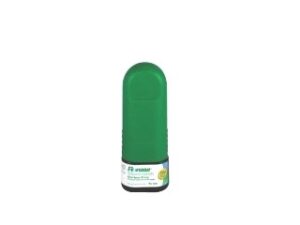
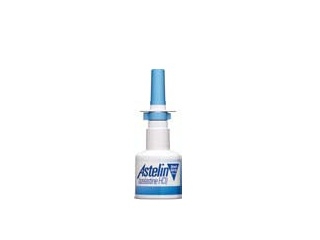
Azelastine is a medicine used to relieve symptoms of allergic conditions, most commonly allergic rhinitis (hay fever) and related nasal symptoms. It can help reduce sneezing, itching, a runny nose, and nasal congestion. Depending on the product strength and formulation, azelastine is available in forms such as nasal spray and, in some countries, eye drops (for allergic eye symptoms).
This guide explains how azelastine works, how it behaves in the body, typical use and timing, important safety information, and practical tips to get the best effect. It also includes UK-specific notes on availability and considerations for using medicines safely.
Basic product information
| Category | Details |
|---|---|
| Generic name | Azelastine |
| Common formulations | Nasal spray (and in some settings: eye drops for allergic conjunctivitis) |
| Drug class | Antihistamine (H1 receptor antagonist), also with anti-inflammatory effects |
| Typical conditions | Allergic rhinitis (hay fever), allergic nasal symptoms; allergic eye symptoms (where supplied as eye drops) |
| How it helps | Reduces allergy-driven histamine effects and inflammation in nasal tissues |
Product strengths, age approvals, and dosing schedules can differ by formulation. Always follow the instructions provided with your specific product and read the patient information leaflet supplied by the manufacturer.
How azelastine works (mechanism of action)
Azelastine is an antihistamine that blocks histamine at H1 receptors. Histamine is a substance released during allergic reactions and contributes to symptoms like sneezing, itching, runny nose, and swelling of mucosal tissues.
In addition to blocking histamine, azelastine may also have anti-inflammatory activity, helping to calm allergic inflammation in the nasal lining. This is one reason it can be effective for both early and ongoing allergy symptoms.
- Reduces sneezing and itching by countering histamine effects.
- Helps control a runny nose and watery secretions.
- May reduce nasal congestion, though some people still need additional measures for blocked sinuses.
- May help with symptom relief from the outset, depending on formulation and timing.
Pharmacokinetics: how the body absorbs and processes azelastine
Pharmacokinetics describes what happens after taking a medicine: absorption, distribution, metabolism, and elimination. Specific values vary between formulations (especially between nasal spray and eye drops), but the general principles are as follows.
Absorption
With nasal spray, azelastine is absorbed through nasal tissues. Some absorption may occur into the bloodstream, but overall systemic exposure is typically lower than for oral medicines designed for allergy.
Distribution
Once absorbed, azelastine distributes through the body. It is partly bound to plasma proteins.
Metabolism
Azelastine is metabolised by the liver. A major metabolite is known to contribute to overall activity.
Elimination
The medicine and its metabolites are eliminated primarily through the kidneys (urine) and to some degree via other routes, depending on the individual and formulation.
Your clinician or pharmacist may tailor advice if you have liver or kidney impairment. If you are unsure, check the patient leaflet for your specific azelastine product.
Typical use and what it’s for
Azelastine is commonly used to treat symptoms of allergic rhinitis, often referred to as hay fever. Symptoms include:
- Sneezing
- Itchy nose
- Runny nose (rhinorrhoea)
- Nasal irritation
- Watery eyes (sometimes improved when the nasal symptoms are controlled; for eye-specific symptoms, eye drops may be needed)
In some markets and products, azelastine is also used for allergic eye symptoms such as itching, redness, and watering—typically via an eye drop formulation.
Indications (conditions where azelastine is used)
- Allergic rhinitis (seasonal or perennial)
- Allergic conjunctivitis (where the product is formulated as eye drops)
When to take azelastine: timing and onset of action
Timing matters because allergy symptoms can fluctuate throughout the day. Many people notice improvement within a short time, but the exact onset can vary by individual, formulation, and symptom pattern.
General timing guidance
- Start early during allergy season if you know when symptoms begin.
- For day-to-day symptoms, use at the times your product instructions recommend (often morning and evening for nasal spray).
- If symptoms are worst at certain times (e.g., outdoors, morning), timing can be aligned with those triggers.
How quickly it may work
Many antihistamine nasal sprays are designed to provide relatively rapid symptom relief. If you do not feel improvement, check your technique (for nasal spray) and confirm you’re using the correct product strength and schedule.
Food interactions
Azelastine is generally used in the nose (and sometimes in the eye). Because it is not typically taken as a food-related oral dose, it has minimal direct interaction with food.
However, it’s still important to consider overall medicine safety:
- If you are using other allergy medicines (tablets, syrups, decongestants), follow each product’s leaflet for interaction notes.
- If you develop stomach upset from other medicines, it may not be due to azelastine itself.
Alcohol and medicine interactions
Alcohol can worsen side effects such as drowsiness or dizziness from medicines that affect the nervous system. Azelastine nasal spray can, in some people, cause drowsiness or a feeling of fatigue—especially at higher doses or if you’re sensitive. Avoid alcohol or be cautious, particularly when you first start treatment or increase the dose.
Possible medicine interactions
Azelastine may interact with other medicines that cause drowsiness. Examples can include:
- Sedating antihistamines (in some people)
- Sleep medicines
- Some anxiety medicines
- Opioid painkillers
- Some muscle relaxants
The safest approach is to:
- Tell your pharmacist about all medicines you use, including over-the-counter products.
- Pay attention to the warnings listed on your specific azelastine product leaflet.
- Do not combine multiple antihistamine products without professional advice.
Driving and machinery
If azelastine causes drowsiness for you, avoid driving or operating machinery. This is especially relevant in the first days of treatment while you learn how your body responds.
Dosing: typical adult and child use
Dosing depends on the formulation (nasal spray vs eye drops), the strength, and age. Always follow your product’s instructions. Below is general UK-style guidance for commonly used azelastine nasal spray regimens; exact instructions vary.
Typical dosing for azelastine nasal spray (general)
- Adults: commonly used as a split dose across the day (for example, once or twice daily depending on product strength).
- Older children: dosing may be adjusted based on age and product leaflet instructions.
If your leaflet states a specific number of sprays per nostril, follow that exactly. Do not exceed the recommended dose, even if symptoms seem severe.
How to use correctly (nasal spray dosing technique)
- Gently blow your nose if needed.
- Keep your head upright.
- Insert the nozzle into one nostril while gently closing the other nostril with a finger.
- Breathe in gently through your nose as you spray.
- Repeat in the other nostril if prescribed.
- Wipe the nozzle and replace the cap.
Missed dose
If you miss a dose, use it when you remember unless it’s close to the next scheduled dose. Do not use a double dose to make up for the missed one.
Safety profile: side effects and when to seek help
Most people tolerate azelastine well. However, as with all medicines, side effects can occur. If you experience severe or worsening symptoms, or signs of an allergic reaction, seek medical advice promptly.
Common side effects
- Unpleasant taste (sometimes a bitter taste, especially if some medicine drains into the throat)
- Nasal irritation or burning sensation
- Nosebleeds (occasional)
- Headache
- Drowsiness or fatigue (less common but possible)
- Dryness or irritation in the nose
Less common but important
- Severe drowsiness or dizziness affecting daily activities
- Allergic-type reactions such as rash, swelling, or breathing difficulty (rare)
Seek urgent help if
- You have swelling of the face, lips, tongue, or throat
- You develop difficulty breathing or severe wheezing
- You feel faint or have signs of a serious allergic reaction
Long-term use
Allergic rhinitis can be chronic, and azelastine may be used for longer periods if needed. Continue using it according to your product instructions. If symptoms persist despite regular use, discuss with a pharmacist or clinician.
Practical use tips for best results
- Check your technique: correct spray placement and gentle inhalation improve delivery and reduce leakage.
- Prevent bitter taste:
- Use the spray with your head upright rather than tilted back.
- Try to avoid sniffing hard immediately after spraying.
- If your product leaflet advises, aim slightly outward (away from the septum) within the nostril.
- Consistency helps: for ongoing symptoms, use at the recommended intervals rather than only when symptoms become severe.
- Manage triggers: reduce exposure to known allergens where possible (e.g., keep windows closed during high pollen periods).
- Consider saline rinses: a non-medicated saline spray or rinse can help clear irritants; use it with spacing if advised by your leaflet.
Alternative options for allergic rhinitis (UK overview)
If azelastine is not suitable or doesn’t provide enough relief, there are other treatment options available for allergic rhinitis. Choice depends on symptom type (sneezing/itching vs congestion), severity, comorbidities, and preference.
Common alternatives
- Intranasal corticosteroids (e.g., fluticasone, mometasone, beclometasone): often preferred for nasal blockage and sustained control.
- Oral antihistamines (e.g., cetirizine, loratadine, fexofenadine): helpful for sneezing and itchy/runny symptoms.
- Other antihistamine nasal sprays: alternative agents with similar goals.
- Barrier methods: some people benefit from measures that reduce allergen contact, especially during peak exposure.
Many patients use a combination plan. Some clinicians recommend pairing a nasal steroid with an antihistamine spray for faster relief in flare-ups. A pharmacist can help discuss options and safe combinations.
Market and legal context in the United Kingdom
In the UK, medicines are supplied under the Medicines and Healthcare products Regulatory Agency (MHRA) framework, with availability determined by the product’s classification and licence conditions. In general:
- Some allergy medicines may be available over-the-counter depending on formulation and strength.
- Other variants may require a prescriber pathway depending on age group and product specifics.
- Online pharmacies in the UK typically provide medicines in line with applicable legal and regulatory requirements.
For azelastine, availability and classification can vary by product type and strength. Always ensure you purchase the correct product for the symptoms you’re treating (nasal vs eye symptoms).
Recent guidance (high-level)
In recent allergy care guidance, a common approach is:
- For persistent symptoms, intranasal corticosteroids are often considered a core option.
- For rapid symptom control, antihistamine therapies (including intranasal antihistamines) may be used.
- Combination approaches may be recommended if monotherapy is insufficient.
Local NHS advice and professional guidance may vary by season and patient needs. If your symptoms are severe, recurrent, or not responding, it’s sensible to seek professional advice.
Delivery and availability from a UK online pharmacy
Azelastine products may be stocked by UK online pharmacies depending on the product form and licensed status. Delivery options can vary, commonly including:
- Standard delivery (a few working days)
- Express or next-day delivery for eligible orders
- Order cut-off times that affect dispatch dates
Availability can change seasonally. If a product is temporarily out of stock, some pharmacies may offer an alternative strength or a different compatible treatment—subject to availability and suitability.
When placing an order, ensure you select the correct formulation and size (for example, nasal spray vs eye drops, and the strength), and check age restrictions shown on the product page.
How to store azelastine
- Store at room temperature as described on the label.
- Keep the bottle tightly closed.
- Protect from excess heat and direct sunlight.
- Follow the “use by” date and any post-opening instructions in the leaflet.
- Keep out of sight and reach of children.
Frequently asked questions (FAQ)
1. Is azelastine for hay fever?
Yes. Azelastine is commonly used for allergic rhinitis, which includes hay fever symptoms such as sneezing, itching, and a runny nose. It may also help with nasal congestion, depending on your individual response.
2. How soon will azelastine work?
Many people notice symptom relief relatively quickly, but the exact timing can vary. If you don’t notice improvement after using it correctly, check your technique and confirm you’re using the correct dose schedule for your specific product.
3. Can I use azelastine every day during allergy season?
It may be used regularly during periods when symptoms flare, provided you follow the product leaflet dosing instructions. If symptoms remain uncontrolled, consider speaking to a pharmacist about whether an alternative or combination plan might be more effective.
4. Will azelastine make me sleepy?
Some people report drowsiness or fatigue. If you feel drowsy, avoid driving or operating machinery and be cautious with alcohol and other medicines that may cause drowsiness.
5. What if I get a bitter taste after using the nasal spray?
A bitter taste can occur if some medicine drains into the throat. Try using the spray with your head upright, breathe gently while spraying, and avoid sniffing hard right after. If the issue continues, ask a pharmacist for technique advice.
6. Can I take azelastine with other allergy medicines?
It depends on what other medicines you plan to use. Combining multiple antihistamines may increase the risk of side effects, including drowsiness. Ask a pharmacist if you’re considering using azelastine alongside other allergy tablets or sprays.
7. Are there food interactions?
Food interactions are generally not a major concern with azelastine nasal spray, because it is used in the nose (rather than swallowed). Still, follow general medicine advice and check the leaflet for your exact product.
8. When should I stop and get advice?
Stop using the product and seek advice urgently if you experience signs of a serious allergic reaction (such as swelling of the face/throat or difficulty breathing). For persistent side effects, consult a pharmacist for guidance.
9. Can children use azelastine?
Dosing and age suitability vary by product strength and formulation. Check the age instructions in the leaflet and on the product page. When in doubt, ask a pharmacist.
10. What are the best alternatives if azelastine isn’t enough?
Alternatives may include intranasal corticosteroids (often effective for nasal blockage) or oral antihistamines for sneezing and itching. A pharmacist can help match options to your symptom profile.
Important reminder
This information is designed to help you understand azelastine and use it safely. Always follow the instructions in your specific product leaflet and the guidance from your pharmacist. If your symptoms are severe, worsening, or you have ongoing breathing difficulties, seek professional advice.