Astelin (Azelastine) – Patient Information (UK)
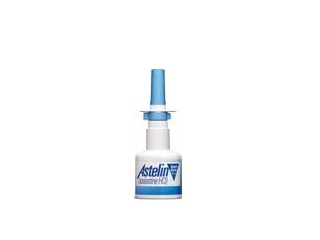
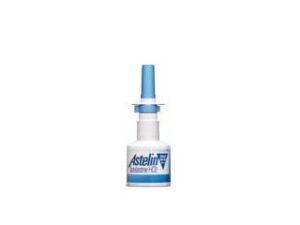
Astelin contains azelastine, an antihistamine medicine used to relieve symptoms caused by allergies, particularly inflammation in the nose. This page explains how Astelin works, when and how to use it, what to expect, and important safety information for people in the United Kingdom.
| Topic | Summary |
|---|---|
| Active ingredient | Azelastine (as azelastine hydrochloride) |
| Medicine type | Intranasal antihistamine (nose spray) |
| Common uses | Allergic rhinitis (hay fever) symptoms such as sneezing, itching, runny nose |
| When it starts to work | Often within minutes for some symptoms; best effect may develop over days |
| Typical dosing | Adults and adolescents: commonly 1–2 sprays in each nostril twice daily (follow your local pack/clinician advice) |
| Common side effects | Taste disturbance, mild nasal irritation/burning, headache, dry mouth |
| Key cautions | Avoid double-dosing; be cautious with sedating medicines and alcohol |
Basic product information
Astelin is the brand name of azelastine, a medicine used for allergic symptoms affecting the nose. In the UK, azelastine nasal preparations are generally used for rhinitis (inflammation of the nose), including allergic rhinitis and—depending on product and clinician advice—some forms of non-allergic nasal symptoms.
Important: Different markets may have slightly different brand names, device designs, concentrations, and dosing instructions. Always follow the patient information leaflet (PIL) supplied with your product and the instructions printed on your label.
How Astelin works (mechanism of action)
Azelastine is an antihistamine and works by blocking histamine H1 receptors. In allergic rhinitis, histamine and other inflammatory mediators are released after exposure to allergens (such as pollen, dust mite, or pet dander).
- Reduces sneezing and itching by counteracting histamine effects.
- Helps control runny nose (rhinorrhoea) by reducing inflammatory signalling.
- May also lessen nasal congestion as inflammation settles (nasal steroid sprays are often the first choice for persistent blockage, but Astelin can still help).
Because it acts directly on histamine pathways and has local anti-allergy effects, it may provide relief quickly, especially for symptoms like sneezing and runny nose.
Pharmacokinetics (how the body handles azelastine)
When used as a nasal spray, azelastine exerts its main effect locally in the nose. A portion may be absorbed into the bloodstream.
- Absorption: After intranasal administration, azelastine can be absorbed systemically, though levels are generally lower than with oral formulations.
- Distribution: Azelastine distributes into body tissues; protein binding occurs in blood.
- Metabolism: The medicine is metabolised mainly in the liver to active/inactive metabolites (notably via cytochrome pathways).
- Elimination: Metabolites are cleared primarily via the kidneys and the bile/faeces, depending on the metabolite pathway.
- Half-life: Systemic half-life can support twice-daily dosing in many regimens.
Clinical relevance: Systemic absorption is typically limited with proper intranasal use, but sensitivity varies. If you have liver or kidney problems, or you take many medicines, discuss suitability with a pharmacist.
Typical use and timing
What Astelin is used for
Astelin (azelastine) is commonly used to treat symptoms of:
- Allergic rhinitis (hay fever) – sneezing, itchy nose, runny nose, and related symptoms.
- Seasonal or perennial nasal allergy – symptoms that occur at certain times of year or throughout the year.
- Mixed rhinitis – when allergy is suspected and symptoms persist despite other measures (use depends on product and clinician advice).
It is designed to relieve symptoms. It does not cure the underlying allergy, but it helps control inflammation and histamine-driven symptoms.
When to take it
Most users take Astelin twice daily. For many people, the best approach is:
- Morning – before exposure risk increases (e.g., before outdoor activities during high pollen).
- Evening – especially if symptoms worsen overnight.
For maximum benefit: If your symptoms are persistent, use it regularly as directed. Some effects may occur quickly, but consistent dosing often yields better overall control over several days.
How quickly does it work?
- Some symptoms (such as sneezing or runny nose) may improve within minutes for some people.
- Overall symptom control is often better after several days of consistent use.
How to use Astelin nasal spray (practical guidance)
Good technique helps the medicine reach the nasal lining and reduces unwanted taste or irritation.
Before you start
- Gently blow your nose to clear it.
- If the bottle is new or not used recently, you may need to prime the spray (the PIL will describe how).
During use
- Keep your head in a neutral position (not tilted far back).
- Use the spray for one nostril at a time, aiming slightly outwards (towards the ear) rather than straight up the septum.
- Breathe in gently through your nose while spraying.
- If prescribed for more than one spray per nostril, wait a moment between sprays.
After use
- Wipe the nozzle with a clean tissue and replace the cap.
- To reduce the chance of an unpleasant taste, avoid sniffing hard immediately after spraying.
Common practical tips
- Expect mild taste: A bitter or unusual taste can happen if droplets run into the throat. Technique and gentle inhalation can help.
- Check spray cleanliness: Keep the nozzle clean and free from debris.
- Don’t share sprays with others.
- Storage: Store as indicated on the pack (typically at room temperature, protected from extreme heat and sunlight).
Dosing information (typical regimens)
Dosing can vary by age, symptoms, and the specific product strength. Always follow the label and PIL for the exact instructions provided for your Astelin product.
Typical dosing patterns for azelastine nasal spray:
- Adults and adolescents (commonly ≥ 12 years): often 1–2 sprays in each nostril twice daily.
- Children: dosing depends strongly on age and product. Use only if the product is approved for that age group and follow the instructions in the PIL.
If symptoms improve: Some people can reduce to the lowest effective dose, but do not change your regimen without checking the PIL guidance or asking a pharmacist—especially if symptoms are severe.
Missed dose: If you miss a dose, take it when you remember unless it is close to the next dose. Do not double up.
Food interactions
Astelin is used in the nose, and food interactions are generally not a major concern. Because only limited systemic absorption occurs, typical “with/without food” rules are less relevant than for oral medicines.
- There are usually no specific restrictions regarding meals.
- However, if you notice nausea or taste-related discomfort, taking the spray at a time that suits you (for example, not immediately after very heavy meals) may improve comfort.
If you experience troublesome taste, you may find it helps to avoid sniffing hard or to rinse your mouth with water after use if the taste persists.
Alcohol and medicine interactions
Alcohol
There is no direct “must avoid” rule for alcohol with intranasal azelastine in all people, but caution is sensible.
- Azelastine may cause drowsiness or dizziness in some individuals.
- Alcohol can increase these effects in some people, affecting alertness.
If you feel sleepy or light-headed after using Astelin, avoid alcohol and driving or operating machinery until you know how you respond.
Other medicines
The most important interaction concerns are medicines that can also make you drowsy or affect alertness.
- Sedating antihistamines (especially older “first-generation” antihistamines) – may add to sleepiness.
- Sleeping tablets, opioid painkillers, and some anti-anxiety medicines – may increase drowsiness risk.
- Other medicines affecting the nervous system – discuss with a pharmacist if you take multiple treatments.
Tell a pharmacist about all medicines you use, including over-the-counter products and herbal remedies. This helps ensure safe use, particularly if you have complex medication routines.
Indications (what symptoms it helps)
Astelin is indicated for relief of symptoms associated with allergic inflammation of the nose, such as:
- Sneezing
- Itching
- Runny nose
- Other allergic rhinitis symptoms depending on your condition and response
If you mainly experience severe nasal blockage, a nasal corticosteroid may be considered first-line for many patients. Astelin can still be used in some treatment plans, either alone or alongside other therapies, depending on the pattern of your symptoms.
Safety profile
Common side effects
Most people tolerate azelastine nasal spray well. Possible side effects include:
- Unpleasant taste (sometimes bitter)
- Dry mouth or throat irritation
- Nasal burning or mild irritation
- Headache
- Fatigue or feeling unusually tired (less common)
Less common or serious effects (seek medical advice urgently)
Stop use and seek prompt advice if you experience signs of a serious allergic reaction, such as:
- Swelling of the face, lips, tongue, or throat
- Difficulty breathing or severe wheezing
- Severe rash or widespread hives
Warnings and precautions
- Driving and machinery: If you feel drowsy or dizzy after using Astelin, avoid driving.
- Nasal irritation: Persistent or worsening nose pain or bleeding should be discussed with a healthcare professional.
- Underlying conditions: People with liver disease, kidney problems, or multiple medication regimens should seek advice about suitability.
Pregnancy and breastfeeding
If you are pregnant, trying to conceive, or breastfeeding, discuss use with a pharmacist or clinician. They can balance symptom control with available safety information for this stage of life.
When to seek advice
Contact a pharmacist or clinician if:
- Symptoms do not improve after several days of correct use, or they worsen.
- You have frequent nosebleeds, severe nasal pain, or persistent congestion not typical of allergies.
- You suspect a non-allergic cause (e.g., medication-related rhinitis, infection, structural issues).
- There are symptoms involving the eyes (itchy, watery eyes) that may need additional treatment.
Alternative options for allergic rhinitis (UK overview)
Treatment choice depends on symptom pattern (runny nose vs blocked nose vs eye symptoms), frequency, and personal preference. Common alternatives include:
- Oral antihistamines (non-drowsy options such as cetirizine or loratadine): useful for sneezing/itching and can help whole-body allergy symptoms.
- Nasal corticosteroid sprays (e.g., fluticasone, mometasone): often first choice for ongoing nasal blockage and inflammation.
- Eye drops (antihistamine or mast-cell stabiliser drops) for allergic conjunctivitis (itchy, watery eyes).
- Saline rinses: can reduce allergens and improve comfort as an add-on.
- Allergen avoidance measures: e.g., keeping windows closed during high pollen, using dust-mite covers, regular cleaning.
For severe or persistent symptoms, clinicians may consider step-up therapy and evaluate triggers. Where appropriate, structured management plans may combine medicines with non-drug strategies.
Market and legal context in the United Kingdom
In the UK, allergy medicines are widely used and regulated. Intranasal antihistamine products may be supplied through:
- Pharmacy channels for appropriate products
- Healthcare professional-led pathways where a tailored approach is needed
- Local clinical guidance and formulary recommendations used by NHS services
Product availability can vary based on manufacturer supply, pack size, concentration, and local regulatory status. When shopping online, choose reputable UK-compliant suppliers and ensure the product matches what you intend to use (correct strength and device type).
Always check: the exact active ingredient, concentration, age suitability, and dosing instructions printed on the packaging or in the PIL.
Recent guidance (UK-focused general principles)
Recent UK allergy management generally emphasises:
- Using the most appropriate intranasal therapy for predominant symptoms (nasal steroids are commonly recommended for persistent congestion; antihistamines can be helpful for sneezing and itching).
- Regular use during allergy seasons or when symptoms are predictable.
- Technique matters for sprays to ensure medicine reaches the nasal lining.
- Reviewing response if symptoms do not improve—especially to consider alternative diagnoses or add-on therapy.
Your pharmacist can help you decide whether Astelin is a suitable option based on your symptom pattern and other medicines you take.
Delivery and availability (UK)
Astelin availability may vary by supplier and stock levels. Common online pharmacy considerations include:
- Product verification: Ensure the listing clearly states the active ingredient (azelastine) and form (nasal spray) with the correct strength.
- Age/usage suitability: Check if the product is intended for your age group.
- Delivery times: Delivery options may differ by location and shipping provider.
- Packaging: Reliable suppliers use protective packaging to prevent damage to the device.
For the most accurate details, review the shipping information and returns policy provided by the online pharmacy you choose.
Storage
- Store at room temperature unless the label instructs otherwise.
- Keep away from extreme heat and direct sunlight.
- Keep out of reach of children.
- Do not use beyond the expiry date on the pack.
FAQ
1) Is Astelin suitable for hay fever?
Yes. Astelin (azelastine) nasal spray is commonly used for symptoms of allergic rhinitis (hay fever), particularly sneezing, itching, and a runny nose. If your main problem is nasal blockage, a nasal steroid may be more effective for many people; a pharmacist can advise based on your symptoms.
2) How long can I use Astelin?
Many people use allergy medicines for the duration of the allergy season or while symptoms persist. How long you can use it depends on your product and response. If symptoms continue beyond expected periods or you need frequent repeat use, seek advice to confirm the cause and consider an appropriate step-up plan.
3) What if I get a bitter taste?
A bitter or unpleasant taste can occur if the spray drains toward the throat. To reduce this:
- Aim slightly outward (toward the ear) rather than straight up.
- Breathe in gently and avoid sniffing hard immediately after spraying.
- Wipe excess liquid and consider rinsing your mouth after use.
4) Can I use Astelin with other allergy medicines?
Often, yes—depending on what you’re using. For example, combining different allergy treatments may be recommended for controlling both nose and eye symptoms. However, avoid doubling up on similar antihistamines without advice. If you’re unsure, ask a pharmacist.
5) Does Astelin make you drowsy?
Some people report drowsiness or fatigue, though many do not. If you feel sleepy, do not drive or operate machinery. Alcohol can increase this effect.
6) Will Astelin help with blocked nose?
It can help congestion for some people, but nasal corticosteroid sprays are often more effective for persistent nasal blockage. If congestion is your leading symptom, discuss options with a pharmacist.
7) Can I use Astelin during pregnancy or breastfeeding?
There may be suitable options, but the best choice depends on your personal circumstances. Speak to a pharmacist or clinician for tailored guidance.
8) What should I do if I miss a dose?
Use it as soon as you remember, unless it is close to your next dose. Do not take an extra dose to make up for a missed one.
9) When should I stop and seek urgent help?
Seek urgent medical help if you develop signs of a serious allergic reaction (e.g., swelling of the face/lips/tongue, breathing difficulty) or severe rash.
10) Are there any contraindications?
You should avoid use if you have had an allergy to azelastine or any component of the product. If you are unsure, check the PIL and consult a pharmacist.
Summary
Astelin (azelastine) is a nasal antihistamine designed to relieve symptoms of allergic rhinitis, particularly sneezing, itching, and runny nose. With proper technique and consistent use, many people experience meaningful symptom relief. Like all medicines, it has potential side effects, and caution is advised with alcohol and other medicines that may cause drowsiness. If symptoms do not improve or you have concerns about safety with your other treatments, speak to a UK pharmacist for personalised advice.