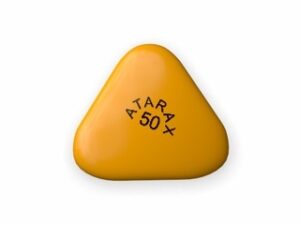
Periactin (Cyproheptadine) — Patient Guide (UK)
Periactin is a medicine containing cyproheptadine, an antihistamine used to relieve allergy symptoms and, in some situations, help manage other conditions such as appetite-related problems and certain types of itch or skin reactions. This guide explains what Periactin does, how it works, how to take it safely, and what to watch for.
| Product | Periactin (Cyproheptadine) |
|---|---|
| Active ingredient | Cyproheptadine |
| Medicinal class | First-generation antihistamine (H1 blocker) |
| Common forms | Tablets and/or oral liquid (availability may vary) |
| Typical effects | Reduces histamine-related symptoms; may increase appetite in some people |
| Common side effects | Drowsiness, dry mouth, constipation, dizziness |
How Periactin works (mechanism of action)
Cyproheptadine is an antihistamine that works mainly by blocking histamine H1 receptors. Histamine is a natural substance released during allergic reactions and can cause symptoms such as:
- itching (pruritus)
- sneezing and runny nose
- watery eyes
- skin redness or hives
In addition to H1 receptor blockade, cyproheptadine may influence other pathways involved in allergy and itch. For some people, it can also increase appetite, which is why it is sometimes used in appetite-related indications under clinical guidance.
Pharmacokinetics: how the body processes Periactin
Pharmacokinetics describe how a medicine is absorbed, distributed, metabolised, and eliminated. While exact values can vary between individuals and formulations, the general pattern for cyproheptadine is:
- Absorption: after oral dosing, cyproheptadine is absorbed through the gastrointestinal tract.
- Distribution: it can cross into tissues and may enter the brain, contributing to sedation (drowsiness).
- Metabolism: cyproheptadine is metabolised in the liver.
- Elimination: metabolites and some unchanged drug are eliminated primarily via urine.
Because it is a first-generation antihistamine, it often acts relatively quickly and can cause noticeable effects on alertness. The duration of symptom relief depends on the dose, the person, and the condition being treated.
What Periactin is used for (typical uses and indications)
Periactin (cyproheptadine) can be used for several conditions. Uses may vary depending on local prescribing practice and patient needs. Common uses include:
- Allergic conditions where antihistamine treatment helps reduce symptoms
- Itch and allergic skin reactions (for example, urticaria/hives and other allergic pruritus)
- Increased appetite in selected cases where appetite stimulation is considered appropriate
If you are using Periactin for appetite or another condition, it’s important to follow the intended plan for your situation and reassess benefits and side effects regularly.
Timing: when to take Periactin
Timing depends on your dose and how you respond. Because cyproheptadine may cause drowsiness, many people choose dosing times that fit safely with daytime activities.
- For drowsiness-sensitive patients: taking a dose in the evening may be helpful.
- For symptoms earlier in the day: some people split doses; however, this can increase total sedative exposure.
Try to take the medicine at the same times each day to maintain consistent effect. If you are unsure about timing for your specific regimen, speak to your pharmacist for tailored advice.
How to take Periactin: dosing guidance
Dosing varies by age, indication, and formulation. Always use the dose and frequency given by your healthcare professional or as stated on the product information leaflet for your specific strength.
General dosing considerations (UK patient guidance)
- Start low if you are sensitive to antihistamines or you are elderly.
- Children: dosing depends on weight and age; use the correct product form (tablet vs liquid) and strength. Only measure liquid doses with an appropriate oral syringe or measuring device.
- Older adults: may be more prone to sedation, dizziness, and constipation—lower doses or careful monitoring may be needed.
- Renal or liver impairment: cyproheptadine is metabolised in the liver; liver impairment can increase side effects. Ask a pharmacist for advice.
Do not exceed the prescribed dose. If you miss a dose, take it when you remember unless it is close to the next dose—then skip the missed dose. Do not double up.
Food interactions: can you take Periactin with meals?
Cyproheptadine may be taken with or without food. However, food may affect tolerance rather than the medicine’s core effectiveness.
- If you experience stomach discomfort or nausea, taking it with food may help.
- If it makes you sleepy, plan accordingly—some people find the combination of medicine plus a heavy meal worsens drowsiness.
Stay well hydrated, especially if constipation occurs (see safety profile).
Alcohol and medicine interactions
Alcohol
You should avoid alcohol while taking Periactin, or at least keep alcohol to an absolute minimum. Alcohol can increase sedation and impair reaction time. This increases the risk of accidents, especially when driving, operating machinery, or using tools.
Other medicines
Periactin can interact with medicines that also cause drowsiness or affect the brain and nervous system. It may also enhance anticholinergic effects (such as dry mouth or constipation).
Tell your pharmacist if you take any of the following:
- Other sedating antihistamines or cold/flu remedies that contain antihistamines
- Sleep medicines (hypnotics) or sedatives
- Opioid pain medicines (risk of increased sedation and breathing problems)
- Tranquillisers and certain anxiety medicines
- Tricyclic antidepressants and other drugs with anticholinergic properties
- Anticholinergic medicines for bladder symptoms or bowel conditions
- Medicines that affect the liver (potential to alter cyproheptadine metabolism)
Driving and using machines
Periactin may cause drowsiness, dizziness, or blurred vision, particularly at the start of treatment or when doses are increased. UK advice: do not drive if your ability is affected by the medicine. If you must drive, assess how you feel after taking the first few doses and ensure you are safe to do so.
Safety profile: side effects and who should be careful
Like all medicines, Periactin can cause side effects. Many are mild and settle as the body adjusts, but some need medical attention.
Common side effects
- Drowsiness or fatigue
- Dry mouth
- Dizziness
- Constipation
- Nausea or stomach discomfort
- Blurred vision
Less common but important effects
- Urinary retention (difficulty passing urine), especially in people prone to it
- Increased heart rate or palpitations (seek advice if persistent)
- Paradoxical excitation in some children (restlessness rather than sleepiness)
Seek urgent medical help if
- Allergic reaction such as swelling of the face/lips, severe rash, or breathing difficulty
- Severe dizziness, fainting, or confusion
- Severe constipation or severe abdominal pain
- Signs of overdose (see below)
Risk groups who need extra caution
Speak to a pharmacist before using Periactin if you have any of the following:
- Glaucoma (narrow-angle glaucoma risk)
- Prostate enlargement or difficulty urinating
- Severe constipation or bowel obstruction
- History of seizures
- Liver problems
- Elderly or frail patients (greater sensitivity to sedation)
Overdose (what to do)
Taking too much cyproheptadine can be dangerous. If you suspect an overdose—especially in children—seek urgent medical help or contact NHS 111 for advice. If someone is very unwell or not responding normally, call emergency services.
Practical use tips
Reduce drowsiness
- Start at the lowest dose recommended for your situation.
- Take doses at a time that reduces impact on daytime activities.
- Avoid alcohol and other sedating medicines.
- Be extra cautious when getting up quickly (dizziness can occur).
Manage dry mouth and constipation
- Drink water regularly.
- Maintain fibre intake and regular meals.
- If constipation occurs, consider discussing suitable options with a pharmacist.
- Seek advice if constipation is severe or you cannot pass stools/gas.
Use the correct formulation
- If you have tablets, swallow whole with water unless told otherwise.
- If you have liquid, measure accurately using an oral syringe or dosing spoon.
- Check the strength on the packaging; doses may differ between products.
Allergy awareness
Antihistamines help relieve symptoms, but they do not treat the underlying cause. If symptoms persist or worsen, reassess triggers (e.g., pollen, pets, dust mites) and talk to a healthcare professional about longer-term strategies.
Alternative options
There are multiple antihistamine choices available in the UK, including non-drowsy options (often second-generation antihistamines) and other treatments depending on the symptoms. The best alternative depends on whether you need day-time alertness, relief of skin itch, or control of specific allergy symptoms.
Common alternatives (examples)
- Second-generation antihistamines (often less sedating) for hay fever and urticaria in many adults
- Topical treatments for localised itchy skin reactions (e.g., soothing emollients, medicated creams when appropriate)
- Non-drug approaches such as allergen avoidance and symptom monitoring
If you are seeking an alternative because of drowsiness, constipation, or dry mouth, ask a pharmacist about options with a lower sedative profile. In children, choice of product and dosing must be age-appropriate.
UK market and legal context: availability and important notes
In the UK, medicines are supplied under specific regulatory and supply rules. Depending on the formulation and strength, Periactin (cyproheptadine) availability may vary between pharmacies and online services. Medicines may be provided via different routes, and eligibility depends on the medicine’s classification and local regulations.
This means:
- Availability can vary by product size, strength, and formulation.
- Online orders may require confirmation of key information before dispatch.
- Packaging and instructions must be supplied with the medicine.
Recent guidance and safety awareness (UK)
UK medicines guidance commonly emphasises the safe use of sedating antihistamines, including:
- recognising drowsiness as a key risk
- avoiding alcohol and combining with other sedating medicines
- reviewing use in children and older adults carefully
- encouraging people to seek advice if symptoms persist or side effects become problematic
Safety warnings for antihistamines can vary by product and patient group. Always check the patient information leaflet for the specific Periactin product you receive.
Delivery and availability (online pharmacy)
If Periactin is available through an online pharmacy, delivery options generally include standard and, where offered, faster services. Dispatch time can depend on stock levels and order verification.
- Stock checks: medicines may be sourced from licensed UK suppliers.
- Packaging: your order should arrive in appropriate protective packaging with patient information.
- Delivery address: ensure your delivery details are correct to avoid delays.
If you are ordering for a family member or a child, confirm the strength and formulation before use. Ask the online pharmacy customer support if anything is unclear.
FAQ — Frequently asked questions
1) Is Periactin the same as a “non-drowsy” antihistamine?
No. Periactin (cyproheptadine) is a first-generation antihistamine and is more likely to cause sleepiness and reduced alertness than many newer (second-generation) antihistamines.
2) How quickly does Periactin start working?
Many people notice symptom relief within a reasonable period after taking it. Exact timing varies. If you take your first dose, observe how you feel (especially for drowsiness) before driving or doing tasks that require full attention.
3) Can children take Periactin?
Cyproheptadine may be used in children for specific indications, but dosing must be age-appropriate and carefully measured—particularly with liquid formulations. Always follow the dose and schedule provided with your specific product and seek pharmacist advice for dosing questions.
4) What should I do if I miss a dose?
If you miss a dose, take it when you remember unless it is close to the next dose. If it’s near the next scheduled dose, skip the missed one and continue as normal. Do not take a double dose to make up for a missed tablet.
5) Can I take Periactin with food?
Yes. It can usually be taken with or without food. If you notice stomach upset, taking it with food may improve comfort.
6) Is it safe to drink alcohol while taking Periactin?
It is generally advised to avoid alcohol because it can increase drowsiness and impair reaction times.
7) Will Periactin affect appetite?
Cyproheptadine can increase appetite in some people. If you’re using it for appetite-related reasons, monitor weight change and overall wellbeing, and discuss ongoing use with a pharmacist or healthcare professional if concerns arise.
8) What side effects are most likely?
The most common include drowsiness, dry mouth, and constipation. If side effects are troublesome or severe, stop and seek advice as appropriate.
9) Can I drive after taking Periactin?
Do not drive if you feel sleepy, dizzy, or your vision is affected. Many people experience sedation, especially early in treatment, so check how you respond after the first doses.
10) Are there alternatives if Periactin makes me too sleepy?
Yes. Depending on your symptoms, a pharmacist may suggest other antihistamines or non-antihistamine options with less sedation. Choosing the right alternative depends on the condition you’re treating and your personal medical history.
Key takeaways
- Periactin (cyproheptadine) is an antihistamine that helps relieve allergy-related symptoms and itch.
- It is more likely to cause drowsiness than many newer antihistamines.
- Avoid alcohol and be cautious with other medicines that can cause sleepiness.
- Common side effects include dry mouth and constipation—stay hydrated and manage bowel regularity.
- If symptoms persist or you experience severe side effects, seek prompt advice.