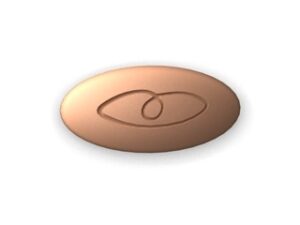
Triamcinolone (Corticosteroid) – Patient Information for the UK
Triamcinolone is a corticosteroid medicine used to reduce inflammation and calm an overactive immune response. It can be used for a range of conditions affecting the skin, eyes, joints, lungs and airways, and other body systems, depending on the form you have (for example cream, ointment, tablets, inhaler, nasal spray, or injections).
This guide explains how triamcinolone works, how it behaves in the body, what it is used for, how to take or use it safely, and what to watch for. It is written for patients in the United Kingdom and includes practical advice, alternative options, and frequently asked questions.
Basic product information
| Property | What to know |
|---|---|
| Generic name | Triamcinolone |
| Medicine class | Corticosteroid (glucocorticoid) |
| Common forms* | Tablets, inhalers, nasal sprays, topical creams/ointments, dental preparations (depending on availability), injections (typically administered in clinical settings) |
| Main benefit | Reduces inflammation and immune activity |
| Typical timeframe | Varies by condition and route (days for topical/inhaled; weeks for some long-term inflammatory conditions) |
| Key safety focus | Infection risk, skin thinning (topical), effects on eyes (steroid eye drops), blood sugar and blood pressure changes (systemic) |
*Availability and exact brand/form can differ. Always check the package leaflet and your specific product label for details.
How triamcinolone works (mechanism of action)
Triamcinolone is a synthetic glucocorticoid. It reduces inflammatory signals and limits immune responses. In practical terms, it helps to:
- Decrease inflammation by suppressing inflammatory chemicals and pathways.
- Reduce swelling and redness associated with inflammatory conditions.
- Lower immune activity in conditions where the immune system is contributing to symptoms.
- Improve symptoms such as pain, itching, wheezing, or tightness caused by inflammation.
The specific effect depends on the site of treatment and the route (skin vs inhaled vs oral/systemic vs injection).
Pharmacokinetics (how it moves through the body)
Pharmacokinetics describes absorption, distribution, metabolism, and elimination. Exact values vary by formulation and route (for example, topical vs oral vs inhaled). In general:
- Absorption: Topical triamcinolone may be absorbed through the skin, especially if applied to broken skin or under occlusion (covered areas). Inhaled and nasal forms are absorbed to a lesser degree, with a portion swallowed. Oral forms are absorbed through the digestive tract.
- Distribution: After absorption, it distributes in the body and can cross into tissues. The degree depends on the route and dose.
- Metabolism: Triamcinolone is metabolised mainly in the liver.
- Elimination: Metabolites are removed largely via the kidneys (urine) and other routes.
Because systemic exposure can occur even with some local products, safety precautions—particularly around infections and long-term use—still apply.
Typical uses of triamcinolone in the UK
Triamcinolone is used to treat inflammatory and immune-related conditions. Depending on the form, it may be used for:
- Skin conditions such as eczema/dermatitis and other steroid-responsive inflammatory skin disorders.
- Allergic and inflammatory airway conditions including asthma (inhaled forms) and allergic rhinitis (nasal forms).
- Inflammatory joint and musculoskeletal conditions where injections are considered by healthcare professionals.
- Dental and oral inflammatory conditions in specific formulations used under clinical guidance.
- Other specialist indications depending on the product and route.
Your exact indication will depend on the formulation you have. If you are unsure, check the product leaflet or ask your pharmacist.
Timing: when to use it and how quickly it works
Timing depends strongly on the route and your condition:
- Topical (cream/ointment): Often applied once or twice daily. You may see improvement within a few days, but complete control may take longer.
- Inhaled (airways): Typically used regularly to control inflammation rather than for immediate relief. Some patients notice symptom improvement within days.
- Nasal spray: Many people notice benefit within 1–3 days, with maximum benefit often after 1–2 weeks of regular use.
- Oral/systemic forms: Effects can begin quickly (hours to days), but dose changes and tapering schedules are important.
- Injections: Onset may be relatively fast, but duration varies with the condition and location treated.
Important: If you have been advised to stop the medicine, do not stop suddenly if you’ve been using systemic doses for some time. Your prescriber/pharmacist will guide tapering if needed.
How to take or use triamcinolone (dosing guidance by route)
Dosing varies widely by product type, strength, age, condition, and severity. The safest approach is to follow the instructions on your label or the patient information leaflet that comes with your specific medicine. Below is general educational guidance.
1) Topical triamcinolone (skin)
- Typical approach: Apply a thin layer to the affected area.
- Frequency: Commonly once or twice daily depending on severity and formulation.
- Duration: Use for the shortest time needed to control symptoms. Long-term continuous use can increase the risk of skin thinning and other side effects.
- Skin care tips: Wash and dry the area before applying (unless otherwise instructed). Avoid contact with eyes or broken skin.
If the treated area worsens, spreads, becomes very painful, or you develop signs of infection, stop using and seek advice from a pharmacist or GP.
2) Inhaled triamcinolone (airways)
- Regular use: Many inhaled steroids work best when taken consistently.
- Rinsing after use: If your product’s instructions recommend it, rinse your mouth or brush your teeth after inhalation to reduce the risk of mouth/throat fungal infections.
- Not for immediate relief: If you also have a reliever inhaler, use it for sudden symptoms as advised.
3) Nasal spray triamcinolone (rhinitis)
- Shake if required by the leaflet.
- Gentle technique: Use the correct spraying angle and aim slightly away from the nasal septum.
- Timing: Used daily during symptoms (or seasonally) as directed.
- Expect a delay: Improvement may take a few days.
4) Oral triamcinolone (tablets) and injections
- Oral dosing: Dose is individualised. The lowest effective dose is often used.
- Tapering: If systemic corticosteroids are used for more than a short course, tapering may be required to reduce risks of adrenal suppression.
- Injections: Usually given by healthcare professionals in a controlled setting. Your clinician will determine the dose and interval.
Food interactions
Food effects depend on the formulation. In general:
- Oral forms: Taking corticosteroid tablets with food can reduce stomach irritation for some people.
- Inhaled/nasal/topical forms: Food is less likely to directly affect absorption, though swallowing inhaled medication can occur with some inhalers.
- Grapefruit/citrus: Some corticosteroids can interact with certain liver enzymes; if you take oral triamcinolone, ask your pharmacist whether any dietary supplements or specific foods are relevant to you.
For personalised advice, review all medicines and supplements you take with your pharmacist, especially if you are on long-term systemic treatment.
Alcohol interactions
Alcohol is not always an absolute contraindication with triamcinolone, but caution is sensible:
- Infection risk: Heavy alcohol use can impair immune function, which may increase risk when on steroids.
- Stomach effects: Alcohol may increase the risk of stomach irritation and heartburn, particularly with oral corticosteroids.
- Mood and sleep: Steroids can affect mood and sleep in some people. Alcohol may worsen sleep disturbance.
If you drink alcohol, consider moderating intake and speak to your pharmacist if you have concerns—especially if you are taking tablets.
Medicine interactions
Triamcinolone can interact with other medicines, particularly with systemic forms (tablets/injections). Some interactions are more important with long-term or high-dose steroid use. Tell your pharmacist or healthcare professional about everything you take, including over-the-counter medicines and herbal products.
Examples of interaction considerations
- Anti-inflammatory painkillers (NSAIDs) such as ibuprofen or naproxen: combining may raise risk of stomach irritation/ulceration in some cases.
- Anticoagulants (blood thinners) like warfarin: steroids may affect clotting control. Monitoring (e.g., INR) may be needed.
- Diabetes medicines (insulin, metformin, and others): steroids can increase blood sugar, requiring dose adjustment.
- Vaccines: live vaccines may not be suitable during significant steroid exposure. Speak to a clinician before vaccinations.
- Enzyme inducers/inhibitors: medicines affecting liver metabolism can alter steroid levels.
- Infection-related interactions: other medicines that affect immune response can add to infection risk.
This is not a complete list. Your pharmacist can check your specific combination.
Indications (what it is used to treat)
“Indication” means the condition the medicine is intended to treat. Triamcinolone may be indicated for inflammatory and immune-related diseases. The precise indication depends on the formulation, for example:
- Topical: inflammatory skin conditions that respond to corticosteroids.
- Inhaled: to prevent asthma symptoms by controlling airway inflammation.
- Nasal: to reduce symptoms of allergic rhinitis and other steroid-responsive nasal inflammatory conditions.
- Systemic/injection: specialist-managed inflammatory conditions requiring stronger anti-inflammatory action.
Safety profile: common and serious side effects
Triamcinolone can cause side effects. The likelihood and severity depend on the dose, how long you use it, and the route of administration. Topical and inhaled medicines usually have fewer systemic effects than oral tablets or injections, but risks still exist.
Common side effects
- Topical: mild burning/stinging, skin irritation, dryness, folliculitis (small bumps).
- Inhaled: hoarseness, throat irritation, cough, oral thrush (fungal infection), especially without mouth rinsing.
- Nasal spray: nose dryness, nosebleeds, irritation.
- Oral/systemic: increased appetite, indigestion, mood changes, insomnia, fluid retention.
Serious side effects – seek urgent medical advice
Contact urgent medical care if you develop signs of serious infection or other emergencies. Be particularly vigilant if you are using systemic steroids.
- Serious infection symptoms (e.g., fever, severe sore throat, rapidly worsening symptoms).
- Allergic reaction (swelling of face/lips, severe rash, trouble breathing).
- Eye symptoms with steroid eye preparations: severe eye pain, sudden vision changes, or worsening eye redness.
- Severe stomach pain or black stools (possible gastrointestinal bleeding), particularly if you also take NSAIDs.
- Significant mood changes, confusion, or severe sleep disturbance.
Long-term risks (especially with systemic use or prolonged high-dose use)
- Infection risk due to immune suppression.
- Raised blood sugar (hyperglycaemia) and possible worsening of diabetes.
- Blood pressure changes and fluid retention.
- Weight gain and changes in fat distribution.
- Bone thinning (osteoporosis) with prolonged use.
- Adrenal suppression if systemic steroids are stopped abruptly after prolonged use.
- Skin changes with long-term topical use (thinning, stretch marks, discoloration).
Practical use tips (to improve effectiveness and safety)
- Use the right amount: For topical products, “thin layer” means exactly that—over-applying increases risk without improving results.
- Apply correctly: Wash hands before and after. Avoid eyes, mouth, and broken skin unless directed.
- Do not share: Steroid potency is specific; don’t use someone else’s medicine.
- Monitor response: If you see no improvement after the expected timeframe, seek advice rather than increasing dose on your own.
- Reduce infection risk: If you develop a suspected skin infection (spreading redness, pus, severe tenderness), get advice promptly.
- Keep records: For systemic treatments, note start date, dose changes, and any tapering schedule.
- Dental hygiene: If using an inhaled steroid, rinse and spit after each dose if recommended by the leaflet.
Stopping and missed doses
How you handle missed doses depends on the route:
- Topical: Apply when you remember, unless it’s close to the next dose. Do not double up.
- Nasal or inhaled: Follow the leaflet. If it is nearly time for the next dose, skip the missed one—do not double.
- Oral/systemic: Do not adjust or stop without guidance if you have been taking it for more than a short period. Your pharmacist can advise on what to do if you miss a dose.
If you’re unsure, contact a pharmacist for product-specific advice.
Alternative options
Alternatives depend on the condition and the form of triamcinolone. Possible options include:
- Other corticosteroids (different strengths or molecules), for example to match potency and absorption profile.
- Non-steroidal anti-inflammatory medicines (e.g., topical anti-inflammatory agents) for certain skin or joint conditions.
- In asthma and rhinitis: options may include other inhaled/nasal corticosteroids, leukotriene receptor antagonists, antihistamines, or combination therapies.
- For eczema/dermatitis: emollients and moisturisers, plus non-steroid topical immunomodulators in some cases.
- Specialist treatments: for severe inflammatory disease, clinicians may consider biologics or other long-term control medicines.
Your pharmacist can discuss suitable alternatives based on your condition and the product you currently use.
Market and legal context in the United Kingdom
Triamcinolone is a regulated medicine in the UK. Depending on the strength and formulation, it may be classified as a prescription-only medicine or may be available under specific arrangements. Online pharmacies will provide medicines in line with UK regulations, with checks for safe supply such as eligibility and medicine interactions.
In the UK, medicine information and safety updates are supported by official guidance and regulation. Healthcare professionals often follow evidence-based guidelines from UK and international bodies. This helps ensure consistent use, appropriate dosing, and appropriate monitoring.
Recent guidance and important safety messages (UK-relevant)
Recent UK-wide safety priorities for corticosteroids focus on:
- Appropriate use (using the lowest effective dose for the shortest duration where possible).
- Infection vigilance (seek advice if infection symptoms occur, particularly in systemic use).
- Correct inhaler technique and rinsing after inhaled steroids to reduce thrush risk.
- Eye safety where relevant (steroid eye preparations require attention to eye pressure and monitoring where prescribed).
- Vaccination planning for people on long-term systemic steroids.
Guidance can vary by condition. If you are unsure how these apply to you, ask your pharmacist.
Delivery and availability (UK)
Delivery availability can vary by product type and supplier. Many medicines are dispatched quickly once your order is confirmed and processed. For some products, additional eligibility checks may be required before despatch.
- Availability: Triamcinolone products may be available in different forms depending on demand and stock.
- Delivery times: Standard delivery times vary by location; express options may be available for selected products.
- Packaging: Medicines are supplied in manufacturer packaging where possible to help you verify the label and strength.
If a product is temporarily unavailable, you may be offered an alternative option or a restock date.
FAQ
What is triamcinolone used for?
Triamcinolone is a corticosteroid used to treat inflammation and immune-driven conditions. Depending on the form, it can be used for certain skin conditions, asthma control, allergic rhinitis, and specialist inflammatory problems (including injections).
How fast will it work?
It varies by route and condition. Topical skin symptoms may improve within a few days. Nasal symptoms often improve within days, with maximum benefit taking longer. Inhaled steroids help control airway inflammation over days. Injections may act quickly, but the duration depends on the condition.
Can I use triamcinolone long-term?
It depends on the condition and route. Long-term use of topical steroids should generally be avoided unless specifically advised, due to skin thinning risks. Systemic (oral/injection) use also carries important long-term risks and should be managed with appropriate monitoring and tapering plans when stopping.
Is triamcinolone safe for children?
Many corticosteroids are used in children when appropriate, but dosing and safety depend on age, weight, condition, and formulation. Speak to a healthcare professional or pharmacist for age-appropriate guidance.
What should I avoid while using triamcinolone?
Avoid applying topical steroid to the eyes, genital area, or broken/infected skin unless instructed. If you develop signs of infection, contact your pharmacist promptly. Follow advice about vaccines if you are on significant steroid exposure (especially oral/systemic).
Will triamcinolone affect my immunity?
Corticosteroids can suppress parts of the immune response, which may increase susceptibility to infections. Risk is greater with higher doses and systemic treatment, but infections can still occur with local steroids.
Can I drink alcohol with triamcinolone?
Moderate alcohol may be acceptable for some people, but caution is recommended—especially with tablets—because alcohol can worsen stomach irritation and may affect infection resilience and sleep. If you have liver disease or take other interacting medicines, ask your pharmacist.
What if I miss a dose?
For topical, nasal, or inhaled use, do not double up—follow the patient leaflet guidance. For systemic treatments, contact a pharmacist for advice, particularly if you have missed more than one dose.
Are there alternatives if I cannot use triamcinolone?
Yes. Alternatives may include other corticosteroids, non-steroidal anti-inflammatory treatments, emollients for eczema, antihistamines for allergic symptoms, or other long-term controller medicines depending on your condition.
When should I contact a doctor urgently?
Seek urgent advice if you develop severe infection symptoms (high fever, severe pain, rapidly worsening condition), signs of an allergic reaction (swelling, trouble breathing), or severe eye symptoms (pain or sudden vision changes if using steroid eye preparations).
Summary
Triamcinolone is a corticosteroid medicine that reduces inflammation across a range of conditions. By understanding how it works, using it correctly, and recognising potential side effects—particularly around infections and long-term risks—you can get the best benefit while staying safe.
If you have questions about your specific form of triamcinolone, dosing instructions, or interactions with other medicines, speak to your pharmacist.