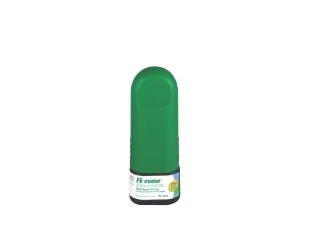
Flonase Nasal Spray (Fluticasone) – Patient Guide (UK)
Flonase Nasal Spray contains fluticasone, a corticosteroid medicine used in the treatment of conditions that cause nasal inflammation and associated symptoms such as a blocked nose, sneezing, itching and runny nose. This guide explains how the spray works, how to use it effectively, safety information, and practical considerations for patients in the United Kingdom.
Always read the patient information leaflet that comes with your medicine. If you are unsure whether this product is right for you, speak to a pharmacist or healthcare professional.
1. Basic product information
- Medicine name: Flonase Nasal Spray
- Active ingredient: Fluticasone (corticosteroid)
- Type: Nasal spray (intranasal)
- Common uses: Hay fever (allergic rhinitis) and other inflammatory nasal conditions
- Available forms: Metered-dose nasal spray
In the UK, branded and generic fluticasone nasal sprays may be available. Strength and dosing can vary by product and age group, so always check the label and leaflet for your specific bottle.
2. How Flonase Nasal Spray works (mechanism of action)
Flonase (fluticasone) is an intranasal corticosteroid. It works mainly by reducing inflammation within the nasal passages. Allergic reactions and non-allergic nasal inflammation involve swelling of the lining of the nose and release of inflammatory chemicals.
Fluticasone helps to:
- Reduce inflammation in the nose
- Lower the release and effects of inflammatory substances
- Improve symptoms such as congestion (blocked nose), runny nose, sneezing, and itching
Unlike quick-relief decongestant sprays, corticosteroid sprays build effect gradually. Many people start to feel some relief within the first few days, with full effect often taking several days up to 1–2 weeks.
3. Pharmacokinetics (how the body handles fluticasone)
Flonase is designed for local action in the nasal lining. After spraying, only a portion is absorbed into the bloodstream; most of the medicine acts locally.
- Absorption: Minimal systemic absorption from the nasal cavity.
- Metabolism: If absorbed, fluticasone is extensively metabolised in the liver (primarily via CYP3A4).
- Elimination: Metabolites are cleared mainly through the bile and faeces.
- Local versus systemic effects: The goal is to achieve anti-inflammatory action in the nose with low overall exposure.
Individual response varies. If you have other medical conditions or take interacting medicines, discuss suitability with a pharmacist.
4. Typical uses and indications (UK)
Flonase Nasal Spray is used for conditions where reducing nasal inflammation improves symptoms. The most common indication in the UK is:
- Allergic rhinitis (hay fever): symptoms including nasal blockage, sneezing, itching and watery/runny nose.
- Non-infectious nasal inflammation may also be treated depending on product strength and clinical guidance.
It may help both seasonal and perennial symptoms (such as those triggered by pollen, dust mite, or other allergens), depending on your diagnosis and clinician advice.
5. Timing and how quickly it works
Fluticasone nasal spray works best when used regularly, not only when symptoms are at their worst. Timing depends on your symptoms and the product’s recommended schedule.
- Best effect: With consistent daily use
- Initial relief: Often within the first few days
- Full benefit: Commonly after 1–2 weeks for maximum symptom control
- Seasonal hay fever: Many people start a little before the expected season if advised (or as symptoms begin).
If symptoms do not improve after a reasonable trial (commonly around 1–2 weeks), seek advice from a pharmacist or healthcare professional.
6. Dosing (general UK patient guidance)
Dosing can vary by age, product strength and indication. Always follow the instructions on your pack label or the patient leaflet. The examples below reflect typical adult and adolescent use for fluticasone nasal spray products.
| Age group | Typical starting schedule | How to adjust |
|---|---|---|
| Adults | Often 1–2 sprays in each nostril once daily (depending on product strength) | May be adjusted to the lowest dose that controls symptoms |
| Adolescents | Often similar to adults for the relevant licensed product (follow label) | Use only as directed for age and indication |
| Children | Lower dose schedules may apply (follow the child-specific instructions) | Always confirm the correct strength and age-appropriate dosing |
Important: If you are using Flonase in children, ensure you have the appropriate formulation/strength and dosing instructions. Do not assume dosing is the same across different fluticasone products.
7. Practical use tips (how to administer correctly)
Correct technique helps you get the medicine to the right area in the nose and improves effectiveness. Follow the steps below each time you use the spray.
Before you start
- Gently blow your nose to clear mucus.
- Wash hands.
- Check the nozzle for blockages and keep the bottle upright.
Using the spray
- Remove the protective cap and shake the bottle if directed by the leaflet.
- If it is the first use or the spray has not been used for some time, prime it by releasing a few test sprays into the air, following the leaflet instructions.
- Tilt your head slightly forward.
- Breathe in gently through your nose. Insert the nozzle into one nostril (aim slightly outwards, not towards the middle of the nose).
- Press the pump once while breathing in, then remove the nozzle and breathe out through the mouth.
- Repeat in the other nostril if your dose requires it.
After use
- Wipe the nozzle with a clean tissue and replace the cap.
- Do not blow your nose immediately after using the spray (if possible).
- If your nozzle becomes blocked, clean it according to the leaflet (typically with warm water, not sharp objects).
Common issues and solutions
- Bad taste or medicine running down the throat: this can happen if the nozzle is aimed too far inward or your head is tilted too far back. Aim slightly outwards and keep your head slightly forward.
- Stinging or irritation: may settle as you continue using correct technique; saline rinses may help some people.
- Epistaxis (nosebleeds): see the safety section. Use gentle technique and avoid overuse.
8. Food interactions
Flonase is administered into the nose, so direct food interactions are unlikely. You can generally take it with or without food.
However, if you experience a sensation of medicine draining into your throat, it may affect taste. This is not usually related to food intake.
9. Alcohol interactions
There is no specific, direct interaction between fluticasone nasal spray and alcohol that is commonly highlighted for this type of medicine. That said, if you become unwell, worsen congestion, or develop breathing issues, seek medical advice.
If you use other medicines (especially those affecting liver metabolism), alcohol could indirectly affect your overall health and medication tolerance. Discuss concerns with a pharmacist if you have liver disease or take multiple medicines.
10. Medicine interactions (important)
Fluticasone is metabolised primarily by CYP3A4. Some medicines that strongly affect this pathway can change blood levels of fluticasone. Because systemic absorption from the nose is low, interactions are less common than with oral corticosteroids, but they can still be clinically relevant.
Medicines to be particularly careful with
- Strong CYP3A4 inhibitors (e.g., certain antifungals and some antiviral medicines) may increase fluticasone exposure.
- Other corticosteroid medicines (by mouth, injection, or inhalation) may increase overall steroid exposure.
- Ritonavir-containing products and similar potent inhibitors may be relevant for some patients.
What to do
- Tell your pharmacist about all medicines you use, including over-the-counter products.
- Be especially careful if you take medicines for fungal infections or certain viral infections.
- If you have any symptoms of excessive steroid effect (rare with nasal use), seek advice promptly.
11. Safety profile and side effects
Most people tolerate fluticasone nasal spray well when used as directed. Common side effects are usually mild and improve with correct technique.
Common side effects
- Nose dryness or irritation
- Headache
- Sneezing soon after administration
- Unpleasant taste or smell
- Nosebleeds (epistaxis)
Less common / seek advice
- Persistent or heavy nosebleeds
- Severe throat irritation
- Signs of allergy to the medicine (rash, swelling, breathing difficulty)
When to stop and seek urgent help
Contact urgent medical services if you experience symptoms such as severe breathing difficulties, swelling of the face/lips/tongue, or severe allergic reaction.
Long-term use considerations
If used over long periods, clinicians may monitor symptom control and side effects. With proper use, nasal corticosteroids are generally considered effective and relatively safe. Tell your healthcare professional if you have glaucoma, cataracts, or a history of recurrent infections—particularly if you also use other steroid medicines.
12. Precautions and special situations
- Nose ulcers or recent nasal surgery: ask a pharmacist/clinician before using, as irritation may worsen healing.
- Frequent infections in the nose: corticosteroids can affect local immune responses, so seek advice.
- Eye conditions (glaucoma, cataracts): if you already have these, discuss with a pharmacist.
- Pregnancy and breastfeeding: use only as advised by a clinician after risk–benefit discussion.
- Children: growth monitoring may be discussed by healthcare professionals if long-term steroid exposure is expected.
13. Practical tips for better results
- Use daily during symptom seasons: consistency improves control.
- Clear mucus first: gently blow your nose before spraying.
- Technique matters: aim slightly outwards and keep your head slightly forward.
- Avoid double dosing: if you miss a dose, follow the leaflet guidance; do not take extra doses to “catch up” without advice.
- Don’t share: nasal sprays are personal items to reduce infection risk.
- Check expiry: expired sprays may be less effective or irritate the nose.
- Consider triggers: reducing allergen exposure (dust mite control, pollen management) can help symptoms.
14. Alternative options (other treatments for rhinitis)
Depending on your symptoms, there are several alternative or complementary treatments. A pharmacist can help you choose an option that fits your needs and other conditions.
Non-steroidal options
- Antihistamine tablets (for sneezing and runny nose)
- Antihistamine nasal sprays (may provide quicker relief for some allergy symptoms)
- Oral decongestants or short-term topical decongestant sprays (generally limited duration to avoid rebound congestion)
Different steroid options
- Other intranasal corticosteroids may be available (e.g., mometasone, budesonide), depending on availability and suitability.
Supportive measures
- Saline nasal rinses or sprays to moisturise and clear mucus
- Allergen avoidance where possible
If symptoms are severe, persistent, or you also have asthma symptoms, seek advice to ensure the right long-term plan.
15. UK market and legal context (what to expect)
In the United Kingdom, medicines are regulated by the Medicines and Healthcare products Regulatory Agency (MHRA) and supplied according to marketing authorisation, classification, and legal category. Intranasal corticosteroids such as fluticasone are widely used for rhinitis symptoms.
Availability may vary between pharmacies and online retailers, and product presentations (including dosing and age indications) may differ between brands and strengths. Always choose the correct product for your age group and condition.
For best safety practice, confirm:
- Strength on the pack (micrograms per spray)
- Age suitability
- Correct dosing instructions for your product
- Expiry date
16. Recent guidance (general best-practice for rhinitis management)
Clinical guidance over recent years has consistently supported the role of intranasal corticosteroids as a cornerstone for controlling moderate-to-severe allergic rhinitis, particularly when nasal blockage is prominent. Key themes include:
- Regular use of nasal steroids for the best effect rather than intermittent dosing
- Correct administration technique to reduce side effects and improve symptom control
- Reviewing symptoms after an appropriate trial period if relief is not adequate
- Considering comorbidities such as asthma, recurrent sinus issues, or chronic nasal inflammation
If your symptoms are not controlled, or you have frequent nosebleeds or persistent irritation, seek advice rather than simply continuing without review.
17. Delivery and availability (online pharmacy in the UK)
Flonase Nasal Spray may be available from online pharmacies and selected high-street pharmacies in the UK, subject to stock and product range. Delivery options and timeframes vary by retailer.
- Availability: commonly stocked, but supply can change
- Dispatch: typically processed on working days (check retailer information)
- Packaging: medicines are usually delivered in protective packaging to prevent damage
- Cold-chain: not typically required for nasal sprays unless otherwise specified for a particular product
When ordering, verify the product strength and confirm it matches your intended use (adult/child and symptom type).
18. Flonase Nasal Spray FAQ
How long does it take for Flonase to work?
Some people notice improvement within a few days, but full benefit often takes 1–2 weeks with regular daily use.
What is the correct time of day to use it?
Many people use it once daily at a time that suits their routine (often morning or evening). Try to use it consistently at the same time each day.
What should I do if I miss a dose?
Use it when you remember unless it is close to the time for the next dose. Do not double up. Refer to your leaflet for specific advice for your product.
Can I use it with other allergy medicines?
Often yes, but it depends on which medicines you take. For example, some patients use an antihistamine tablet alongside a nasal steroid. If you are unsure, ask a pharmacist, especially if you take multiple medicines.
Can I use Flonase if I have a nosebleed?
Mild nosebleeds can occur. If you get nosebleeds, stop and seek advice if they are persistent, heavy, or frequent. Use gentle technique and avoid picking or aggressive nose blowing.
Will Flonase cause dependence like decongestant sprays?
Intranasal corticosteroids do not work like “rebound congestion” decongestants. However, if your symptoms worsen, review the diagnosis and technique with a pharmacist or clinician.
Is it safe to use long-term?
Many people use intranasal corticosteroids long-term when needed, under guidance. Discuss long-term use if symptoms persist or if you have conditions like glaucoma or cataracts, or you use other steroid medicines.
Can children use Flonase?
Some fluticasone nasal spray products are suitable for children, but the dose and age eligibility depend on the specific formulation. Use the child-appropriate product and follow dosing instructions exactly.
Will it interact with medicines for fungal or viral infections?
Potential interactions can occur because fluticasone is metabolised by CYP3A4. Strong inhibitors (commonly certain antifungals and some antivirals) may increase fluticasone levels. Tell your pharmacist what you take before starting.
Do I need to avoid alcohol?
There is no well-known direct alcohol interaction for fluticasone nasal spray. If you have concerns or take other interacting medicines, seek advice from a pharmacist.
Where should I aim the spray to reduce side effects?
Aim the nozzle slightly outwards (away from the centre of the nose). Keep your head slightly forward to reduce medicine draining into the throat.
Key takeaways
- Flonase Nasal Spray (fluticasone) reduces nasal inflammation to relieve rhinitis symptoms.
- Use it regularly; expect improvement within days and full benefit in 1–2 weeks.
- Correct technique and consistent dosing improve results and may reduce side effects.
- Side effects are usually mild, but seek advice for persistent nosebleeds, severe irritation, or allergy symptoms.
- Check for medicine interactions, especially with strong CYP3A4 inhibitors and other steroid therapies.
If you have any concerns about your symptoms or how to use your spray, speak to a pharmacist.