
Fexofenadine (Non-Drowsy Antihistamine) — Patient Guide (UK)
Fexofenadine is a widely used antihistamine for relief of allergy symptoms such as sneezing, runny nose, itching, and watery eyes. It is often chosen because it is generally considered less likely to cause drowsiness than older antihistamines. This guide explains how it works, how to take it, what to expect, and important safety information for people in the United Kingdom.
1) Basic product information
| Category | Details |
|---|---|
| Active ingredient | Fexofenadine |
| Medicinal type | Antihistamine (second-generation; H1 receptor antagonist) |
| Common strengths | Often 120 mg or 180 mg tablets (strength may vary by brand/product) |
| Typical dosing frequency | Once daily for many formulations (depending on dose/age) |
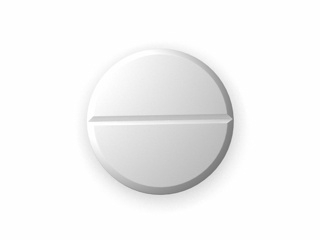
| Common forms | Tablets; some markets also have oral suspensions for children (availability varies) |
| How it’s used | For allergy symptoms affecting the nose/eyes, and for certain skin symptoms (e.g., hives) |
Note: Always check the specific product packaging for the exact strength and instructions for your age group and condition.
2) How fexofenadine works (mechanism of action)
Fexofenadine blocks histamine H1 receptors in the body. Histamine is a chemical released during allergic reactions. When histamine binds to H1 receptors, it can cause symptoms such as:
- sneezing
- itchy nose or eyes
- runny nose
- watery eyes
- itching and raised, red skin welts in allergic-type reactions
By preventing histamine from activating these receptors, fexofenadine helps reduce or prevent symptoms.
Because it is a second-generation antihistamine, it has relatively less penetration into the brain compared with some older antihistamines, which is why drowsiness is often less pronounced.
3) Pharmacokinetics (how the body handles it)
Pharmacokinetics describes what the body does to a medicine. For fexofenadine:
- Absorption: It is absorbed from the gut after you take it. Absorption can be reduced by certain foods and drinks, especially fruit juices.
- Distribution: It circulates in the bloodstream and acts on H1 receptors.
- Metabolism: Fexofenadine is not heavily metabolised. Much of it is excreted in the body.
- Elimination: It is mainly removed from the body through the kidneys and bile pathways.
- Onset of action: Many people begin to feel symptom relief within the first few hours, with effects often improving over time.
Practical takeaway: Taking it as directed and avoiding interactions (notably fruit juices) can help you get the best effect.
4) Typical uses in the UK
Fexofenadine is used to relieve symptoms caused by allergies, including:
- Hay fever (allergic rhinitis): sneezing, runny nose, itchy nose, and watery/itchy eyes
- Allergy-related skin symptoms such as urticaria (hives) in some products/indications
Depending on the specific product and its licence, it may be indicated for particular ages and types of symptoms. Check the leaflet supplied with your medicine.
5) Timing: when to take fexofenadine and how long it takes to work
When to take it depends on your formulation (e.g., 120 mg vs 180 mg) and your condition. In general:
- Once daily dosing is commonly used for fexofenadine products, particularly for hay fever and certain skin symptoms.
- Take it at about the same time each day to maintain steady symptom control.
How quickly it works: Symptoms typically start improving within a few hours. For ongoing exposure (e.g., pollen seasons), regular daily use can provide more consistent control.
How long you may need it: During allergy seasons, it’s often taken throughout the period you’re exposed to triggers. If your symptoms resolve, you can usually stop when you no longer need relief—unless your clinician/pharmacist advised otherwise.
6) Food interactions: fruit juices and what to avoid
Food and drink can affect fexofenadine absorption. The most important interaction for many people is with fruit juices.
- Avoid or limit fruit juices close to your dose—particularly grapefruit and orange juice (and sometimes apple or other fruit juices depending on product/clinically relevant data).
- Water is usually the best choice to take fexofenadine with.
Practical guidance: If you use fruit juice regularly, consider taking fexofenadine with water and spacing doses away from juice intake (for example, at least a few hours). Always follow the specific advice in your patient leaflet.
Food: Taking with meals may be acceptable for many people, but consistent routine helps. If you notice reduced effectiveness, try taking it with water and at a consistent time daily.
7) Alcohol interactions and driving/operating machinery
Fexofenadine is generally considered less sedating than older antihistamines. That said, reactions can vary between individuals.
- Alcohol: There’s no strong, universal alcohol-specific contraindication for fexofenadine in typical use, but drinking alcohol can still worsen tiredness or impair attention.
- Driving: If you feel drowsy or unusually alert in any way, avoid driving or using machinery.
Tip: On your first days using fexofenadine, be cautious with alcohol and tasks that require concentration until you know how you personally respond.
8) Indications and who it may help
Fexofenadine is intended to relieve allergy symptoms, including:
- Allergic rhinitis (hay fever): nasal symptoms and itchy/watery eyes
- Urticaria (hives): itching and raised welts (depending on the licensed product and age group)
Allergy symptom note: Antihistamines can help with symptoms, but they don’t remove the cause of allergies. Reducing exposure to triggers (like pollen) can improve overall control.
9) Dosing: typical adult and child guidance (UK)
Dose depends on the product strength and the person’s age and condition. Because products vary, always follow the instructions in the leaflet for your specific fexofenadine product.
Common dosing patterns (examples)
- Adults and children (older age groups): often once daily at either 120 mg or 180 mg, depending on product and indication.
- Children: may use lower strengths or weight/age-based dosing; an oral suspension may be used in some products (availability varies in the UK).
Do not exceed the recommended dose. If symptoms do not improve after several days of consistent use during an allergy flare, consider speaking with a pharmacist for advice on whether to adjust your approach or switch options.
How to take it
- Swallow tablets with water.
- Take at the same time each day when using for ongoing symptoms.
- If you miss a dose, take it when you remember unless it’s nearly time for the next dose. Don’t take two doses together.
10) Safety profile: side effects, warnings, and when to seek help
Most people take fexofenadine without problems. However, like all medicines, it may cause side effects.
Common side effects
- Headache
- Dizziness
- Nausea or stomach discomfort
- Dry mouth
Less common or serious reactions (seek medical advice urgently)
Stop and get urgent help if you experience signs of a serious allergy to the medicine, such as:
- swelling of the face, lips, tongue, or throat
- difficulty breathing or wheezing
- severe rash, blistering, or widespread skin reactions
Special populations
- Kidney problems: because fexofenadine is removed partly via the kidneys, some people with reduced kidney function may need dose adjustment. Ask a pharmacist or clinician for tailored advice.
- Pregnancy and breastfeeding: medicines should be chosen carefully during pregnancy or breastfeeding. Discuss with a pharmacist or healthcare professional to weigh benefits and risks.
- Children: dosing depends on age and formulation. Use only the product strength and age instructions on the label.
Important practical warnings
- Do not take with fruit juices close to your dose, as absorption may be reduced.
- Check drug labels to avoid accidentally doubling up with other “allergy” medicines that may contain antihistamines.
- If you experience persistent symptoms, severe symptoms, or symptoms affecting your breathing, seek medical advice promptly.
11) Practical use tips for best results
- Use a consistent routine: take it at the same time each day during periods of exposure (e.g., pollen season).
- Take with water: swallow with water rather than fruit juice.
- Manage other allergy triggers: consider staying indoors during peak pollen, using sunglasses, and keeping windows closed when pollen counts are high.
- Consider combination approaches: for some people, adding nasal saline rinses or using appropriate nasal sprays (where suitable) can improve symptom control.
- Track what works: if symptoms persist, note timing (morning vs evening) and triggers, and speak with a pharmacist about alternatives.
12) Alternative options (if fexofenadine isn’t right for you)
If your symptoms aren’t adequately controlled, or if you experience side effects, options may include:
Other antihistamines
- Loratadine (second-generation)
- Cetirizine (second-generation; may cause drowsiness in some people)
- Levocetirizine (second-generation)
- Desloratadine (second-generation)
Non-medicine and supportive measures
- Allergen avoidance: reduce exposure to pollen, dust mites, and pet dander where relevant.
- Nasal saline rinses: may soothe nasal symptoms.
- Eye comfort strategies: lubricating eye drops and reducing rubbing.
Prescription or specialist options (where appropriate)
For persistent allergic symptoms, especially severe hay fever, clinicians may consider other treatments such as intranasal corticosteroids or other targeted therapies. A pharmacist can help direct you to the most appropriate over-the-counter option first.
13) Alcohol and medicine interactions (including common questions)
Fexofenadine can interact with some medicines and with certain foods/drinks. The most relevant points for everyday use are:
- Fruit juice interactions: can reduce absorption (commonly grapefruit and orange juice).
- Antacids and mineral supplements: some products containing certain minerals (e.g., magnesium or aluminium) may affect absorption for some people. If you take these, space them away from your fexofenadine dose and seek pharmacist advice.
- Other antihistamines: avoid taking multiple antihistamines at once unless advised, to reduce the risk of side effects.
- Alcohol: although fexofenadine is less likely to cause drowsiness, alcohol can still impair alertness. Use caution.
Always check your medicines list (including over-the-counter products) with a pharmacist if you’re unsure about interactions.
14) Market and legal context in the UK
In the United Kingdom, antihistamines such as fexofenadine are widely available through pharmacies and other regulated retail channels. Availability and classification can vary by formulation and strength.
- Regulated supply: Medicines sold in the UK are required to meet regulatory standards.
- Patient information: Each product should include a patient information leaflet with instructions on dose, warnings, and side effects.
- Pharmacist advice: Pharmacists can provide guidance on suitability for your symptoms and help ensure you use the correct product and dose.
Online pharmacy note: When buying online, confirm that the product is from a reputable UK-licensed supplier and that the label and leaflet match the medicine and strength you expect.
15) Recent guidance and best-practice approach (UK context)
In recent allergy management practice in the UK, health guidance often emphasises:
- Early and consistent symptom control during allergy seasons for better outcomes.
- Using the right symptom-targeting option (e.g., antihistamines for itch/sneeze; nasal sprays for nasal inflammation when suitable).
- Correct technique and adherence (taking doses as directed and avoiding known absorption-reducing interactions such as certain fruit juices).
- Safety monitoring for side effects and avoiding duplicate therapy with other antihistamines.
If you have persistent symptoms, recurrent symptoms, or symptoms that worsen despite use, it may be worth discussing with a pharmacist or GP to ensure you’re treating the correct condition.
16) Delivery and availability in the United Kingdom
Fexofenadine is commonly stocked by UK pharmacies and may be available online in different pack sizes (depending on brand and supply).
- Availability: Typically available during allergy seasons as well as throughout the year.
- Delivery: Delivery options vary by online pharmacy (standard, next-day, etc.). Check the shipping section on the product page at checkout.
- Packaging: Medicines are usually dispatched in secure tamper-evident packaging with patient leaflet included.
Storage: Keep tablets in a cool, dry place, away from direct sunlight, and store out of reach of children. Follow the specific storage instructions on the packaging.
17) FAQ — Common questions about fexofenadine
How quickly does fexofenadine work?
Many people notice improvement within a few hours. For best control during allergy exposure, taking it regularly once daily as directed is often helpful.
Will fexofenadine make me sleepy?
Fexofenadine is generally considered less likely to cause drowsiness than older antihistamines. However, individual responses vary. If you feel unusual tiredness, avoid driving or operating machinery.
Can I take fexofenadine with fruit juice?
It’s best to avoid fruit juices—especially grapefruit and orange juice—close to your dose, because they may reduce how well the medicine is absorbed. Water is usually the safest choice.
Can I drink alcohol while taking fexofenadine?
Many people can drink alcohol without major problems, but alcohol can still affect your alertness. Use caution and stop alcohol if you feel any tiredness or impairment.
What if I miss a dose?
Take it when you remember unless it’s nearly time for your next dose. Do not take a double dose to make up for a missed one.
What symptoms is it used for?
It’s commonly used for hay fever symptoms (allergic rhinitis) and for itchy hives/urticaria in certain licensed products. Check your specific product leaflet for exact indications.
Can I use fexofenadine for long periods during pollen season?
Many people use it during the time they are exposed to triggers. If symptoms persist despite consistent use or you need it for extended periods, it’s sensible to speak with a pharmacist for review and alternative strategies.
Is fexofenadine suitable for children?
Some fexofenadine products are suitable for children, but dosing and age limits depend on the specific medicine. Always use the product and strength indicated for your child’s age, and follow the leaflet carefully.
Who should be extra careful?
People with kidney problems, pregnant or breastfeeding individuals, and those taking multiple medicines should ask a pharmacist for advice to ensure suitability and safe dosing.
What should I do if symptoms get worse or I develop breathing problems?
If you experience severe allergic symptoms, swelling, wheezing, or breathing difficulty, seek urgent medical help. Persistent or worsening symptoms should also be reviewed promptly.
Summary
Fexofenadine is a modern, second-generation antihistamine used in the UK to relieve symptoms of allergic conditions such as hay fever and hives (depending on product indication). It works by blocking histamine at H1 receptors, helping reduce sneezing, itching, runny nose, and watery eyes. For best results, take it consistently, use water rather than fruit juice, and be mindful of any side effects or interactions.
Always read the patient leaflet supplied with your specific product for dosing instructions, suitability, and warnings. If you’re unsure which option is right for your symptoms, a pharmacist can help you choose the safest, most effective approach.