Cyproterone acetate + Ethinylestradiol (Combined Hormonal Tablet) – Patient Information (UK)
Cyproterone acetate and ethinylestradiol is a combined hormonal medicine used to treat hormone-related conditions in people assigned female at birth and, in some formulations, to provide contraceptive benefit. It contains:
- Cyproterone acetate – a progestogen with anti-androgen (anti-male hormone) activity
- Ethinylestradiol – an oestrogen
This page explains how the medicine works, how it is used, and key safety considerations. It is written for general patient information in the United Kingdom.
Basic product information
| Feature | Information |
|---|---|
| Active ingredients | Cyproterone acetate + Ethinylestradiol |
| Medicine type | Combined hormonal therapy (oestrogen + anti-androgen progestogen) |
| Common uses | Acne and hair-related symptoms due to androgen excess; sometimes contraception depending on product |
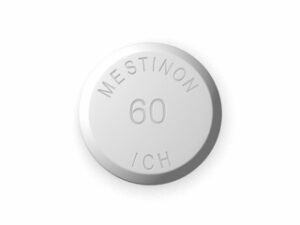
| Dosage form | Oral tablet (strength varies by brand) |
| Brand names | May vary. Check your pack for exact brand and strength. |
How it works (mechanism of action)
Cyproterone acetate and ethinylestradiol work together to reduce the effects of androgens (sometimes called “male hormones”). Androgens can contribute to conditions such as acne and unwanted facial/body hair growth.
- Anti-androgen effect (cyproterone acetate): Cyproterone acetate blocks androgen receptors and reduces androgen activity in target tissues. This can help improve androgen-related skin and hair symptoms.
- Hormonal control (ethinylestradiol): Ethinylestradiol helps regulate the hormonal cycle and can reduce ovarian androgen production. It also increases a protein (sex hormone-binding globulin) that binds free androgens, lowering their activity.
- Combined effect: Together, the medicines reduce androgen-driven symptoms and, for some combined pill products, can also prevent ovulation.
Pharmacokinetics (how the body handles the medicines)
Pharmacokinetics describes how the body absorbs, distributes, metabolises, and eliminates these hormones. While individual results vary, the general patterns are:
- Absorption: Both components are absorbed after oral administration. Peak levels typically occur a few hours after taking a dose (timing can vary by formulation).
- Distribution: Ethinylestradiol binds to plasma proteins, including sex hormone-binding globulin. Cyproterone acetate also binds extensively to plasma proteins.
- Metabolism: Both medicines are metabolised mainly by the liver via enzyme systems (including CYP pathways).
- Elimination: Metabolites are cleared through bile and urine. Half-life may differ between components and between people.
Practical takeaway: because these are hormonal medicines with ongoing metabolism, taking tablets consistently at the same time each day helps maintain stable hormone levels.
Typical uses in the UK
The exact licensed indications depend on the specific brand and dose. In the UK, cyproterone acetate combined with ethinylestradiol is commonly used for:
- Acne (often moderate to severe) and related androgen-driven skin problems, particularly where there is evidence of androgen excess.
- Unwanted hair growth (hirsutism) due to androgen excess, in appropriate individuals.
- Other conditions where anti-androgen therapy is clinically appropriate and where benefits outweigh risks.
- Contraceptive effect may be an outcome for some combined hormonal pill products (confirm with your specific pack/doctor/pharmacist).
If your main reason is skin or hair symptoms, you should still consider contraception protection and pregnancy avoidance—especially because improvements can take time.
When to take it (timing and routine)
Most combined hormonal tablets are taken once daily, following a specific schedule (often 21 days active, then a break, or continuous regimens depending on the product). Always follow the instructions on your pack.
Starting the medicine
- Begin on the day advised by your prescriber/pharmacist or according to the pack instructions.
- If you are using it for contraception, effective protection may depend on start day. Your healthcare professional can advise whether additional contraception is needed initially.
Taking daily
- Take the tablet at the same time each day to help maintain consistent hormone levels.
- If you miss a dose, refer to the pack leaflet or speak to a pharmacist—missed-dose advice depends on how many pills were missed and the specific schedule.
How long before it helps?
Improvement in androgen-related symptoms usually takes time:
- Acne: often begins improving after several weeks; fuller benefit may take 3–6 months.
- Hirsutism: hair growth changes are slower; improvements may take 6–12 months (sometimes longer).
If you stop early, benefits may fade and symptoms can return.
Food interactions
In general, food does not significantly affect how these hormones are absorbed for most people. You can usually take the tablet with or without food.
- If you have a sensitive stomach, taking it with food may reduce nausea.
- If you vomit within a few hours of taking a tablet, absorption may be reduced—ask your pharmacist for advice on whether to take another tablet.
Alcohol and medicine interactions
Moderate alcohol intake is not usually considered a direct interaction with cyproterone acetate/ethinylestradiol. However, alcohol may increase certain risks indirectly (for example, by worsening nausea or adherence).
- Adherence: Heavy drinking can lead to missed doses.
- Liver considerations: Because the medicines are processed by the liver, avoid excessive alcohol and seek advice if you have liver disease.
If you plan to drink heavily, are experiencing liver symptoms (such as unusual fatigue, yellowing of the skin/eyes, dark urine), or have any past liver problems, speak to a healthcare professional.
Indications and suitability
Cyproterone acetate plus ethinylestradiol is intended for people who meet the clinical criteria for androgen-related symptoms and in whom treatment is appropriate. Suitability depends on individual risk factors for hormonal medicines, particularly blood clots.
Who should be careful or may not be suitable
You should seek medical advice before starting or continuing if you have (or have had) any of the following:
- History of blood clots (deep vein thrombosis, pulmonary embolism) or certain clotting disorders
- Known cardiovascular risk (for example, some forms of heart disease)
- Stroke or transient ischaemic attack history
- Migraine with aura (especially if you have other clot risk factors)
- Very high blood pressure or uncontrolled hypertension
- Diabetes with vascular disease or long-standing diabetes with complications
- Liver disease or severe liver dysfunction
- Certain cancers (particularly hormone-dependent cancers) or a history of them—your clinician will assess your situation
- Smoking and age over a certain threshold (combined hormonal pills carry higher clot risk in smokers)
- Pregnancy (combined hormonal medicines are generally not used during pregnancy)
Dosing (how much to take)
Dosing depends on the specific brand and pack format. Many combined tablets are taken as either:
- Continuous daily dosing with hormone-free intervals, or
- 21 active days followed by a break, or
- Other schedules depending on the product.
Follow the pack instructions exactly. If you are unsure which tablet to take on which day, check:
- the blister pack numbering
- the printed schedule on the carton
- the patient leaflet included with your medication
If you miss a tablet, the advice can vary depending on whether it’s a short or long break, and how many pills were missed. A pharmacist can provide guidance based on your specific regimen.
Safety profile and key risks
Serious side effects to know about
Like all combined hormonal medicines, cyproterone acetate/ethinylestradiol can increase the risk of blood clots. Seek urgent medical attention if you develop symptoms of a clot.
- Possible DVT (leg clot): swelling in one leg, pain or tenderness in the calf, warmth or redness.
- Possible PE (lung clot): sudden shortness of breath, chest pain (worse with breathing), coughing blood, feeling faint.
- Possible stroke: sudden weakness/numbness on one side, trouble speaking, facial droop, sudden severe headache, or vision changes.
- Possible heart attack: chest discomfort, pain radiating to arm/jaw, sweating, nausea.
Other important potential side effects
- Nausea, stomach upset
- Breast tenderness or enlargement
- Headache (including migraine changes)
- Changes in mood
- Spotting or breakthrough bleeding, particularly in the first months
- Vaginal symptoms or changes in discharge (varies)
- Weight changes (some people report changes; evidence varies)
If side effects are severe, persist, or you notice worsening migraines, contact a healthcare professional promptly.
Practical use tips (to get the best results safely)
- Use a reminder: phone alarms, calendar alerts, or blister-pack tracking.
- Keep a routine: take it at the same time daily. Consistency improves both effectiveness and cycle stability.
- Don’t ignore new symptoms: especially signs of clots, severe chest pain, or sudden breathlessness.
- Follow the course: skin and hair improvements are gradual—don’t stop early because results take time.
- Regular reviews: for longer-term use, periodic review helps ensure benefits continue to outweigh risks.
- Bring your medicines list: include any herbal products and supplements when discussing interactions.
Medicine interactions (including alcohol and medicines)
Interactions that may affect effectiveness
Some medicines can reduce hormone levels by increasing liver enzyme activity, potentially reducing the medicine’s effect (including contraceptive effectiveness, if applicable).
- Anticonvulsants (certain anti-epileptic medicines)
- Some antibiotics (the clinically relevant ones vary—ask your pharmacist)
- Antiretrovirals (HIV treatments)
- Rifampicin or rifabutin (tuberculosis medicines)
- St John’s wort (Hypericum perforatum) (herbal remedy)
Interactions that may increase side-effect risk
Other medicines may increase hormone levels, potentially raising the risk of side effects. Examples include some medicines that inhibit liver enzymes. Always seek advice if you start a new medicine.
If you take any interacting medicines, you may need:
- extra precautions (for example, additional barrier contraception)
- adjusted timing or monitoring
- a switch to a non-interacting treatment
General advice on alcohol
While moderate alcohol usually doesn’t directly interact, excessive alcohol may affect adherence and liver health. If you have liver disease, discuss alcohol use with a clinician.
Alternative options
Alternatives depend on why you are using cyproterone acetate/ethinylestradiol and your medical history. Options may include:
- Other combined hormonal contraceptives (different progestogens/oestrogen combinations)
- Progestogen-only methods (which do not provide the same anti-androgen effect in many cases)
- Anti-androgen treatments (your clinician may consider alternatives in some situations)
- Topical acne treatments such as benzoyl peroxide, topical retinoids, or antibiotics (where appropriate)
- Dermatology-led options (for example, oral therapies for acne) if symptoms are severe
If your main concern is acne or hirsutism, it’s often helpful to discuss whether a different hormone formulation or non-hormonal approach may be safer or more suitable for you.
Market and legal context in the UK (important)
In the UK, medicines containing cyproterone acetate have undergone regulatory reviews regarding their risk profile, particularly related to blood clots and suitability for long-term use in certain conditions. As a result, clinicians are generally expected to:
- Confirm that benefits outweigh risks for the individual
- Use the lowest effective dose and review regularly
- Consider alternative treatment options where appropriate
- Avoid use in people where risks are higher, such as certain clot risk factors
You may also see guidance emphasising careful patient selection, periodic reassessment, and clear advice on symptoms of blood clots. Always refer to the latest information on your specific product and follow healthcare professional recommendations.
Recent guidance (what to expect)
Guidance in recent years has focused on improving safety monitoring and ensuring:
- clear communication about clot risk
- review of whether continuing treatment is necessary
- consideration of whether the medicine is appropriate for each condition being treated
- prompt evaluation of new symptoms
If you’re already taking cyproterone acetate/ethinylestradiol, don’t stop suddenly without advice. Instead, discuss your personal risk factors and treatment goals with a healthcare professional.
Delivery, availability and how it’s supplied in the UK
Online pharmacy availability can vary by brand and strength. In general, combined hormonal tablets are provided in blister packs with patient information leaflets.
- Availability: many standard pack sizes are stocked, but specific strengths may have lead times.
- Delivery: typical UK delivery is made by courier or tracked postal service (delivery schedules vary by provider).
- Packaging: medicines should arrive in original packaging with a clear batch/expiry date.
- Storage: store at room temperature, away from moisture and direct sunlight, and keep out of sight and reach of children.
If your order is delayed or you receive the wrong strength, contact customer support promptly.
Frequently Asked Questions (FAQ)
1) What is cyproterone acetate and ethinylestradiol used for?
It is used mainly for androgen-related conditions such as acne and unwanted hair growth in appropriate individuals. Some formulations also offer contraceptive protection, but this depends on the product—check your pack.
2) How quickly will my acne or hair improve?
Acne may start improving after a few weeks, but clear benefit usually takes several months. Hirsutism typically improves more slowly and may take 6–12 months (or longer) for noticeable change.
3) Can I take it with food?
Usually yes. Food typically doesn’t significantly affect absorption. If you feel nauseated, taking it with a meal may help.
4) What should I do if I miss a tablet?
Missed-dose advice depends on your pack schedule and how many tablets were missed. Check your patient leaflet or contact a pharmacist for advice tailored to your exact regimen.
5) Is it safe to drink alcohol while taking it?
Moderate alcohol is generally not a direct interaction, but heavy drinking can increase the chance of missed doses and may affect liver health. If you have liver disease or other risk factors, seek personalised advice.
6) Who should avoid combined hormonal tablets?
People with certain clotting problems, a history of blood clots, certain cardiovascular conditions, migraine with aura, uncontrolled high blood pressure, significant liver disease, or other contraindications may not be suitable. A healthcare professional can assess your risk.
7) What are the warning signs of a blood clot?
Seek urgent medical help if you have sudden shortness of breath, chest pain, coughing blood, sudden leg swelling/pain, weakness on one side, severe sudden headache, or vision changes.
8) Do other medicines interact with it?
Yes. Some medicines (including certain anti-epileptics, rifampicin-like medicines, HIV treatments, and St John’s wort) can reduce hormone levels. Others may increase hormone levels. Always ask a pharmacist about new medicines.
9) Can I stop taking it if I feel better?
It’s important not to stop without discussion—symptoms can return, and stopping may trigger changes in bleeding patterns. For androgen-related symptoms, improvement can take time and ongoing review is recommended.
10) What if I become pregnant?
Combined hormonal medicines are not intended for use in pregnancy. If you think you may be pregnant, stop and seek medical advice promptly (and use appropriate interim contraception as advised by a healthcare professional).
Summary
Cyproterone acetate and ethinylestradiol is a combined hormonal treatment that helps reduce androgen effects, making it useful for conditions such as acne and hirsutism in appropriate individuals. Because it can increase the risk of blood clots, careful patient selection, awareness of warning signs, and regular review are important. Taking tablets consistently, understanding potential interactions, and seeking advice for new symptoms can help you use this medicine more safely.