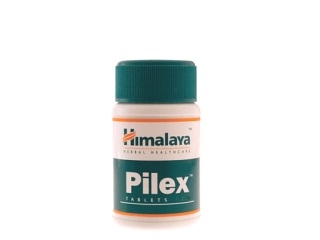
Pilex (Herbal Medicine) — Patient Guide (UK)
Pilex is an herbal medicine commonly used in the UK to help relieve the discomfort of haemorrhoids (piles). It contains plant-based ingredients traditionally used to support the symptoms of piles, such as pain, swelling, itching, and bleeding. This guide explains how Pilex may work, how to take it safely, and what to expect during treatment.
Important: This information is for general guidance. Always read the product label and leaflet supplied with your medicine. If you are unsure whether Pilex is suitable for you, speak to a pharmacist or healthcare professional.
Quick overview
- Product: Pilex (herbal medicine)
- Used for: Symptoms of haemorrhoids (piles), including discomfort and swelling
- Common forms: Capsules/tablets and/or other oral presentations depending on the specific Pilex product available
- Typical course: Often several days, with continuation as advised on the label or by a healthcare professional
- Key support: May help reduce inflammation and support vascular and tissue health in the anal region
Basic product information
What is Pilex?
Pilex is an herbal medicinal product used to treat the symptoms associated with haemorrhoids. Haemorrhoids are swollen veins in the rectum and/or anus. They can cause discomfort, itching, pain, and sometimes bleeding—especially during bowel movements.
What does it contain?
Pilex formulations may contain a blend of herbal extracts (the exact composition can vary by country and product type). For the most accurate details, check the ingredients section on the package leaflet and the product you have ordered.
How is it supplied?
In the UK, Pilex is generally available through pharmacies and online retailers where permitted. You should receive a medicine pack that includes dosing instructions and safety information in the leaflet.
How Pilex works (mechanism of action)
Haemorrhoid symptoms are influenced by swelling, local inflammation, congestion of blood vessels, and irritation of the anal tissues. While herbal products work through multiple natural pathways, Pilex is generally used for its anti-inflammatory and supportive effects on vascular and tissue responses.
- Anti-inflammatory support: May help calm redness, irritation, and swelling around the anus.
- Symptom relief: May reduce pain and discomfort during and after bowel movements.
- Support for affected tissue: Herbal constituents are traditionally used to support local tissue comfort and recovery.
- May help with bleeding and itching: In many people, improvement in inflammation and irritation can reduce these symptoms.
Note: Exact pharmacological mechanisms depend on the active herbal constituents and their standardisation. Individual responses can vary.
Pharmacokinetics (how the body handles it)
Pharmacokinetics describes how a medicine is absorbed, distributed, metabolised, and eliminated. For many herbal medicinal products, complete pharmacokinetic data may be limited compared with fully synthetic drugs. However, the general expectation for oral herbal medicines is:
- Absorption: Herbal extracts or their constituent compounds may be absorbed through the gastrointestinal tract to varying degrees.
- Distribution: Once absorbed, constituents circulate and may exert local and/or systemic effects.
- Metabolism: Many plant compounds are metabolised in the liver and/or gut.
- Elimination: Compounds and metabolites are typically eliminated via urine and/or bile.
If you require detailed information for a specific Pilex product (e.g., exact measurable constituents or clinical study data), consult the leaflet that comes with your medicine or speak with a pharmacist.
What Pilex is typically used for
Indications (typical uses)
Pilex is used for the relief of symptoms of haemorrhoids (piles). This may include:
- Pain or discomfort in the anal area
- Swelling and inflammation
- Itching or irritation
- Bleeding associated with piles (especially during or after bowel movements)
When it may be especially helpful
People often choose Pilex when they want a non-prescription option to support symptom relief alongside practical measures such as dietary fibre, hydration, and gentle hygiene.
Dosing and timing
Always follow the dosing instructions on your Pilex pack or the patient information leaflet. Dosage can vary by product strength and formulation.
Typical adult dosing (general guidance)
Many Pilex oral products are used in short treatment courses. The label commonly specifies an initial dosing schedule followed by a maintenance or reduced frequency depending on symptom improvement.
Example structure (check your specific pack):
- Starting dose: Taken regularly at the beginning of symptoms or at the start of your treatment course
- Continuation: Continued for a recommended number of days
- Adjustment: Reduced or stopped when symptoms settle, as advised
How to take it
- Take with water.
- Swallow tablets/capsules whole unless your product specifies otherwise.
- Try to take doses at consistent times each day to maintain a steady routine.
How long before you feel a difference?
Some people notice symptom improvement within a few days. If you do not feel better within the recommended timeframe stated on the label, or if symptoms worsen, seek advice from a pharmacist or healthcare professional.
Food interactions
Herbal oral medicines are often taken with or without food, but individual product instructions may differ.
General advice
- With meals: Some people find it easier on the stomach to take Pilex after food.
- On an empty stomach: If the leaflet allows, you may take it without food; however, if you experience stomach upset, take it with a light meal or snack.
- Fibre and bowel habits: Haemorrhoid management relies heavily on comfortable bowel movements. Adequate fibre and hydration can complement any medicine.
Check the leaflet for any specific instructions regarding meals for your exact Pilex product.
Alcohol and medicine interactions
There is limited public evidence on specific interactions between Pilex and alcohol. However, as with many oral medicines, it’s sensible to consider the following:
- Alcohol: Moderate alcohol intake may not be a direct interaction, but heavy drinking can contribute to dehydration and constipation, potentially worsening haemorrhoid symptoms.
- Mouth/rectal irritation: Alcohol can exacerbate irritation in some individuals due to dehydration and bowel changes.
- Other medicines: If you take regular medicines (for example, for bleeding disorders, inflammation, or pain), ask a pharmacist to check for compatibility.
Practical suggestion: During treatment, keep alcohol low and maintain good hydration to support regular bowel movements.
Safety profile and who should take care
Like all medicines, Pilex can cause side effects, although not everyone gets them. Most people tolerate herbal products well, but individual ingredients may trigger reactions in some people.
Possible side effects
Commonly reported effects for herbal products may include:
- Stomach discomfort or mild gastrointestinal upset
- Nausea or changes in digestion
- Skin reactions such as rash or itching in sensitive individuals
Seek urgent medical advice if you develop signs of an allergic reaction such as swelling of the face/lips, wheezing, or severe rash.
Who should be cautious
- People with known allergies to any ingredient in Pilex
- Pregnancy or breastfeeding: Consult a pharmacist or clinician before use.
- Children: Use only if the leaflet specifies an age group and dosing guidance.
- Bleeding that is heavy or persistent: Do not rely on self-treatment—get medical advice.
- Other rectal conditions: If symptoms could be due to other causes (for example, anal fissure or inflammatory bowel disease), consult a healthcare professional.
When to stop and get advice
Stop using Pilex and seek medical guidance if:
- Your symptoms worsen
- You experience ongoing or worsening bleeding
- There is severe pain, pus/discharge, fever, or suspected infection
- You have symptoms that do not improve within the recommended time on the label
Practical use tips for haemorrhoid relief
Medicines can help, but haemorrhoids usually improve faster when you combine treatment with daily habits that reduce pressure during bowel movements.
Support regular bowel movements
- Increase fibre gradually: Foods like oats, wholegrains, fruit, and vegetables can help.
- Drink enough fluids: Aim for pale yellow urine where appropriate.
- Avoid straining: Sit comfortably and don’t push for long periods.
- Don’t ignore the urge: Going when you feel the need can reduce constipation.
Gentle hygiene
- Use warm water and mild, fragrance-free products if needed.
- Avoid harsh soaps or vigorous rubbing.
- Pat dry gently; consider soft tissue or a clean, damp wipe where appropriate.
Reduce swelling and discomfort
- Sitz baths: A warm soak (if appropriate for you) can provide comfort.
- Cold compress: In some cases, a cool compress can reduce swelling (don’t apply ice directly to skin).
- Comfort clothing: Choose breathable fabric and avoid tight clothing.
Medication awareness
- Be cautious with other pain relief products if you have bleeding concerns. For ongoing bleeding, seek advice.
- If you’re taking blood-thinning medicines, consult a pharmacist before starting any haemorrhoid treatment.
Alternative options (if Pilex isn’t suitable)
Haemorrhoid treatment in the UK ranges from lifestyle measures to topical therapies. Depending on your symptoms and severity, alternatives may include:
- Laxatives and stool softeners: If constipation is contributing, gentle agents can help reduce strain (choose based on pharmacist advice).
- Topical treatments: Creams/ointments formulated for haemorrhoids to reduce pain or itch.
- Local anaesthetics or anti-inflammatory gels: For short-term relief of pain/discomfort (availability depends on product).
- Suppositories: Some products are designed for internal haemorrhoids.
- Medical evaluation: If symptoms persist, specialist assessment may be needed to rule out other conditions.
Choosing the right option: If you’re unsure, a pharmacist can help you select a product based on whether your main symptoms are pain, itching, swelling, or bleeding.
Market and legal context in the UK
In the United Kingdom, herbal medicinal products may be regulated depending on their classification and approval status. Many OTC (over-the-counter) products are made available via pharmacies and retailers within the framework of UK medicines legislation.
What this means for you:
- Pilex products you buy from reputable UK outlets should include appropriate labelling, patient information, and safety information.
- Clear product directions are provided so you can use it safely for its stated indications.
- If symptoms do not improve or you have concerning symptoms (such as significant bleeding), professional assessment is important.
Regulatory and guidance updates: Medicine classifications and availability can change. The latest product information and safety updates can usually be found in the leaflet supplied with your pack and through official UK medicine information channels.
Recent guidance and practical recommendations
Recent public health advice and clinical practice guidance for haemorrhoids commonly emphasise:
- Early self-care using fibre, hydration, and gentle hygiene
- Prompt review if bleeding persists or symptoms worsen
- Rule out other causes of rectal bleeding (especially if it’s new, heavy, or recurrent)
Herbal and symptom-relief treatments like Pilex are typically used as part of supportive care. If you have red-flag symptoms, do not delay seeking medical advice.
Delivery and availability in the UK
Availability: Pilex is commonly available via UK pharmacies and approved online retailers, subject to stock levels.
Delivery: Delivery times vary by supplier and your location within the UK. Check the delivery details at checkout for expected dispatch and arrival times. Some orders may require standard processing time before shipment.
Packaging and storage: Keep your medicine in the original pack and store as directed on the label. If you store medicines at home, keep them out of sight and reach of children.
FAQ about Pilex
1) What is Pilex used for?
Pilex is used for the relief of symptoms associated with haemorrhoids (piles), such as pain, swelling, itching, and sometimes bleeding.
2) How long should I take Pilex?
Follow the duration stated on your pack/leaflet. Many people use it for a short course and continue only as directed if symptoms persist. If you are not improving within the recommended timeframe, seek advice.
3) When should I take Pilex during the day?
Take it at the times specified on your pack. Using a consistent schedule can help you remember doses. If the leaflet does not specify timing with meals, you can often take it with or without food—choose what suits your stomach.
4) Can I take Pilex with food?
Often, yes—check the leaflet that comes with your specific product. If it upsets your stomach, taking it after a meal may help.
5) Can I drink alcohol while taking Pilex?
There is no universally established direct interaction for Pilex with alcohol, but alcohol can worsen constipation or dehydration in some people, potentially aggravating haemorrhoid symptoms. Keep alcohol moderate and stay well hydrated.
6) What if I’m on other medicines?
If you take regular medicines, especially those related to bleeding or inflammation, ask a pharmacist to review potential interactions. Always tell your pharmacist what you take.
7) Are there any side effects?
Some people may experience mild stomach upset or skin reactions. Stop and seek urgent help if you suspect an allergy (such as facial swelling, breathing difficulties, or severe rash).
8) Who should not use Pilex?
Avoid Pilex if you have an ingredient allergy. Extra caution is advised for pregnancy, breastfeeding, and children—consult the leaflet and a pharmacist for suitability and dosing.
9) When should I get medical advice instead of self-treating?
Seek professional advice urgently if you have heavy rectal bleeding, persistent bleeding, severe pain, fever, discharge, or symptoms that do not improve with self-care and the recommended treatment timeframe.
10) Can lifestyle changes improve piles?
Yes. Fibre, hydration, avoiding straining, and gentle hygiene often make a major difference and can reduce the likelihood of symptoms returning.
Product guidance summary
To get the best results from Pilex:
- Use it exactly as directed on your pack.
- Support treatment with fibre, fluids, and avoiding constipation and straining.
- Seek advice if symptoms persist beyond the recommended period or if bleeding is significant.
- Check the leaflet for specific ingredient and dosing details for your exact Pilex product.
| Topic | What to know |
|---|---|
| Used for | Relief of haemorrhoid (piles) symptoms such as pain, swelling, itching, and bleeding. |
| How it may work | Herbal supportive effects may help reduce inflammation and irritation associated with piles. |
| Dosing | Follow the pack/leaflet instructions for your specific Pilex product. |
| Timing | Take at consistent times as directed; often with or without food (check leaflet). |
| Food interactions | Generally few issues, but if stomach upset occurs, take after food. |
| Alcohol | Moderate alcohol intake is not typically described as a direct interaction; avoid alcohol excess and stay hydrated. |
| Safety | May cause mild GI upset or skin reactions in some people. Get urgent help for allergy symptoms. |
| Get medical advice | If bleeding is heavy/persistent, pain is severe, fever occurs, or symptoms don’t improve as advised. |
If you would like, tell me which exact Pilex product you’re selling (e.g., capsules vs tablets, number of capsules, or strength), and I can tailor the dosing wording and the “Quick overview” section to match the label more precisely.