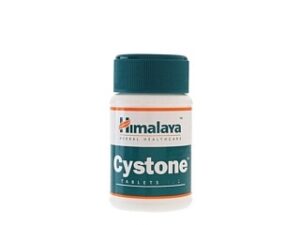


Amalaki (Amalaki Capsules/Supplements) – Patient-Friendly Guide
Amalaki is a popular herbal remedy used in traditional Indian medicine (Ayurveda). In the UK, Amalaki products are typically available as herbal supplements (for example, capsules, tablets, powders, or extracts) rather than as conventional medicines. People commonly use Amalaki to support digestion, gut comfort, and general wellbeing, largely because it naturally contains vitamin C and a range of plant compounds (including polyphenols).
This guide explains what Amalaki is, how it may work, how the body handles it, typical uses, when to take it, important food and alcohol interactions, safety considerations, practical tips, and UK availability and regulations.
Quick product information
| Category | Details |
|---|---|
| Common name | Amalaki (Amla / Emblica officinalis) |
| Form (varies by brand) | Capsules, tablets, powder, or extract |
| Typical active constituents | Vitamin C (ascorbic acid) and polyphenols/tannins (varies by product) |
| Typical use | Support for digestion, antioxidant support, and general wellness |
| Regulatory status in the UK | Usually marketed as a food supplement rather than a prescription medicine |
| How to take | Follow label instructions; often 1–2 doses daily with water (timing can vary) |
What is Amalaki?
Amalaki is derived from the fruit of Emblica officinalis, commonly known as Indian gooseberry (amla). The fruit is traditionally used for its naturally occurring nutrients and plant chemicals. Many Amalaki supplements are standardised to provide a consistent amount of vitamin C or specific extract markers.
Because products differ between brands, always check:
- The exact ingredient list (whole fruit powder vs. extract)
- Vitamin C content and any standardisation claims
- Recommended daily dose on your specific label
- Other added ingredients (e.g., ginger, turmeric, minerals, or fillers)
How Amalaki works (mechanism of action)
The potential benefits of Amalaki relate to several biological actions. While supplement evidence varies by product and study design, the main mechanisms proposed include:
- Antioxidant support: Vitamin C and polyphenols can help protect cells from oxidative stress.
- Support for the digestive tract: Traditional use suggests it may help maintain healthy digestion and gut comfort. Some plant compounds may influence digestive function and bile-related processes (exact effects depend on formulation).
- Immune system support: Vitamin C contributes to normal immune function. Adequate vitamin C intake is important for overall health.
- Hydration and connective tissue support: Vitamin C contributes to normal collagen formation, which supports skin, blood vessels, and tissues.
Note: Supplements are designed to complement a healthy lifestyle. They are not a substitute for medical care when symptoms are persistent or severe.
Pharmacokinetics (how the body handles it)
Pharmacokinetics describes what happens to a substance in the body—absorption, distribution, metabolism, and excretion. For Amalaki, the picture depends on the specific product and its key components (often vitamin C and polyphenols).
Vitamin C component (general)
- Absorption: Vitamin C is absorbed in the small intestine. Absorption can be influenced by dose and individual physiology.
- Distribution: Vitamin C is distributed to body tissues and is involved in numerous biochemical processes.
- Metabolism: Vitamin C is metabolised mainly into biologically active and inactive metabolites.
- Excretion: Excess vitamin C is mainly excreted in urine.
Polyphenols/tannins (general)
- Absorption and transformation: Many plant polyphenols are partially absorbed and/or metabolised by gut enzymes and microbiota.
- Broad effects: Their antioxidant and signalling effects may depend on the metabolites formed after digestion.
- Inter-individual variation: Response may vary based on diet, gut microbiome, and the specific extract used.
Because supplements can differ in extract strength, it’s best to interpret benefits and tolerance using the brand’s dosage and individual response.
Typical use in the UK
In the UK, Amalaki is most often taken by people who want supportive nutrition for:
- Digestion and gut comfort (particularly after meals or during periods of digestive discomfort)
- Antioxidant support as part of a general healthy diet
- Vitamin C intake to support normal immune function and collagen formation
- Overall wellbeing using a traditional herbal ingredient
If you have persistent digestive symptoms (such as severe abdominal pain, blood in stools, unexplained weight loss, or persistent vomiting), seek professional medical advice promptly.
Indications (what it’s commonly used for)
In a UK supplement context, “indications” are usually stated as supportive claims rather than treatment claims. Typical indications include:
- Antioxidant contribution (depends on product composition and label claims)
- Support of normal immune function (often linked to vitamin C content)
- Support for normal digestion (where permitted/worded on the label)
- General nutritional supplementation including vitamin C
Please refer to your product label and packaging for the exact permitted claims for that specific brand.
Dosing: how much to take
Always follow the dosing instructions on your specific Amalaki product label. A “typical” approach is described below, but individual needs and product strengths vary widely.
General adult dosing (common range)
- Common practice: 1 capsule or tablet once daily, or 1–2 doses daily depending on strength.
- Some extracts/powders: may be dosed once or split across the day.
Start low: If you are new to Amalaki, consider starting with the lower end of the recommended range to assess tolerance.
Children and teenagers
Use in children and adolescents should be approached cautiously. Check the label for age guidance. If no clear guidance is provided, speak with a pharmacist or a healthcare professional before use.
Pregnancy and breastfeeding
If you are pregnant or breastfeeding, it’s important to seek personalised advice. Herbal supplements can vary in composition, and “natural” does not automatically mean “risk-free” in all situations.
Timing: when to take Amalaki
Many people prefer Amalaki either with meals or after meals to support digestion and reduce the chance of stomach upset. The best timing depends on your goal and the product form.
- For digestion support: take with food or after a meal.
- For vitamin C intake: take once daily, ideally at a consistent time.
- If you get sensitive stomach: take with meals rather than on an empty stomach.
If you miss a dose, don’t double up—simply take your next dose at the usual time.
Food interactions
Food can affect the comfort, absorption, and side effects of supplements. For Amalaki, common practical guidance is:
- Take with food if you’re prone to indigestion: This is often better tolerated.
- Avoid taking on a very empty stomach: Some people find acidic or strong herbal products may cause discomfort.
- Maintain consistent routine: If you take it daily, try keeping timing similar day-to-day.
There are no universal, guaranteed “food interactions” for all Amalaki products because ingredients vary. Always check the label and, if needed, ask a pharmacist—particularly if you have a complex diet or health conditions.
Alcohol and medicine interactions
While Amalaki is generally not known for direct, major interactions with alcohol, caution is sensible because alcohol can irritate the stomach and can affect digestion.
Alcohol
- Stomach comfort: If alcohol worsens your digestion, consider taking Amalaki with food on days you drink.
- Hydration: Alcohol can dehydrate; aim for adequate water intake.
Interactions with medicines
Herbal supplements may interact with medicines through effects on digestion, absorption, or metabolism. Known or potential considerations may include:
- Blood-thinning medicines (anticoagulants/antiplatelets): If your regimen includes medicines that affect clotting, consult a healthcare professional before using Amalaki regularly.
- Diabetes medications: Some herbal supplements may influence blood sugar regulation. Ask for advice if you take diabetes medicines.
- Iron supplements or iron-containing tonics: Vitamin C can increase non-heme iron absorption. This can be beneficial, but may also affect people who already have high iron levels.
- Kidney stone risk or kidney conditions: People with a history of kidney stones should seek advice before taking higher-dose vitamin C products. (This is especially relevant if the Amalaki product provides substantial vitamin C.)
Important: If you take prescription and non-prescription medicines, including pain relief, heart medicines, or GI medicines, speak with a pharmacist before starting Amalaki—particularly if you plan to take it daily.
Safety profile: who should be careful
Amalaki is generally well tolerated by many adults when taken at label doses. However, safety depends on the specific product, dose, and your health background.
Common side effects
- Mild stomach upset (nausea, discomfort)
- Diarrhoea or loose stools in sensitive individuals or with higher doses
- Heartburn (more likely if taken on an empty stomach)
Less common but important cautions
- Allergic reactions: Stop use and seek advice if you develop rash, swelling, or breathing difficulties.
- Kidney-related concerns: High vitamin C intake may be unsuitable for some people with kidney problems or a history of stones.
- Interaction-sensitive conditions: If you have chronic conditions or take regular medicines, obtain advice before long-term use.
When to stop and seek help
Stop taking Amalaki and contact a healthcare professional urgently if you experience:
- Severe abdominal pain
- Blood in stools or persistent vomiting
- Swelling of the face/lips, trouble breathing, or widespread rash
- Symptoms that rapidly worsen
Practical use tips (how to get the best experience)
- Check the label first: Confirm your product form and exact recommended dose.
- Start gradually: If you’re new, begin with one daily dose and reassess after several days.
- Take with water: A full glass of water can help reduce throat or stomach irritation.
- Pair with meals if needed: If you notice indigestion, switch to taking it after food.
- Stay consistent: Benefits related to nutrition and antioxidant support are more likely with regular use.
- Watch for “too much”: If you experience loose stools or stomach upset, reduce the dose or stop.
- Keep expectations realistic: Supplements support overall health; they don’t provide instant, dramatic effects.
How long to take Amalaki
Many people use Amalaki in short courses (for example, during periods when they want extra support for diet changes) or as a longer-term daily supplement if their product and health situation are suitable.
If you plan to take it continuously, consider reviewing your goals every few months and speaking with a pharmacist if you’re taking other medicines or supplements.
Alternative options
Depending on what you’re using Amalaki for, there are several alternatives available in the UK. Choose based on your goal and your dietary preferences.
For antioxidant/vitamin C support
- Vitamin C supplements (ascorbic acid or buffered forms)
- Rosehip or acerola cherry extracts (often rich in vitamin C)
- Foods high in vitamin C (e.g., citrus fruits, kiwi, strawberries, peppers)
For digestive comfort
- Probiotics (choose strains and CFU counts based on product evidence)
- Ginger supplements (for nausea and digestive support)
- Psyllium husk (for regularity—drink plenty of water)
- Herbal teas (e.g., peppermint-based products for some people)
For immune support
- Vitamin C and a balanced diet
- Vitamin D (if you have low levels or limited sun exposure—best assessed by a professional)
- Sleep, nutrition, and stress management (often have the biggest impact)
If you’re unsure which option suits you, a pharmacist can help you compare ingredients and consider possible interactions.
UK market, legal and regulatory context
In the United Kingdom, Amalaki is commonly sold as a food supplement. Food supplements are regulated to help ensure product safety, accurate labelling, and appropriate marketing.
- Labelling requirements: Supplements must include ingredient information, recommended use, and appropriate warnings.
- Health claims: Marketing claims must comply with UK rules; not all therapeutic claims are permitted for supplements. Where vitamin C is present, only authorised wording may be used.
- Quality and safety: Many reputable brands follow good manufacturing practice standards and provide third-party testing. Always choose products from sellers that provide clear information.
Regulations and guidance can evolve, so it’s sensible to check current information for food supplements in the UK.
Recent guidance and practical updates (UK)
Recent UK consumer guidance commonly emphasises:
- Reading the label and sticking to recommended daily amounts.
- Being cautious with long-term use and products that provide high doses of vitamins or herbal extracts.
- Seeking advice before using supplements if you are pregnant, breastfeeding, have a long-term condition, or take regular medicines.
- Reporting adverse effects to a healthcare professional where relevant.
If you are using Amalaki alongside other supplements (for example, additional vitamin C, zinc, or herbal blends), consider the combined dose to reduce the risk of excess intake.
Delivery and availability in the UK
Amalaki supplements are widely available online across the UK from multiple retail and pharmacy-related suppliers. Availability can vary by brand, strength, and product type (capsules vs. powder vs. extract).
Typical delivery experience
- Dispatch times: Many UK online pharmacies dispatch within 1–2 working days (varies by supplier).
- Delivery options: Standard and express options may be available depending on location.
- Packaging: Supplements are usually packed in secure, protective outer packaging.
To ensure freshness and correct use, check: expiry date, storage instructions (e.g., cool/dry place), and whether the product requires any specific handling.
FAQ about Amalaki
1) What is Amalaki used for?
Amalaki is commonly used as a nutritional supplement to support antioxidant activity, digestion/gut comfort, and adequate vitamin C intake (depending on the product’s vitamin C content and label claims).
2) How should I take Amalaki—morning or evening?
Many people take it with meals or after meals. If you find it settles better in your stomach in the evening, take it after dinner. If your label suggests a particular timing, follow that guidance.
3) Can I take Amalaki on an empty stomach?
Some people tolerate it well, but others experience stomach discomfort. If you’re sensitive, start taking it with food. If discomfort occurs, discontinue and speak to a pharmacist.
4) Is Amalaki safe to take every day?
Many adults take Amalaki daily at label doses. Safety depends on your health, other supplements, and medicine use—especially if you take anticoagulants, diabetes medicines, have kidney issues, or are pregnant or breastfeeding. If in doubt, seek advice.
5) Does Amalaki interact with medications?
Potential interactions can occur with certain medicines due to herbal and vitamin effects. If you take regular medicines, it’s best to ask a pharmacist before starting Amalaki, particularly for blood-thinning medicines, diabetes medicines, or conditions involving kidney health.
6) Can I drink alcohol while taking Amalaki?
There is no universal rule against alcohol with Amalaki supplements. However, alcohol can irritate the stomach and worsen digestive symptoms. If you choose to drink, consider taking Amalaki with food and keep within recommended doses.
7) What side effects might I experience?
Commonly reported effects include mild stomach upset or loose stools, especially if taken on an empty stomach or at a higher dose than recommended. If side effects are persistent or severe, stop and seek advice.
8) Are there alternatives if Amalaki doesn’t suit me?
Yes. For vitamin C support you may consider vitamin C or rosehip products. For digestive comfort you may prefer probiotics, ginger, or psyllium husk (depending on your needs and suitability).
9) How quickly will I notice benefits?
Some people notice improved digestive comfort within days, while antioxidant and vitamin C-related benefits may take longer and depend on your diet, baseline intake, and consistency.
10) Where can I buy Amalaki in the UK?
Amalaki supplements are available from many UK online retailers and pharmacies. Choose products with clear ingredient lists, transparent dosing, and packaging that includes expiry dates and storage instructions.
Important final notes
Always read the label of your specific Amalaki product for exact directions, warnings, and ingredient details. If you have a medical condition, take regular medicines, are pregnant or breastfeeding, or have previously had allergic reactions to supplements, consult a healthcare professional for tailored advice.