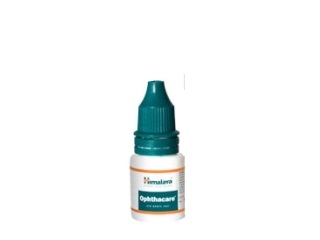

Ophthacare Eye Drops – Patient Guide (UK)
Ophthacare is an eye treatment designed to support eye comfort and help maintain healthy eye surface conditions. It is used by people in the United Kingdom to relieve symptoms associated with dry, irritated or otherwise uncomfortable eyes, and to aid recovery when the eye surface needs extra support.
This patient-friendly guide explains how Ophthacare works, when and how to use it, what to expect, and important safety information. If you are unsure whether Ophthacare is suitable for you, speak to a pharmacist or healthcare professional.
Basic product information
| Category | Details |
|---|---|
| Product | Ophthacare eye drops (ocular lubricant/support) |
| Use | For dry, irritated or uncomfortable eyes and related surface support |
| Route | Ocular (applied to the eye) |
| Typical regimen | Often 1–2 drops per eye, multiple times daily (see dosing section) |
| Target users | Adults and, depending on product strength/presentation, some children (check label) |
| Packaging | Available as drops in a suitable dropper bottle/carton (exact form may vary) |
Important: Always read the patient information and instructions provided with your particular Ophthacare pack, as formulations and strengths can differ between countries and product versions.
How Ophthacare works (mechanism of action)
Ophthacare is used to lubricate and protect the eye surface. In many eye discomfort conditions—such as dryness, mild irritation, or an unstable tear film—the tear layer does not spread evenly across the eye. This can lead to a feeling of grit, burning, or sensitivity to light.
Ophthacare works by helping to:
- Improve tear-film stability, so your eye surface stays moisturised for longer.
- Reduce friction between the eyelid and the eye.
- Support comfort and temporarily relieve symptoms of dryness and irritation.
- Provide a protective coating that may help the surface tolerate environmental factors (wind, screens, heating, air conditioning).
Because the exact mechanism depends on the ingredients in your Ophthacare formulation, always check the label for the active ingredients and excipients. In general, eye lubricants work locally in the eye and are designed to be gentle on the ocular surface.
Pharmacokinetics (what happens in the body)
Eye drops act mainly locally. When applied, the active/supporting components spread across the tear film and ocular surface. Compared with medicines taken by mouth, absorption into the bloodstream is typically minimal.
Key points:
- Local action: Most benefit is achieved on the surface of the eye and within the tear film.
- Limited systemic exposure: Any systemic absorption is usually low due to the local delivery and frequent blinking/tear turnover.
- Clearance: Tears drain through the tear drainage system (nasolacrimal duct) and the eye naturally clears excess fluid.
- Onset: Lubricating relief can begin shortly after use, though full symptom control may improve over days depending on the cause of irritation.
Because tear turnover and blinking vary from person to person, the duration of comfort after each dose can differ. If you notice relief wearing off quickly, dosing may need adjustment—follow the instructions on your pack or consult a pharmacist.
Typical use and indications
Ophthacare is commonly used for:
- Dry eye symptoms (e.g., burning, stinging, grittiness)
- Irritated or uncomfortable eyes from environmental factors
- Temporary relief of dryness associated with screen time, reading, travel, or indoor heating/air conditioning
- Support for the eye surface in mild cases where lubrication is helpful
Not all “red eyes” are the same. If you have severe pain, significant light sensitivity, thick discharge, sudden vision changes, or symptoms after an eye injury, seek urgent medical advice. Lubricants may not treat infections or inflammatory eye conditions.
When to use Ophthacare (timing)
Many people find that regular use works better than waiting for symptoms to become severe. A typical regimen is often:
- Daytime: 1–2 drops in the affected eye(s), up to several times daily as needed
- Before screen work: applying just before prolonged computer/phone use may help reduce dryness
- Before bedtime: some people benefit from an extra dose before sleep if they experience night dryness
Practical timing tips:
- If your pack allows multiple doses, use them at evenly spaced intervals.
- For best comfort, avoid applying immediately after removing contact lenses unless the product instructions specifically allow it.
- If you are using other eye drops, you may need to separate products by a few minutes (see “medicine interactions” below).
Follow your pack’s instructions or the advice of a pharmacist for your specific schedule.
Dosing: how to use Ophthacare
Below is general guidance. Always confirm the exact dosing on your product label.
Adults and adolescents
- Typical dose: 1–2 drops into the affected eye(s)
- Frequency: often 2–4 times daily, or more/less depending on symptom severity
- Adjust as needed: reduce frequency once symptoms improve, unless instructed otherwise
Children
For children, dosing and appropriateness depend on age and the specific Ophthacare formulation. Check the package leaflet or consult a pharmacist for guidance.
How to apply eye drops (step-by-step)
- Wash your hands thoroughly.
- If needed, remove contact lenses before using the drops. Put lenses back only if the product instructions permit.
- Gently pull down the lower eyelid to create a small “pocket”.
- Hold the bottle above the eye and avoid touching the eye surface or eyelashes with the tip.
- Instil 1 drop into the eye, then close your eye gently.
- Press lightly on the inner corner of the eye (near the nose) for about 30–60 seconds to reduce drainage and improve comfort.
- Wipe away any excess with a clean tissue.
- Repeat for the other eye if needed.
- Replace the cap immediately and wash your hands again.
If you miss a dose: apply it when you remember unless it is close to your next dose. Do not use a double dose to make up for a missed dose.
Food interactions
Because Ophthacare is administered to the eye and is intended to act locally, food interactions are not expected. There is generally no need to adjust diet when using Ophthacare.
However, if you use other medicines alongside your eye treatment, always check those medicines for possible interactions. When in doubt, consult a pharmacist.
Alcohol and medicine interactions
Alcohol: There is typically no direct interaction between alcohol and Ophthacare eye drops due to local application. Nonetheless, alcohol can contribute to dehydration and may worsen dry eye symptoms in some people.
Other eye medicines: If you use more than one eye product, timing can matter.
- If you are using other eye drops: wait at least 5–10 minutes between different products unless the leaflet instructs otherwise.
- If you use ointments: ointments can reduce absorption of drops. Use drops first, then allow time before applying ointment (often 10–15 minutes, depending on product instructions).
- Do not mix in the same eye application: use one product at a time.
Systemic medicines: Since systemic absorption from eye drops is usually low, interactions with tablets or capsules are uncommon. If you are taking medicines for eye conditions or have complex health issues, ask your pharmacist to review your regimen.
Safety profile and side effects
Most people tolerate Ophthacare well. Because it is a local eye product, the most relevant side effects are related to the eye surface.
Common, usually mild effects
- Temporary stinging or burning after application
- Watery eyes or mild irritation
- Blurred vision for a short period immediately after dosing (avoid driving until your vision clears)
Less common but important to recognise
- Redness that worsens or does not settle
- Itching or signs of allergy (e.g., swelling of eyelids)
- Eye pain that is not typical for dryness
When to stop and seek medical advice urgently
Get urgent help if you experience:
- Severe eye pain
- Significant light sensitivity
- Sudden or worsening vision changes
- Thick discharge, fever, or symptoms suggesting infection
- Suspected chemical exposure or eye injury
Allergy warning: If you develop rash, facial swelling, wheeze, or severe symptoms after using Ophthacare, seek emergency care.
Practical use tips for best results
- Use consistently during symptom flare-ups: if your dryness is persistent, scheduled drops often work better than “as needed” only.
- Avoid touching the bottle tip to the eye: helps reduce contamination risk.
- Check expiry and discard policy: do not use after expiry date; if you use a multi-dose bottle, observe “discard after opening” guidance from the leaflet.
- Consider screen habits: blink more often during screen use and take breaks (20-20-20 rule).
- Manage the environment: a humidifier can reduce irritation in dry indoor air.
- Contact lenses: follow the product instructions. Some lubricants may be safe with lenses; others require lens removal.
- Store correctly: keep tightly closed and store at recommended temperatures (as per label).
If symptoms persist beyond the expected improvement period, or if you experience recurrent episodes, you may need further assessment to identify the underlying cause (e.g., blepharitis, allergy, medication-related dry eye, or meibomian gland dysfunction).
Alternative options (UK availability)
Depending on your symptoms, there are several types of eye care products you may consider with the help of a pharmacist or optometrist.
Common alternatives
- Other lubricating eye drops: similar “artificial tears” products may suit different levels of dryness.
- Gel/ointment formulations: can last longer, often used at night for more severe dryness (may blur vision temporarily).
- Ocular surface cleansers: helpful if eyelid inflammation contributes to dryness.
- Allergy relief eye drops: if itching and watery eyes are prominent due to allergies.
Choosing the right option
Ask a professional for advice if:
- your symptoms are mostly itchy and watery (suggests allergy)
- you wear contact lenses (ensure compatibility)
- your dryness is severe or persistent (a longer-acting gel may help)
- you have frequent eye infections or inflammation (a different strategy may be required)
Market and legal context in the United Kingdom
In the UK, eye drops such as Ophthacare are regulated to meet safety, quality and labelling requirements. Many lubricating eye products are supplied as over-the-counter items, intended for self-care of mild, temporary eye discomfort.
When sold in the UK market, ophthalmic products must comply with relevant UK regulations covering:
- Manufacturing and quality standards
- Correct labelling and patient information (including warnings and usage instructions)
- Expiry dating and traceability
Current practice: If symptoms suggest infection, injury, or serious disease, UK guidance generally encourages timely professional assessment. Self-care lubricants are not a substitute for urgent evaluation when red flags are present.
Recent guidance and responsible use (UK perspective)
UK eye health guidance commonly emphasises:
- Recognising urgent symptoms (pain, vision change, significant light sensitivity, discharge)
- Safe contact lens use and avoiding contamination
- Proper drop administration to minimise risk of irritation or microbial contamination
- Seeking advice promptly if symptoms persist or recur
Some individuals may benefit from a structured approach to dry eye (environmental adjustments, lid hygiene, and regular lubrication). Your pharmacist or optometrist can help tailor a plan.
Delivery and availability in the UK
Ophthacare is widely available through UK pharmacies and reputable online dispensaries, subject to stock and current delivery conditions. Delivery options vary by provider and location.
- Availability: Typically in stock for common pack sizes
- Dispatch times: Most online pharmacies dispatch within working days (check the checkout page for exact estimates)
- Packaging: Supplied in protected retail packaging suitable for postal delivery
- Tracking: Many orders include tracking confirmation
Tip: If you need the drops urgently, check the estimated delivery window before placing your order. For ongoing dryness, consider keeping a spare bottle to avoid delays.
FAQ – Ophthacare eye drops
1) What is Ophthacare used for?
Ophthacare is used to relieve symptoms related to dry, irritated or uncomfortable eyes. It supports the eye surface and helps stabilise the tear film for improved comfort.
2) How quickly should I feel better?
Many people feel some comfort shortly after applying the drops. If your symptoms are due to ongoing dryness, consistent use over several days may provide more stable improvement.
3) Can I use Ophthacare with contact lenses?
Some lubricating eye drops are compatible with contact lenses, while others require removal first. Check the specific product instructions on your pack. If in doubt, remove lenses before applying and ask a pharmacist for advice.
4) How many times a day can I use it?
Follow the dosing instructions on your Ophthacare pack. A common range is 2–4 times daily, but some people may need more or less depending on symptoms.
5) Should I stop if my eyes sting after putting in the drops?
Temporary mild stinging can occur with some eye drops and usually settles quickly. If stinging is severe, persistent, or accompanied by swelling, worsening redness, or pain, stop using the product and seek advice.
6) Can I drive after using Ophthacare?
If your vision becomes briefly blurred after instillation, do not drive until your sight is clear. Blurring typically improves quickly as the drops spread and your eye clears excess fluid.
7) Are there interactions with other medicines or eye drops?
Interactions with tablets are unlikely due to local use. If you use other eye drops, wait 5–10 minutes between products unless instructed otherwise. If you use ointments, use drops first.
8) Can I drink alcohol while using Ophthacare?
There is generally no direct interaction. However, alcohol can worsen dryness in some people, so you may find symptoms feel worse after drinking.
9) What should I do if I miss a dose?
Use it when you remember unless it’s close to the next dose. Do not double up.
10) When should I seek medical help instead of using Ophthacare?
Seek urgent medical advice if you have severe eye pain, significant light sensitivity, sudden vision changes, suspected infection (e.g., thick discharge), or if symptoms follow an injury or foreign body in the eye.
Summary
Ophthacare is an eye comfort product designed to support the eye surface and help relieve symptoms of dryness and irritation. Used regularly and correctly, it can improve comfort and tear-film stability. Always follow the patient instructions provided with your specific pack, separate it from other eye products by a suitable interval, and seek professional advice if symptoms are severe, persistent, or suggest an urgent eye condition.