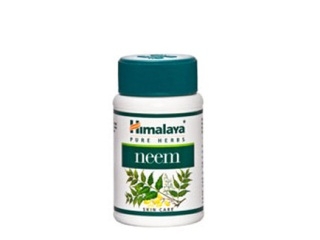
Neem (Azadirachta indica) – Patient-Friendly Guide (UK)
Neem is a herbal product traditionally used to support general skin and health routines. In the UK, Neem products are commonly available as capsules, tablets, powders, teas, or topical preparations depending on the manufacturer. This guide explains what Neem is, how it may work, how to use it safely, and what to consider—especially around timing, food, and other medicines.
Note: Neem is a natural product, but it can still interact with medicines and may not be suitable for everyone.
Basic product information
| Product name | Neem |
|---|---|
| Botanical name | Azadirachta indica |
| Common forms | Capsules/tablets, powder, tea, topical oils/creams (varies by brand) |
| Typical source parts | Leaves (most common), bark, seed oil (often in topical products) |
| Active constituents (examples) | Limonoids (e.g., azadirachtin), nimbin/nimbinin, flavonoids and other plant compounds |
| How it’s used | Oral supplementation or topical application (depending on product type) |
Where it comes from: Neem is native to South Asia and is widely cultivated in other warm climates. UK products typically standardise or concentrate certain neem constituents, but the exact formulation differs by brand.
How Neem may work (mechanism of action)
Neem contains multiple plant compounds that can have biological activity. The exact mechanism depends on the formulation and the part of the plant used. In general, Neem has been studied for:
- Anti-inflammatory activity: Some constituents may help reduce inflammatory signalling in tissues.
- Antimicrobial effects: Neem compounds may inhibit certain bacteria or fungi in laboratory settings.
- Antioxidant properties: Neem contains plant polyphenols and other antioxidants that may help protect cells from oxidative stress.
- Skin-support effects (topical): Traditional use and some studies suggest Neem may help support the skin barrier and reduce the appearance of dryness or irritation.
Important: Laboratory and early clinical evidence does not always translate into proven treatment benefits for everyone. Neem products are usually used as supplements or general wellness products rather than as targeted cures.
Pharmacokinetics (what happens in the body)
Pharmacokinetics describes absorption, distribution, metabolism, and excretion. For Neem, complete human pharmacokinetic data is limited because products differ (leaf extract vs seed oil; different concentrations; different standardisation methods).
- Absorption: Some neem constituents may be absorbed after oral dosing, but absorption can vary widely by formulation and whether the product is taken with food.
- Distribution: Plant compounds are likely distributed through the bloodstream and tissues. Some may bind to proteins or be concentrated in certain compartments.
- Metabolism: Neem constituents may be metabolised by the liver and other metabolic pathways. Specific human metabolic profiles vary by compound and dose.
- Excretion: Metabolites are typically eliminated through the digestive tract and/or urine, depending on the compound.
Practical takeaway: Because pharmacokinetic information is not uniform across products, it’s best to follow the manufacturer’s dosing instructions and monitor how you respond—especially if you take other medicines.
Typical use in the UK
Neem is most commonly used by people in the UK who want support for:
- General wellbeing routines (non-specific wellness support)
- Skin health routines when used as part of a topical regimen (depending on product type)
- Skin and scalp comfort as a supportive ingredient in some creams, oils, or washes
- Immune and antioxidant support as a general supplement (varies by product labelling)
Not a substitute for medical care: If you have an infection, severe skin condition, or persistent symptoms, speak with a healthcare professional for appropriate assessment and treatment.
Indications (what products are commonly marketed for)
In the UK market, Neem is usually positioned as a food supplement or cosmetic/topical product. Depending on the brand, labelling may include “supports” language such as:
- Supports healthy skin
- Supports immune system function
- Supports antioxidant protection
- overall wellbeing
Regulatory note: Claims must be permitted under UK food supplement and cosmetic rules. Exact wording may differ by brand and ingredient standardisation.
Dosing and timing
Dosing depends strongly on the formulation and the concentration (e.g., leaf extract vs oil; standardised extracts; capsule strength). Always use the dosing on your specific product label.
Typical oral supplement dosing (general guidance)
- Common range: Many neem leaf extract supplements are taken once daily or split dosing (e.g., morning and evening).
- Follow label instructions: If your product specifies a certain number of capsules/tablets per day, do not exceed this without professional advice.
- Start low: If you are new to Neem, consider starting at the lowest recommended dose to assess tolerance.
Timing
- With food may help: Some people find Neem more comfortable when taken with a meal.
- Consistency matters: Take at roughly the same time each day.
- Topical products: Apply according to the product’s directions, usually 1–2 times daily or as needed, avoiding eyes and broken skin unless the product is specifically intended for that use.
How long to try it: For supplements, people often assess effect after several weeks of consistent use. If there is no benefit or symptoms worsen, stop and seek advice.
Food interactions
Neem is a plant-based product, and food can affect how well certain compounds are absorbed. Specific interactions have not been fully mapped in humans, but the following practical guidance is helpful:
- Taking with meals: Many users take Neem with food to reduce possible stomach discomfort and to improve tolerability.
- High-fat meals: Some neem constituents may be more absorbable with dietary fat, but this depends on the formulation (especially oil-based products).
- Gastrointestinal sensitivity: If you have a sensitive stomach, avoid taking on an empty stomach.
What to do if you experience nausea or cramps: Stop the supplement and restart later with food or reduce dose (only if appropriate for your product and symptoms). If symptoms persist, discontinue and seek guidance.
Alcohol interactions
There is limited specific research on Neem–alcohol interactions. However, combining supplements with alcohol may increase the risk of:
- Stomach irritation (nausea, discomfort)
- Liver stress concerns in people who already drink heavily or who have underlying liver issues
Practical advice:
- Keep alcohol intake moderate.
- Avoid Neem if you notice worsening GI symptoms after alcohol.
- If you have liver disease or drink heavily, discuss Neem with a healthcare professional before use.
Interactions with medicines
Neem can potentially interact with other medicines because plant compounds may affect drug-metabolising enzymes or have overlapping biological effects. Evidence for many interactions is limited, so caution is recommended.
Be especially careful if you take any of the following
- Blood thinning / antiplatelet medicines (e.g., warfarin or other anticoagulants)
- Diabetes medicines (Neem may have effects on blood sugar in some contexts)
- Immunosuppressant medicines or autoimmune-related treatments
- Anti-inflammatory medicines (increased risk of side effects for some people)
- Liver-metabolised medicines (if Neem affects metabolism, this could theoretically alter levels)
Topical products
- Topical Neem products usually have lower systemic exposure than oral supplements, but they can still cause skin irritation and sometimes worsen eczema or sensitive skin.
Tip: If you take regular medicines, check with a pharmacist or healthcare professional before starting Neem, especially if you have chronic conditions.
Safety profile and precautions
Neem is generally considered for short- to medium-term use when taken within labelled directions, but it has important safety considerations.
Common side effects (possible)
- Stomach discomfort (nausea, cramps, diarrhoea)
- Headache
- Dizziness (less common)
- Skin irritation with topical use (redness, itching, rash)
Serious side effects – stop and seek urgent medical advice
- Allergic reaction (swelling of face/lips, difficulty breathing, hives)
- Severe or persistent vomiting, severe abdominal pain
- Yellowing of the skin/eyes or dark urine (possible liver issues)
- Unusual bruising or bleeding
Who should avoid Neem or get advice first
- Pregnancy: Neem is not recommended during pregnancy because of potential risks from neem constituents. Avoid unless a clinician advises otherwise.
- Breastfeeding: Discuss with a healthcare professional before use.
- Children: Safety may be uncertain for children; check product guidance and seek advice.
- Liver disease or history of liver problems
- People on multiple regular medicines, especially blood sugar or blood-thinning medicines
- Those with severe skin conditions or eczema prone to flare-ups (for topical products)
Important note on seed oil
Some neem products use seed oil, which can differ significantly in potency and safety profile compared with leaf extracts. Use only products intended for human consumption/topical use and follow the label carefully.
Practical use tips
- Choose a reputable brand: Look for clear ingredient lists, standardised extracts where possible, batch details, and UK-compliant labelling.
- Follow the label precisely: Do not exceed the recommended daily amount.
- Start gradually: If you’re new, consider starting at the lowest dose and monitor how you feel.
- Take with food if you feel discomfort: Especially in the first days of use.
- Topical patch test: Apply a small amount to a discreet area for 24 hours to check for irritation.
- Avoid contact with eyes: Particularly with oils or concentrated preparations.
- Keep track: Note any changes in digestion, skin, or other symptoms to decide whether to continue.
Alternative options
If Neem doesn’t suit you, there may be other options depending on what you’re trying to support. Alternatives include:
- For skin support (topical): moisturisers with ingredients such as ceramides, glycerin, or panthenol; or gentle cleansers and barrier-repair creams.
- For immune/antioxidant support (supplements): vitamin C, zinc, or multivitamin formulations (choose based on dietary needs and existing conditions).
- For general wellness: lifestyle approaches such as balanced diet, adequate sleep, stress management, and regular physical activity.
- For antimicrobial routines: if you’re using Neem for microbial control, consider proven hygiene measures (cleaning routines) rather than relying on supplements.
Tip: If your goal is specific (e.g., acne, fungal symptoms, persistent scalp issues), ask a pharmacist for advice on evidence-based products.
Market and legal context in the United Kingdom
In the UK, the way Neem products are sold depends on their classification and intended claims:
- Food supplements: Must follow UK supplement rules. They require appropriate labelling, ingredient listing, and compliance with general food law.
- Cosmetics/topicals: Must meet cosmetic product requirements, including safety assessment and compliant labelling.
- Health claims: Manufacturers are generally expected to use permitted language (e.g., “supports” rather than treating or curing). Claims must not be misleading.
Recent guidance trends: The UK continues to emphasise product safety, accurate labelling, and consumer protection. Retailers and manufacturers are expected to avoid unsubstantiated therapeutic claims and ensure products are fit for purpose.
Because Neem products vary: always check the specific product’s label for recommended dose, warnings, and intended use.
Delivery, availability and where to buy
Neem is widely available across the UK in many supplement and wellness categories. Availability depends on stock and the type of product (capsules vs topical).
- Availability: Commonly sold by online pharmacies, health retailers, and supplement brands.
- Delivery: Delivery times vary by provider and destination. Many UK retailers offer standard and express options.
- Packaging: Products should arrive sealed with clear labelling and batch/expiry details where relevant.
What to check on arrival: confirm the product form matches your order, check expiry date, and ensure the seals are intact.
FAQ
1) What is Neem used for?
In the UK, Neem is commonly used as a wellness supplement or as part of a skin routine. Many products are marketed with “supports” type claims related to skin health, antioxidant activity, and general wellbeing.
2) How quickly does Neem work?
Response times vary by person and by product type. Some people notice changes in skin comfort within days (topical use), while supplements are typically assessed over weeks for overall routines. If you don’t notice any benefit after a reasonable period, consider stopping and discussing options with a pharmacist.
3) Can I take Neem every day?
Many people take Neem daily within label instructions. However, if you experience side effects or have risk factors (e.g., liver disease, pregnancy, multiple medicines), you should seek advice before using daily.
4) Should I take Neem with food or on an empty stomach?
If you experience any stomach discomfort, taking with a meal is often more comfortable. For many people, that improves tolerability.
5) Is Neem safe for everyone?
No. Safety depends on your health status, age, and other medicines. Neem is generally not recommended during pregnancy, and people with liver problems or those on certain medicines should check with a healthcare professional first.
6) Can Neem interact with my medicines?
Potential interactions are possible, especially with medicines affecting blood clotting, blood sugar, or the immune system. If you take regular medicines, it’s wise to ask a pharmacist before starting.
7) What are the side effects of Neem?
Possible side effects include stomach upset, headache, and, for topical products, skin irritation. Stop and seek urgent advice if you develop signs of allergy or more serious symptoms.
8) Can I use Neem topically and take it orally?
Some people do, but combining routes may increase the chance of side effects. If you plan to use both, start cautiously and follow the label instructions carefully.
9) Is there an alcohol interaction?
There’s limited specific research, but alcohol may increase the risk of stomach irritation and may raise concerns for liver stress. Keep alcohol moderate and monitor how you feel.
10) What should I do if I miss a dose?
If you miss a dose, take it when you remember unless it is close to the next dose. In general, do not double up.
Disclaimer: This information is for general guidance and does not replace advice from a qualified healthcare professional. If you have concerns about suitability, interactions, or side effects, consult a pharmacist.