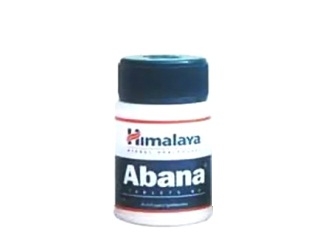
Abana (Ayurvedic Herbal Medicine) – Patient Guide (UK)
Abana is an Ayurvedic-style herbal product traditionally used to support urinary and kidney health. People often choose Abana as part of a natural approach when they want relief from mild urinary discomfort or to help maintain normal urinary function.
This guide explains what Abana is, how it may work, how the body handles it, typical uses, practical tips for taking it safely, and relevant UK context for herbal medicines. It is written in patient-friendly language to help you use Abana responsibly.
Basic Product Information
- Product name: Abana
- Type: Herbal medicine (traditional/plant-based formulation)
- Common form: Oral drops or tablets/capsules (availability may vary by supplier)
- What it’s marketed for: Support of urinary tract and kidney wellness; relief of mild urinary discomfort in line with traditional use
- Who it may suit: Adults looking for an herbal option for urinary comfort (age limits vary—check your specific product label)
Important: Herbal products can differ by brand and formulation. Always check the exact strength and ingredients listed on your Abana pack, as dosing instructions may vary.
How Abana Works (Mechanism of Action)
Because Abana is a multi-ingredient herbal product, its effects are thought to arise from a combination of plant constituents. While mechanisms can differ across formulations and the evidence base may vary, the overall traditional rationale for urinary-kidney support typically includes:
- Gentle diuretic-like support: Some herbal constituents may help increase urine flow, supporting the flushing of the urinary tract.
- Anti-inflammatory and soothing activity: Certain plant extracts may help calm irritation in the urinary tract.
- Antioxidant activity: Herbal antioxidants may help reduce oxidative stress associated with inflammation.
- Support for normal urinary function: Traditional use suggests a role in maintaining normal urinary comfort and function.
Note for patients: “Traditional use” means the product has been used historically for these purposes. If symptoms are severe, persistent, or associated with fever or blood in urine, seek medical advice promptly.
Pharmacokinetics: What Happens in the Body?
For herbal medicines such as Abana, detailed pharmacokinetic data (absorption, distribution, metabolism, and excretion) may not be fully established for all constituents. However, patient-relevant points include:
- Absorption: Plant constituents may be absorbed through the gastrointestinal tract after oral dosing.
- Metabolism: Active compounds are likely metabolised in the liver and/or gut before entering systemic circulation.
- Excretion: Because the product is used for urinary support, metabolites or active constituents may be eliminated through the kidneys and into urine.
- Onset of action: Many people notice improvement in urinary comfort within days, though responses vary.
Practical takeaway: Herbal products may require consistent use rather than a single dose for noticeable effect.
Typical Use and Indications (UK Patient View)
Abana is commonly used to support urinary health and to help relieve mild discomfort related to urinary tract irritation. Typical traditional indications may include:
- Urinay discomfort or burning sensation (mild cases)
- Frequent urination linked to minor irritation (not caused by serious infection)
- Supporting normal kidney and urinary function
- General urinary tract wellness as part of a broader lifestyle approach
Not for emergencies: Abana is not intended to replace urgent assessment for serious urinary problems such as suspected kidney infection, severe pain, fever, or visible blood in urine.
When to Take Abana (Timing and How Often)
Timing can influence how comfortable you feel and how consistently you take your doses.
- Typical schedule: Often taken once or twice daily depending on the product form and label instructions.
- Consistency: Try to take it at similar times each day.
- Duration: Follow the course length stated on the label or your pharmacist’s advice.
How to take:
- For drops: Measure carefully using the included dropper/syringe if supplied.
- For tablets/capsules: Swallow with water.
Missed dose: If you miss a dose, take it when you remember unless it is close to the next dose. Do not double up.
Food Interactions
Many herbal products can be taken with or without food, but patient comfort and absorption may vary.
- With meals: Taking Abana after food may help reduce stomach upset.
- On an empty stomach: If your label suggests empty stomach use, follow that guidance; however, stop and seek advice if you experience nausea, cramping, or irritation.
- Hydration: Drinking adequate water supports urinary comfort and may improve tolerability.
Food cautions: Avoid very large changes in diet mid-course (for example, extreme fluid restriction or excessive caffeine) because these can affect urinary symptoms and make it hard to judge whether Abana is helping.
Alcohol and Medicine Interactions
Alcohol: In general, it is sensible to limit alcohol while you are experiencing urinary discomfort because alcohol can irritate the bladder and worsen frequency in some people. There is no universal “absolute” interaction for all herbal ingredients, but the safest approach is:
- Limit or avoid alcohol during treatment, especially if you have burning, urgency, or frequent urination.
Interactions with other medicines: Herbal products may interact with certain medications. Tell your pharmacist or doctor if you take any of the following:
- Diuretics (“water tablets”): combining may increase fluid loss or urine frequency
- Diabetes medicines: some herbs can affect blood sugar in theory—monitor if you are on treatment
- Blood-thinning/antiplatelet medicines: though not always an issue, it’s important to check ingredients
- Kidney-impacting medicines: if you have chronic kidney disease or take medicines affecting kidney function
- Immunosuppressants or anti-inflammatory drugs: ingredient-specific interactions are possible
Always check the ingredient list: The specific plants and concentrations matter for interaction risk.
Dosing: How Much Should You Take?
Dosing depends on the exact Abana product you purchase (drops vs tablets/capsules), the concentration, and your personal circumstances.
| Abana form | Typical adult dosing (check your label) | How to take | Common timing approach |
|---|---|---|---|
| Drops | Often once or twice daily (dose varies by concentration) | Measure with provided dropper; mix with water if advised | After meals for comfort |
| Tablets/Capsules | Often once or twice daily (varies by strength) | Swallow with water | With or after food |
Patient safety note: Do not exceed the dose stated on your Abana pack. If you are pregnant, breastfeeding, or have kidney disease, speak to a healthcare professional before using Abana.
Safety Profile: What to Watch For
Herbal medicines are still medicines. Most people tolerate Abana well when used as directed, but side effects are possible.
Common or mild side effects
- Stomach discomfort (nausea, mild stomach upset)
- Heartburn or bloating
- Loose stools in some individuals
Stop and seek medical advice urgently if you have
- Fever, chills, or feeling very unwell
- Severe pain in the back or side (possible kidney involvement)
- Blood in urine
- Allergic reaction such as rash, swelling of lips/face, wheezing, or difficulty breathing
Who should use extra caution
- People with chronic kidney disease or known kidney impairment
- People taking multiple medications (interaction risk is harder to manage)
- Those with a history of kidney stones (symptoms may mimic mild irritation)
- Pregnancy and breastfeeding (safety data may be limited)
- Children (use only if specifically indicated for paediatric use on the product label)
Practical Use Tips (Get the Best Results)
To improve comfort and make it easier to judge whether Abana is working, consider these practical tips:
- Stay well hydrated: steady water intake supports urinary comfort.
- Avoid bladder irritants: reduce caffeine, fizzy drinks, and spicy foods if they worsen symptoms.
- Observe your symptom pattern: track burning, urgency, frequency, and any pain for 2–3 days.
- Give it a fair trial: many herbal regimens take several days to show effect; if no improvement occurs within the timeframe on the label, review with a pharmacist.
- Don’t ignore red flags: fever, back pain, or blood in urine require timely assessment.
- Follow the dosing device instructions: for drops, correct measurement matters.
Important: If symptoms are due to a bacterial infection, relying only on herbal support may delay appropriate care. If you worsen or don’t improve, seek advice.
Alternative Options
If Abana is not suitable or you want alternatives, consider options based on symptom severity and underlying cause. Depending on your situation, alternatives may include:
- Other herbal urinary support products: different brands may contain different extracts—always compare ingredients and dosing.
- Non-herbal urinary comfort approaches: increased hydration, avoiding bladder irritants, and symptom monitoring.
- Pharmacy advice for urinary symptoms: a pharmacist can help assess whether your symptoms sound mild or require urgent evaluation.
Choosing wisely: If you have repeated urinary problems, kidney disease, or significant pain, it’s especially important to get the cause checked rather than switching products repeatedly.
UK Market & Legal Context (Herbal Medicines)
In the United Kingdom, herbal and traditional medicines are regulated to varying degrees depending on claims and classification. Many herbal products are marketed as traditional herbal medicinal products or as food supplements. Regulation ensures that:
- Manufacturing standards and quality controls are in place.
- Labelling provides safe use instructions and warnings.
- Claims match the product’s registration/category.
Recent guidance matters: In the UK, health authorities and professional bodies regularly remind patients to:
- seek help promptly if urinary symptoms suggest infection or kidney involvement,
- not self-treat indefinitely when symptoms persist,
- review medication safety and interactions, including herbal medicines.
Because policies and public health advice can evolve, your pharmacist is the best source for the latest UK-facing guidance relevant to your health situation.
Recent Guidance and When to Get Help
Current UK health messaging for urinary symptoms generally emphasises:
- Prompt assessment for symptoms that are severe, recurrent, or accompanied by fever.
- Careful self-management for mild, short-lived urinary discomfort while monitoring changes.
- Pharmacist consultation to review interactions, suitability, and whether symptoms fit a simple, short course of care.
Seek urgent medical advice if you have any of the following:
- Fever or chills
- Back/flank pain
- Vomiting or feeling very unwell
- Blood in urine
- Suspected pregnancy or complications
Delivery and Availability in the UK
Abana availability may vary depending on the supplier and the exact product form (drops vs tablets/capsules). Many online pharmacies offer:
- Home delivery across the UK
- Standard and express options (depending on order value and location)
- Order tracking once dispatched
Delivery timelines: delivery estimates depend on stock status, carrier service, and local area. Check the product page for the most up-to-date dispatch and delivery information.
Stock status: If your preferred form is out of stock, some pharmacies may offer alternatives with similar urinary-support use—always compare ingredients and dosing instructions before switching.
FAQ – Abana (UK)
1) What is Abana used for?
Abana is traditionally used to support urinary tract and kidney wellness and to help relieve mild urinary discomfort associated with irritation or normal urinary challenges.
2) How quickly does Abana work?
Many people notice improvement in mild discomfort within a few days, but results vary. If there is no improvement within the timeframe suggested on the label, consult a pharmacist.
3) Can I take Abana with food?
Often yes. Taking it after meals may help reduce stomach upset. Follow the specific instructions on your Abana pack.
4) Is Abana safe with other medicines?
Herbal medicines can interact with other treatments. If you take diuretics, diabetes medicines, blood thinners, or kidney-related medicines, speak to a pharmacist and check the ingredient list carefully.
5) Can I drink alcohol while taking Abana?
It’s usually best to limit alcohol because it can irritate the bladder and worsen urinary symptoms. If you choose to drink, keep it moderate and stop alcohol if symptoms worsen.
6) Who should avoid Abana?
People with kidney impairment, pregnant or breastfeeding individuals, and children should use extra caution and only use Abana if it is specifically appropriate for them according to the product label and healthcare advice.
7) What should I do if I miss a dose?
Take the missed dose when you remember unless it’s close to your next dose. Do not double dose.
8) When should I seek medical help instead of taking Abana?
Seek urgent advice for fever, severe back/flank pain, vomiting, visible blood in urine, or if symptoms worsen or don’t improve within a short period.
9) Is Abana the same as every herbal urinary product?
No. Herbal products differ by ingredients, dose, and strength. Always compare the label carefully and don’t assume equivalent effects.
10) Is Abana available throughout the UK?
Availability depends on the supplier and product form. Many online pharmacies deliver across the UK, subject to stock and dispatch schedules.
Summary
Abana is an herbal product commonly used to support urinary tract and kidney wellness and to ease mild urinary discomfort in line with traditional use. When used as directed, it may be a helpful option for short-term urinary comfort. However, it’s essential to monitor symptoms and seek timely medical advice if you develop fever, significant pain, blood in urine, or if symptoms persist.
Always check the specific dose and instructions on your Abana pack. If you’re unsure whether Abana is suitable for you—especially if you take other medicines or have kidney conditions—ask a pharmacist for personalised guidance.