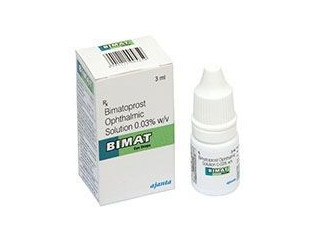
Bimat + Applicators (Bimatoprost) – Patient Guide (United Kingdom)
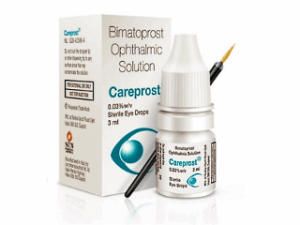
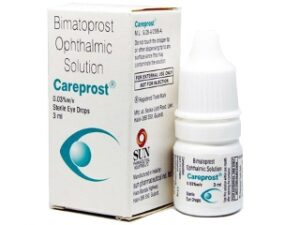
Bimat + Applicators is a brand of bimatoprost used to treat certain eye conditions by reducing pressure inside the eye. It comes as eye drops delivered using single-use applicators, designed to help make application simpler and more consistent. This page explains what the medicine does, how it works, how to use it, and what to expect—written to be patient-friendly.
If you have any concerns about your specific treatment plan, contact your optometrist/ophthalmologist or pharmacist. This guide is general information and not a substitute for professional advice.
Product overview
| Category | Details |
|---|---|
| Medicinal ingredient | Bimatoprost |
| What it is | Ophthalmic solution (eye drop) with single-use applicators |
| Main use | Reduces intraocular pressure (IOP) |
| Typical dosing schedule | Usually one drop/applicator once daily in the affected eye(s), often in the evening |
| Common administration approach | Apply to the conjunctival sac of the affected eye(s) |
| Prescription medicine status (UK) | In the UK, bimatoprost eye drops are typically supplied for glaucoma/ocular hypertension under clinical guidance. |
What Bimat + Applicators is used for
Bimatoprost is used to lower eye pressure, helping manage conditions where pressure is elevated and may damage the optic nerve. It is commonly used in adults for:
- Glaucoma (for example, open-angle glaucoma) where reducing IOP is important.
- Ocular hypertension (raised intraocular pressure) when treatment is appropriate to reduce risk.
How it works (mechanism of action)
Bimatoprost belongs to the group of medicines often called prostaglandin analogues (or prostamide mimetics). Its main action is to increase the outflow of fluid from inside the eye and, in some cases, to affect other pathways that influence how fluid is handled. This leads to a reduction in intraocular pressure.
Lowering IOP helps protect the optic nerve and can slow disease progression in glaucoma and related conditions.
When you should use it (timing and missed doses)
Many people are advised to use bimatoprost , typically in the evening. The exact timing can depend on your clinician’s instructions and the product information you received.
Typical timing
- Once daily application (commonly in the evening).
- Try to use it at the same time each day to build a routine.
- If you switch between medicines, keep the timing consistent and follow your plan.
If you miss a dose
- Apply the missed dose if you remember soon after.
- If it is close to the time of the next dose, skip the missed dose.
- Do not use double to make up for a missed applicator.
If you accidentally use extra
Using more than instructed may increase the risk of side effects such as redness or irritation. If you believe you used too many applicators, rinse with sterile saline or clean water (if advised by a healthcare professional) and contact your pharmacist or clinician for guidance.
Dosing (how much to use)
Follow your prescriber’s and the product leaflet’s instructions. The usual approach for eye drops is:
- One drop from one applicator into the affected eye(s) once daily.
- Apply only to the eye(s) you have been told to treat.
Using more frequently than recommended does not usually lower pressure further and may increase adverse effects.
Practical use tips (single-use applicators)
Single-use applicators are designed to reduce contamination risk and help you use the correct amount. The steps below are patient-friendly and generally applicable; always follow the leaflet supplied with your product.
Before you start
- Wash your hands thoroughly.
- Check the applicator has not passed its expiry date.
- If you wear contact lenses, ask your pharmacist/optometrist about whether to remove them before use. Many eye medicines recommend removing lenses and waiting before reinsertion.
How to apply
- Open the sealed pouch and remove one applicator.
- Tilt your head back slightly.
- Gently pull down the lower eyelid to form a small pocket.
- Look slightly upward and hold the applicator over the eye.
- Instil the eye drop into the lower eyelid pocket (avoid touching the applicator tip to the eye).
- Close your eye gently for about 1–2 minutes.
- Consider nasolacrimal occlusion (gently pressing the inner corner of the eye near the nose) for about 1 minute to reduce drainage into the rest of the body—this can also reduce side effects.
- Discard the applicator after use; do not save for later.
After application
- You may experience mild stinging or redness initially—this often settles.
- If you use other eye drops, wait the recommended interval (commonly around 5–10 minutes) before applying the next product. This helps prevent dilution and reduces the risk that one medicine washes out the other.
- If your vision blurs temporarily, avoid driving until it clears.
Mechanism details and pharmacokinetics (how the body handles it)
Understanding pharmacokinetics can help explain what to expect over time. After eye administration, bimatoprost is absorbed through ocular tissues and reaches systemic circulation to a small extent.
Absorption
- Bimatoprost can be absorbed through the eye and related tissues after topical administration.
- Systemic exposure is generally low compared with many oral medications.
Distribution
- Once absorbed, it may distribute into the body; however, levels are typically low after proper ocular dosing.
Metabolism
- Bimatoprost undergoes metabolic processing before elimination.
Elimination
- Metabolites are cleared via renal (kidney) and other pathways.
- Because systemic exposure is limited, changes in kidney function generally have less effect than with medicines taken by mouth—however, always discuss significant medical conditions with your healthcare team.
Individual responses can vary, and your clinician may adjust your treatment schedule based on your eye pressure readings and side effects.
Food interactions
Because bimatoprost is used as an eye drop, food interactions are not expected to be clinically significant. In most cases, you can take your normal meals and beverages without needing changes.
Alcohol and medicine interactions
Alcohol
There is no well-established direct interaction between bimatoprost eye drops and alcohol. However, alcohol can worsen general dehydration or irritation in some people, which may make eye discomfort feel more noticeable. If you drink alcohol, monitor how your eyes feel and seek advice if irritation persists.
Interactions with other medicines
Most interactions for topical ophthalmic medicines relate to other eye drops and timing rather than systemic drug–drug interactions. Important considerations include:
- If using more than one eye medicine, follow the order and spacing recommended by your clinician/pharmacist (often waiting several minutes between products).
- Some glaucoma/IOP medicines may be combined clinically—your clinician will choose appropriate combinations.
- If you are using other prostaglandin-type eye drops, your clinician will typically avoid duplication (using two medicines from the same class) unless specifically advised.
- Tell your pharmacist about all medicines you use, including eye drops, ointments, tablets, herbal products, and over-the-counter products.
Indications and clinical context in the UK
In the UK, glaucoma care commonly involves monitoring via eye pressure measurements and optic nerve assessment, with treatment escalation based on severity and risk. Bimatoprost is one option used to lower IOP in patients diagnosed with glaucoma or ocular hypertension, often when lifestyle measures alone are insufficient.
Safety profile and common side effects
Like all medicines, bimatoprost can cause side effects. Not everyone experiences them. Side effects most commonly involve the eye surface and the appearance of the eye area.
Common or frequently reported effects
- Eye redness (conjunctival hyperaemia)
- Itching, irritation, gritty feeling, or mild discomfort
- Dry eye or increased tearing
- Changes to eyelash appearance (for example, increased length/thickness)
- Periocular skin changes (around the eyelids) in some people
- Possible darkening of the iris (more noticeable in people with mixed or lighter-coloured eyes)
Other possible effects
- Mild headache or flu-like feelings (less common)
- Visual disturbances (usually temporary; seek advice if persistent)
- Eyelid changes or local inflammation
When to stop and seek urgent help
Seek urgent medical advice if you develop:
- Severe eye pain
- Significant or rapidly worsening redness
- Sudden vision changes
- Severe swelling around the eye
- Symptoms of infection (for example, heavy discharge) or allergy with rash/swelling
Long-term considerations
Some appearance-related changes (such as eyelash growth and iris pigmentation) may be long-lasting. Discuss any concerns with your eye care professional, especially if you experience bothersome irritation or cosmetic effects.
Safety in specific situations
- Pregnancy and breastfeeding: Safety can depend on the individual situation. Discuss with your clinician if you are pregnant, trying to conceive, or breastfeeding.
- Children: Use in children should be determined by specialist guidance and local regulatory instructions.
- Contact lenses: If allowed, you may still need to remove them before applying and wait before reinsertion, as preservatives and solution components can affect lenses.
- Eye surgery history: Inform your clinician if you have had eye surgery (for example, cataract surgery) or have conditions affecting the cornea; this can influence risk/monitoring.
Practical tips to improve comfort and effectiveness
- Apply gently and avoid touching the dropper tip to the eye or eyelids.
- If your eyes sting, try refrigerating lubricating drops (if your clinician allows) and ensure you’re using the correct technique (head tilt, gentle eyelid pull).
- If you also use moisturising drops, separate them from bimatoprost by a few minutes.
- Don’t stop treatment because of mild redness—contact your pharmacist/clinician for tailored advice.
- Attend regular follow-ups and bring the applicators or product name to appointments. IOP levels determine whether treatment needs adjustment.
Alternative options
If bimatoprost is not suitable due to side effects, effectiveness, or access, there are other therapies your clinician might consider. Alternatives may include:
- Other prostaglandin analogues (similar class medicines, often used once daily)
- Beta-blocker eye drops (reduce production of aqueous humour)
- Carbonic anhydrase inhibitors (reduce fluid production)
- Alpha agonists (reduce fluid production and increase outflow in some cases)
- Laser or surgical options in selected patients where medicines are insufficient or not tolerated
Your clinician will choose options based on your eye health, baseline IOP, response to treatment, and side effect profile.
Market and legal context in the United Kingdom
In the UK, glaucoma medicines and ophthalmic preparations are regulated by the Medicines and Healthcare products Regulatory Agency (MHRA) and supplied according to established clinical pathways. Ophthalmology often follows guidance on diagnosis and management, including monitoring frequency and escalation of therapy.
Your ability to obtain Bimatoprost may depend on local prescribing and clinical assessment. Online pharmacies in the UK typically provide medicines in line with relevant legal requirements and pharmacy standards, ensuring appropriate patient information and safe supply processes.
Recent guidance and care considerations (UK)
Glaucoma management guidance in the UK emphasises:
- Regular monitoring of IOP and optic nerve function.
- Adherence to treatment schedules (missing doses can reduce effectiveness).
- Reviewing side effects and considering alternative therapies if intolerance develops.
- Correct administration technique and coordination with other eye drops.
Your local eye clinic or optometry team may also follow updates on therapeutic strategies, including the appropriate use of combination therapies and patient education. If you have concerns, ask about your personalised plan for follow-up and response monitoring.
Delivery and availability
Bimat + Applicators may be available through UK pharmacy services, depending on stock and the supplier’s arrangements. Availability can vary by strength, pack size, and manufacturer.
- Dispatch: Orders are commonly dispatched once payment and checks are complete.
- Delivery: Delivery times can vary by courier and location across the UK.
- Tracking: Many deliveries include tracking information so you can monitor progress.
- Substitution: If a specific brand is unavailable, your pharmacy may need to discuss alternatives with you in line with regulations.
How to store Bimat + Applicators
- Keep out of the sight and reach of children.
- Store at the temperature stated on the outer carton/label.
- Keep applicators in their sealed pouch until use.
- Do not use after the expiry date printed on the pack.
- If you notice any change in colour, clarity, or packaging integrity, do not use and contact your pharmacist.
Frequently Asked Questions (FAQ)
1) Does bimatoprost make my eyes look different?
Some people notice more prominent eyelash growth and changes around the eyelids. In some cases, there may be iris pigmentation changes (often gradual). These effects are known for prostaglandin-class medicines. Discuss any concerns with your eye care professional.
2) Will it work if I use it in the morning instead of the evening?
Many patients are instructed to use bimatoprost in the evening, but the exact timing should follow your clinician’s advice or the leaflet supplied. If you change your routine, try to stay consistent and ask your pharmacist if morning use is appropriate for you. Using it more frequently than recommended is usually not advised.
3) Can I use moisturising drops (artificial tears) with Bimat + Applicators?
Often yes. Use moisturising drops at a different time and leave a small gap (commonly 5–10 minutes) between products. This helps prevent wash-out and reduces irritation. If you’re unsure, ask your pharmacist.
4) What if I wear contact lenses?
Many glaucoma eye drops contain components that can interact with contact lenses or increase irritation. Ask your optometrist or pharmacist for specific instructions on whether you should remove lenses before applying and when you can reinsert them.
5) How long does it take to lower eye pressure?
In many people, pressure-lowering effects can begin after initial dosing, but the full response may be confirmed over subsequent follow-ups. Continue daily use unless told otherwise by your eye care professional.
6) Is it safe to drive after using bimatoprost?
If you experience temporary blurred vision, wait until your vision returns to normal before driving. If blurred vision is persistent, contact a healthcare professional promptly.
7) Why do my eyes feel itchy or red?
Redness and irritation can occur with bimatoprost. Mild symptoms may improve as your eyes adjust. However, severe pain, significant swelling, or sudden vision changes are reasons to seek urgent medical advice.
8) Can I stop using it once my eyes feel better?
Glaucoma/ocular hypertension typically requires ongoing treatment to control IOP. Stopping treatment without medical advice can allow eye pressure to rise again and may increase the risk of optic nerve damage.
9) Are there foods or supplements that interact with bimatoprost?
Food interactions are not expected to be clinically important for an eye drop. If you’re taking supplements or herbal products, it’s still a good idea to inform your healthcare professional—though most interactions are unlikely.
10) What should I do if I miss several doses?
Resume your regular schedule as soon as you remember, but do not use extra to compensate. Contact your pharmacist or eye care team if you miss multiple doses, especially if you have an upcoming pressure check.
Important reminder
Bimat + Applicators (bimatoprost) can be an effective treatment for lowering intraocular pressure. Correct technique, consistent daily use, and regular follow-up are important to achieve the best outcomes. If you have new or worsening symptoms, seek medical advice promptly.