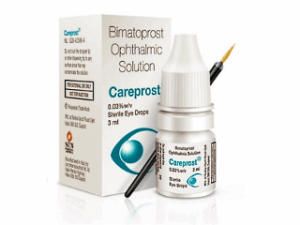
Careprost (Bimatoprost) Eye Drops – Patient Guide (UK)
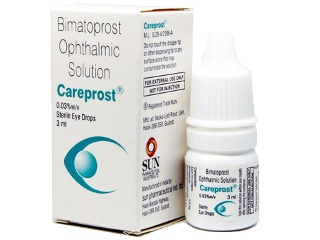
Careprost is an eye drop medicine containing bimatoprost. It is used to help reduce eye pressure and/or improve the appearance of the eyelashes in certain situations. This guide is written to be patient-friendly and explains how the medicine works, how to use it, what to expect, and what to discuss with a healthcare professional in the United Kingdom.
Important: This information is for general guidance. Your clinician’s advice and the instructions on your product label should always take priority.
Basic product information
| Item | Details |
|---|---|
| Medicine name | Careprost |
| Active ingredient | Bimatoprost |
| Medicine type | Prostaglandin analogue (see “Mechanism of action”) |
| Typical presentation | Ophthalmic solution (eye drops) for use in the eye |
| Common strength | Often supplied as 0.03% bimatoprost solution (check your specific product label) |
| Key storage advice | Store at room temperature and protect from contamination; follow label instructions. Keep the bottle tightly closed. |
What Careprost is used for (indications)
In the UK, bimatoprost is used for eye conditions where lowering intraocular pressure is important, commonly in:
- Open-angle glaucoma
- Ocular hypertension (raised pressure inside the eye)
In addition, some bimatoprost products are used to improve the appearance of eyelashes (commonly marketed in the UK for eyelash appearance under appropriate branding). The exact indication depends on the specific product formulation and how it is authorised in your country. For Careprost specifically, ensure you are using the correct product for your intended purpose and that it is appropriate for your situation.
Mechanism of action (how it works)
Bimatoprost belongs to a group of medicines called prostaglandin analogues. It helps reduce the pressure inside the eye by increasing the outflow of fluid from the eye.
In many people, this leads to:
- Lower intraocular pressure (IOP), which can help slow progression of glaucoma or reduce risk from ocular hypertension.
- For eyelash-related use in suitable products: enhanced eyelash growth/appearance over time.
Pharmacokinetics (what happens to the drug in the body)
Pharmacokinetics describes how a medicine is absorbed, distributed, metabolised and eliminated. For ophthalmic bimatoprost, systemic exposure is generally low when used correctly.
- Absorption: After applying eye drops, bimatoprost penetrates ocular tissues and acts locally.
- Distribution: Some amount may enter the bloodstream, but levels are usually low for typical eye-drop use.
- Metabolism: Bimatoprost is processed by the body through metabolic pathways (exact pathways may vary by person).
- Elimination: The drug and its metabolites are removed from the body primarily via renal (kidney) routes.
Because systemic absorption is limited, most side effects are related to the eye and surrounding tissues rather than whole-body effects. However, if you experience unexpected symptoms, seek medical advice.
Typical dosing and timing
Bimatoprost is commonly used in the affected eye(s). Many regimens recommend application in the evening.
When to take it (timing)
- Once daily in the evening is common practice for bimatoprost eye drops.
- Choose a time that you can keep consistently. If you miss a dose, follow your clinician’s instructions or the product leaflet.
Why evening timing matters: Prostaglandin analogues are often scheduled for evening because of biological rhythms affecting eye pressure and drug effect. Sticking to the recommended timing can help you get the best response.
How to apply (step-by-step)
- Wash your hands.
-
Prepare the bottle:
- Check the expiry date and the appearance of the solution (it should be clear).
- Avoid touching the dropper tip to the eye, eyelids, or fingers.
- Tilt your head back and gently pull down the lower eyelid to form a small pocket.
- Instil one drop into the affected eye(s).
- Close your eye and apply gentle pressure to the inner corner of the eye (near the nose) for about 1 minute.
- This can reduce drainage into the tear duct and may improve local effect while lowering systemic absorption.
- Wipe away excess fluid with a clean tissue.
- Replace the cap immediately and wash your hands again.
If you use other eye drops
If you are also using other ophthalmic medicines, allow time between them:
- Typically, leave at least 5–10 minutes between different eye drops.
- Use Careprost as directed by your healthcare professional.
How long until it works?
Many people see a reduction in eye pressure within the first days, but the full effect may take longer. It is important to continue using the drops regularly and attend follow-up appointments so your eye pressure can be monitored.
Food interactions
There are no known clinically significant food interactions for bimatoprost when used as eye drops, because the medicine is applied locally to the eye and systemic absorption is low.
If you notice side effects that correlate with meals (e.g., nausea, dizziness, or worsening eye discomfort), it’s worth discussing with a pharmacist or clinician—especially if you have other medicines.
Alcohol interactions and medicines interactions
Alcohol
There are no direct alcohol interactions commonly reported for bimatoprost eye drops. However, alcohol may worsen dry eye symptoms in some people, and irritation can make eye conditions feel more uncomfortable.
If you drink alcohol and notice increased redness, stinging, or blurred vision, consider reducing alcohol intake and speak to your eye care professional.
Other medicines
Eye drops can occasionally interact with other medicines through:
- Shared effect on eye tissues (e.g., additive irritation when combined with multiple drops)
- Timing issues (drops can wash each other out if not spaced properly)
There are no well-known specific drug-to-drug interactions that automatically prohibit use of bimatoprost with all other medicines. Still, it’s important to tell your healthcare professional about:
- Any other eye drops or eye ointments
- Medicines for glaucoma or eye pressure
- Contact lens products
- Any eye surgeries or current eye inflammation
If you use multiple eye medicines, ask a pharmacist for a clear timetable.
Safety profile and possible side effects
Like all medicines, Careprost (bimatoprost) can cause side effects. Not everyone gets them. Many side effects are related to local eye changes and often improve over time.
Common side effects
- Redness of the eye
- Eye irritation or stinging
- Dry eye or a feeling of grittiness
- Itching or mild discomfort
- Watery eyes
Eye appearance and eyelash changes
Bimatoprost may cause changes around the eye, such as:
- Increased eyelash length, thickness, and darkness
- Darkening of eyelid skin in some people
- Change in iris colour (less common). This is typically gradual and may be permanent.
If you notice significant colour change, increased pigmentation, or new symptoms, arrange advice with your eye care professional.
Less common but more serious side effects
Seek prompt medical advice if you experience any of the following:
- Severe eye pain
- Marked redness or worsening inflammation
- Light sensitivity or sudden change in vision
- Swelling of the eyelids or face
- Signs of allergy, such as rash, itching, or breathing difficulties (call emergency services if breathing is affected)
Who should take extra care?
- People with inflammation inside the eye (uveitis) or certain eye conditions
- Those who have had recent eye surgery or have eye injuries
- People using other treatments for glaucoma—your clinician may adjust timing
- Anyone who has had an allergic reaction to bimatoprost or related ingredients
Practical use tips for best results
- Consistency is key: use at the same time each day.
- Use correct drop technique: one drop only; avoid touching the tip to prevent contamination.
- Minimise drainage: gently press the inner corner of the eye for about 1 minute after application.
- Contact lenses: remove your lenses before applying drops if recommended by your product instructions, and wait before reinserting (often 15 minutes; check your label).
- Watch for eyelash changes: eyelashes may become longer/darker—this can be expected with some bimatoprost products.
- Keep follow-up appointments: eye pressure and optic nerve health require monitoring.
Dosing adjustments and missed dose guidance
Do not use extra drops to make up for missed doses unless advised. If you miss a dose:
- Apply it when you remember if it is close to the next dose time only if your clinician or the product leaflet advises so.
- If it is nearly time for the next dose, skip the missed dose and resume your normal schedule.
If you are unsure, contact a pharmacist for advice tailored to your dosing schedule.
Overdose (too much) and what to do
Using too many drops in a short time is unlikely to cause immediate harm, but it can increase irritation and side effects. If you accidentally use more than directed:
- Rinse the eye with clean water or saline if recommended by your product leaflet.
- Seek advice from a pharmacist or clinician, especially if you have severe discomfort or vision changes.
Alternative options (other treatments)
If Careprost is not suitable, alternatives may include other glaucoma/pressure-lowering medicines or eyelash products depending on the indication. Your optometrist or ophthalmologist can advise what fits your diagnosis.
For eye pressure (glaucoma/ocular hypertension)
- Other prostaglandin analogues (doctor/pharmacist can advise options available in the UK)
- Beta-blocker eye drops
- Carbonic anhydrase inhibitors
- Alpha-agonists
- Combination drops (where clinically appropriate)
For eyelash appearance
There may be other eyelash-enhancing treatments depending on what is authorised and available. Ask your clinician or pharmacist to help you choose a product that is safe for your eyes.
Never switch treatments without professional advice, particularly for glaucoma, where maintaining consistent pressure control matters.
Market and legal context in the United Kingdom
In the UK, ophthalmic medicines are regulated under medicines legislation and overseen by the regulatory framework that ensures safety, quality, and appropriate use. Medicines are typically supplied through community pharmacies and dispensing models that align with NHS and private care pathways.
Availability may depend on:
- Whether the specific product is authorised for sale and use in the UK
- Whether it is supplied under the appropriate clinical pathway
- Local supply chains and pharmacy stock
When shopping online, choose a reputable UK pharmacy and check that the product packaging, batch details, and leaflet are included. If the origin or labelling is unclear, ask the supplier or choose another option.
Recent guidance (practical compliance and safety)
While guidance can evolve, common themes in UK eye-care safety advice include:
- Regular monitoring for glaucoma patients (eye pressure and visual/optic nerve checks)
- Proper drop hygiene to reduce contamination risk
- Prompt review if there are significant side effects such as pain, light sensitivity, or vision changes
- Clear spacing between eye drops to avoid washing one medicine out and reducing effect
If you have not had an eye pressure check recently, contact your optometrist or eye clinic.
Delivery and availability (UK online pharmacy)
Online pharmacy delivery in the UK may vary depending on:
- The pharmacy’s shipping zones
- Whether the medicine is in stock locally
- Order cut-off times for next-day or standard delivery
When ordering Careprost, ensure you:
- Check delivery estimates at checkout
- Review returns policies for unopened medicines (if applicable)
- Confirm product strength and formulation match your instructions
Keep an eye on expiry dates and store the drops as stated on the packaging once delivered.
Careprost FAQ
1) How do I use Careprost correctly?
Wash your hands, instil one drop into the affected eye(s) in the recommended schedule (often once daily in the evening), then gently press the inner corner of the eye for about 1 minute. Avoid touching the dropper tip.
2) What happens if I miss a dose?
Do not take double doses. If you miss a dose, follow the guidance in your product leaflet or ask a pharmacist. Generally, you resume your next scheduled dose.
3) Will Careprost stop glaucoma?
Careprost helps lower eye pressure, which can slow the progression of glaucoma in many people. It does not cure glaucoma, so regular monitoring remains essential.
4) Can Careprost change my eye colour?
In some people, bimatoprost can cause gradual iris colour change. This is less common and may be permanent. If you notice changes or have concerns, contact your eye care professional.
5) What side effects are most common?
Common effects include redness, irritation, dryness and watery eyes. Eyelash growth/darkening may occur depending on the product indication.
6) Is it safe to wear contact lenses?
Many eye drop instructions advise removing contact lenses before using drops and waiting before reinserting. Check your specific product leaflet and ask your pharmacist.
7) Can I use other eye drops with Careprost?
Yes, but you should space drops by at least 5–10 minutes unless advised otherwise. This reduces dilution and improves effectiveness.
8) Does Careprost interact with alcohol?
There are no known direct alcohol interactions with bimatoprost eye drops. However, alcohol may worsen dryness or irritation in some people, so monitor your symptoms.
9) What should I do if I get severe eye pain or vision changes?
Stop using the drops and seek urgent advice from an eye care professional or NHS services. Severe pain, marked light sensitivity, or sudden vision changes can be serious.
10) Are there alternatives if I can’t tolerate Careprost?
Yes. There are other treatments for glaucoma/ocular hypertension and, depending on indication, other eyelash products. Your clinician can recommend the safest option for your condition.
When to seek help
Contact a healthcare professional promptly if you develop:
- Severe or worsening eye pain
- Increasing redness with pain
- Sudden visual disturbance
- Significant eyelid swelling
- Signs of an allergic reaction
For ongoing monitoring, continue regular eye tests so your eye pressure and overall eye health are managed properly.