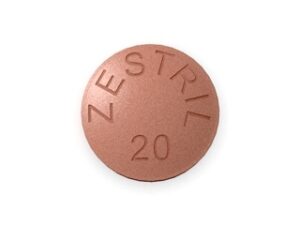
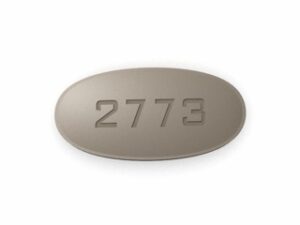

Bystolic (Nebivolol) — Patient-Friendly Guide (UK)
Bystolic is a brand of nebivolol, a medicine used to treat certain heart and circulation conditions. This guide explains what nebivolol does, how it works in the body, how to take it safely, and what to consider with other medicines, food, and alcohol. It is written for people living in the United Kingdom.
Always follow the instructions given by your healthcare professional and the information on the product packaging. If you are unsure about your treatment, ask your pharmacist or prescriber.
Quick product information
- Medicine name: Nebivolol
- Brand: Bystolic
- Drug class: Beta-blocker (selective beta-1 blocker) with additional vascular effects
- Common forms: Tablets (strength varies by product)
- Typical dosing frequency: Often once daily
- Key uses: High blood pressure and chronic heart failure (in appropriate patients)
What nebivolol does (mechanism of action)
Nebivolol belongs to the class of beta-blockers. Beta-blockers help the heart by blocking the effects of stress hormones such as adrenaline (epinephrine) on the heart’s beta receptors.
Nebivolol is a selective beta-1 blocker, which means it primarily affects the beta receptors found in the heart. In addition, nebivolol has a vascular (blood vessel) effect that promotes nitric oxide activity in the body, helping blood vessels relax.
In practical terms, nebivolol can:
- Reduce heart rate and the force of heart contractions
- Lower blood pressure by easing the workload on the heart and relaxing blood vessels
- Improve symptoms and outcomes in chronic heart failure for suitable patients
Pharmacokinetics (how the body handles nebivolol)
Pharmacokinetics explains how a medicine is absorbed, distributed, metabolised, and eliminated. Nebivolol shows characteristics that are important for consistent dosing.
Absorption
Nebivolol is absorbed from the gut after you take it by mouth. Absorption may be influenced by food, but many people can take it either with or without food (see “Food interactions” below for details).
Distribution
After absorption, nebivolol distributes into body tissues, including the cardiovascular system.
Metabolism
Nebivolol is metabolised in the liver. Its metabolism can be affected by genetic differences and by other medicines that influence liver enzymes.
Elimination
Nebivolol and its metabolites are cleared from the body mainly via the liver and kidneys. If you have liver or kidney problems, your healthcare professional may adjust your dose and monitor you more closely.
Steady effect
For blood pressure and heart failure, it can take days to weeks to see the full benefit. Your prescriber may increase the dose gradually in certain conditions.
Typical use in the UK
Nebivolol is commonly used in the UK for:
- High blood pressure (hypertension): to lower blood pressure and reduce cardiovascular risk
- Chronic heart failure (long-term heart failure): in appropriate patients, often as part of a broader treatment plan
It may be chosen when a beta-blocker is appropriate and when clinicians consider nebivolol’s profile suitable for you. Some people take it alongside other blood pressure medicines.
When to take Bystolic (timing and missed doses)
Best time of day
Many people take nebivolol once daily. Choose a time that fits your routine and helps you remember. Taking it at the same time each day helps keep levels steady.
Can I take it in the morning or evening?
It can generally be taken either in the morning or evening, depending on what suits you and how you feel. If it makes you feel dizzy or light-headed, your pharmacist or prescriber may advise adjusting the timing.
How to take it
- Swallow the tablet(s) with water.
- Try not to skip doses.
- Do not stop suddenly without medical advice—this can worsen symptoms in some conditions.
If you miss a dose
If you miss a dose, take it when you remember unless it is close to the time of your next dose. Avoid taking a double dose to make up for a missed tablet. If unsure, ask your pharmacist.
Food interactions
Nebivolol can often be taken with or without food. However, it’s usually best to follow the instructions provided with your specific product.
Practical tips:
- Be consistent: if you normally take it with food, keep doing that.
- If you experience stomach upset or dizziness, consider taking it with a small meal (unless your prescriber advises otherwise).
Alcohol and medicine interactions
Alcohol can affect blood pressure and may increase the risk of dizziness or fainting in some people taking nebivolol. If you drink alcohol, do so carefully and avoid heavy intake, especially when starting treatment or after dose changes.
Be cautious with medicines that can change heart rate or blood pressure
Tell your pharmacist or prescriber about all medicines you take, including over-the-counter products and herbal remedies. Particular caution may be needed with:
- Other blood pressure medicines (risk of low blood pressure)
- Other heart-rate slowing medicines (may further lower heart rate)
- Calcium-channel blockers (especially non-dihydropyridines) used for heart rhythm or angina
- Antiarrhythmics (medicines for abnormal heart rhythms)
- Medicines that affect liver enzymes (can change nebivolol levels)
- Some antidepressants and antipsychotics (depending on the specific drug)
“Common OTC” considerations
Some over-the-counter products may affect blood pressure (for example, certain cold remedies containing decongestants). If you are unsure, check with your pharmacist.
Indications — what nebivolol is prescribed for
In the UK, nebivolol is indicated for:
- Hypertension: to reduce elevated blood pressure
- Chronic heart failure: in stable patients, typically as an add-on to standard therapy
Your doctor chooses the most appropriate treatment based on your medical history, symptoms, blood pressure readings, heart rate, and other conditions such as asthma, diabetes, kidney disease, or liver disease.
Dosing — typical approach (UK patient overview)
Dosing can differ by condition, age, and your kidney/liver function. Always use your prescribed dose. Below is a general overview of how nebivolol is often titrated.
High blood pressure (hypertension)
- Often started at a low dose and adjusted depending on response.
- The goal is to reduce blood pressure to a target range chosen by your healthcare professional.
- Your dose may be reviewed after several weeks.
Chronic heart failure
For heart failure, nebivolol is commonly introduced in a gradual titration process. This helps reduce the risk of side effects such as fatigue, low blood pressure, or dizziness.
- Start low and increase step-by-step as tolerated.
- Your heart rate and blood pressure may be monitored.
- Other heart failure medicines are often continued alongside nebivolol.
Kidney and liver impairment
If you have reduced kidney function or liver impairment, your prescriber may use a lower starting dose and monitor you more closely.
After starting or increasing dose
- You may feel more tired or dizzy temporarily.
- Report persistent or severe symptoms to your healthcare professional.
Safety profile — what to expect and when to seek help
Common side effects
Like all medicines, nebivolol can cause side effects. Many are mild and improve as your body adjusts. Commonly reported effects include:
- Tiredness or fatigue
- Dizziness, especially when standing up
- Slow heart rate (bradycardia)
- Headache
- Swelling of the legs in some cases
- Shortness of breath or exercise intolerance in susceptible people
Less common but important risks
- Low blood pressure (hypotension)
- Worsening heart failure symptoms (particularly early in treatment or after changes)
- Heart rhythm problems in people at risk
- Cold hands and feet
- Sleep disturbances or unusual dreams (varies between individuals)
When to seek urgent medical advice
Seek urgent help (e.g., NHS 111 for urgent advice or Emergency services if severe) if you experience:
- Fainting or near-fainting
- Severe dizziness or inability to stand
- Chest pain, severe shortness of breath, or sudden worsening of heart failure symptoms
- Very slow heartbeat with feeling unwell
- Signs of an allergic reaction (swelling of face/lips, difficulty breathing, widespread rash)
Special caution groups
Talk to your pharmacist or prescriber before using nebivolol if you have:
- Asthma or other breathing conditions (beta-blockers may affect breathing in some people)
- Diabetes (beta-blockers can mask symptoms of low blood sugar such as tremor)
- History of slow heart rate or certain heart rhythm disorders
- Poor circulation (e.g., Raynaud’s phenomenon)
- Untreated adrenal gland problems or severe metabolic issues
Do not stop suddenly
Stopping a beta-blocker suddenly can lead to worsening angina, increased heart rate, and other symptoms. If you need to stop, your healthcare professional should guide you on a safer plan.
Practical use tips for better results
- Check your pulse if advised: Some people are told to monitor heart rate at home.
- Track blood pressure: Home readings help your clinician adjust treatment.
- Stand up slowly: If you feel dizzy, get up gradually and sit if needed.
- Be consistent with timing: Taking it at the same time each day can improve control.
- Keep an “advice list”: Write down all medicines and supplements you use to show your pharmacist.
- Report breath or exercise changes: New or worsening breathing difficulty should be assessed.
Alternative options to consider
If nebivolol isn’t suitable or doesn’t control your symptoms as expected, there are other treatment options. Your prescriber will consider your diagnosis, overall cardiovascular risk, and other medical conditions.
Alternatives within the beta-blocker group
- Other beta-blockers may be considered depending on your condition and tolerability.
- Choice depends on selectivity, dosing frequency, and interactions.
Alternative medicines for hypertension
- ACE inhibitors (or ARBs)
- Calcium-channel blockers
- Diuretics (water tablets)
Alternative medicines for heart failure
Heart failure therapy often includes multiple medicine types (for example, treatments that reduce hospitalisation risk and improve survival). The exact regimen is tailored to the individual.
Do not switch or stop medication without medical guidance.
Market & legal context in the UK (patient overview)
In the UK, medicines are regulated by the Medicines and Healthcare products Regulatory Agency (MHRA). The availability of particular strengths and brands can vary.
Pharmacy dispensing and supply must follow UK medicines legislation and professional standards. Your pharmacist can explain how your chosen product is supplied, stored, and checked for quality.
If you are buying online, choose a site that complies with UK regulations and that provides clear information on product authenticity, delivery, and returns.
Recent guidance (general updates to watch)
Guidance for blood pressure and heart failure treatment can evolve over time, including updates to prescribing practices, monitoring schedules, and advice about medication safety. In the UK, clinicians commonly follow guidance from bodies such as NICE (National Institute for Health and Care Excellence) and relevant cardiology pathways.
While this page provides patient-focused information, always confirm current recommendations with your healthcare professional, particularly if you are starting treatment, have chronic heart failure, or have multiple long-term conditions.
Delivery and availability
Availability can depend on pharmacy supply chains and product strength. When ordering online in the UK, ensure the listing clearly states:
- The exact product name and nebivolol strength
- Pack size and tablet count
- Expiry date range (when provided)
- Delivery options and estimated dispatch/delivery times
- What you will receive (brand vs generic information)
For safe use, check that you have the correct tablet strength before starting a new pack. If the appearance or strength differs from what you usually use, contact your pharmacist before taking it.
Storage advice
- Store tablets at room temperature (away from excessive heat and humidity).
- Keep out of reach of children.
- Store in the original packaging to protect from moisture (as indicated on the pack).
FAQ — Frequently asked questions
1) Is Bystolic the same as nebivolol?
Yes. Bystolic is a brand name that contains nebivolol as the active ingredient. Other brands or generic nebivolol may exist depending on availability.
2) How quickly will I feel better?
Some people notice effects such as improved symptoms or steadier heart rate within days, but blood pressure and heart failure benefits may take several weeks. Your prescriber may adjust the dose over time.
3) Should I take it every day?
Yes, nebivolol is typically taken daily to keep blood pressure and heart stress under control. Missing doses regularly can reduce effectiveness.
4) Can I take it with food?
Often, nebivolol can be taken with or without food. If your product instructions suggest a particular approach, follow those directions. Consistency is key.
5) What if I feel dizzy after starting?
Dizziness can occur, especially at the beginning or after dose changes. Rise slowly, sit if needed, and contact your pharmacist or prescriber if dizziness is persistent or severe. They may adjust dosing or review your other medicines.
6) Does nebivolol affect my pulse?
Nebivolol can lower heart rate. In some people this is expected and beneficial, but if you notice an unusually slow heart rate or feel unwell (faintness, marked fatigue, breathlessness), seek advice promptly.
7) Can I drink alcohol while taking Bystolic?
You can usually drink alcohol in moderation, but be cautious. Alcohol may worsen light-headedness and low blood pressure. Avoid binge drinking and consider speaking to your pharmacist if you are unsure.
8) Are there interactions with cold and flu remedies?
Some decongestants can raise blood pressure or affect heart rate. Check labels and ask your pharmacist before using cold/flu products, especially during the first weeks of nebivolol treatment.
9) Can I stop nebivolol if I feel fine?
Don’t stop suddenly. If you think you should discontinue, talk to your healthcare professional first so they can advise a safe plan.
10) What should I do if I accidentally take too much?
Seek medical advice urgently, especially if you experience fainting, severe dizziness, unusual breathlessness, or a very slow heartbeat. If possible, take the medicine pack with you to help healthcare staff identify what was taken.
11) Is nebivolol suitable for asthma?
Nebivolol is a beta-1 selective beta-blocker, but it can still affect breathing in susceptible individuals. People with asthma or chronic obstructive pulmonary disease (COPD) should use it only if a clinician decides it is appropriate, with careful monitoring.
Summary
Bystolic (nebivolol) is a beta-blocker used in the UK to help treat high blood pressure and chronic heart failure in suitable patients. By reducing heart workload and promoting vascular relaxation, it can lower blood pressure and improve heart failure outcomes when used as part of a comprehensive plan.
For best results, take it consistently, follow your prescribed dose schedule, and be mindful of possible dizziness and interactions with other medicines and alcohol—particularly when starting or increasing dose.
Disclaimer: This information is for general patient education and does not replace advice from your healthcare professional. If you have questions about your specific situation, contact your pharmacist or prescriber.
| Category | Details |
|---|---|
| Active ingredient | Nebivolol |
| Medicine type | Beta-blocker (selective beta-1) |
| Main uses | Hypertension; chronic heart failure (appropriate patients) |
| How it’s usually taken | Often once daily, same time each day |
| Common considerations | May cause dizziness or tiredness; interactions possible with other heart-rate or BP medicines |