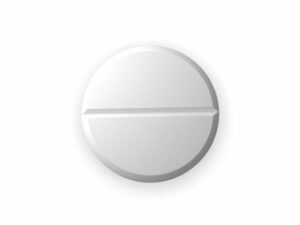
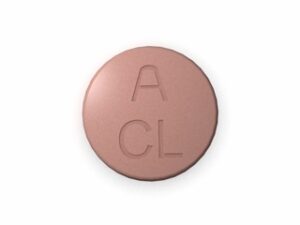

Avapro (Irbesartan) – Patient Guide (UK)
Avapro contains irbesartan, a medicine used to treat high blood pressure and to help protect the kidneys in certain people with diabetes and kidney disease. This guide explains how it works, how to take it safely, what to expect, and when to seek medical advice. It is written for patients in the United Kingdom and reflects common UK healthcare practices.
1. Basic product information
| Item | Details |
|---|---|
| Medicine name | Avapro |
| Active ingredient | Irbesartan |
| Medicine type | Angiotensin II receptor blocker (ARB) |
| Common forms | Tablets (strengths may vary by market) |
| Where it’s used | UK (availability may vary by supplier) |
| Typical storage | Store at room temperature, in a dry place, away from children |
Note: Always check your specific pack for strength and instructions provided with your medicine.
2. What Avapro is used for (typical use)
Avapro is mainly used to:
- Treat high blood pressure (hypertension), helping reduce the risk of stroke, heart attack, and other cardiovascular problems.
- Protect the kidneys in people with type 2 diabetes and certain degrees of kidney disease (often described as protein in the urine and/or reduced kidney function), especially when they are at risk of progression.
In the UK, treatment decisions are usually based on your overall cardiovascular risk, blood pressure readings, kidney function, and any related conditions such as diabetes.
3. How it works (mechanism of action)
Irbesartan belongs to the group of medicines called angiotensin II receptor blockers (ARBs).
Angiotensin II is a substance in the body that causes blood vessels to tighten (narrow), which can raise blood pressure. It also promotes hormonal and structural changes that may worsen kidney and heart function.
Irbesartan blocks the effects of angiotensin II at its receptor sites (AT1 receptors). This leads to:
- Relaxation of blood vessels → lower blood pressure
- Reduced strain on the heart
- Protective effects on the kidneys in people with diabetic kidney disease (by reducing harmful pressures and signalling within the kidney’s filtering system)
4. Pharmacokinetics (how the body handles Avapro)
Understanding how the medicine is absorbed and cleared can help you take it consistently.
- Absorption: Irbesartan is absorbed after oral dosing, with peak blood levels typically reached within a few hours.
- Distribution: It binds to plasma proteins (so levels can be affected by severe illness or low albumin, though this is uncommon).
- Metabolism: It is mainly metabolised by the liver (including involvement of CYP enzymes, particularly CYP2C9 in metabolic pathways).
- Elimination: It is cleared partly via the bile and partly via the kidneys. Overall, the drug has a duration of action that supports once-daily use in most regimens.
- Half-life (duration): The elimination half-life is long enough to allow once-daily dosing for blood pressure control.
Practical takeaway: Irbesartan builds steady effects over time, so blood pressure lowering may continue to improve over days to a few weeks.
5. Indications (when clinicians choose Avapro)
In everyday UK prescribing, irbesartan is chosen for:
- Hypertension (essential high blood pressure), either alone or with other blood pressure medicines.
- Diabetic nephropathy (kidney disease in people with type 2 diabetes), particularly when urine protein is elevated and kidney protection is a priority.
Why ARBs are used: ARBs like irbesartan can be an alternative to other blood pressure medicines and are often chosen when patients need kidney- and heart-friendly blood pressure control.
6. Dosing and timing
Your exact dose and schedule depend on your condition, kidney function, blood pressure response, and other medicines. Dosing in the UK typically follows published prescribing guidance.
Typical dosing (general examples)
- High blood pressure: Commonly once daily.
- Diabetic kidney disease: Often once daily, with dose adjusted according to response and tolerance.
How to take Avapro
- Once daily is common: Try to take it at the same time each day.
- Swallow whole: Take with a glass of water.
- If you miss a dose: Take it when you remember on the same day. If you are close to the next dose, skip the missed dose and continue as normal. Do not take a double dose.
When it starts working: Some blood pressure improvement may be noticed within days, but full benefit can take several weeks.
7. Food interactions
Food usually does not cause a major interaction with irbesartan.
In most patients, you can take Avapro with or without food. Consistency is still helpful—try to take it the same way each day.
Special note: If you experience stomach upset, dizziness, or other symptoms after taking a dose, consider taking it at a consistent time relative to meals and discuss with your healthcare professional.
8. Alcohol and medicine interactions
Alcohol
Alcohol can lower blood pressure further and may increase side effects such as dizziness or
- Consider keeping alcohol moderate and avoid binge drinking.
- If you feel faint or unusually dizzy after alcohol, talk to your clinician.
Important medicine interactions (common in practice)
Several medicines may affect potassium levels, kidney function, or blood pressure when used alongside irbesartan.
- Potassium supplements and salt substitutes containing potassium: may increase the risk of high potassium (hyperkalaemia).
- Diuretics (“water tablets”):
- Some diuretics can change kidney function or potassium levels.
- Combination therapy may be used, but monitoring is important.
- NSAIDs (painkillers such as ibuprofen, naproxen, diclofenac) including frequent use: can reduce kidney-protective effects and increase risk of kidney injury, especially in dehydrated patients or those with pre-existing kidney disease.
- Other medicines that affect the renin–angiotensin system:
- Using irbesartan with another ARB or an ACE inhibitor is usually avoided unless specifically directed, because it increases the chance of side effects such as kidney problems and high potassium.
- Lithium: can have increased levels and toxicity when combined with some blood pressure medicines; monitoring may be required.
- Immunosuppressants or other drugs that raise potassium may increase hyperkalaemia risk.
Practical approach: Keep an up-to-date list of all your medicines (including over-the-counter products) and share it with your pharmacist or GP.
9. Safety profile and potential side effects
Like all medicines, Avapro can cause side effects. Many people tolerate it well. Side effects can be influenced by dose, kidney function, hydration status, and other medicines.
Common side effects
- Dizziness or feeling light-headed (particularly early in treatment)
- Fatigue
- Headache
Less common but important effects
- High potassium (hyperkalaemia): may show as muscle weakness, abnormal heart rhythm, or no symptoms at all; it is often detected by blood tests.
- Changes in kidney function: usually seen through blood tests (creatinine/eGFR).
- Low blood pressure: more likely if you are dehydrated or on other blood pressure medicines.
Seek urgent medical help if
- You develop swelling of the face, lips, tongue, or throat, or trouble breathing (rare allergic-type reaction).
- You faint, experience severe dizziness, or have symptoms suggestive of a heart rhythm problem.
- You notice very reduced urine output, severe weakness, or confusion (can indicate significant kidney or electrolyte issues).
Monitoring that may be recommended
In the UK, clinicians often monitor:
- Blood pressure (home readings may be recommended)
- Kidney function (creatinine and estimated glomerular filtration rate)
- Potassium levels
Monitoring is especially important after starting, changing the dose, or if you become unwell (e.g., vomiting/diarrhoea causing dehydration).
10. Practical use tips for patients
- Consistency matters: Take your tablet at about the same time each day.
- Hydration: Keep well hydrated unless you’ve been told to restrict fluids. Dehydration increases the risk of low blood pressure and kidney problems.
- Stand up slowly: If you feel dizzy, get up slowly from sitting or lying positions.
- Check blood pressure regularly: If advised, measure at home and keep a log.
- Do not stop suddenly: If you plan to stop or switch, speak to your healthcare professional first. Stopping can lead to blood pressure rising again.
- Keep track of “sick day” situations: If you have severe vomiting or diarrhoea, you may be at higher risk of kidney injury. Many UK guidance sources recommend temporarily pausing certain medicines in dehydration—follow clinician advice for your specific case.
- Review over-the-counter medicines: Painkillers like ibuprofen and naproxen may not be suitable for everyone with kidney disease or on ARBs.
11. Alternatives to Avapro (irbesartan)
There are several alternative options depending on your diagnosis, kidney status, and blood pressure targets.
Alternative medicine classes
- ACE inhibitors (e.g., ramipril, enalapril): also reduce blood pressure and protect kidneys in some conditions, but may cause a persistent dry cough in some people.
- Other ARBs (e.g., losartan, valsartan, candesartan): similar approach but different individual responses.
- Calcium channel blockers (e.g., amlodipine): commonly used for hypertension.
- Thiazide-like diuretics (e.g., indapamide): used alone or with other agents.
- Beta blockers and others: depending on heart rate, heart disease, and comorbidities.
Non-medicine supportive measures
- Reducing salt intake
- Maintaining a healthy weight
- Regular physical activity as tolerated
- Limiting alcohol
- Stopping smoking
If you are considering switching medicines, your clinician may adjust dose gradually and arrange repeat blood tests.
12. UK market and legal context (what to expect)
In the United Kingdom, medicines containing irbesartan (including Avapro) are regulated and supplied under UK medicines legislation. ARBs are widely used in the National Health Service and in private care for appropriate indications.
Availability: Stock levels can vary by supplier. Generic versions may also be available depending on manufacturer supply and pharmacy arrangements.
Important: UK prescribing and monitoring practices commonly include blood tests for kidney function and electrolytes, particularly when medicines that affect the renin–angiotensin system are started or adjusted.
13. Recent guidance and clinical practice notes (UK context)
Ongoing clinical guidance for hypertension and diabetes-related kidney disease emphasises:
- Individualised blood pressure targets based on age, comorbidities, and overall cardiovascular risk.
- Regular monitoring of kidney function and potassium after initiating or increasing renin–angiotensin system blockers.
- Avoiding dual blockade of the renin–angiotensin system (for example, not combining an ARB with an ACE inhibitor or another ARB) unless there is a specialist rationale.
- Safety during acute illness: dehydration and reduced kidney perfusion can increase risk, so clinicians often advise review/temporary adjustments during severe vomiting/diarrhoea or dehydration.
Because guidance can evolve, your pharmacist or GP can confirm the most relevant advice for your situation.
14. Delivery, availability, and ordering from an online pharmacy (UK)
Availability of Avapro may depend on:
- Local supplier stock levels
- Tablet strength and pack size
- Seasonal demand and pharmacy procurement schedules
Delivery: Many UK online pharmacies offer standard and express delivery options. Delivery times may vary by location and stock status. You may receive a confirmation email and tracking information if available.
Packaging: Medicines are typically dispatched in tamper-evident packaging, with labelling that meets UK requirements.
Storage on arrival: Keep the tablets in their original pack, and store as directed (commonly at controlled room temperature and away from moisture).
If an item is temporarily unavailable, a pharmacy may offer an alternative pack size/strength or another equivalent option, subject to clinical suitability and patient consent.
15. Frequently Asked Questions (FAQ)
How quickly will Avapro lower my blood pressure?
Some effect may be noticed within days, but the full blood pressure benefit often takes several weeks. Consistent daily use is important.
Can I take Avapro with food?
Yes. You can generally take irbesartan with or without food. Choose a routine you can stick to every day.
What if I miss a dose?
Take it when you remember on the same day. If it is close to your next dose, skip the missed dose. Do not take two doses together.
Does Avapro raise potassium?
It can. ARBs may increase potassium levels in some people. This is why clinicians may check blood tests for potassium and kidney function after starting or changing dose.
Is Avapro safe for people with kidney problems?
It is used for kidney protection in certain patients, but kidney function monitoring is important. Your clinician will consider your eGFR/creatinine and overall risk profile.
Can I drink alcohol while taking Avapro?
Moderate alcohol may be compatible for many people, but alcohol can worsen dizziness and lower blood pressure. If you feel light-headed, reduce alcohol and discuss with your healthcare professional.
Which painkillers should I avoid?
Frequent or high-dose use of NSAIDs such as ibuprofen, naproxen, or diclofenac may increase the risk of kidney problems when combined with ARBs, particularly if you are dehydrated or have kidney disease. Occasional use may be acceptable for some patients, but discuss with your pharmacist for personal advice.
Can I take Avapro with other blood pressure medicines?
Often yes—combinations are common in hypertension management. However, it’s important to avoid inappropriate combinations (especially dual renin–angiotensin blockade) unless specifically directed by your clinician.
What should I do if I become unwell with vomiting or diarrhoea?
If you become significantly dehydrated, there may be increased risk to the kidneys and blood pressure. Follow your clinician’s advice for “sick day” medicines. If you’re unsure, contact your GP or pharmacist promptly.
Are there any warning signs that mean I should seek help quickly?
Seek urgent medical advice if you develop facial/lip/tongue swelling, severe dizziness/fainting, symptoms of very low blood pressure, or signs of serious kidney problems (such as markedly reduced urine output or severe weakness).
Summary
Avapro (irbesartan) is an ARB medicine widely used in the UK to treat high blood pressure and to help protect kidneys in certain patients with type 2 diabetes. It works by blocking angiotensin II, helping blood vessels relax and reducing pressure on the heart and kidneys.
For best results, take Avapro once daily at the same time, be mindful of hydration and alcohol, and keep up with recommended monitoring of kidney function and potassium. If you have any concerns—especially during illness or when starting/stopping other medicines—speak to a healthcare professional for personalised guidance.