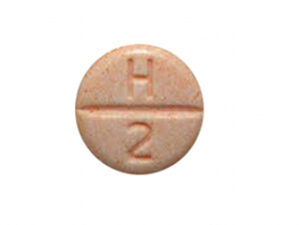


Calan (Verapamil) – Patient Information
Calan is a brand of verapamil, a medicine used to treat certain heart rhythm problems and some forms of high blood pressure and angina (chest pain). This guide is written to be patient-friendly and is suitable for use on an online pharmacy website in the United Kingdom.
Note: Products may come in different strengths and formulations (for example, immediate‑release vs modified‑release/“slow release”). Always follow the dose and instructions provided by your healthcare professional and the patient information leaflet for your specific product.
Key Product Information
| Item | What it means |
|---|---|
| Medicine | Verapamil (brand: Calan) |
| Common uses | Angina, high blood pressure, some abnormal heart rhythms (depending on formulation and patient) |
| Type | Calcium channel blocker (non-dihydropyridine) |
| How it works | Relaxes blood vessels and slows the heart rate |
| How it’s taken | Oral (swallowed tablets/capsules depending on product) |
| Important interactions | Some medicines for heart rhythm/blood pressure; antibiotics/antifungals; grapefruit; alcohol may increase effects |
How Calan (Verapamil) Works
Verapamil is a calcium channel blocker. It works mainly by:
- Blocking calcium entry into heart muscle cells and the smooth muscle in blood vessel walls.
- Reducing contraction strength and slowing electrical conduction within the heart.
- Relaxing blood vessels, which can lower blood pressure and improve blood flow to the heart.
Because it slows the heart rate and reduces the heart’s workload, verapamil may help control symptoms such as chest pain and certain abnormal heart rhythms.
Pharmacokinetics (What Happens in the Body)
Pharmacokinetics describes how the body absorbs, distributes, metabolises, and removes a medicine.
- Absorption: Verapamil is absorbed through the gut. Absorption can vary between immediate‑release and modified‑release forms.
- Metabolism: It is extensively metabolised by the liver (largely via CYP3A4).
- Bioavailability: Orally taken verapamil has variable availability due to first‑pass metabolism.
- Protein binding: Verapamil binds to blood proteins, affecting how much is available in circulation.
- Elimination: Metabolites are mainly eliminated via the kidneys and to some extent via bile.
- Half‑life: The time it takes for blood levels to reduce by half can be affected by age, liver function, and drug interactions.
Practical meaning for patients: Because verapamil is metabolised by the liver and can interact with other medicines, some people may need dose adjustments, extra monitoring, or may be advised to avoid certain interacting products.
Typical Uses in the UK
Verapamil is commonly used for:
- Angina pectoris: including some types where slowing heart rate and reducing workload can help prevent symptoms.
- High blood pressure (hypertension): in selected patients, particularly when appropriate for the individual’s overall cardiovascular profile.
- Abnormal heart rhythms (arrhythmias): in certain cases, especially where slowing heart rate through effects on cardiac conduction is useful.
Which condition is appropriate depends on the patient, the exact formulation (immediate vs modified release), and clinical assessment (including ECG results and other medical history).
When to Take Calan (Timing & Consistency)
The best timing depends on the formulation:
- Immediate‑release formulations: often taken multiple times per day to maintain symptom control.
- Modified‑release (slow/extended release) formulations: usually taken once or twice daily depending on the specific product.
General advice:
- Take your medicine at the same times each day to maintain stable levels.
- Swallow tablets/capsules whole unless your leaflet instructs otherwise (do not crush or chew modified‑release forms).
- If you miss a dose, do not double up unless your clinician or the patient leaflet specifically advises it.
Monitoring: Your prescriber may recommend blood pressure checks and/or ECG monitoring, particularly during dose changes or if you have rhythm symptoms.
Food Interactions & Dietary Considerations
Food can influence how verapamil is tolerated and how quickly it reaches the bloodstream.
- Grapefruit and grapefruit juice: can increase verapamil levels by affecting drug metabolism. It is generally advised to avoid grapefruit products while taking verapamil.
- Fatty meals: may alter absorption for some formulations; however, effects vary. If you notice consistent symptoms related to meals, discuss this with your pharmacist.
- Alcohol with food: can increase the overall tendency to feel dizzy, light‑headed, or flushed.
Tip: If you experience stomach upset, some people find taking verapamil with food reduces discomfort—confirm this for your exact product with the leaflet or pharmacist.
Alcohol and Medicine Interactions
Alcohol can enhance certain effects of verapamil, such as:
- Dizziness or light‑headedness
- Low blood pressure symptoms (especially when standing up)
- Feeling faint in vulnerable individuals
Practical advice:
- Limit alcohol and avoid binge drinking.
- Be cautious when drinking for the first time after starting verapamil or after a dose change.
- If you feel dizzy, do not drive or operate machinery.
Other Medicines That May Interact with Calan (Verapamil)
Verapamil has important drug interactions. It can affect the levels of other medicines and vice versa.
Medicines that commonly require extra caution
- Other heart medicines: medicines that slow the heart rate or affect cardiac conduction (for example, some anti‑arrhythmics and beta‑blockers) may increase risk of bradycardia or heart block.
- Blood pressure medicines: combined effects may increase the chance of low blood pressure.
- Digoxin: verapamil can increase digoxin levels, which may raise the risk of digoxin toxicity—monitoring may be needed.
- Statins: certain statins may interact (for example, increased risk of muscle side effects with some regimens). Your clinician may choose a safer statin or dose.
- Carbamazepine, phenytoin: other liver‑metabolised medicines may affect verapamil levels or be affected by it.
- Antibiotics/antifungals: strong inhibitors of CYP3A4 (e.g., some macrolides and azole antifungals) may increase verapamil exposure.
- HIV treatments: some medicines used for HIV can change verapamil levels.
- Immune‑modulating drugs: certain medicines may also interact via liver enzymes.
Herbal and “over‑the‑counter” items
- St John’s wort may reduce verapamil levels.
- Decongestants (some cold/flu products) may raise heart rate or blood pressure and may not be suitable for everyone—check labels and ask a pharmacist.
Always tell us/your clinician about all medicines you take, including non‑prescription products, vitamins, and herbal remedies.
Dosing: How Much and How to Use It Safely
Dosing of verapamil depends on the condition being treated, patient age, liver function, other medicines, and the specific formulation.
Important: This section describes general guidance only. Do not start or change a dose without clinical advice.
General dosing principles
- Start low, go slow: Many clinicians begin at a modest dose and adjust based on response and side effects.
- Formulation matters: Immediate‑release and modified‑release products are not directly interchangeable on a milligram‑for‑milligram basis.
- Watch for heart rate effects: Too much slowing can cause symptoms like dizziness or fainting.
- Liver impairment: may increase verapamil levels—dose adjustments and closer monitoring may be needed.
Example dosing approach (not a prescription)
- Angina / hypertension: dosing is adjusted gradually; some regimens use multiple doses per day for immediate‑release or a once‑daily schedule for modified‑release forms.
- Arrhythmias: may require more tailored dosing and ECG monitoring.
If you have been prescribed Calan, you’ll typically see a specific strength and schedule on your medicine label. If you’re unsure how often to take your version, speak to your pharmacist.
Safety Profile: Common Side Effects and Serious Risks
Like all medicines, verapamil can cause side effects. Many are mild and improve as your body adjusts.
Common side effects
- Constipation (can be persistent)
- Swelling in ankles/feet (fluid retention)
- Headache
- Dizziness or feeling light‑headed
- Flushing
- Low blood pressure (may cause “standing up” dizziness)
- Fatigue
Serious side effects (seek urgent advice)
Contact urgent medical help or seek immediate advice if you experience:
- Fainting or near‑fainting
- Severe dizziness or symptoms of very low blood pressure
- Very slow heartbeat, palpitations with feeling unwell, or new rhythm problems
- Shortness of breath, worsening swelling, or signs of worsening heart failure
- Severe allergic reaction (swelling of face/lips, difficulty breathing, hives)
- Unusual yellowing of skin/eyes (possible liver issues) or severe persistent nausea/vomiting
Who should be particularly careful
- People with certain types of heart block or very slow heart rate
- People with significant heart failure (especially if not appropriately managed)
- People with liver disease
- Older adults (may be more sensitive to blood pressure/heart rate effects)
If you have a history of heart conduction problems, ask your pharmacist or clinician about what warning signs to watch for.
Practical Use Tips (Getting the Best from Calan)
- Rise slowly: If you feel dizzy on standing, sit up first, then stand gradually.
- Manage constipation early: Increase fluids and fibre; discuss suitable laxative options with your pharmacist if constipation becomes problematic.
- Track symptoms: Note chest pain frequency, breathlessness, palpitations, or dizziness, especially after starting or changing dose.
- Check blood pressure/heart rate if advised: Your clinician may request home monitoring.
- Keep a list of medicines: Bring it to appointments and share it with healthcare professionals when new medicines are started.
- Avoid grapefruit: unless your healthcare team specifically says otherwise.
- Do not stop suddenly: For some cardiac indications, stopping abruptly may be harmful. Always seek advice before stopping.
Alternative Options
Alternatives to verapamil depend on your condition (angina, blood pressure, or arrhythmia), your ECG, heart function, and other medications.
Possible alternatives (examples)
- Other calcium channel blockers: such as diltiazem (a similar class for rate control), or dihydropyridines (more blood‑pressure focused).
- Beta‑blockers: may be used for angina and some rhythm control strategies in suitable patients.
- Other anti‑anginal or blood pressure medicines: depending on individual risk factors (for example, ACE inhibitors, angiotensin receptor blockers, or other agents).
- For certain arrhythmias: rhythm‑specific treatments may be considered in specialist care.
Your prescriber will choose an option that balances symptom control with safety, considering comorbidities and interaction risks.
UK Market and Legal/Regulatory Context
In the United Kingdom, medicines containing verapamil are regulated under the Medicines and Healthcare products Regulatory Agency (MHRA). Calan and verapamil products are supplied according to UK medicine classification rules and safety requirements.
Pharmacists and clinicians consider:
- Individual risk factors (heart conduction, blood pressure, liver function)
- Interaction profiles with current medicines
- Appropriate formulation (immediate vs modified release)
- Ongoing monitoring when clinically indicated (such as ECG and blood pressure)
Supply, packaging, and patient information must meet UK requirements to help ensure safe use.
Recent Guidance and Monitoring Considerations (UK Context)
Clinical practice in the UK emphasises patient safety around cardiovascular medicines. Key ongoing themes include:
- Careful review of interactions when medicines are started or stopped (including antibiotics and antifungals).
- Monitoring heart rate and blood pressure after dose changes, especially in older adults and those on multiple cardiovascular medicines.
- Appropriate formulation use for modified‑release products (to avoid altered absorption and dosing).
- Recognising warning symptoms such as dizziness, fainting, or worsening breathlessness.
Guidance can evolve as new evidence emerges. If you’re unsure whether your situation has changed (for example, you started a new medicine or have new symptoms), speak to your pharmacist for the most up‑to‑date advice.
Delivery and Availability (UK)
Availability varies by strength and formulation (for example, different tablet sizes or modified‑release versions). Online pharmacies typically offer delivery across the UK, subject to standard terms and stock availability.
What to expect:
- Packaging: Medicines are dispatched in secure packaging to protect the product.
- Delivery times: Delivery can vary depending on your location and the courier used.
- Stock availability: If an item is temporarily out of stock, you may be offered an alternative equivalent product if permitted and appropriate.
- Cold chain: Verapamil products are generally not temperature‑sensitive in the way that some biologic medicines are, but always follow handling instructions on the packaging.
For the most accurate information on delivery options and dispatch times, check the pharmacy’s delivery information at checkout.
FAQ – Frequently Asked Questions
1) What is Calan used for?
Calan (verapamil) is used for conditions such as angina, high blood pressure, and some abnormal heart rhythms. The exact use depends on your diagnosis and your specific formulation.
2) How quickly does verapamil work?
Some people notice symptom improvement quickly, especially for angina or heart rate control. However, full benefit can depend on the condition and formulation, and dose adjustments may take time.
3) Can I take Calan with food?
Many people can take verapamil with food to reduce stomach upset. Your specific product leaflet provides the most accurate guidance. Generally, grapefruit should be avoided.
4) Why is grapefruit a problem?
Grapefruit can increase verapamil levels in the blood by affecting liver metabolism pathways, which can raise the risk of side effects such as dizziness or an overly slow heart rate.
5) Can I drink alcohol while taking Calan?
Alcohol may increase dizziness or low blood pressure effects. It’s best to keep alcohol limited and avoid drinking if you feel unwell, dizzy, or faint.
6) What should I do if I miss a dose?
If you miss a dose, follow the instructions in the patient leaflet for your specific product. In general, do not take a double dose unless advised. If you are unsure, ask a pharmacist.
7) What side effect is most common?
Constipation is a frequently reported side effect. Other common effects can include headache, dizziness, swelling of the ankles, and flushing.
8) When should I seek urgent help?
Seek urgent medical advice if you faint, develop severe dizziness, have signs of very slow heart rate, experience worsening breathlessness, or show symptoms of a serious allergic reaction.
9) Is it safe to drive?
If verapamil makes you feel dizzy or light‑headed, avoid driving or operating machinery until you feel steady again. After starting or increasing dose, be especially cautious.
10) What are the most important drug interactions?
Important interactions can include certain heart medicines, antibiotics/antifungals, digoxin, and other drugs metabolised by liver enzyme pathways. Always review your full medicine list with your pharmacist.
Remember: If you have questions about your specific Calan strength or how it should be taken, your pharmacist can help you understand the directions for your particular product and provide tailored interaction advice.