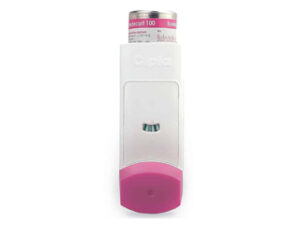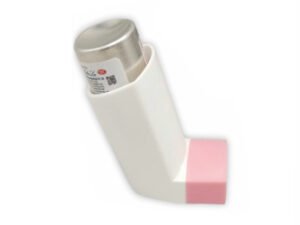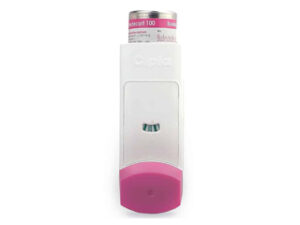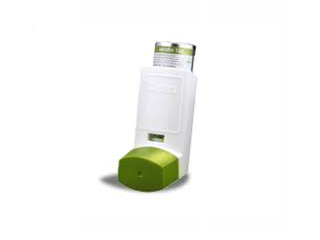
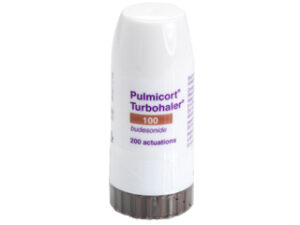

Seroflo Inhaler (Fluticasone + Salmeterol) – Patient Guide (UK)
Seroflo Inhaler is a combination asthma medicine containing two active ingredients: fluticasone (an inhaled corticosteroid) and salmeterol (a long-acting bronchodilator). It helps control symptoms and reduce flare-ups by treating both airway inflammation and long-term airflow limitation.
This page explains how Seroflo works, how to use it, when it should be taken, and key safety information for people in the United Kingdom. Always follow the instructions given with your device and any personalised advice from your healthcare professional.
Quick product information
| Item | Details |
|---|---|
| Brand | Seroflo Inhaler |
| Active ingredients | Fluticasone + Salmeterol |
| Medicine type | Inhaled corticosteroid (ICS) + long-acting beta2-agonist (LABA) |
| Common conditions | Asthma (and in some cases COPD depending on local product licensing and clinician advice) |
| How it’s used | Regular inhalation with a device (often a pressurised metered-dose inhaler depending on presentation) |
| When it works | Salmeterol helps quickly (within minutes); fluticasone helps over days |
What Seroflo is used for (indications)
Seroflo is used to control asthma symptoms when symptoms are not fully controlled with an inhaled steroid alone. The combination helps:
- Reduce daytime symptoms (wheeze, chest tightness, shortness of breath)
- Reduce night-time symptoms and awakenings
- Improve lung function
- Reduce the risk of asthma flare-ups (exacerbations)
- Support better overall control and reduced need for “reliever” inhalers
In the UK, asthma treatment is commonly guided by national clinical guidance. Seroflo may be selected when stepping up therapy is appropriate. Your clinician may choose a specific strength depending on your symptoms and history.
How Seroflo works (mechanism of action)
Seroflo combines two medicines that target different aspects of asthma:
1) Fluticasone (inhaled corticosteroid)
Fluticasone helps treat airway inflammation. In asthma, the airways are chronically inflamed, making them more sensitive and prone to narrowing. The corticosteroid:
- Reduces inflammatory cell activity in the airways
- Decreases swelling and mucus production
- Helps improve responsiveness to bronchodilation
This anti-inflammatory effect builds over time, so regular use is important even when you feel well.
2) Salmeterol (long-acting beta2-agonist, LABA)
Salmeterol relaxes the muscles around the airways, leading to bronchodilation (opening of the airways). It:
- Activates beta2 receptors
- Helps keep airways open for an extended period
- Improves symptoms such as breathlessness and wheeze
Because it is “long-acting,” its effect is designed to last for around 12 hours (depending on individual response and inhaler technique).
Together, the ICS component controls inflammation while the LABA component improves airflow and symptom control between doses.
Pharmacokinetics (how the body handles it)
“Pharmacokinetics” describes what happens to the medicine after inhalation—absorption, distribution, metabolism, and elimination. Exact values vary between individuals, and they depend on inhaler technique, the specific product strength, and lung deposition.
Absorption and lung delivery
- Inhaled fluticasone deposits in the lungs; some is swallowed and absorbed through the gut.
- Salmeterol deposits in the airways; a fraction may also be swallowed.
- Proper inhalation technique helps maximise the medicine reaching the lungs rather than the mouth/throat.
Distribution
Both components act mainly in the airways at the site of delivery, but small systemic absorption occurs. Systemic exposure is generally lower with inhaled therapy than with oral steroids/bronchodilators.
Metabolism
Fluticasone is primarily metabolised in the liver by CYP3A4. Salmeterol is also metabolised in the liver via CYP pathways. This is important for drug interaction considerations (see below).
Elimination
The medicines and their metabolites are eliminated mainly through the liver/bile pathway and excreted in faeces. The dosing schedule is designed to maintain symptom control with regular use.
Typical use and timing
Seroflo is intended for regular, twice-daily asthma control in most prescribing regimens (commonly morning and evening). The exact timing depends on your personal plan.
General guidance:
- Take your doses at roughly 12-hour intervals to maintain steady control.
- Use the same routine daily (for example, morning after breakfast and evening after dinner).
- Do not stop suddenly without advice, as this can increase the risk of loss of control and flare-ups.
Important: Seroflo is a controller inhaler. It is not usually intended as a rapid “reliever” for sudden breathlessness. For sudden symptoms, you may be advised to use a separate fast-acting reliever inhaler (often salbutamol/other short-acting bronchodilator). Ask your healthcare professional what to use for rescue symptoms.
Dose and how to take it (dosing)
Dosing depends on the severity of your asthma and the specific product strength you have been given. Your inhaler packaging or clinician instructions will indicate how many inhalations to use per dose and how often.
Common dosing patterns
- Adults and adolescents: often 1 inhalation twice daily depending on strength and control.
- Children: dosing is age- and strength-dependent; follow the clinician’s instructions exactly.
If you are unsure about the number of doses per day, check the label or patient information leaflet associated with your specific inhaler.
Practical inhaler technique tips (very important)
- Shake the inhaler if your device requires it (typical for many pressurised inhalers).
- Breathe out fully away from the mouthpiece first.
- Seal your lips around the mouthpiece and start to breathe in slowly and deeply.
- Press once to release the dose, continuing to breathe in steadily.
- Hold your breath for about 10 seconds (or as long as comfortable) after inhalation.
- If you need another puff, wait about 30–60 seconds and repeat steps.
- Rinse and spit after use (particularly with fluticasone-containing inhalers) to reduce the risk of oral thrush and hoarseness.
If you do not use the inhaler correctly, less medicine reaches the lungs and symptoms may worsen. A pharmacist or nurse can often check technique during a visit.
Food interactions
Food interactions are not usually a major issue for inhaled fluticasone/salmeterol because the medicine is delivered directly to the airways. However, keeping a routine (morning/evening) helps adherence.
- You can generally take Seroflo with or without food.
- If you experience stomach upset with swallowed medication from inhalation, consider taking doses at a time that suits you comfortably.
Alcohol and medicine interactions
Alcohol
There is no specific, well-established interaction between alcohol and Seroflo. However, heavy or binge drinking can worsen asthma control in some people and may affect judgement during flare-ups.
- Moderation is advised if you choose to drink.
- If alcohol triggers your asthma symptoms, discuss it with your healthcare professional.
Other medicines that may interact
Interactions are important because fluticasone and salmeterol are processed by liver enzymes (especially CYP3A4). Some medicines can increase levels and side effects; others may reduce effectiveness.
Be cautious and seek advice if you take:
- Strong CYP3A4 inhibitors (e.g., certain antifungals such as ketoconazole/itraconazole; some HIV medicines like ritonavir). These may increase fluticasone exposure and risk of systemic steroid effects.
- Other beta2-agonist medicines (including some decongestants with beta-agonist activity). Combined effects may increase side effects such as tremor or palpitations.
- Medicines that lower potassium (e.g., certain diuretics, high-dose systemic steroids). Low potassium can increase the risk of heart rhythm problems, especially when combined with beta2-agonists.
- Beta-blockers (including some eye drops for glaucoma). Non-selective beta-blockers may worsen asthma. Cardioselective options may be considered by clinicians, but do not self-adjust—ask your doctor/pharmacist.
Always tell a healthcare professional about all medicines you use, including: prescribed medicines, over-the-counter products, herbal supplements, and inhalers for “rescue” symptoms.
Safety profile and side effects
Like all medicines, Seroflo can cause side effects. Many people tolerate it well, especially when used correctly and with mouth rinsing after inhalation.
Common side effects
- Throat irritation or mild hoarseness
- Oral thrush (yeast infection in the mouth) – less likely if you rinse and spit after use
- Headache
- Tremor or mild shakiness (more often linked to salmeterol)
- Muscle cramps (occasionally)
- Palpitations (feeling your heartbeat)
Less common but serious risks
These risks are uncommon, but it is important to know what to watch for:
- Asthma worsening: If symptoms worsen after starting or increasing therapy, seek advice promptly. Do not simply stop without guidance.
- Signs of adrenal suppression (more likely with higher steroid exposure): unusual tiredness, weakness, nausea, or low blood pressure—seek urgent medical advice if suspected.
- Systemic steroid effects if exposure is high: changes in sleep, bruising, weight changes, or, rarely, effects on bones in long-term use. Inhaled steroids generally have lower systemic effects than oral steroids, but dose and duration matter.
- Cardiac effects from beta-agonists: fast or irregular heartbeat, chest discomfort, or fainting (seek urgent help if severe).
When to seek urgent help
Get urgent medical attention if you have:
- Severe breathlessness or struggling to speak in full sentences
- Symptoms not improving with your reliever inhaler
- Signs of a severe allergic reaction (swelling of face/lips, severe rash, breathing difficulties)
- Chest pain, fainting, or a very irregular heartbeat
Practical use tips for better control
- Use every day unless you are told otherwise. Controller inhalers are preventive.
- Check your technique at least once (or whenever control worsens). Poor technique is a leading cause of “treatment failure.”
- Rinse and spit after each dose to help prevent thrush and hoarseness.
- Monitor symptoms: track triggers, use of reliever, night waking, and peak flow if you use it.
- Watch for patterns: if symptoms reliably worsen at certain times, your clinician may adjust timing or add/modify therapy.
- Keep an action plan: many people with asthma have a written plan for worsening symptoms.
- Seek review if you regularly need your reliever inhaler or symptoms interfere with daily life.
Alternative options (other medicines you may be offered)
Asthma control is individual. Depending on your age, severity, symptom pattern, and response, alternatives may include:
Other inhaler types
- Inhaled corticosteroid alone (ICS) – suitable for some people with milder or controlled asthma.
- ICS + LABA combination inhalers (different strengths/brands) – similar concept but varying dosing or devices.
- Leukotriene receptor antagonists (tablets) – for some people with specific triggers (e.g., exercise-induced or allergic components).
- Biologic therapies (specialist use) – for severe asthma with specific biomarkers or phenotypes.
Reliever medicines
Most asthma plans include a separate fast-acting reliever for sudden symptoms. Your reliever choice and use frequency should be discussed with a healthcare professional.
If you are considering switching to an alternative, do it under guidance—changing strengths or devices can affect dose delivery and asthma stability.
Seroflo in the UK: market, legal and guidance context
In the United Kingdom, asthma management is commonly aligned with evidence-based recommendations from professional bodies. Treatment typically follows a stepwise approach—starting with lower-intensity therapy and escalating if control is inadequate.
Combination inhalers such as fluticasone/salmeterol are widely used when inhaled steroid monotherapy is not enough. Prescribing decisions consider symptom frequency, exacerbation history, and risk factors.
Recent guidance and monitoring themes (UK)
- Continued emphasis on correct inhaler technique and regular review of asthma control.
- Attention to adherence and the use of controller therapy to prevent flare-ups.
- Encouragement of structured asthma reviews (often annually, or more frequently if unstable).
Guidance can evolve, so it’s helpful to stay informed through trusted UK clinical sources or your healthcare team.
Delivery and availability (online pharmacy in the UK)
Seroflo inhalers are commonly stocked by UK pharmacies, subject to local supply and the specific strength/device type. Availability may vary by manufacturer and presentation (for example, different strengths may be distributed seasonally or differently).
- Check stock status on the product page before ordering.
- Delivery times can differ depending on your address and carrier service. Many pharmacies use standard and express options.
- Inhaler devices are temperature-sensitive to some extent. Store them as directed (usually at room temperature, away from heat and direct sunlight).
If you need help choosing the correct strength, ask customer support to confirm the exact product you require (including dose strength and inhaler type).
Storage and device care
- Store at room temperature.
- Keep away from heat and direct sunlight.
- Do not expose to extreme temperatures.
- Keep the mouthpiece area clean and dry.
- Follow the leaflet for instructions on cleaning (some devices need specific wiping methods rather than immersion).
FAQ – Seroflo Inhaler (Fluticasone + Salmeterol)
1) Is Seroflo a reliever inhaler?
No. Seroflo is a controller inhaler meant for regular use to keep asthma under control. For sudden symptoms, you may need a separate reliever inhaler. Follow your asthma action plan.
2) How quickly will Seroflo work?
The salmeterol component may help within minutes, while fluticasone’s anti-inflammatory benefits build over days. Many people notice improvement after the first doses, but full benefit typically develops with regular use.
3) Should I rinse my mouth after using Seroflo?
Yes. Rinse and spit after each use to reduce the risk of thrush and hoarseness. Do not swallow the rinse water.
4) What if I miss a dose?
If you miss a dose, take it when you remember unless it is close to the time of your next dose. Avoid doubling up—follow the instructions provided with your medicine and consult a pharmacist if unsure.
5) Can I drink alcohol while using Seroflo?
Generally, there is no direct interaction with alcohol. However, alcohol may worsen asthma in some individuals, and it may interfere with recognising symptoms. If you notice alcohol triggers your asthma, discuss options with your clinician.
6) Are there medicines I should avoid?
Some medicines may interact, especially those affecting liver enzymes (notably CYP3A4) or those influencing heart rhythm/potassium levels. Tell your pharmacist/clinician about all medicines you take, including antifungals, certain HIV medicines, beta-blockers, and diuretics.
7) Why is my asthma still not controlled?
Common reasons include incorrect inhaler technique, missed doses, ongoing exposure to triggers, or an asthma plan that needs review. If you are using your reliever frequently or symptoms are worsening, seek review rather than stopping Seroflo.
8) Can children use Seroflo?
Seroflo may be used in children in line with age-appropriate dosing and clinician advice. Use only the strength and dose instructions provided for your child.
9) What side effects should I be worried about?
Seek urgent help if you develop severe breathing problems, signs of allergic reaction, chest pain, fainting, or very irregular heartbeat. For persistent hoarseness or symptoms of thrush, contact your pharmacist or clinician.
10) What should I do during an asthma flare-up?
Follow your asthma action plan. Typically, you would use your prescribed reliever inhaler and seek medical advice if symptoms do not improve. If you do not have an action plan, ask your healthcare professional to provide one.
Remember: Seroflo is intended for long-term asthma control. If you have questions about correct use, interactions, or whether your current dose is right, speak with a pharmacist or clinician.