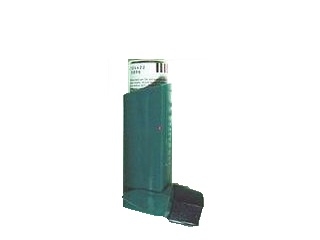

Ventolin Inhaler (Salbutamol) – Patient Guide (UK)
Ventolin Inhaler contains salbutamol, a medicine used to quickly relieve symptoms of asthma and other breathing conditions that involve reversible narrowing of the airways. It works within minutes by helping to open the airways, making it easier to breathe.
This guide explains how Ventolin works, when it’s used, how to use your inhaler correctly, safety information, and what to consider regarding other medicines, alcohol, food, and travel. It also includes practical tips and commonly asked questions for people in the United Kingdom.
1) Basic product information
| Product | What it contains | How it’s used | Common form |
|---|---|---|---|
| Ventolin Inhaler | Salbutamol | Breath-in through the mouth using a metered-dose inhaler (MDI) | Inhalation aerosol |
Important: Always check your specific pack for the strength and dosing instructions. Different inhaler devices and strengths may be used for adults and children.
2) What Ventolin is used for (indications)
Ventolin (salbutamol) is a reliever medicine. It is typically used for:
- Asthma:
- Relief of bronchospasm (tightening of airways) and asthma symptoms such as wheeze, coughing, chest tightness and shortness of breath.
- Prevention of exercise- or allergen-induced symptoms (for some people, as advised by their clinician).
- Chronic Obstructive Pulmonary Disease (COPD):
- Relief of reversible symptoms of airflow obstruction in appropriate patients.
- Other reversible airway conditions where a fast-acting beta2 agonist is appropriate (as advised by a healthcare professional).
When it’s not enough: Ventolin treats symptoms but does not reduce underlying airway inflammation. If you need frequent reliever use, your asthma may not be well controlled and you may need review and an appropriate controller medicine.
3) How Ventolin works (mechanism of action)
Salbutamol is a short-acting beta2-adrenoceptor agonist. When inhaled, it binds to beta2 receptors on smooth muscle in the airways, leading to:
- Relaxation of bronchial smooth muscle → airways open up (bronchodilation).
- Reduced airway resistance → easier breathing.
Ventolin is designed to provide fast symptom relief. It does not treat the inflammatory processes that can worsen asthma over time.
4) How quickly it works (timing)
- Onset: Many people feel relief within 5 minutes.
- Peak effect: Often reaches maximum effect within around 15–30 minutes.
- Duration: Relief typically lasts for about 4 to 6 hours (individual responses vary).
If symptoms are not improving after using the inhaler as directed, or if you need it more often than usual, seek medical advice promptly.
5) Pharmacokinetics – what happens in the body
Pharmacokinetics describes how a medicine is absorbed, distributed, metabolised, and eliminated.
- Absorption: With inhalation, a portion of the dose reaches the lungs; some is swallowed and absorbed via the gut.
- Distribution: After absorption, salbutamol can circulate in the bloodstream.
- Metabolism: The main route is metabolism in the liver to inactive metabolites (notably sulfate conjugates).
- Elimination: Metabolites and a small amount of unchanged drug are excreted primarily via the kidneys.
- Why inhalation matters: Lung delivery aims for a strong local effect in the airways, with lower systemic exposure than some oral forms.
Kidney and liver function can influence medication handling. If you have significant liver or kidney disease, discuss this with a clinician or pharmacist.
6) Typical use – reliever strategy
Ventolin is usually used as a reliever to relieve sudden symptoms. Some people also use it as preventive treatment shortly before known triggers (such as exercise), if advised.
General principles (UK-style asthma management):
- Use your reliever inhaler for symptoms, following the dosing instructions on your product label or the guidance given by your healthcare professional.
- If you’re needing reliever more frequently, or you wake at night with symptoms, your asthma (or breathing condition) may not be well controlled and you should get a review.
- Do not use Ventolin as the only therapy when regular controller treatment is needed.
7) Dosing – how much to take
Dosing varies depending on age, diagnosis, and severity. The information below is general and should be aligned with the instructions on your specific pack and clinician guidance.
Adults and adolescents (typical reliever use):
- Often: 1–2 inhalations when symptoms occur.
- If symptoms persist, additional inhalations may be taken according to the instructions on your pack and/or action plan.
Children (typical reliever use):
- Doses are usually lower than adults and may depend on age.
- Use a spacer (if recommended) to improve delivery and reduce side effects.
Exercise-induced symptoms:
- Some people are advised to take a dose shortly before exercise. Follow your personal asthma action plan.
Maximum frequency:
- Do not exceed the dosing frequency stated on the packaging or by your healthcare professional.
- If you require your reliever very frequently (for example, more than recommended on your action plan), you should seek prompt medical advice.
For urgent breathing difficulties: If you are struggling to breathe, cannot speak in full sentences, have lips turning blue, or feel your symptoms are worsening despite reliever use, seek emergency help immediately (call 999 in the UK).
8) Practical inhaler use tips (how to get the most from Ventolin)
Correct technique is crucial. Poor technique is a common reason inhalers don’t work as well as expected.
- Remove the cap and check the mouthpiece for debris.
- Shake the inhaler (if your device design requires shaking).
- Breathe out fully away from the inhaler.
- Seal your lips around the mouthpiece.
- Start to breathe in slowly and press the canister once to release the dose.
- Continue breathing in steadily and deeply for a few seconds.
- Hold your breath for about 10 seconds (or as long as comfortable), then breathe out slowly.
- If a second puff is needed, wait about 30–60 seconds before repeating.
Spacers: Using a spacer can improve how much medicine reaches the lungs and can reduce side effects such as throat irritation and tremor. Many people (including children) benefit from a spacer—ask your pharmacist or clinician.
Check whether your device needs priming: Some inhalers require initial priming (spraying into air) when first used or after a period of non-use. Follow the instructions in your patient information leaflet.
Monitor dose counters (if present): Keep an eye on your remaining doses. Replace the inhaler before it runs out.
9) Food interactions
There are generally no specific food interactions expected with inhaled salbutamol because the drug acts mainly in the lungs and only a small portion is swallowed.
That said, if you experience stomach upset or palpitations after reliever use, discuss this with a healthcare professional. Maintain a consistent eating pattern, particularly if you have diabetes or heart rhythm conditions.
10) Alcohol interactions
Alcohol does not usually have a direct interaction with inhaled salbutamol. However, alcohol can:
- Worsen breathing in some people (especially with asthma, COPD, or smoking-related airway irritation).
- Increase the risk of dehydration and can affect sleep, potentially making symptoms feel worse at night.
If you drink alcohol, be alert to breathing changes. Avoid binge drinking and plan to have your reliever available.
11) Medicine interactions (important safety information)
Even though inhaled salbutamol is targeted to the lungs, it can still have systemic effects at higher doses. Tell your pharmacist or clinician about all medicines you use, including over-the-counter products.
Common interaction considerations
- Beta-blockers (for example, some medicines used for blood pressure, angina or heart rhythm issues):
- Beta-blockers may reduce the effectiveness of salbutamol.
- Non-selective beta-blockers may be particularly problematic for people with asthma.
- Other bronchodilators and sympathomimetic medicines:
- Using multiple stimulatory inhalers may increase the risk of side effects like tremor or palpitations.
- Diuretics (“water tablets”), especially certain types:
- Salbutamol can lower potassium (hypokalaemia) at high doses; diuretics may also affect potassium balance.
- Other medicines that affect heart rhythm:
- Combined effects may increase risk of palpitations or rhythm changes in susceptible individuals.
When to be extra cautious
- Heart disease, previous abnormal heart rhythm, or severe palpitations
- Hyperthyroidism
- Diabetes (salbutamol can sometimes affect blood sugar levels)
- Low potassium or history of electrolyte imbalance
If you experience severe or persistent side effects (fast heartbeat, chest pain, fainting, severe shaking), seek urgent advice.
12) Safety profile – side effects and what to do
Ventolin is generally well tolerated when used correctly. Like all medicines, it can cause side effects.
Common side effects
- Tremor (shaking)
- Headache
- Fast heartbeat (palpitations)
- Feeling restless or anxious
- Dry mouth or throat irritation
Less common but important
- Low potassium (hypokalaemia)—more likely with high doses.
- Muscle cramps or weakness (could relate to low potassium).
- Abnormal heart rhythm (rare).
Allergy (rare)
Seek urgent medical help if you develop signs of an allergic reaction such as:
- Swelling of the face, lips, tongue, or throat
- Hives (urticaria)
- Severe rash
- Wheezing or difficulty breathing that is sudden and not typical for your asthma
Overuse and warning signs
- If you are using your reliever more frequently than usual, or symptoms are worsening, this can signal poor asthma control.
- Do not ignore symptoms—get advice promptly, especially if you have chest tightness that does not settle after reliever use.
13) Safety in special situations
- Pregnancy and breastfeeding: Salbutamol is commonly used when needed. The benefits of good control of asthma usually outweigh potential risks. Discuss your situation with a healthcare professional.
- Children: Ensure correct technique and consider a spacer. Side effects like tremor may be more noticeable in children.
- Older adults: Be mindful of heart-related side effects and comorbidities.
14) Alternative options to consider
If Ventolin is not suitable, not effective, or needs supplementing due to asthma control, there are alternatives depending on your diagnosis and assessment.
Reliever alternatives
- Other short-acting beta2 agonists (same class, different brands/devices)
- Different reliever delivery methods (for example, nebules in some cases, or different inhaler types)
Controller (prevention) options (if needed)
For long-term asthma control, clinicians may prescribe inhaled corticosteroids and sometimes other controller medicines. These reduce inflammation and lower the risk of flare-ups.
Your best option depends on your symptoms, triggers, and previous asthma reviews. A pharmacist can help you understand differences between devices and strengths.
15) Market and legal context (United Kingdom)
In the UK, asthma and COPD treatments are supported by national clinical guidance and local NHS services, including regular reviews and action plans.
- Clinical guidance: UK asthma and COPD care is guided by established recommendations (including NICE and other specialist guidance).
- Medicines regulation: Ventolin (salbutamol) products are licensed for use in the UK and supplied in accordance with medicines legislation and pharmacy practice.
- Packaging and leaflets: Patient information is provided with the product. Always read the leaflet supplied with your exact inhaler.
- Access: Inhalers may be supplied through NHS services, private healthcare, or retail pharmacy channels depending on the product and local policy.
16) Recent guidance and practical UK considerations
UK asthma care increasingly emphasises:
- Regular review of inhaler technique and symptom control
- Appropriate use of reliever medicines and awareness that frequent reliever use may indicate worsening control
- Step-up therapy when symptoms are not controlled (for example, adding or adjusting controller treatment under professional advice)
If you are using Ventolin frequently or having night-time symptoms, ask for an asthma review (through your GP practice or asthma clinic where available) to ensure your long-term plan is right for you.
17) Delivery and availability (UK)
Ventolin Inhaler availability can vary depending on stock and pack size. Many pharmacies offer home delivery within the UK, with delivery times depending on the courier and service level selected.
- What to check before ordering: strength, number of doses, and whether your device includes a dose counter.
- Cold chain: Most salbutamol inhalers do not require refrigeration, but always follow storage instructions on the pack.
- Delivery expectations: Some orders may be dispatched quickly if in stock; others may have longer lead times.
If you’re ordering for a child, ensure you are purchasing the correct formulation and dosing plan suitable for their age group.
18) Storage and handling
- Store at room temperature and away from direct heat and sunlight.
- Do not puncture or burn the canister, even when empty.
- Keep out of sight and reach of children.
- Check the patient leaflet for device-specific storage guidance.
19) FAQ – Ventolin Inhaler (Salbutamol)
1. Is Ventolin a preventer or a reliever?
Ventolin is a reliever (a fast-acting bronchodilator). It helps open the airways during symptoms, but it doesn’t treat the underlying inflammation in asthma.
2. How many puffs should I take?
Doses depend on age and your personal action plan. Check the dosing instructions on your pack and follow advice from your clinician or pharmacist. If you are unsure, ask in-store or via the pharmacy contact channel.
3. How long does Ventolin take to work?
Relief is often felt within 5 minutes, with effects typically lasting around 4–6 hours.
4. Can I use Ventolin every day?
Some people with symptoms may need regular reliever use. However, frequent reliance on relievers can indicate poor control. In that case, your long-term treatment plan should be reviewed.
5. What if I don’t feel better after using it?
If symptoms are not improving, or you’re getting worse, follow your asthma action plan and seek medical advice promptly. For severe breathing difficulty or signs of an emergency, call 999 immediately.
6. Should I use a spacer?
A spacer is often recommended to help deliver the medicine effectively into the lungs, especially for children, older adults, and those who struggle with inhaler technique.
7. Does Ventolin interact with other medicines?
It can interact with some medicines, particularly beta-blockers and some heart and diuretic medicines. Always check with a pharmacist if you take other medications.
8. Can I drink alcohol while using Ventolin?
There is usually no direct interaction, but alcohol may worsen breathing for some people. Use caution and have your inhaler available.
9. What side effects are normal?
Tremor, headache, and palpitations are the most common. If side effects are severe, persistent, or you develop chest pain or an abnormal heart rate, seek urgent advice.
10. Is Ventolin safe for children?
Ventolin is used in children when indicated, but dosing and technique are important. Use the correct dose for age and consider a spacer. If you’re unsure, ask your pharmacist.
Summary
Ventolin Inhaler (salbutamol) is a short-acting bronchodilator used to relieve symptoms of asthma and certain breathing conditions. It works quickly by relaxing airway muscles, making breathing easier. Correct inhaler technique (often with a spacer) helps it work effectively and reduce side effects. If you find yourself needing your reliever frequently, don’t just increase the dose—seek a review to ensure your long-term control plan is right.