
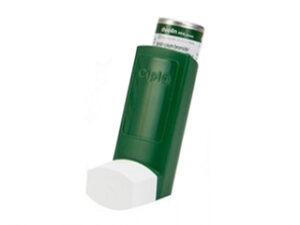
Tiotropium Bromide (Inhaled) – Patient Information
Tiotropium bromide is a long-acting medicine used to help people breathe more comfortably by relaxing the airways. It belongs to a group of medicines called long-acting muscarinic antagonists (LAMAs). In the UK, tiotropium bromide is available in inhaler or nebulised forms depending on the product brand.
This guide is designed to be helpful and patient-friendly. It explains how tiotropium works, how it’s used, common side effects, and practical tips to get the most from your inhaler. Always follow the specific instructions supplied with your product and by your healthcare professional.
1. Basic product information
| Feature | Information |
|---|---|
| Generic name | Tiotropium bromide |
| Medicine type | Inhaled long-acting antimuscarinic (LAMA) |
| Common uses | COPD symptoms; certain asthma plans in specific cases (as directed) |
| How it’s taken | Inhalation using an inhaler or nebuliser (product-dependent) |
| Typical dosing frequency | Often once daily (brand/formulation dependent) |
| Onset | Improves breathing within hours; full benefit may take days |
| Availability in the UK | Prescription-only status may apply depending on product; availability varies by brand and device |
2. How tiotropium bromide works (mechanism of action)
Your airways have muscle and nerve signals that can tighten them, especially in conditions like chronic obstructive pulmonary disease (COPD). Tiotropium bromide blocks muscarinic receptors (particularly the M3 subtype) in the airways.
- Prevents airway constriction: By blocking muscarinic signalling, it helps keep the bronchial muscles relaxed.
- Improves airflow: This relaxation can reduce breathlessness and improve airflow over time.
- Long duration: Tiotropium is designed to act for a long period, allowing once-daily dosing in many formulations.
Tiotropium is a controller medicine. It helps reduce symptoms and exacerbations, but it is usually not intended to relieve sudden, immediate breathing attacks.
3. Pharmacokinetics (what the body does with the medicine)
Pharmacokinetics describes absorption, distribution, metabolism and elimination. Because tiotropium is inhaled, much of the effect is local within the lungs. Systemic exposure is generally lower than with oral medicines.
- Absorption: After inhalation, a portion reaches the lungs and a portion may be swallowed.
- Distribution: Tiotropium distributes into tissues and shows limited penetration into the brain.
- Metabolism: Tiotropium is not extensively metabolised. It is largely unchanged.
- Elimination: The medicine is mainly eliminated by the kidneys.
- Half-life: Tiotropium has a long terminal elimination half-life, supporting once-daily dosing.
Kidney function matters: Because elimination is mainly renal, people with impaired kidney function may need closer monitoring. Your clinician may adjust the plan or choose a suitable formulation.
4. Typical use and timing
What tiotropium is used for
In the UK, tiotropium bromide is commonly used to:
- Manage COPD (chronic obstructive pulmonary disease), helping reduce symptoms such as breathlessness and improving lung function.
- Asthma (selected cases): some people may be prescribed a LAMA as an add-on option when asthma is not adequately controlled with standard inhaled therapy. This is tailored to individual care plans.
When to take it
Many tiotropium inhalers are taken once daily, at the same time each day to maintain consistent control. Choose a time you can reliably remember (for example, morning or evening).
- Try to keep a regular schedule.
- Don’t double up if you miss a dose. Follow the guidance in your leaflet or from your healthcare professional.
- Use your reliever inhaler (e.g., a short-acting bronchodilator) for sudden symptoms if prescribed.
Important: Tiotropium is not intended for rapid relief of acute breathlessness. If your symptoms suddenly worsen, use your usual rescue medicine and seek medical advice urgently if needed.
5. Indications (conditions where it may be prescribed)
Indications describe the approved or commonly used conditions for which the medicine is given. Exact wording can vary by product and licence. In general, tiotropium bromide is indicated for:
- COPD: maintenance treatment to improve symptoms and reduce exacerbations.
- Asthma in selected patients: as an add-on therapy when symptoms are not controlled despite standard inhaled treatment, under specialist or guideline-led plans.
Your specific inhaler, strength, and frequency will depend on the brand, device type, and your personal treatment plan.
6. Dosing (how to take tiotropium bromide)
Dosing depends on the inhaler brand, the device type, and the condition being treated. Always use the dose stated on your prescription label and the patient information leaflet for your product.
General dosing principles (typical guidance)
- Once-daily maintenance: Many tiotropium bromide products are used once daily for long-term control.
- Do not exceed the prescribed dose: Taking more does not usually provide extra benefit and may increase side effects.
- Follow inhaler technique carefully: Correct technique is crucial for medicine reaching the lungs.
Missed dose advice
If you miss a dose, take it when you remember unless it is nearly time for your next dose. Do not take a double dose. If you are unsure, consult your healthcare professional or pharmacist.
Special populations
- Older adults: Often used without dose adjustment, but monitor for side effects.
- Kidney impairment: Since tiotropium is cleared by the kidneys, your clinician may review suitability and monitoring.
- Children: Use depends on product licence and clinical guidance.
7. Food interactions
Because tiotropium is taken by inhalation, food interactions are not usually a concern. Some swallowed fraction may occur, but overall systemic exposure is limited.
You can generally take tiotropium with or without food. Keep your regular meal routine and focus on correct inhaler use.
8. Alcohol and medicine interactions
There are no commonly expected direct interactions between tiotropium and alcohol. However, alcohol may worsen breathlessness or interfere with overall respiratory health in some people.
Consider the following:
- Alcohol and COPD/asthma symptoms: Alcohol can affect breathing patterns and may worsen sleep or reflux, which can impact symptoms.
- Driving and coordination: Tiotropium is not usually sedating, but other medicines you may take for COPD/asthma could affect alertness.
- Interactions with other inhalers: Using multiple antimuscarinic medicines together may increase the risk of anticholinergic side effects. Your pharmacist or clinician can advise on combinations.
- Other medicines: Tell your healthcare professional about all medicines, including herbal products and over-the-counter remedies.
If you have a medication review coming up, list your inhalers and any new medicines so interactions can be checked properly.
9. Safety profile and side effects
Most people tolerate tiotropium well. Side effects can occur, and it is important to know what to expect and when to seek help. If you experience severe or worrying symptoms, contact a healthcare professional promptly.
Common side effects
- Dry mouth
- Sore throat or irritation in the mouth
- Cough or mild throat discomfort after inhalation
- Constipation (less commonly, but possible due to antimuscarinic effects)
- Headache (occasionally)
Less common but serious side effects (seek advice)
- Eye symptoms: If medicine gets into the eyes, it may cause blurred vision, eye pain, or redness. This could be serious in people with narrow-angle glaucoma—seek urgent medical advice if eye symptoms occur.
- Allergic reactions: Swelling of the face/lips, difficulty breathing, or hives—seek urgent help.
- Worsening breathing: If breathing becomes suddenly worse after inhalation, use your reliever as prescribed and seek advice.
- Urinary symptoms: Difficulty passing urine may occur in susceptible individuals.
Who should take extra care
- Glaucoma (especially narrow-angle glaucoma)
- Prostate enlargement / urinary retention
- Severe kidney impairment
- History of severe allergy to similar medicines
Your prescriber may choose the most suitable device and monitoring plan based on your medical history.
10. Practical use tips (getting the most from your inhaler)
Correct inhaler technique is one of the biggest factors affecting treatment success. If you’re not confident with your device, ask your pharmacist or nurse to watch you use it.
General tips
- Use as directed: Follow the steps for your specific inhaler model.
- Keep it clean: Wipe the mouthpiece if recommended by the leaflet.
- Don’t rush: Take the breath-in at the correct speed and depth for your device.
- Prevent eye exposure: Aim the mouthpiece correctly and avoid spraying into the eyes.
- Rinse if advised: Some patients are advised to rinse the mouth after inhaled medicines; check your leaflet.
Common technique issues to watch for
- Not breathing in strongly enough (especially dry powder inhalers)
- Not holding breath after inhalation (if your device requires it)
- Forgetting to prime or load the device correctly (depends on the brand)
- Using an inhaler the wrong way round or missing steps
If you use a nebuliser
Some tiotropium preparations may be delivered by nebuliser in specific circumstances. Nebuliser use requires careful cleaning and correct mixing/preparation. Always follow the device instructions and the patient information leaflet for your exact product.
How to store tiotropium
- Store at room temperature unless your leaflet states otherwise.
- Keep the device dry and away from direct heat/sunlight.
- Check expiry dates and replace the inhaler when advised.
11. Alternatives to tiotropium bromide
Depending on your condition and treatment goals, your healthcare professional may consider alternative long-acting inhalers or different device types. Alternatives may include:
Other long-acting bronchodilators
- Other LAMAs (long-acting muscarinic antagonists) such as glycopyrronium or aclidinium (availability varies)
- LABAs (long-acting beta2-agonists) such as formoterol or salmeterol
- LAMA/LABA combinations for patients needing dual bronchodilation
- Triple therapy inhalers (often LAMA/LABA/inhaled corticosteroid) for selected COPD patients, following guideline plans
Why alternatives might be considered
- Insufficient symptom control despite adherence
- Side effects or tolerability issues
- Inhaler technique difficulties or device preference
- Different dosing convenience or clinical need
Don’t switch inhalers without guidance. If you’re unsure, speak to a pharmacist who can help you compare devices and explain the correct technique.
12. United Kingdom market and legal context (what to know)
In the UK, tiotropium bromide is a widely used respiratory medicine for COPD and is available under specific product licences. The legal and market status of medicines can differ by formulation and brand.
- Regulatory oversight: Medicines in the UK are authorised and monitored through UK regulatory systems.
- Product variability: Different inhalers or strengths may exist, each with its own patient leaflet.
- Clinical guidelines: Treatment choices are influenced by national and international guidance for COPD and asthma care.
If you have questions about whether a specific tiotropium brand is suitable for your situation, your pharmacist can confirm the correct product based on the exact name on your label.
13. Recent guidance and clinical updates (UK-focused overview)
COPD management in the UK is typically guided by evidence-based recommendations that emphasise:
- Optimising inhaled therapy based on symptom burden and exacerbation history
- Ensuring correct inhaler technique and adherence
- Using appropriate rescue medication for sudden symptoms
- Smoking cessation and pulmonary rehabilitation when suitable
For tiotropium specifically, the general role of LAMAs as maintenance bronchodilators remains consistent. Your clinician may adjust your inhaler plan based on ongoing reviews of breathing symptoms, lung function, and side effects.
Always consult the most current advice from your healthcare team, especially if you’re experiencing frequent flare-ups or changes in symptoms.
14. Delivery and availability
Tiotropium bromide is typically available through UK healthcare supply chains and authorised channels. Online pharmacy availability can vary depending on:
- Brand and device type (inhaler vs nebuliser preparation)
- Pack size and strength
- Current stock levels and distribution schedules
- Local regulations and supply eligibility
Delivery timelines depend on the pharmacy’s dispatch process and the destination postcode. When ordering, check the estimated delivery date at checkout and ensure you provide accurate delivery details.
Storage on arrival: If the inhaler is delivered in good condition, store it as directed in the patient information leaflet. Keep it away from moisture and extreme temperatures.
15. FAQ
Is tiotropium bromide a reliever or a preventer?
Tiotropium bromide is a maintenance (controller) medicine. It helps prevent symptoms and supports long-term control. It is usually not intended to relieve sudden attacks; for immediate relief, use your prescribed reliever medicine instead.
How quickly does it work?
Many people notice improvement within hours, with longer-term benefits building over days with regular use. The goal is symptom control and reduced exacerbations over time.
What if I forget a dose?
If you miss a dose, take it when you remember unless it is nearly time for your next dose. Do not take a double dose. When in doubt, check your leaflet or ask a pharmacist.
Can I use tiotropium with other inhalers?
Often yes—COPD and asthma regimens may include relievers and other controllers. However, some combinations (particularly with other antimuscarinic medicines) may not be suitable. Always confirm your inhaler schedule with a healthcare professional or pharmacist.
Can I drink alcohol while using tiotropium?
There are generally no direct alcohol interactions expected with tiotropium. Nevertheless, alcohol can worsen breathing comfort in some people and may affect sleep or reflux. If you notice symptom worsening after drinking, consider reducing alcohol and discuss with your clinician.
Will tiotropium cause dry mouth?
Dry mouth is a known possible side effect due to the medicine’s antimuscarinic action. Staying hydrated and maintaining good oral hygiene may help. If dry mouth is severe or persistent, seek advice.
What should I do if the medicine gets in my eyes?
Avoid eye contact while using the inhaler. If you experience eye pain, redness, or blurred vision, seek urgent medical advice, particularly if you have glaucoma.
Is tiotropium safe for long-term use?
Tiotropium is designed for long-term maintenance use in appropriate patients, especially for COPD. Safety is supported by clinical experience and monitoring, but you should still attend regular reviews and report side effects.
Who should not use tiotropium?
You should not use tiotropium if you have had a known severe allergy to it or any ingredient. Extra caution may be needed in glaucoma, urinary retention, or significant kidney impairment. Your healthcare team will assess suitability.
Where can I learn correct inhaler technique?
Your pharmacist, nurse, or respiratory team can provide hands-on technique checks. Many pharmacies also offer demonstration devices or can guide you through the steps specific to your inhaler model.
16. When to seek urgent medical help
Contact emergency services or seek urgent medical advice if you have:
- Severe difficulty breathing that is not relieved by your rescue medicine
- Allergic reaction symptoms (swelling of the face/lips, hives, severe rash, wheezing)
- Eye pain or sudden vision changes after inhalation
- Worsening symptoms rapidly over hours to days
17. Summary
Tiotropium bromide is a long-acting inhaled bronchodilator that helps relax airway muscles by blocking muscarinic receptors. It is commonly used as maintenance treatment for COPD and may be used in selected asthma cases as part of an add-on plan. For best results, use it regularly at the correct time, with the right inhaler technique, and keep your reliever available for sudden symptoms.
If you have questions about your specific brand, dose, or device steps, speak to a pharmacist or refer to the patient information leaflet supplied with your medicine.