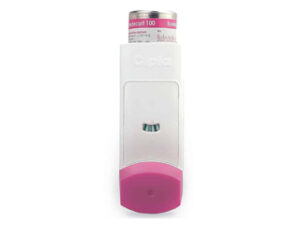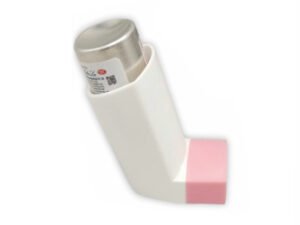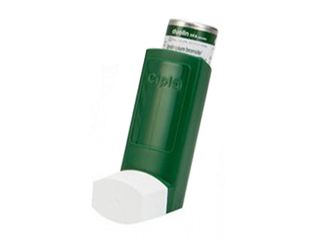
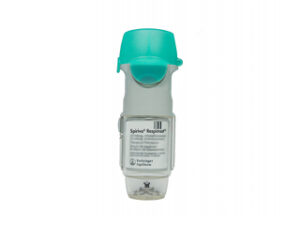
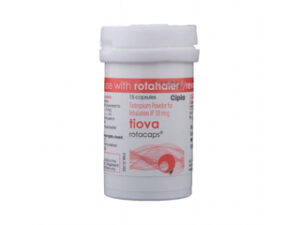
Tiova Inhaler (Tiotropium Bromide) — Patient Guide (UK)
Tiova Inhaler contains tiotropium bromide, a medicine used to help improve breathing in certain long-term lung conditions. It works by relaxing the muscles around the airways, helping to keep them open and reduce symptoms such as shortness of breath.
This page explains how Tiova Inhaler works, how it is used, important safety information, and practical tips for best results. It is written for people in the United Kingdom.
Quick product information
| Category | Details |
|---|---|
| Medicine name | Tiova Inhaler (Tiotropium Bromide) |
| Active ingredient | Tiotropium bromide |
| Medicine type | Long-acting antimuscarinic (anticholinergic) bronchodilator |
| Common uses | COPD and, in some cases, other airflow limitation conditions as advised |
| How it’s taken | Inhalation using the provided inhaler device |
| Typical dosing frequency | Often once daily for maintenance (follow your specific instructions) |
| Key benefit | Helps keep airways open and reduces symptoms over time |
What is Tiova Inhaler and what is it used for?
Tiova Inhaler is a maintenance medicine. It helps control symptoms of chronic obstructive pulmonary disease (COPD), a long-term lung condition where airways become inflamed and narrowed, making breathing difficult.
Depending on the individual’s condition and treatment plan, tiotropium may be used to:
- Improve breathing and exercise tolerance
- Reduce day-to-day symptoms (such as breathlessness)
- Help reduce flare-ups (exacerbations) in COPD when used appropriately
- Support long-term control alongside other COPD medicines if recommended
Important: Tiova Inhaler is generally not intended as a quick-relief treatment for sudden breathlessness. For sudden symptoms, your clinician/pharmacist may recommend a separate “rescue” inhaler (often a short-acting bronchodilator).
Mechanism of action (how it works)
Tiotropium bromide is a long-acting antimuscarinic (also called an anticholinergic bronchodilator). It works by blocking the action of acetylcholine on muscarinic receptors in the airways.
This leads to:
- Relaxation of smooth muscle in the bronchial walls
- Widening of the airways (bronchodilation)
- Reduced airway constriction, improving airflow
- Longer-lasting effects due to sustained receptor binding
Because tiotropium acts at the airway level, it helps with chronic symptom control without needing systemic sedation or major heart rate effects in most patients (though safety monitoring still matters).
Pharmacokinetics (how the body processes it)
Absorption: When inhaled, tiotropium is delivered to the lungs where it exerts its local bronchodilator effect. Some of the dose may be swallowed and absorbed through the gastrointestinal tract.
Distribution: Tiotropium is not primarily distributed into tissues for “whole-body” effects; its benefit is driven mainly by local action in the airways.
Metabolism: Tiotropium is metabolised only to a limited extent.
Elimination: The medicine is removed from the body mainly through renal excretion (via the kidneys). This is why kidney function can be relevant for safety.
Why this matters: Because tiotropium is a long-acting medicine, the intended effect can last around a full day for many people. This is the reason it is often used once daily for maintenance.
Indications — who may use Tiova Inhaler?
In the UK, tiotropium inhalers are used as part of COPD management in accordance with clinical guidance and the product’s licensed indications.
Your healthcare professional may consider Tiova Inhaler when:
- You have COPD with ongoing symptoms such as breathlessness despite other therapies, or when a long-acting bronchodilator is appropriate
- You need long-term bronchodilation to improve quality of life
- You are unable to tolerate certain alternative inhalers, or a clinician recommends tiotropium based on your overall plan
Not for asthma: Tiotropium is generally not used for uncontrolled asthma in the way it is for COPD. If you have asthma or mixed disease, seek advice on the safest inhaler plan for your situation.
How to take Tiova Inhaler (timing and dosing)
Always follow the dosing instructions provided by your clinician, pharmacist, or the instructions included with your inhaler device. The device type can influence technique, so using the correct inhalation method matters.
Typical dosing (general)
- Most adults: commonly once daily for maintenance COPD control.
- Children: use may be limited and depends on licensed indications and clinician guidance.
Same time each day is often recommended. Many people find it helpful to associate dosing with a routine (e.g., morning or evening).
Timing tips
- Use it at the same time daily to maintain steady symptom control.
- If you miss a dose, don’t take a double dose to catch up. Take the next dose at the usual time.
- If you’re unsure what to do after a missed dose, check the product information leaflet or ask a pharmacist.
Practical inhalation technique (important)
Good technique helps ensure the medicine reaches your lungs. Consider the following general steps:
- Prepare: sit upright or stand if possible, and breathe out fully away from the device.
- Inhale: place the mouthpiece correctly and inhale at the right speed/depth as your device instructions specify.
- Hold breath: after inhaling, hold your breath for several seconds (if comfortable), then breathe out slowly.
- Close/secure the device: follow the steps for your specific Tiova inhaler model.
Tip: If your breathing symptoms are not improving or you think you may be using the inhaler incorrectly, ask a pharmacist or nurse to review your technique.
Food interactions
In most cases, food does not directly affect tiotropium inhalation. The medicine works mainly in the lungs, and the amount absorbed from the gut (if any) is not usually influenced in a clinically important way by meals.
Swallowed dose: Some inhaled medication may be swallowed after use. If this happens, your digestive process may help clear it; however, no specific food restrictions are typically required.
If you have a sensitive stomach or experience unusual symptoms after dosing, speak to a pharmacist for personalised advice.
Alcohol and medicine interactions
Tiotropium is not known for major interactions with alcohol when used appropriately. However, alcohol can worsen breathlessness in some people and may affect coordination, which could make inhaler technique less reliable.
Practical advice:
- If you choose to drink alcohol, do so in moderation and pay attention to changes in breathing.
- Avoid heavy drinking if it triggers COPD symptoms.
- Do not use alcohol to “ease” breathing symptoms—use your recommended inhalers instead.
Other important medicine interactions
Because tiotropium can have antimuscarinic effects, interactions are most relevant when combined with other medicines that can also affect muscarinic pathways.
Tell a pharmacist or clinician if you are using:
- Other anticholinergic/antimuscarinic inhalers (increased risk of side effects such as dry mouth or urinary retention)
- Other COPD inhalers (your treatment plan may already include combinations—do not duplicate therapies)
- Medicines for urinary problems or conditions affecting urination
- Medicines that cause constipation or reduce gut movement
If you take several inhalers, your pharmacist can help ensure they are compatible and that you are not accidentally using overlapping medications.
Safety profile and who should be cautious
Like all medicines, Tiova Inhaler can cause side effects. Many people tolerate tiotropium well, especially when used correctly and as part of a COPD plan. However, certain situations require extra care.
Common side effects
- Dry mouth
- Throat irritation or mild cough
- Constipation
- Headache (in some people)
Less common but important side effects
- Urinary retention or difficulty passing urine (more likely in those with prostate enlargement or bladder issues)
- Blurred vision or eye pain in rare cases (possible acute glaucoma risk)
- Allergic reactions such as rash, itching, swelling, or difficulty breathing
When to seek urgent medical help
Contact urgent care or emergency services if you experience:
- Severe allergic reaction symptoms (e.g., facial swelling, severe rash, breathing difficulty)
- Severe eye pain, sudden blurred vision, or halos around lights
- Sudden worsening of breathing that does not improve with your rescue inhaler or guidance from your care team
Special caution groups
Speak to a clinician or pharmacist before using Tiova Inhaler if you have:
- Glaucoma (especially narrow-angle glaucoma)
- Prostate enlargement or existing urinary problems
- Severe kidney impairment (because elimination involves the kidneys)
- Any history of significant reaction to antimuscarinic medicines
Practical use tips for best results
- Check your inhaler technique regularly: a small technique error can reduce medicine delivery to your lungs.
- Don’t stop suddenly: Tiotropium is for ongoing control. Stopping can worsen symptoms over time.
- Keep track of your symptoms: note breathlessness, morning/night symptoms, and rescue inhaler use (if applicable) to discuss with your healthcare team.
- Use consistently: maintenance benefits develop with regular use rather than immediate relief.
- Rinse/gargle if advised: tiotropium inhaled into the lungs is not typically associated with mouth infections like some steroids, but if you feel throat irritation, gentle rinsing may help (follow your leaflet/device instructions).
- Store correctly: keep at recommended temperature and protect from moisture/heat as indicated on the packaging.
What to expect — effectiveness and onset
Tiotropium may provide symptom improvement after regular use, and some people notice benefits fairly quickly. However, the full effect may be clearer over days to weeks as part of ongoing COPD management.
If you do not feel any benefit after using it correctly for a reasonable period, speak to a pharmacist or clinician. Reasons may include incorrect inhaler technique, incorrect inhaler selection, or the need to adjust the overall COPD treatment plan.
Alternative options (UK COPD treatment overview)
Alternative bronchodilators may be appropriate depending on your diagnosis, symptom level, and current therapy. Your pharmacist/clinician can help choose the best option.
Common alternatives
- Other long-acting bronchodilators such as long-acting beta2-agonists (LABAs)
- Long-acting muscarinic antagonists (LAMAs) other than tiotropium (your clinician may choose based on availability and suitability)
- Dual therapy combinations (e.g., LAMA/LABA) for some patients with more symptoms
- Inhaled corticosteroids in selected patients (often when exacerbations or specific features suggest benefit)
- Short-acting bronchodilators for quick symptom relief
Note: Alternatives differ in device types, dosing frequency, and side-effect profiles. Switching requires care to avoid overlap or gaps in treatment.
Market and legal context in the United Kingdom
In the UK, inhalers and COPD medicines are regulated by the Medicines and Healthcare products Regulatory Agency (MHRA) and must follow specific prescribing and supply rules. Tiotropium-containing inhalers may be supplied under arrangements consistent with UK medicines law and pharmacy practice.
Online pharmacy services in the UK must comply with applicable regulations, including identity checks, medication supply controls, and maintaining patient safety.
Always check the product label and leaflet for the exact formulation and device instructions.
Recent guidance and clinical context (UK)
Clinical approaches to COPD in the UK are supported by national guidance and evidence-based pathways. Treatment typically focuses on symptom relief and reducing exacerbations using:
- Long-acting bronchodilators as foundation therapy for many people
- Stepwise escalation when symptoms persist or exacerbations occur
- Inhaler technique checks and regular review of therapy
- Smoking cessation support, vaccinations, pulmonary rehabilitation where appropriate
Your healthcare team may adjust bronchodilator choice, dosing, and combinations based on your symptom severity, exacerbation history, and ability to use inhaler devices correctly.
Delivery and availability in the UK
Tiova Inhaler availability may vary by stock levels and supplier. Many online pharmacies in the UK aim to deliver medicines promptly in protective packaging to help maintain product quality.
- Dispatch times: typically depend on availability and order cut-off times.
- Delivery options: may include standard and express services.
- Cold-chain: tiotropium inhalers generally do not require refrigeration (always follow storage instructions on the label).
If you need the medicine urgently, check the retailer’s delivery information at checkout, or contact customer support for real-time stock and dispatch updates.
Safety checklist before you start (or continue)
- Confirm you’re using the inhaler correctly (ask for a technique check if unsure).
- Tell your pharmacist about other inhalers and medications, especially those with anticholinergic effects.
- Let them know if you have glaucoma or urinary problems.
- Check whether you have kidney impairment, as it may influence safety.
- Know what a flare-up plan looks like (which inhaler to use and when to seek help).
FAQ — Tiova Inhaler (Tiotropium Bromide)
1) Is Tiova Inhaler a reliever or a preventer?
Tiova Inhaler is a maintenance (preventer-style) inhaler. It helps control symptoms over time. It is usually not meant for instant relief of sudden breathlessness—ask your pharmacist which inhaler you should use for quick relief.
2) How quickly will it start working?
Some people notice improvement after using it regularly, but the full benefit may take days to weeks as part of ongoing COPD management. Technique and consistency matter.
3) Can I use Tiova Inhaler with other COPD inhalers?
Often yes, but it depends on what else you’re using. Do not add or repeat similar long-acting antimuscarinic medicines without advice. If you’re unsure, your pharmacist can review your inhaler list for compatibility.
4) What happens if I miss a dose?
Generally, take it when you remember if it is close to the next scheduled dose. Do not take a double dose to make up for a missed one. If you’re uncertain, check the leaflet or ask a pharmacist.
5) Will Tiova Inhaler affect my ability to drive or operate machinery?
Most people can drive and operate machinery normally. However, if you experience dizziness, blurred vision, or other effects, avoid driving and seek advice.
6) Are there any food restrictions?
No specific food restrictions are usually required. The medicine acts mainly in the lungs, and food interactions are not typically clinically important.
7) Can I drink alcohol while using Tiova Inhaler?
There are no well-known direct alcohol-drug interactions with tiotropium inhalers for most people, but alcohol may worsen breathlessness or affect inhaler technique. Moderate use and monitoring your symptoms is sensible.
8) Who should be extra careful with tiotropium?
Extra caution is needed if you have glaucoma, urinary retention or prostate/bladder problems, or significant kidney impairment. Discuss these with your pharmacist or clinician.
9) What should I do if I get side effects?
If side effects are mild (e.g., dry mouth or throat irritation), they may settle as your body adjusts. Contact a pharmacist if they persist or become troublesome. Seek urgent help if you suspect an allergic reaction or eye symptoms.
10) What are common signs that my COPD is worsening?
Seek advice if you notice increasing breathlessness, more frequent symptoms, reduced exercise tolerance, or increased need for rescue medicine. Your COPD action plan should guide what to do during flare-ups.
Further help and advice
Your pharmacist can help ensure you’re using Tiova Inhaler correctly and can answer questions about your inhaler technique, side effects, or suitability alongside your other medicines. If you have any concerns about breathing changes, don’t wait—seek medical advice promptly.