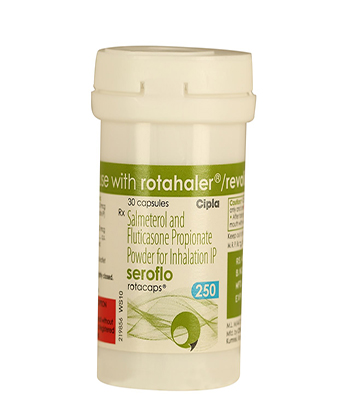
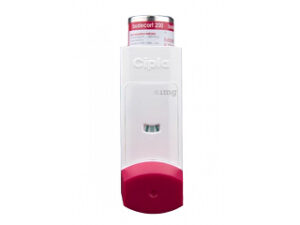
Advair Rotahaler (Fluticasone Propionate) – Patient Information (UK)
Advair Rotahaler is an inhaled medicine used to help control the symptoms of long-term breathing conditions. It contains fluticasone propionate, a corticosteroid that works directly in the lungs to reduce inflammation. This page explains what the medicine does, how it’s used, and important safety information for people in the United Kingdom.
Please note: individual products and device instructions can vary. Always follow the instructions provided with your inhaler and the advice of your healthcare professional.
Key product details
| Category | Details |
|---|---|
| Medicine name | Advair Rotahaler (fluticasone propionate) |
| What it contains | Fluticasone propionate (inhaled corticosteroid) |
| How it is taken | Inhalation using the Rotahaler device |
| Main purpose | Long-term control of airway inflammation in asthma and related conditions |
| How it works | Reduces inflammation and helps prevent symptoms |
| Onset | Often begins within days; full effect may take longer |
What is fluticasone propionate and how does it work?
Mechanism of action (how it works in the body)
Fluticasone propionate is a corticosteroid. When you inhale it, it targets inflammation in the airways. In asthma and some chronic respiratory conditions, airway inflammation makes the airways swollen and overly sensitive. This leads to symptoms such as wheeze, breathlessness, coughing, and chest tightness.
Fluticasone helps by:
- Reducing inflammation in the bronchial lining
- Decreasing the release of inflammatory mediators (substances involved in inflammation)
- Improving airway responsiveness over time
- Lowering frequency and severity of flare-ups when taken regularly
Because it is an inhaled steroid, its effect is mostly local in the lungs. It is not designed to relieve sudden attacks immediately. For quick relief, people typically use a separate “reliever” inhaler (often a short-acting bronchodilator) as directed.
Pharmacokinetics (how the medicine moves in the body)
Pharmacokinetics describes how the body absorbs, distributes, metabolises, and eliminates a medicine. With inhaled fluticasone, most of the dose acts in the lungs, while some may be swallowed and absorbed through the gut.
Absorption
- After inhalation, part of the dose reaches the lungs. A portion may also be deposited in the mouth and throat.
- Swallowed fluticasone is absorbed in the gastrointestinal tract to a limited extent.
Distribution
- Fluticasone binds largely to plasma proteins.
Metabolism
- It is primarily metabolised in the liver by CYP3A4.
Elimination
- It is eliminated mainly as metabolites via the bile/faeces, with a smaller portion excreted in urine.
Typical use in the UK
Advair Rotahaler is used as part of the long-term management of conditions where controlling inflammation improves symptoms and reduces flare-ups. It is most commonly used in asthma and may be used in other airway inflammatory conditions depending on clinical guidance.
In practice, many people with asthma use:
- A regular controller inhaler (such as an inhaled corticosteroid like fluticasone)
- A reliever inhaler for symptoms that come on suddenly
When to take your inhaler (timing and consistency)
Inhaled corticosteroids work best when taken consistently every day. Even if you feel well, inflammation can still be present.
Typical timing
- Often taken twice daily (morning and evening), depending on the strength prescribed.
- Try to take doses at roughly the same times each day.
What if you miss a dose?
- Take the missed dose when you remember if it is not close to the next dose.
- If it’s nearly time for the next dose, skip the missed dose.
- Do not take extra doses to make up for a missed one.
If you are unsure, check the leaflet for your specific product strength or speak to a pharmacist.
Food interactions
Fluticasone inhaled has minimal direct interaction with food for most people because it is mainly delivered to the lungs. However, if any part of the dose is swallowed, general absorption can still be influenced by overall gut function.
In most cases, you can take Advair Rotahaler with or without food. There are no common UK food restrictions specifically required for fluticasone inhalers.
Practical tip: after inhaling, it’s often recommended to rinse your mouth and spit out (or brush teeth) to reduce the risk of mouth/throat irritation (for example, oral thrush).
Alcohol interactions
There is typically no direct alcohol interaction with fluticasone inhalers. However, alcohol can worsen asthma symptoms in some individuals by triggering reflux, dehydration, sleep disturbance, or airway sensitivity.
- If you notice your breathing worsens after alcohol, consider reducing intake and discuss this with a clinician.
- Alcohol may also make it harder to recognise early warning signs of breathing problems.
Medicine interactions (important)
Fluticasone is metabolised by CYP3A4. Some medicines can significantly increase fluticasone levels in the body, which may increase the risk of steroid-related side effects.
Medicines most likely to interact
- Strong CYP3A4 inhibitors, such as:
- some antifungals (e.g., ketoconazole)
- some antibiotics (e.g., clarithromycin)
- Some HIV medicines that act as CYP3A4 inhibitors
What this may mean for you
- Higher fluticasone exposure may increase the chance of systemic corticosteroid effects (for example, effects on the adrenal glands).
- Doctors may adjust treatment or monitor closely if you are using interacting medicines.
If you are taking (or have recently started) other medicines—including over-the-counter products or herbal remedies— speak to a pharmacist to check for interactions.
Indications (what Advair Rotahaler is used for)
Advair Rotahaler is intended for the treatment of airway conditions characterised by inflammation. The exact “indication” and dose depend on the person’s diagnosis and clinical plan.
In the UK, inhaled fluticasone is commonly used for:
- Asthma for long-term control
- Other chronic inflammatory airway conditions, as determined by healthcare professionals
Dose guidance (general information)
Doses vary by strength, age, severity, and the overall asthma plan. This information is for general understanding. Your clinician or pharmacist should provide the exact dosing schedule for your product.
Typical adult dosing (general)
- Common regimens involve inhalation twice daily.
- The number of micrograms per dose depends on the strength of the Rotahaler you are using.
Children and teenagers
Dosing in children is typically based on age and asthma severity. If this medicine is being used for a child, ensure the dose and technique are carefully reviewed.
Step-up and step-down
Asthma care often follows a “step” approach. If symptoms are well controlled, clinicians may consider stepping down therapy. If symptoms are not controlled, they may step up. Do not change your dose without clinical advice.
Practical use tips for the Rotahaler device
Correct inhaler technique is essential for the medicine to reach the lungs. Poor technique can reduce effectiveness and increase the risk of side effects. If possible, have a healthcare professional check your technique.
Before you start
- Check the label for the correct strength.
- Make sure you know whether you need one or more inhalations per dose (as directed).
- If you are using a reliever inhaler, follow your action plan for when to use it.
Technique checklist (general)
- Load the dose according to the device instructions supplied with your Rotahaler.
- Breathe out gently before placing the mouthpiece in your mouth.
- Seal your lips around the mouthpiece.
- Breathe in forcefully and deeply as instructed so the powder is drawn into your airways.
- Remove the inhaler from your mouth and hold your breath for several seconds (as advised in your leaflet) before breathing out slowly.
- If a second inhalation is needed, repeat the steps.
After inhaling
- Rinse your mouth and spit out (or brush teeth).
- Wipe the mouthpiece if needed and keep the device clean as per manufacturer instructions.
- Store at appropriate conditions and keep away from moisture.
Common technique issues
- Not breathing out before inhaling through the device
- Insufficient breath strength
- Not holding breath long enough
- Skipping mouth rinsing (may increase mouth/throat side effects)
Safety profile and side effects
Like all medicines, Advair Rotahaler can cause side effects. Many people experience none or only mild effects. The risk of side effects is generally lower with inhaled medicines than with tablets, but it can still occur—especially at higher doses or with long-term use.
Common side effects
- Hoarseness or voice changes
- Throat irritation
- Oral thrush (candida in the mouth), which may present as white patches, soreness, or a burning feeling
- Cough or mild irritation immediately after inhalation
Less common but important risks
-
Systemic steroid effects (more likely with higher doses, prolonged use, or interacting medicines):
- temporary adrenal suppression
- growth effects in children
- bone thinning (osteoporosis) with long-term high exposure
- Eye problems (e.g., cataracts, glaucoma) with prolonged corticosteroid exposure
Seek urgent medical advice if
- You experience severe allergic symptoms such as swelling of the face/lips, difficulty breathing, or widespread rash.
- Your breathing rapidly worsens despite using your reliever inhaler as instructed.
- You develop symptoms of adrenal insufficiency (for example, unusual fatigue, dizziness, persistent nausea/vomiting), particularly after significant dose changes.
Important: this medicine is for control, not emergencies
Advair Rotahaler helps with long-term control. If you have sudden severe breathing difficulties, use your reliever inhaler according to your asthma/wheeze plan and seek emergency care if required.
What to consider if you’re pregnant, breastfeeding, or have other conditions
- Pregnancy and breastfeeding: Many inhaled corticosteroids are used during pregnancy when benefits outweigh risks. Discuss with your healthcare team before changing treatment.
- Infections: If you have an untreated fungal infection in the mouth or airways, inform your clinician. Rinsing after use helps reduce thrush risk.
- Tuberculosis (TB) or active infections: Corticosteroids may influence infections; medical review is important.
- Diabetes, osteoporosis, or glaucoma history: Long-term steroid exposure may affect these conditions.
Recent guidance and UK context (high-level)
In the United Kingdom, asthma management is guided by evidence-based approaches that focus on:
- Using inhaled therapy to reduce symptoms and flare-ups
- Ensuring correct inhaler technique
- Regular review of control and inhaler use
- Personalised step-up/step-down treatment depending on symptom control
Over recent years, guidance has increasingly emphasised standardised asthma reviews and improving adherence and technique to get the most benefit from inhaled medicines. If your control is not as expected, your healthcare professional may check technique, inhaler choice, and adherence before changing dose.
Delivery, availability, and how to order in the UK
Availability of specific inhaler strengths and device variants can vary between suppliers. If you order online, your pharmacy will typically confirm product details before dispatch.
What to expect when ordering
- Packaging: Your medicine is usually dispatched in manufacturer-approved packaging.
- Delivery: Delivery times depend on the provider and your location within the UK.
- Storage: Follow the storage conditions on the outer carton and leaflet.
If you require advice on choosing the correct strength for your regimen, a pharmacist can help clarify what you should order based on your care plan.
Alternative options
There are different inhaled corticosteroids and combination inhalers available in the UK, including devices that deliver medication as a metered dose spray or as another dry powder system. Your clinician may recommend an alternative if:
- your symptoms are not adequately controlled
- your technique is difficult with the current device
- you experience side effects that are hard to manage
- your treatment plan calls for a different controller strategy
Possible alternatives (examples of categories)
- Other inhaled corticosteroids (different active ingredients within the same therapeutic group)
- Combination inhalers that pair an inhaled steroid with a long-acting bronchodilator (as clinically appropriate)
- Different inhaler devices (e.g., pressurised metered dose inhalers with spacers) to support correct technique
Don’t switch between products without advice, because dosing and inhaler technique can differ substantially.
FAQ: Advair Rotahaler (Fluticasone Propionate)
1) Is Advair Rotahaler a reliever inhaler?
No. Advair Rotahaler is a controller medicine that helps reduce airway inflammation over time. For sudden symptoms, you should use your reliever inhaler as instructed in your asthma plan.
2) How quickly will I feel better?
Some people notice improvement within a few days, but the full benefit of inhaled corticosteroids often takes longer. The most important factor is regular use.
3) What should I do to prevent thrush?
Rinse your mouth with water after each dose and spit it out (or brush your teeth). Using the correct inhaler technique also helps. If you develop symptoms of thrush, contact a pharmacist or clinician for advice.
4) Can I stop taking it once I feel well?
Do not stop suddenly unless your clinician advises it. Even when symptoms settle, inflammation may persist. Treatment may be adjusted over time based on your control and review.
5) Can I use it with other inhalers?
Many people use an inhaled corticosteroid along with a reliever inhaler and sometimes other controller medicines. If you have multiple inhalers, ask your healthcare professional for a clear routine to avoid confusion.
6) Are there any food restrictions?
In general, you can take Advair Rotahaler with or without food. The medicine acts mainly in the lungs. Rinsing after use is still recommended.
7) Does alcohol interact with fluticasone?
There’s usually no direct interaction. However, alcohol may worsen breathing in some people. Monitor your symptoms and seek advice if you notice a pattern.
8) What medicines are most likely to interact?
Medicines that strongly affect CYP3A4 metabolism (such as certain antifungals and antibiotics) can increase fluticasone levels. Always check with a pharmacist if you start or stop another medicine.
9) What if I use too much?
Using more than prescribed may increase side effects. If you think you have taken an excessive dose or your breathing worsened, seek medical advice promptly.
10) How should it be stored?
Store according to the instructions on the pack. Keep away from moisture and follow any temperature guidelines provided.
Important closing advice
This information is designed to help you understand Advair Rotahaler and its use in everyday life. Always read the patient leaflet for your specific product and consult a healthcare professional if you have questions—especially if symptoms change, you develop side effects, or you have other medical conditions.