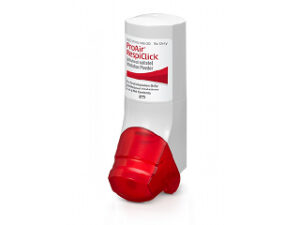
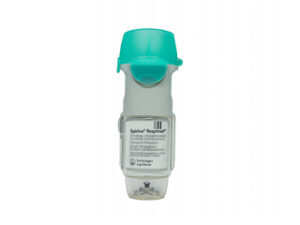
Salbutamol (Albuterol) – Patient Guide (UK)
Salbutamol (also known by the international name albuterol) is a fast-acting medicine used to relieve breathing problems caused by reversible airway narrowing, such as asthma and some cases of COPD. It works by relaxing the muscles in the airways so that air can move in and out more easily.
This guide explains what salbutamol does, when and how it is used, practical tips, common safety points, and how it fits into care in the United Kingdom.
1) Basic product information
- Generic name: Salbutamol (albuterol)
- Common UK brand names: Varies by presentation (e.g., inhalers, nebuliser solutions, tablets vary by availability)
- Medicinal group: Short-acting beta2-adrenoceptor agonist (SABA)
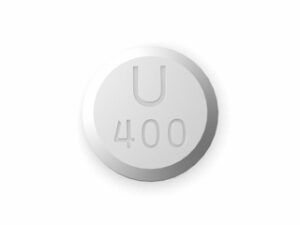
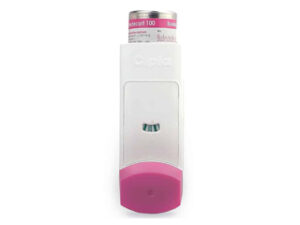
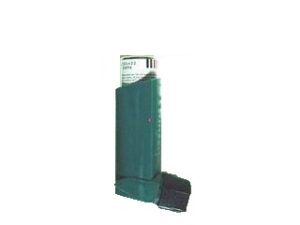
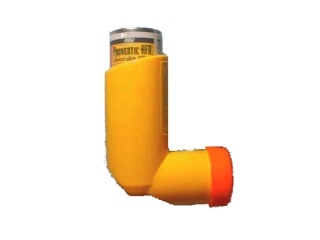
- Typical forms: Inhalers (MDI and sometimes dry powder), nebules for nebulisation, oral tablets/syrup in some settings
- How quickly it works: Usually within minutes for inhaled forms
The exact strength and dosing schedule depend on the formulation you have (inhaler vs. nebuliser vs. tablets). Always follow the instructions provided with your specific product.
2) Mechanism of action
Salbutamol is a beta2-agonist. When it reaches the airways, it stimulates beta2 receptors on the smooth muscle lining the bronchial tubes. This leads to:
- Relaxation of airway smooth muscle (bronchodilation)
- Reduced airway resistance, improving airflow
- Improved symptoms such as wheezing, breathlessness, chest tightness, and coughing
Importantly, salbutamol is mainly a reliever medicine. It helps open the airways quickly, but it does not treat the underlying inflammation that drives many asthma cases. For long-term control, anti-inflammatory medicines (commonly inhaled corticosteroids) are often used.
3) Indications (what salbutamol is used for)
Salbutamol is used for conditions involving reversible bronchospasm. Depending on product type and local clinical practice, it may be used for:
- Asthma – relief of acute symptoms and prevention of symptoms triggered by exercise or allergens (as advised)
- Bronchospasm associated with chronic lung disease such as COPD (symptom relief), often alongside other treatments
- Reversible airway narrowing in certain scenarios as guided by healthcare professionals
The appropriate use depends on your diagnosis and severity, as well as whether you also use preventive (controller) medicines.
4) Typical use and timing
Salbutamol is usually taken as needed for symptoms or before a known trigger. How often you should use it depends on your condition and on how well your controller treatment is working.
When to use salbutamol
- During symptoms: wheeze, shortness of breath, chest tightness
- Before exercise (only if your asthma plan advises it)
- For planned relief when you recognise a pattern of symptoms before a trigger event
How quickly it works
- Inhaled (most common UK forms): often within minutes
- Duration of effect: may last several hours, varying by individual and device
If symptoms do not improve after using salbutamol as directed, or if you need it much more frequently than usual, this may indicate worsening disease that needs review.
5) Dosing (general guidance)
Dosing depends strongly on the product (inhaler vs nebuliser vs oral), the age of the person taking it, and the pattern of symptoms. Below are typical ranges seen in clinical practice; always use your specific package instructions and the advice you have been given.
Inhaler (common approach)
- Adults and adolescents: commonly 1–2 inhalations when symptoms occur
- Children: dose depends on age and device; follow product guidance or a care plan
If you are using a metered-dose inhaler (MDI), using the right inhalation technique (and a spacer if appropriate) can significantly improve how much medicine reaches the lungs.
Nebuliser (salbutamol nebules)
- Dosing schedules vary with strength of nebules and the nebuliser setup
- Clinicians often prescribe a defined dose and frequency for a limited period, especially during acute symptoms
Oral tablets/syrup (less common for immediate relief)
- These forms are not usually the fastest method for acute wheeze compared with inhaled therapy
- Doses depend on strength and age; only use as directed
Important dosing safety note
Overuse of reliever inhalers can be harmful (see safety section). If you require salbutamol frequently—especially multiple times a week—your asthma/COPD plan may need review.
6) How salbutamol works in the body: Pharmacokinetics (UK-relevant overview)
Pharmacokinetics describes how the body absorbs, distributes, metabolises, and eliminates salbutamol. Because salbutamol can be given by different routes, pharmacokinetics can differ between inhaler, nebuliser, and oral preparations.
Absorption
- Inhaled: a portion of the dose reaches the lungs; some may deposit in the mouth/throat and be swallowed
- Systemic absorption: occurs after inhalation and also after swallowed drug from the oropharynx
Distribution
- Salbutamol distributes through the bloodstream to tissues, with clinical effects primarily on the airways
Metabolism
- Salbutamol is metabolised in the body, including in the liver
Elimination
- Metabolites and some unchanged drug are eliminated, mainly through the kidneys
- The clinical effect of inhaled doses is typically much faster than the time taken to clear all drug from the body
Kidney or liver impairment may influence drug handling, but the most common practical concern relates to side effects and the frequency of use rather than a strict need for dose adjustment in many stable patients. Your pharmacist can advise based on your product and medical history.
7) Food interactions
Salbutamol taken by inhalation is unlikely to have significant food-related interactions. For oral formulations, food may influence how comfortable the medicine is to take, and rarely may affect absorption.
- Inhalers/spacers: food does not meaningfully affect lung delivery.
- Oral salbutamol: take with or after food if it helps reduce stomach upset (if your product instructions allow).
If you experience nausea or stomach discomfort, speak to your pharmacist about whether taking your dose with food is suitable for your specific product.
8) Alcohol and medicine interactions
Alcohol
There is no universally required complete avoidance of alcohol with salbutamol, but caution is sensible:
- Alcohol can worsen breathing in some people and may trigger symptoms or reduce awareness of worsening breathlessness.
- Both alcohol and salbutamol can contribute to tremor or palpitations in susceptible individuals.
- If your breathing condition is unstable, it’s best to avoid alcohol or keep it minimal.
Medicines that may interact
Salbutamol can interact with other medicines by affecting heart rate, potassium levels, or overall beta-agonist activity. Tell your pharmacist or clinician about all medicines you use, including over-the-counter products.
- Other beta-agonists (e.g., certain asthma/COPD bronchodilators): higher side-effect risk
- Non-selective beta-blockers (some treatments for heart conditions): may reduce salbutamol effect and can worsen bronchospasm
- Diuretics (water tablets) and some steroids: may increase risk of low potassium if combined with frequent high-dose salbutamol
- Digoxin: low potassium can increase sensitivity/toxicity risk
- Other medicines affecting heart rhythm: palpitations and rhythm effects may be more noticeable
If you are taking multiple medicines, your pharmacist can check for likely interaction risks and advise on what to monitor.
9) Safety profile and side effects
Like all medicines, salbutamol can cause side effects. Many are mild and temporary, especially at standard doses. However, frequent use or high doses increase the likelihood of adverse effects.
Common side effects
- Tremor
- Headache
- Feeling restless or “jittery”
- Palpitations (awareness of heartbeat)
- Muscle cramps or mild muscle discomfort
Less common but important effects
- Low potassium (hypokalaemia): more likely with higher doses or frequent use; may contribute to weakness or cramps
- Heart rhythm changes: rare, but risk increases with overdose or underlying heart disease
- Worsening breathlessness after inhalation may occur if inhaler technique is poor, or rarely due to paradoxical bronchospasm
- Allergic reactions (e.g., rash, swelling, breathing difficulty): seek urgent advice
Warning signs – seek urgent medical help
Contact urgent services or seek immediate care if you have signs of a severe asthma/COPD flare, such as:
- Breathing becomes rapidly worse despite using your reliever
- You are struggling to speak in full sentences
- Lips/face look blue or you feel faint
- Your reliever is not lasting as usual, or you need it much more often
10) Practical use tips (how to get the best benefit)
Inhaler technique: a key factor
Many problems with salbutamol come from poor inhaler coordination or insufficient lung deposition. If you have a metered-dose inhaler (MDI), consider the following general technique tips:
- Shake the inhaler if your device requires it.
- Exhale fully before placing the mouthpiece.
- Seal lips around the mouthpiece.
- Start breathing in slowly and press the canister at the same time (for MDIs).
- Continue to inhale to a comfortable deep breath.
- Hold your breath for about 10 seconds (or as long as comfortable).
- If you need more than one puff, wait the advised interval between doses.
A spacer can help improve delivery and reduce the amount of drug that deposits in the mouth. If you are using a spacer, follow the cleaning and assembly instructions from the manufacturer.
Rinsing the mouth
Salbutamol doesn’t usually cause the mouth side effects associated with inhaled corticosteroids, but it can still be helpful to rinse or brush your teeth after use, especially if you experience irritation or hoarseness.
Monitor your response
- After using salbutamol, check whether symptoms improve and how quickly.
- Track your reliever usage if you notice changes in frequency.
Storage and preparation
- Store at recommended temperatures away from excessive heat or direct sunlight.
- Check expiry dates.
- For nebuliser solutions, use single-dose containers if provided and discard any leftover medicine as instructed.
11) Overuse and reliever use: why it matters
Salbutamol treats symptoms, but frequent reliance can be a sign that the underlying airway inflammation is not controlled. Using salbutamol many times per day increases side-effect risk and may mask a worsening condition.
In UK asthma care, many guidance pathways emphasise that if you are needing your reliever frequently, you should arrange a review of your overall treatment plan.
12) Alternative options
Alternatives depend on your condition (asthma vs COPD), severity, and whether symptoms are controlled. Your pharmacist or clinician can help choose the most suitable option.
Other relievers
- Other short-acting bronchodilators may be available (e.g., combinations in COPD or specific device-based therapies)
- Different beta2-agonists may be used in certain circumstances
Longer-term controller options (for prevention)
- Inhaled corticosteroids (reduce inflammation)
- Long-acting bronchodilators (for COPD and some asthma steps)
- Combination inhalers that include both reliever and controller components in some asthma regimens
If you repeatedly need salbutamol, your care plan may benefit from controller review rather than increasing reliever alone.
13) Pharmacovigilance and UK market/legal context
Medicines containing salbutamol are widely used across the UK. Availability and supply routes can differ by formulation and product type (for example, inhalers versus nebules). In the UK, medicines are regulated by the Medicines and Healthcare products Regulatory Agency (MHRA), with safety monitoring and licensing overseen through the medicines regulator’s framework.
In addition, professional guidance on asthma and COPD care is updated over time by UK clinical bodies and national programmes. Patient information is commonly aligned with international evidence and UK-specific prescribing patterns.
14) Recent guidance (UK clinical context)
UK asthma care commonly emphasises:
- Right medicine, right place, right technique (including checking inhaler technique)
- Using reliever appropriately and reviewing control if reliever use increases
- Preventive treatment (often inhaled corticosteroids) as the basis for reducing flare-ups
- Written asthma action plans and stepwise management
For COPD, care commonly focuses on symptom relief plus appropriate long-term bronchodilation and risk management. Salbutamol may be used for symptom relief, especially as part of an overall COPD management plan.
Guidance can evolve; your pharmacist can help you interpret how it applies to your specific product and situation.
15) Delivery and availability (UK)
Salbutamol preparations are commonly stocked as inhalers and in other forms depending on demand and local availability. Delivery times can vary by supplier and location.
- Availability: dependent on the exact product form and strength
- Dispatch: typically arranged on working days
- Delivery: standard or express options may be available
- Cold chain: usually not required for standard salbutamol formulations
Check product pages for current stock status, expected dispatch dates, and delivery options. If you need urgent relief, consider contacting customer support to confirm availability.
16) Frequently Asked Questions (FAQ)
Is salbutamol the same as albuterol?
Yes. Salbutamol and albuterol refer to the same medicine (same active ingredient), with different naming used internationally. In the UK, “salbutamol” is commonly used.
How long does salbutamol take to work?
If using an inhaler correctly, relief is often felt within minutes. The speed and strength of effect can depend on your inhaler technique and whether you use a spacer.
How often can I use salbutamol?
Use it as directed for your condition. If you find you need it more often than usual, it may mean your breathing condition is not controlled. In that situation, seek a review of your overall treatment plan.
Can I use salbutamol every day?
Some people may use reliever medicines intermittently. Daily use can be appropriate in certain chronic situations, but if salbutamol becomes a frequent necessity, it usually indicates the need to reassess preventive (controller) therapy and triggers.
What should I do if my inhaler doesn’t seem to work?
- Check inhaler technique (and consider using a spacer if recommended).
- Confirm the device isn’t empty and the expiry date is valid.
- Consider whether you have an incorrect device type or poor coordination (especially with MDIs).
- If symptoms persist or worsen, seek urgent medical advice.
Does salbutamol interact with other asthma medications?
It can. Some combinations may increase side effects, and certain heart medicines (such as some beta-blockers) can reduce salbutamol effect. Always let your pharmacist know what you are taking, including any new medicines or supplements.
Can I drive after using salbutamol?
Many people can drive normally. However, salbutamol can cause tremor or palpitations in some individuals. If you feel unwell, dizzy, or unusually shaky, avoid driving until you feel safe.
Are there dietary restrictions with salbutamol?
There are generally no strict food restrictions. With inhaled salbutamol, food interaction is unlikely. For oral forms, taking with food may help reduce stomach upset for some people.
Can I drink alcohol while taking salbutamol?
Small amounts may be acceptable for some people, but caution is advisable. Alcohol can worsen breathing for some individuals and may increase side effects like tremor or palpitations. If your breathing is unstable, it’s best to avoid alcohol or keep it minimal.
Is salbutamol suitable for children?
Children can use salbutamol, but the exact dose and device type must be appropriate for their age and condition. Always follow the specific product instructions and the guidance given to you for your child’s care plan.
What are the signs of a severe asthma or COPD flare?
Seek urgent help if you have rapidly worsening breathlessness, cannot speak comfortably, feel faint, or your reliever is not providing the usual relief. If you are unsure, it is safer to seek medical advice.
17) Summary
Salbutamol (albuterol) is a fast-acting bronchodilator used to relieve symptoms of asthma and some breathing conditions where airways narrow. It works quickly by stimulating beta2 receptors in the airway muscles to relax them.
- It is typically used as a reliever for symptoms and sometimes before exercise
- Correct inhaler technique (often with a spacer) improves results
- Frequent reliever use can be a warning sign that preventive treatment needs review
- Common side effects include tremor and palpitations; urgent help is needed for severe flare signs
If you have questions about how to use your specific salbutamol product, ask your pharmacist for personalised advice on technique, dosing, and safety.