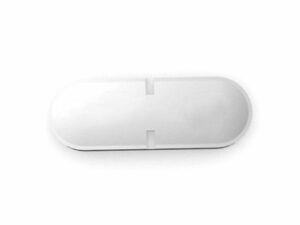


Biltricide (Praziquantel) — Patient Information (UK)
Biltricide contains praziquantel, a medicine used to treat certain parasitic worm infections. It is commonly used for infections such as schistosomiasis (bilharzia) and some tapeworm and fluke infections, depending on the diagnosis.
This page explains what Biltricide is, how it works, how it is usually taken, and important safety and interaction information. If you have questions about your specific infection or your treatment plan, speak with a qualified healthcare professional.
Quick overview
- Medicinal ingredient: Praziquantel
- Common uses: Certain trematode (fluke) infections, some tapeworm infections, and Schistosoma species (schistosomiasis)
- How it works: Causes severe damage to the parasite’s outer surface and disrupts muscle function
- Typical course: Often a single dose or a short course (regimen varies by infection)
- Key safety points: Can cause dizziness, fatigue, abdominal discomfort, headache, and nausea—avoid driving if affected
- Important interactions: Some medicines may change praziquantel levels (e.g., certain anticonvulsants)
What is Biltricide?
Biltricide is a branded medicine that contains praziquantel. Praziquantel is an antiparasitic medicine that works against specific helminths (worm-like parasites). It is particularly effective against schistosomes (blood flukes) and is also used for selected fluke and tapeworm infections.
In the UK, Biltricide and praziquantel are used in clinical settings and for travel-related or locally acquired parasitic infections, where appropriate. Your exact dosage and number of doses depend on the type of parasite and your body weight.
How does Biltricide work? (Mechanism of action)
Praziquantel kills susceptible parasites mainly by:
- Increasing permeability of the parasite’s outer membrane
- Disrupting calcium signalling within the parasite
- Causing contraction and paralysis of the parasite’s muscles
- Leading to damage to the parasite, allowing the body to clear it
The result is that the parasite loses its ability to survive in the body and is eliminated. Symptom relief may occur after treatment, but complete clearance can take time depending on the infection.
Pharmacokinetics (How the body handles praziquantel)
Understanding pharmacokinetics can help explain timing, side effects, and interactions. In broad terms, praziquantel is absorbed and then metabolised by the liver.
- Absorption: Praziquantel is absorbed after oral dosing. Absorption can be affected by food intake.
- Peak levels: Drug levels rise in the bloodstream after taking a dose (timing varies between individuals).
- Metabolism: The liver breaks praziquantel down into metabolites.
- Elimination: Metabolites are primarily excreted via the kidneys (urine).
- Half-life: Praziquantel is cleared relatively within hours after dosing; however, the infection may require monitoring over time.
Because it is metabolised by the liver, medicines that affect liver enzymes may alter praziquantel concentrations. This is one reason why medicine interactions should be checked carefully.
What is Biltricide used for? (Indications)
The main indication of praziquantel is treatment of specific parasitic worm infections. In practice, doctors use it when the parasite is confirmed (or strongly suspected) to be susceptible.
Commonly treated infections
- Schistosomiasis (bilharzia): infections caused by Schistosoma species.
- Trematode (fluke) infections: certain flukes where praziquantel is effective (depending on species and geography).
- Some cestode (tapeworm) infections: selected species and clinical situations.
Not all parasites respond to praziquantel. Accurate diagnosis matters. If you are treating a suspected worm infection, it is important to confirm the species when possible, because the dose and follow-up differ by parasite.
Typical dosing and treatment timing
Dosage depends on the infection and your body weight. Regimens also vary by age and clinical context. Always follow the specific instructions given for your condition.
General dosing approach (illustrative)
Praziquantel regimens are often weight-based and may be taken:
- As a single dose for some infections
- As split doses on the same day (e.g., divided into two administrations)
- Across multiple days for certain severe or complicated infections
How to take Biltricide
- Swallow tablets whole with water.
- Take at the times prescribed (if split dosing is used, spacing is important).
- Continue the full course if more than one dose is prescribed, even if you feel better.
When to expect effects
- Some people feel side effects within hours.
- Symptoms related to inflammation or immune response may take days or weeks to improve.
- Follow-up tests may be recommended for certain infections to confirm clearance.
If you become much worse during treatment, have severe allergic-type symptoms, or develop new neurological symptoms, seek urgent medical advice.
Food interactions and taking with meals
Food can affect how well praziquantel is absorbed. As a general practical guidance:
- Take with food if advised by your healthcare professional or as described in your product information.
- If your regimen specifies timing relative to meals, follow it closely.
If you’re prone to nausea, taking the dose with food may help reduce stomach upset for some people. However, exact advice may vary depending on the product and your clinical situation.
Alcohol and medicine interactions
Alcohol
There is no single universal rule for alcohol with praziquantel, but it can increase the likelihood or intensity of dizziness, fatigue, or nausea. For safer use, consider:
- Avoid alcohol during treatment and for at least 24 hours after your last dose, especially if you feel unwell.
- Do not drive or operate machinery if you feel dizzy or drowsy.
Medicines that may interact
Praziquantel is metabolised in the liver and can also be affected by liver enzyme activity. This means some medicines can reduce praziquantel levels (making treatment less effective) or increase side effects.
Examples of medicine classes that may be relevant:
- Antiepileptic (anti-seizure) medicines such as certain enzyme-inducing drugs (e.g., carbamazepine, phenytoin, phenobarbital).
- Medicines that affect liver metabolism (varies by drug).
- Cimetidine (a stomach acid medicine) may influence praziquantel levels.
Always provide your healthcare professional or pharmacist with a list of: prescription medicines, over-the-counter products, vitamins, and herbal remedies. If you have previously used anti-seizure medicines or are on long-term treatment, tell them before taking praziquantel.
Safety profile and side effects
Like all medicines, Biltricide (praziquantel) can cause side effects. Many are mild to moderate and resolve after treatment. Report persistent or severe symptoms to a healthcare professional.
Common side effects
- Headache
- Dizziness or feeling light-headed
- Nausea and/or vomiting
- Abdominal pain, stomach discomfort, diarrhoea
- Fatigue
- Muscle aches or general weakness
- Fever or chills (sometimes related to parasite die-off or inflammation)
Allergic reactions (seek urgent advice)
Stop taking the medicine and seek urgent medical attention if you develop signs of an allergic reaction, such as:
- Swelling of the face, lips, tongue, or throat
- Widespread rash, hives, or severe itching
- Difficulty breathing or wheezing
Special caution: eye and nervous system involvement
In some parasitic infections, especially schistosomiasis affecting the central nervous system or eyes, there can be complications related to inflammation after treatment. This means clinicians may use extra caution, sometimes with additional medicines such as steroids depending on the case.
Who should take extra care?
- Pregnancy or breastfeeding: discuss risks and benefits with a healthcare professional.
- Liver problems: because praziquantel is metabolised by the liver, liver disease may require careful monitoring.
- Children: dosing is weight-based and should be guided by a clinician.
- People with complex medical conditions: especially those on interacting medicines.
Practical tips for taking Biltricide
- Plan for possible nausea or dizziness: take it when you can rest afterwards.
- Hydrate: drink water and consider light food if your stomach feels unsettled.
- Avoid driving if dizzy: many people feel unwell for a short time after dosing.
- Keep your medicine list handy: for interaction checks and to help explain symptoms to a clinician.
- Do not double up: if you miss a dose, follow professional advice rather than trying to correct it yourself.
- Monitor symptoms: if severe abdominal pain, persistent vomiting, or worsening neurological symptoms occur, seek medical help.
What if symptoms don’t improve?
Parasite clearance may not translate into immediate symptom relief. In addition, inflammation caused by parasite death can temporarily worsen symptoms. Follow-up testing may be advised for certain infections to confirm treatment success.
If your symptoms persist or worsen after treatment, consult a healthcare professional promptly. You may need:
- confirmation of the diagnosis
- repeat dosing in some cases
- additional supportive treatment
Alternative options (depending on the parasite)
“Best alternative” depends entirely on which parasite you have. Other treatments may include:
- Other antiparasitic medicines used for specific infections (e.g., different drugs for different tapeworm or fluke species).
- Supportive care to manage inflammation, fever, itching, or stomach upset.
- Specialised regimens if there is eye involvement, nervous system involvement, or severe disease.
If you are considering an alternative, it’s important to base the choice on diagnostic confirmation (or strong clinical suspicion) and local clinical guidance. Do not switch drugs without medical advice.
United Kingdom market and legal context
In the UK, medicines containing praziquantel are used for parasitic infections and are supplied through regulated channels in line with medicines legislation. Access may vary based on:
- the licensed product availability
- the route to care (e.g., GP, hospital clinic, travel medicine services)
- the indication and clinical assessment needed
Healthcare professionals and pharmacies in the UK follow regulatory requirements and prescribing/dispensing frameworks relevant to the product’s classification and licensing. For accurate availability and to ensure you receive the correct formulation, purchase from a reputable UK-registered pharmacy.
Recent guidance (high-level)
UK clinicians generally emphasise:
- Accurate diagnosis (often with stool/urine testing or other investigations depending on the parasite).
- Appropriate follow-up for schistosomiasis and selected infections to confirm clearance.
- Management of complications (including possible inflammation in high-risk organ involvement).
- Consideration of travel history and exposure risks.
Guidance can evolve with new evidence and public health recommendations, so it is best to rely on up-to-date medical advice for your specific infection.
Delivery and availability in the UK
Availability of Biltricide (praziquantel) may vary by pharmacy and supplier stock levels. Online pharmacies in the UK typically provide:
- Secure ordering through a registered pharmacy
- Packaging with product labelling for safe handling
- Delivery timeframes that depend on the service selected at checkout
When ordering, ensure you check:
- the strength and pack size you are receiving
- the expiry date
- the storage requirements shown on the pack
Frequently Asked Questions (FAQ)
Is Biltricide the same as praziquantel?
Yes. Biltricide is a brand name that contains praziquantel. Different brands may exist, but the active ingredient is the same.
How soon should I take my dose after food?
Follow the specific instructions provided with your medicine for your dosing regimen. In general, taking with food may help absorption and reduce stomach upset. If your instructions mention a particular time relative to meals, use that.
Will I feel side effects?
Some people experience side effects such as headache, dizziness, nausea, or abdominal discomfort. Many effects are temporary. If you feel dizzy or unwell, avoid driving and heavy machinery.
Can I drink alcohol during treatment?
It’s safer to limit or avoid alcohol during treatment, as alcohol can worsen dizziness, nausea, and fatigue. If you drink, do so cautiously and stop if you feel unwell.
What medicines might interact with praziquantel?
Interactions can occur with medicines that affect liver metabolism and enzyme activity, including some anti-seizure medicines and certain other drugs. Tell a pharmacist or clinician about all medicines you take, including herbal products.
Can praziquantel be taken if I have liver disease?
Extra caution may be needed if you have liver problems. Because praziquantel is metabolised by the liver, a clinician may adjust the approach or monitor you more closely.
What should I do if I miss a dose?
The best action depends on your prescribed regimen. Contact a pharmacist or healthcare professional for advice rather than taking an extra dose on your own.
Do I need a follow-up test after treatment?
For some infections—especially schistosomiasis—follow-up testing is often recommended to confirm cure. The timing and method depend on the parasite and your symptoms.
Is Biltricide safe for children?
Dosing in children is typically weight-based and must be guided by a clinician. Check that the medicine is appropriate for your child’s age and weight, and follow professional dosing guidance.
Can I take it during pregnancy or while breastfeeding?
This depends on the stage of pregnancy, the type of infection, and your individual risk profile. Discuss with a healthcare professional so they can weigh benefits and risks and advise on the safest plan.
Summary
Biltricide (praziquantel) is an effective antiparasitic medicine used to treat specific worm infections, most notably schistosomiasis (bilharzia) and certain fluke/tapeworm infections depending on the parasite type. It works by damaging the parasite and disrupting its movement, and it is cleared by the liver and kidneys.
Dosing varies by infection and body weight, and treatment timing relative to meals may affect absorption. As with all medicines, safety is important: be aware of common side effects (such as headache, dizziness, and nausea), avoid alcohol if you feel unwell, and check for possible medicine interactions—especially with anti-seizure medicines.
If you’re unsure whether Biltricide is appropriate for your situation, the safest approach is to seek medical advice and confirm the diagnosis.