

Praziquantel: Uses, How It Works, Dosing, Safety & UK Information
Praziquantel is an antiparasitic medicine used to treat infections caused by certain types of worms (helminths). It is commonly used for a number of parasitic conditions that can affect the liver, intestines, blood vessels, bladder, and nervous system depending on the parasite involved.
This page is designed to be patient-friendly and provides general information about praziquantel, including how it works, how it is taken, possible side effects, and practical tips to help you use it safely.
Basic product information
| Category | Details |
|---|---|
| Medicine name | Praziquantel |
| What it is | An antiparasitic medicine (anti-helminth) |
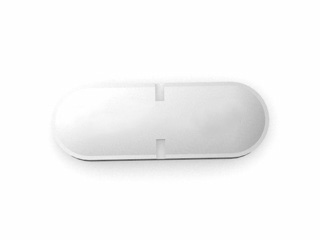
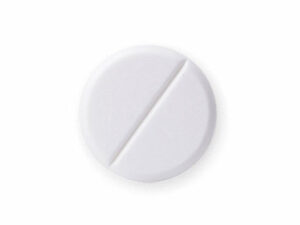
| Common forms | Tablets (strength and pack sizes vary by brand) |
| How it’s used | Swallowed with water; dose depends on the specific infection |
| Where it’s used | Treatment of specific trematode (fluke) and cestode (tapeworm) infections; also used for certain schistosomiasis infections |
Brand names and strengths may vary. Always check the packaging or the medicine label for the exact strength (e.g., mg per tablet) and follow the directions provided with your product.
How praziquantel works (mechanism of action)
Praziquantel works by affecting the worm’s ability to maintain its body functions. In many susceptible parasites, it causes:
- Spasms and paralysis of the parasite’s muscles.
- Disruption of the worm’s outer surface, which helps the medicine reach effective action at the parasite level.
- Calcium imbalance within the parasite cells, leading to impaired movement and survival.
As a result, the parasites are killed or become unable to survive in the body, allowing the immune system and natural processes to remove them.
Pharmacokinetics: what the body does with praziquantel
Pharmacokinetics describes how the medicine moves through the body (absorption, distribution, metabolism, and elimination). Key points include:
- Absorption: Praziquantel is absorbed through the gut after swallowing. Food can affect how quickly and how much is absorbed (see “Food interactions” below).
- Distribution: It is distributed into body tissues. The degree of distribution can influence effectiveness against certain parasites located in different areas.
- Metabolism: Praziquantel is mainly metabolised in the liver by enzyme systems (notably CYP450 pathways).
- Elimination: Metabolites are excreted primarily through urine and faeces, with most cleared within days.
Individual factors such as liver function, age, and interactions with other medicines can influence levels of praziquantel in the body.
Typical uses: which infections it treats
Praziquantel is used for several parasitic infections. The exact use depends on the parasite species and where it lives in the body.
Common indications include (depending on local availability and clinical assessment)
-
Schistosomiasis (blood fluke infections), for example:
- Schistosoma haematobium (often affects the urinary tract)
- Schistosoma mansoni (often affects the intestines)
- Schistosoma japonicum (seen with travel/exposure)
- Other schistosome species depending on the region
-
Tapeworm infections (cestodes) such as:
- Taenia species
- Diphyllobothrium species (e.g., fish tapeworm)
- Hymenolepis nana (dwarf tapeworm) in selected cases
-
Fluke infections (trematodes), in selected cases:
- Some liver or intestinal fluke infections may be treated depending on species and local guidance.
Important: Treatment choice and dosing can vary widely between parasites. Praziquantel is not effective for all worm infections, and some conditions require additional medicines or specific follow-up testing.
When to take praziquantel: timing and practical guidance
The “right timing” depends on the infection and the prescribed or indicated dosing regimen. In general:
- Follow your dosing schedule exactly (number of tablets and timing between doses).
- Take with food if advised on your product label. This can help with absorption and may reduce nausea in some people.
- Complete the full course even if you feel better quickly.
Does it need repeat doses?
Some parasite infections may require single-dose treatment, while others may need repeated doses within a short time or a follow-up evaluation to confirm success. Your intended regimen should be based on the parasite involved and clinical assessment.
Food interactions
Food can influence praziquantel absorption. For many people, taking praziquantel with or after food may improve how well the medicine is absorbed.
- General advice: If the product information or your clinician has instructed you to take it with food, follow that advice.
- Avoid very large changes in diet: If you usually eat regularly, keep your meals consistent around dosing times.
If you are experiencing nausea, taking the medicine with a meal or snack may help, but always follow the directions on your medicine packaging.
Alcohol interactions and other medicine interactions
Alcohol
While praziquantel does not have a universally “prohibited” alcohol interaction like some medicines do, alcohol may worsen side effects such as dizziness, headache, nausea, and fatigue. For best tolerance, it is often advised to avoid alcohol during treatment and for at least 24 hours after your last dose (or as advised by healthcare professionals).
Other medicines
Praziquantel can be affected by medicines that change liver enzyme activity. Some interactions may increase side effects or reduce effectiveness.
Tell your healthcare professional or pharmacist about all medicines you take, especially:
- Medicines that can increase liver enzyme activity (may reduce praziquantel levels).
- Medicines that may inhibit liver enzymes (may increase praziquantel levels and risk of side effects).
- Other antiparasitic or antiepileptic medicines (interaction risk varies and depends on which specific drug is used).
- Herbal products (e.g., St John’s Wort) which may influence metabolism.
If you are unsure whether a medicine might interact, ask a pharmacist. Keeping a list of your current medicines can help you get accurate advice quickly.
Dosing: what to expect
Dosing of praziquantel is based on the specific type of parasite, the location of infection, and your body weight in some regimens. Different infections may use different total daily doses and schedules.
Below is a general reference framework for dosing patterns. Your exact dose should match the regimen provided for your situation and the strength of the tablets you have.
Common dosing regimens (general guidance)
| Infection type (examples) | Typical regimen pattern | Notes |
|---|---|---|
| Schistosomiasis | Often a single day regimen | May be weight-based; sometimes divided into multiple doses across the day |
| Tapeworm infections | Frequently a single dose regimen | May depend on tapeworm species and clinical considerations |
| Selected fluke infections | May involve a single day or multiple days regimen | Dosing varies significantly by fluke species |
Do not rely on this page alone to choose your dose. Dosing must be aligned with the specific infection and the medicine strength you have.
How to take praziquantel
- Swallow tablets whole with water.
- If taking more than one tablet, space doses according to the schedule you have been given.
- If you miss a dose, seek advice from a pharmacist about what to do next rather than doubling up.
Safety profile: side effects and when to seek help
Like all medicines, praziquantel can cause side effects. Many people experience mild or temporary effects, but some symptoms need urgent medical attention.
Common or mild side effects
- Headache
- Nausea or mild stomach upset
- Dizziness
- Fatigue
- Abdominal pain or diarrhoea
- Fever or chills (sometimes related to the infection process as well)
Possible allergic reactions (seek help urgently)
Stop taking the medicine and seek urgent medical advice if you develop:
- Swelling of the face, lips, tongue, or throat
- Difficulty breathing or wheezing
- Severe rash or widespread itching
- Fainting or severe dizziness
Serious symptoms to take seriously
Contact urgent medical services if you experience severe or rapidly worsening symptoms such as:
- Severe headache, confusion, or drowsiness
- Seizures
- Weakness affecting one side of the body
- Persistent vomiting or dehydration
- Severe abdominal pain
These risks are especially relevant for infections that can affect sensitive areas like the central nervous system. In such cases, management may require special precautions.
Who should be extra cautious?
- Liver problems (praziquantel is processed by the liver)
- History of seizures
- Pregnancy or breastfeeding (risk/benefit depends on the infection and stage; ask a clinician/pharmacist for advice)
- Children (dose must be carefully weight-adjusted and infection-specific)
Practical use tips for patients
- Plan around side effects: Many people feel a bit unwell for a short time after taking praziquantel. If possible, choose a time when you can rest.
- Hydrate: Drink water regularly, especially if you experience diarrhoea or nausea.
- Bring attention to severe symptoms: If symptoms worsen significantly, seek urgent advice rather than waiting.
- Keep track of the regimen: Use a calendar/phone reminder for the dose timing.
- Follow hygiene measures: Avoid reinfection where applicable (e.g., safe water and food practices, and hygiene around toileting).
- Confirm treatment success if needed: Some infections require follow-up stool/urine testing. Your clinician can advise when and how.
Alternative treatment options
Alternative options depend entirely on which parasite is causing the illness. Some conditions may be treated with different antiparasitic medicines, while others may require combined approaches.
Common alternatives (examples)
- Albendazole or mebendazole (often used for certain intestinal worm infections; effectiveness depends on parasite type)
- Artemisinin-based combinations for malaria (not a worm infection, but sometimes co-occurs with travel-related illness—treatments differ)
- Other anti-fluke/tapeworm medicines (specific drugs vary by species and regional guidance)
If you suspect a parasitic infection—especially after travel—it can be helpful to seek appropriate testing or specialist advice so the correct medicine is used.
United Kingdom market & legal context (overview)
In the UK, medicine supply and use are regulated to ensure safety. Access to medicines can be influenced by:
- Medicine classification (how the medicine is regulated)
- Product licensing and authorised indications
- Prescribing and supply frameworks used by UK healthcare providers
- Pharmacy supply requirements (including patient screening for suitability)
Availability may also differ between online pharmacies and local retail outlets. Always use a reputable UK-registered pharmacy and check that the product is supplied legally and corresponds to a licensed medicine.
Recent guidance (general themes)
UK healthcare guidance continues to emphasise:
- Correct identification of the parasite where possible
- Appropriate dosing and follow-up testing for certain infections
- Management of special situations (e.g., pregnancy, children, and infections that can involve the nervous system)
- Preventing reinfection through water/food and hygiene measures
Guidance may be updated over time, particularly with changes in travel patterns, resistance considerations for other parasites, and public health recommendations.
Delivery, availability & what to check before ordering (UK)
Availability and dispatch times depend on the supplier, stock levels, and whether the item is commonly held. Online pharmacies typically offer:
- Home delivery to UK addresses
- Tracked or standard delivery options
- Packaging that helps protect tablets during transit
Before you place an order
- Confirm the exact product (praziquantel strength and tablet count)
- Check expiry date on the dispensed pack when it arrives
- Read the patient information leaflet (PIL) included in the pack
- Make sure you understand the dosing schedule for your infection type
If you have not been assessed for the specific parasitic infection, it is wise to seek advice before taking praziquantel, because dosing and safety considerations depend on the parasite and its location.
FAQ
1) What is praziquantel used for?
Praziquantel is used to treat specific parasitic worm infections, including schistosomiasis (blood fluke infections) and certain tapeworm and fluke infections. The exact use depends on the parasite species.
2) How quickly does praziquantel work?
People may feel different within hours, but symptoms can also fluctuate due to the infection itself and how the body responds. Parasite clearance can continue over days. Follow-up testing may be recommended for some infections.
3) Should praziquantel be taken with food?
Many patients are advised to take praziquantel with food or after a meal to improve absorption and reduce stomach upset. Always follow the instructions on your medicine pack or the product information provided with your supply.
4) Can I drink alcohol after taking praziquantel?
It’s best to avoid alcohol during treatment, as it may worsen dizziness, nausea, and fatigue. If you choose to drink, do so cautiously and consider avoiding it for at least 24 hours after the last dose.
5) What side effects are normal?
Common mild effects include headache, dizziness, nausea, stomach upset, and tiredness. If symptoms are severe, persistent, or you have signs of allergy, seek urgent medical advice.
6) Is praziquantel safe for children?
Praziquantel can be used in children for appropriate infections, but the dose must be carefully calculated based on body weight and the parasite involved. Use only dosing advice meant for the child’s situation.
7) Can praziquantel be used in pregnancy or breastfeeding?
Safety in pregnancy and breastfeeding depends on the infection and individual circumstances. If you are pregnant, trying to conceive, or breastfeeding, seek advice from a pharmacist or healthcare professional for the safest approach.
8) Will praziquantel stop all worm infections?
No. Praziquantel targets specific parasites. Correct identification of the parasite (where possible) helps ensure the right medicine is used.
9) Do I need follow-up after treatment?
Some infections require follow-up stool/urine testing or clinical review to confirm cure. Follow-up needs depend on the parasite, your symptoms, and local guidance.
10) What if I miss a dose?
Do not double up. Seek advice from a pharmacist about what to do based on your specific dosing schedule and timing of the missed dose.
11) Are there any driving or work restrictions?
Because dizziness or tiredness can occur, avoid driving or operating machinery if you feel unwell after taking praziquantel.
Summary
Praziquantel is an antiparasitic medicine used for certain worm infections, including schistosomiasis and some tapeworm and fluke infections. It works by damaging parasite function and leading to parasite death or paralysis. Food can improve absorption for many people, and alcohol may worsen side effects.
Always use dosing that matches the specific infection and the strength of the tablets you receive, and seek medical advice urgently if you develop severe symptoms or signs of allergy.