

Mebendazole (UK) — Patient Guide
Mebendazole is an anti-parasitic medicine used to treat certain worm infections. It works by stopping the worms from absorbing essential nutrients, which leads to their death and helps clear the infection. This guide is designed to be clear and patient-friendly, covering how mebendazole works, how to take it, what to expect, and important safety information.
Basic product information
| Item | Details |
|---|---|
| Active ingredient | Mebendazole |
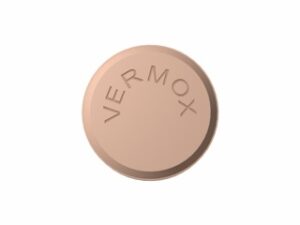
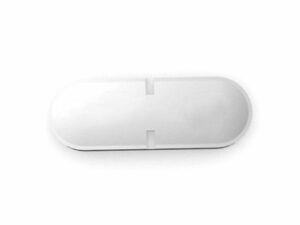
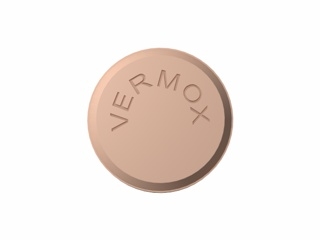
| Medicinal form | Commonly tablets (and in some brands chewable/other forms); availability varies by product |
| Who it is for | Adults and children, depending on the product strength and age guidance |
| What it treats | Intestinal worm infections such as threadworms (pinworm), roundworm, and certain other nematodes; brand/strength determine indications |
| Common side effects | Mild stomach upset, nausea, diarrhoea, headache (varies by person) |
| Typical course | Often a short course; some infections may require repeat dosing |
How mebendazole works (mechanism of action)
Mebendazole is a benzimidazole anti-parasitic. It targets the worm’s internal biology:
- It disrupts the worm’s ability to form microtubules (structures needed for cell function and survival).
- This reduces the worm’s capacity to absorb glucose (a key energy source).
- Over time, the worm’s energy supply is depleted, leading to immobilisation and death.
After the worms die, they are passed from the body naturally. In some infections (especially threadworms), re-infection is common—so hygiene measures and sometimes repeat dosing are important.
Pharmacokinetics (how the body handles it)
Absorption: Mebendazole is absorbed only partly from the gut. Absorption can vary between people and is generally limited when taken by mouth.
Distribution: Once absorbed, it binds to proteins in the blood to some extent and can reach different tissues, though most activity is associated with the intestines.
Metabolism: It is metabolised mainly in the liver.
Excretion: Metabolites are eliminated largely through the urine and bile/faeces.
Note: For many short courses used for routine worm infections, the level of exposure is generally low, but duration and dose can matter, especially in long-term use.
What mebendazole is used for (indications)
Mebendazole is used to treat common intestinal worm infections. The exact indications and age limits depend on the strength and product guidance.
Common indications
- Threadworms (pinworm) — often causes itchy bottom, especially at night.
- Roundworm (ascariasis).
- Whipworm (trichuriasis) — infection may cause abdominal discomfort and diarrhoea.
- Hookworm (ancylostomiasis) — may cause iron-deficiency anaemia in some cases.
- Other intestinal nematodes — depending on product instructions.
If you’re unsure which worm type you have, it can help to consider symptoms and/or local advice. A healthcare professional can guide diagnosis if symptoms are severe, prolonged, or unclear.
Typical use and timing
Many worm infections are treated with a short course. For threadworms in particular, a repeat dose is often used because eggs can survive and cause re-infection after initial treatment.
General timing principles
- Take at the time(s) listed on your product packaging to match the dose schedule for your infection.
- If a repeat dose is recommended (commonly for threadworms), take it at the interval stated.
- For hygiene-related re-infection prevention, consider day-to-day measures throughout the treatment window and after the repeat dose.
Dosing (how to take mebendazole)
Dosing depends on the strength of the tablets, the type of worm, and the age of the patient. Always follow the instructions on your specific product.
Typical examples (check your pack for exact instructions)
- Threadworms (pinworm): commonly treated with a single dose followed by a repeat dose after about 2 weeks (exact timing may vary by product).
- Other intestinal worms: dosing schedules may be longer (for example, several days) and may be based on body weight for children in certain regimens.
Important: If you are treating children, use only the dose and product intended for their age group. If multiple household members are affected, follow the product guidance on treating contacts.
How to take
- Swallow the tablet(s) with water unless your product is specified as chewable.
- Try to take the dose consistently at the same time of day.
- Keep the treatment course complete, even if symptoms improve quickly.
Food interactions and taking with meals
Mebendazole can typically be taken with or without food. Some people find taking it with a light meal reduces nausea.
If your product leaflet advises a specific approach (e.g., taking after food), follow that guidance.
Practical advice
- Choose a time when you’re likely to tolerate it well.
- If you have a sensitive stomach, take it with a snack or meal.
- Stay hydrated, especially if you experience diarrhoea.
Alcohol and medicine interactions
Alcohol
There is no universal, guaranteed “safe with alcohol” statement for all situations, but for many people taking a short course of mebendazole, occasional alcohol is unlikely to cause a direct interaction. However, avoiding alcohol can be sensible—particularly if you have stomach upset, liver disease, or you’re taking other medicines that may affect the liver.
If you have concerns, ask a pharmacist for advice relevant to your health history.
Medicine interactions
Mebendazole can potentially interact with other medicines, mainly through effects on metabolism (particularly in the liver) and overlapping side effects. Some interactions may be more relevant with longer courses.
Tell your pharmacist/doctor if you take
- Cimetidine or other medicines that can affect gastric acid or drug metabolism
- Metronidazole (if taken for other infections)
- Anti-seizure medicines or medicines that induce liver enzymes
- Warfarin or other medicines affecting blood clotting (monitoring may be needed)
- Other treatments that affect the liver (especially for prolonged dosing)
- Medicines that can also cause GI side effects
If you’re taking multiple medicines, it’s good practice to check interactions at the point of purchase or with a pharmacist.
Safety profile and when to seek advice
Most people tolerate mebendazole well, especially with short courses used for common intestinal worm infections. Side effects are usually mild and temporary.
Common side effects
- Abdominal pain or cramps
- Nausea
- Diarrhoea or loose stools
- Headache
- Dizziness (less commonly)
Less common but important effects
- Allergic reactions (rash, itching, swelling, breathing difficulties)
- Changes in liver blood tests, especially with higher dose or prolonged use
- Hair loss has been reported rarely with long-term or high-dose therapy
Seek urgent medical help if
- You develop signs of a serious allergic reaction (swelling of the face/lips, trouble breathing)
- Severe or persistent abdominal pain occurs
- You notice yellowing of the skin/eyes (jaundice) or dark urine (possible liver issue)
- High fever, dehydration, or blood in stool occurs
Who should take extra care
- People with liver disease or a history of abnormal liver tests
- Pregnant or breastfeeding individuals (see below)
- Children—ensure age-appropriate dosing and product suitability
- Those taking interacting medicines or planning repeated courses
Pregnancy, breastfeeding, and special circumstances
Advice may vary depending on the stage of pregnancy, the type of worm infection, and the recommended regimen. If you are pregnant or breastfeeding, check the product guidance and consider speaking with a pharmacist or doctor for individual advice.
In many cases, treatment decisions balance the benefit of clearing infection against medication exposure—especially where symptoms are bothersome or complications could occur.
Practical use tips (to improve results and reduce re-infection)
Medicine can kill existing worms, but prevention of re-infection is key—particularly for threadworms, which spread easily within households.
Hygiene measures that help
- Wash hands thoroughly with soap and warm water, especially after using the toilet and before eating.
- Keep fingernails short to reduce worm-egg transfer from surfaces to the mouth.
- Change underwear daily during treatment days (and follow pack guidance after repeat dose).
- Wash bedding and clothing that may be contaminated (follow local guidance and your product pack instructions).
- Clean shared bathrooms regularly—focus on frequently touched surfaces.
- Avoid nail biting and sharing personal items.
Household treatment
Threadworm infections often spread within families. Your product guidance may recommend treating all household members at the same time, even if symptoms are mild or absent. Treating contacts can reduce “ping-pong” re-infection.
What you may notice after treatment
- Symptoms such as itch may improve, but it may take a short time for the itching to settle fully.
- If you are treating threadworms, continue hygiene measures around the repeat dose interval.
- If symptoms persist after completing the course and hygiene steps, consider checking for re-infection and seek advice if needed.
What to do if you miss a dose
If you miss a dose, follow the guidance in the patient information leaflet for your specific product. In general, if you only missed it briefly, you may take it as soon as you remember, but avoid doubling up unless advised.
If you’re unsure, contact a pharmacist for help aligning the schedule.
Alternative options for worm infections (UK)
Depending on the type of worm infection and your age group, alternative anthelmintic medicines may be considered. Availability and exact appropriateness depend on local guidance and product licensing.
Common alternatives
- Albendazole — another benzimidazole anti-parasitic used for several worm infections.
- Pyrantel pamoate (where available) — commonly used for threadworms; dosing schedules differ.
- Other targeted treatments for less common parasites may require specialist advice.
If you have already tried one product and symptoms continue, it’s important not to repeatedly self-treat without considering possible re-infection, correct diagnosis, and household spread.
Market and legal context in the United Kingdom
In the UK, worm treatments are commonly available through pharmacies. The ability to supply mebendazole without a prescription depends on:
- The specific product brand and strength
- The intended indication (for example, threadworms vs other infections)
- Age and formulation requirements
- Whether the medicine is licensed for over-the-counter supply
Online pharmacy services in the UK typically include eligibility checks, product suitability questions, and instructions on safe use. This helps ensure the medicine is used appropriately and safely for the patient’s circumstances.
Recent guidance and practical updates
Guidance for worm infections often emphasises two key points:
- Correct selection of the medicine for the suspected worm type
- Repeat dosing and hygiene measures, especially for threadworms
When symptoms persist despite treatment, it is commonly recommended to consider re-infection, household spread, and whether further assessment is needed. Also, if you have prolonged symptoms, weight loss, significant abdominal pain, anaemia, or blood in stool, seek professional medical advice rather than repeating courses.
Delivery and availability (UK online pharmacy)
Mebendazole products may be delivered to addresses across the UK, subject to availability, product licensing, and courier service capacity. Delivery options may include standard and express shipping depending on your location and order volume.
What to expect when ordering online
- You will be asked to confirm product suitability (for example, age-related information).
- Orders are usually dispatched promptly once payment and eligibility checks are complete.
- Packaging is typically designed for safe transit.
Please allow time for postal or courier delivery. If you need the medicine urgently (for example, for a child with significant symptoms), check the estimated delivery window at checkout.
Frequently asked questions (FAQ)
1) How quickly does mebendazole work?
Many people begin to notice improvement within a short time, but clearance and symptom relief can vary. For threadworms, the repeat dose and ongoing hygiene measures are often key to full resolution.
2) Do I need to treat everyone in the household?
Often, yes for threadworms. Household members can carry eggs even if they don’t have strong symptoms. Follow the product guidance for your specific infection and age group.
3) Can I take mebendazole with food?
Usually, yes. Many people find taking it with a light meal helps reduce stomach upset. Always follow the instructions on your product pack.
4) What if the itching comes back after treatment?
Itching can return due to re-infection or incomplete hygiene measures. Check that the treatment schedule was completed correctly (including any repeat dose) and review hygiene steps. If symptoms persist, consider seeking advice.
5) Is mebendazole safe for children?
Mebendazole can be used in children for certain worm infections, but age and dose depend on the product strength. Use the appropriate product and follow the age-related guidance on the label/leaflet.
6) Can adults use the same product as children?
Not necessarily. Adults and children may require different doses or formulations. Choose the product intended for the age group and follow the labelled dosing instructions.
7) Does mebendazole interact with other medicines?
Some medicines may interact with mebendazole, especially those affecting the liver or drug metabolism. If you take regular medicines, ask a pharmacist to check for interactions based on your medication list.
8) Can I drink alcohol while taking mebendazole?
For many people, occasional alcohol is unlikely to cause a direct problem with short courses, but it’s best to avoid alcohol if you feel unwell or if you have liver concerns. When in doubt, ask a pharmacist.
9) What side effects should I expect?
Common side effects include stomach upset, nausea, diarrhoea, and headache. Seek medical help if you develop signs of allergy, severe pain, or possible liver problems (such as jaundice).
10) When should I get medical advice instead of self-treating?
Seek advice if symptoms are severe, persist after completing the course, you see blood in stool, you have significant weight loss, signs of anaemia, or you’re unsure which infection you have.
Summary
Mebendazole is a well-known anti-parasitic medicine used for intestinal worm infections. It works by blocking the worm’s ability to use nutrients, helping eliminate the infection. The most important factors for success are using the correct dose schedule for your infection and following hygiene measures to prevent re-infection—especially for threadworms.
If you have any questions about which product to choose, how to take it, or how it may fit with other medicines you use, a pharmacist can help you make the safest and most effective choice.