

Ethionamide (for Tuberculosis) – Patient Information Guide (UK)
Ethionamide is a prescription medicine used as part of combination therapy for tuberculosis (TB), including certain cases of drug-resistant TB. Because TB treatment is complex and long-term, ethionamide is taken only as directed by a specialist TB team. This guide explains what the medicine is for, how it works, how it behaves in the body, and practical advice to help you take it safely.
Basic product information
- Medicine name: Ethionamide
- Medicinal form: Tablets or oral formulations (varies by brand)
- Therapeutic group: Anti-tuberculosis medicine (sterilising/bacteriostatic activity depending on context)
- Common role: Used in combination with other TB medicines
- Typical UK context: Supplied and monitored through TB services when indicated
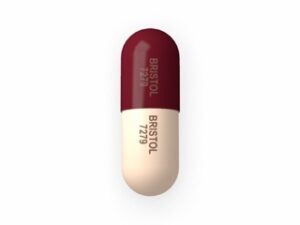
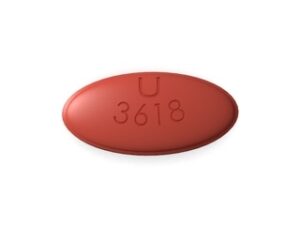
Note: Brand availability can vary. Your pharmacist can confirm the exact presentation you have been given.
How Ethionamide works (mechanism of action)
Ethionamide belongs to the class of medicines that act against Mycobacterium tuberculosis. Its activity depends on conversion within the body. In TB bacteria, ethionamide is activated by a bacterial enzyme (commonly involving the EthA pathway). Once activated, it interferes with the bacteria’s ability to build important cell wall and survival components.
Key points about the mechanism:
- Targets bacterial metabolism: Ethionamide disrupts pathways involved in lipid synthesis and cell wall integrity.
- Works as part of combination therapy: Using multiple medicines reduces the risk of resistance developing.
- Part of MDR-TB regimens: It may be used in drug-resistant TB treatment plans depending on susceptibility results and local guidance.
Pharmacokinetics (how the body processes it)
“Pharmacokinetics” describes what happens after you take ethionamide—how it is absorbed, distributed, metabolised, and eliminated.
- Absorption: Ethionamide is taken by mouth and is absorbed through the gastrointestinal tract. The presence of food can affect how much is absorbed.
- Distribution: It can distribute into body tissues where TB may be present (for example, lung tissue).
- Metabolism: Ethionamide is metabolised primarily in the liver. This is why liver health matters for safe use.
- Elimination: Breakdown products are eliminated mainly via the body’s metabolic pathways (including renal and biliary routes depending on metabolism).
- Half-life (general concept): The duration of effect supports once or twice daily schedules depending on regimen and clinical monitoring.
Clinical monitoring matters: Because ethionamide is metabolised in the liver and can affect other systems, clinicians often monitor blood tests (such as liver function) and side effects closely.
Typical indications (what it is used for)
In the UK, ethionamide is used for treatment of tuberculosis when it is appropriate within a combination regimen. It is commonly considered in:
- Drug-susceptible TB: Less common as monotherapy; generally used when part of a specialist regimen.
- Drug-resistant TB: Particularly in treatment of MDR-TB or rifampicin-resistant TB regimens, depending on susceptibility testing and guidance.
- Regimen optimisation: Your TB team selects medicines to create an effective combination with the best chance of cure while minimising toxicity.
Important: Ethionamide should not be used on its own to treat TB. It is designed to work alongside other TB medicines.
Timing: when to take ethionamide
How you time doses can influence side effects and absorption.
- Follow your TB regimen schedule: Your dose frequency may be once or twice daily depending on the treatment plan.
- Try to take it at the same times each day: This helps maintain steady drug levels.
- Consistency with food: See the food section below for practical guidance. Do not make large changes to your eating pattern without discussing with your clinician or pharmacist.
If you miss a dose: Take it as soon as you remember unless it is close to the time for your next dose. Do not double the dose. If you are unsure, contact your pharmacist or TB clinic for advice.
Food interactions and taking with meals
Food can affect the way ethionamide is absorbed. Some people find that taking ethionamide with food reduces nausea or stomach upset.
Practical advice:
- Take with food if advised: Many patients find tolerability improves when taken with meals.
- Be consistent: If your regimen expects a certain approach (with or without meals), keep the routine stable.
- Report severe gastrointestinal symptoms: Persistent vomiting, inability to eat, or significant weight loss should be discussed promptly with your care team.
Food does not replace adherence: If food timing is hard to maintain, speak to your TB team—do not stop or adjust dosing without medical guidance.
Alcohol and medicine interactions
Alcohol can affect the liver and may increase the risk of liver injury. Ethionamide is metabolised in the liver, so combining alcohol with ethionamide can increase the chance of side effects or complications.
General recommendations for UK patients:
- Avoid alcohol if possible during ethionamide therapy, particularly if you have any liver abnormalities.
- If you drink, keep it minimal and discuss with your clinician—your TB team may recommend avoiding alcohol entirely.
- Seek prompt advice if you notice signs of liver issues (see “Safety profile” below).
Other medicine interactions: Ethionamide can interact with medicines used in TB treatment and with drugs affecting the liver or the nervous system. Tell your pharmacist or clinician about:
- TB medicines you are taking (e.g., rifampicin, isoniazid, pyrazinamide, others depending on regimen)
- Medicines for seizures, mood, or nerve pain
- Anticoagulants (“blood thinners”)
- Regular vitamins or supplements, including any “liver support” products
- Herbal products (e.g., St John’s wort)
Do not start new medicines (including over-the-counter products) without checking for interactions—TB regimens often involve multiple drugs.
Dosing: how ethionamide is usually taken
Dosing for ethionamide varies by the TB regimen, your body weight, and tolerability. In the UK, TB specialists tailor dosing to the overall plan and monitor blood tests and side effects.
Common dosing approaches include:
- By body weight in many TB protocols.
- Once or twice daily schedules depending on regimen and clinical judgement.
- Adjustments may be required for liver function problems or intolerable side effects.
Follow your labelled instructions exactly. If you have questions about your dose strength or schedule, ask your pharmacist—mistakes with multi-drug TB regimens can affect effectiveness and safety.
Reminder: Do not change the dose, stop early, or switch timing on your own. TB treatment must be completed for the best chance of cure and to reduce relapse.
Safety profile: side effects and when to get help
Like all medicines, ethionamide can cause side effects. Some are common and manageable, while others require prompt medical assessment.
Common side effects
- Nausea or stomach upset
- Loss of appetite
- Vomiting
- Metallic taste or changes in taste
- Dry mouth or abdominal discomfort
Neurological and metabolic effects
- Peripheral neuropathy (tingling, numbness, or burning pain in hands or feet). This may be more likely in people with vitamin deficiencies or other risk factors.
- Vitamin deficiencies—clinicians may use supplements (such as B-vitamins) depending on the regimen.
- Increased risk of mood or behavioural changes in some patients.
Liver-related effects
Because ethionamide is processed by the liver, liver inflammation or changes in liver enzymes can occur.
- Possible indicators: fatigue, reduced appetite, yellowing of the skin/eyes (jaundice), dark urine, pale stools, or itching.
- Action: report symptoms promptly; TB regimens often require blood tests to catch issues early.
Allergic reactions (rare but serious)
Get urgent medical help if you develop signs such as:
- Swelling of the face, lips, tongue, or throat
- Difficulty breathing or swallowing
- Widespread rash or hives
When to seek urgent advice
Contact your TB clinic, GP, or urgent care promptly if you have:
- Severe or persistent vomiting
- Yellow skin/eyes, severe itching, or dark urine
- New or worsening numbness/weakness in the limbs
- Uncontrollable severe dizziness, confusion, or severe mood changes
- Any reaction you feel is rapidly getting worse
Practical use tips (to help you take ethionamide comfortably)
Many side effects are easier to manage with practical strategies. The tips below are general and should be tailored to your personal regimen.
- Take with food if it helps nausea and keep the routine consistent.
- Stay hydrated, especially if you experience appetite loss.
- Manage taste changes: flavouring foods, sugar-free mints, and eating smaller portions may help.
- Nutrition matters: TB treatment can increase nutritional strain; aim for balanced meals.
- Report nerve symptoms early: tingling or numbness should be discussed quickly so the care team can adjust treatment or provide support.
- Attend blood test monitoring: liver function checks and other tests help prevent complications.
- Keep a dose diary: TB regimens often involve multiple medicines—tracking helps prevent missed doses.
Do not stop suddenly: Stopping ethionamide (or any TB medicine) without guidance can increase the risk of resistance and treatment failure.
Alternative options (other TB medicines)
TB regimens are individualised. If ethionamide is not suitable due to side effects, interactions, or resistance patterns, your specialist team may consider alternative medicines depending on your TB type and susceptibility testing.
Examples of medicines that may be considered in TB regimens (choice depends on resistance profile and patient factors):
- Cycloserine
- Linezolid
- Delamanid (for certain drug-resistant TB situations)
- Bedaquiline (for certain drug-resistant TB situations)
- Isoniazid
- Pyrazinamide
- Rifampicin or rifabutin
Important: Alternatives are not interchangeable. Replacing ethionamide affects the whole regimen. Any changes must be planned by TB specialists.
UK market and legal context (how ethionamide is handled)
In the United Kingdom, ethionamide is a medicine used in TB management and is subject to regulatory controls and prescribing and dispensing requirements. In practice, TB services coordinate supply, monitoring, and adherence support.
What this means for patients:
- Availability can vary by brand strength and treatment pathway.
- Formulation and stock may change; your pharmacy will confirm what is available and appropriate.
- Clinical monitoring is a key part of safe use—especially liver function and neurological side effects.
- Public health coordination supports TB control, ensuring patients access the correct regimen for their TB type.
Recent guidance (overview of current UK practice)
TB treatment recommendations in the UK are periodically updated by national and professional bodies, typically reflecting the latest evidence on drug-resistant TB regimens and safety monitoring. While individual prescriptions are tailored to the patient, the general principles include:
- Use of combination therapy with medicines selected based on susceptibility results.
- Monitoring for toxicity, particularly liver function and neurological effects.
- Adherence support because incomplete treatment increases relapse and drug resistance.
If you are unsure about your plan, your TB clinic can explain why ethionamide is included and what tests or symptom checks they expect you to follow.
Delivery and availability (what to expect from a UK online pharmacy)
When ordering medicines online in the UK, availability and delivery can depend on stock levels, presentation, and local regulations. Reputable pharmacies will:
- Confirm the correct medicine strength and quantity.
- Provide clear instructions on how to take it.
- Ensure safe packaging and privacy for delivery.
- Offer guidance if there are delays or if the exact brand presentation is unavailable.
Typical delivery considerations:
- Processing times may vary, especially for less commonly stocked TB medicines.
- Cold chain is usually not required for tablets, but packaging and storage instructions will be provided.
- Tracking and delivery updates are often available.
If your medicine is delayed, contact the pharmacy promptly—your TB team may need to coordinate continuity of therapy.
Storage instructions
- Store below 25°C (unless your product label states otherwise).
- Keep in the original packaging to protect from light and moisture.
- Keep out of sight and reach of children.
- Do not use after the expiry date on the pack.
Ethionamide: dosing and safety overview (summary table)
| Topic | What to know |
|---|---|
| Main use | Tuberculosis treatment as part of combination therapy, often for drug-resistant TB regimens. |
| How it works | Activated in TB bacteria; disrupts pathways involved in bacterial cell survival and cell wall/lipid synthesis. |
| Typical schedule | Once or twice daily depending on your TB regimen. Follow your labelled instructions. |
| Food effects | Food can affect absorption and may help reduce nausea. Keep a consistent approach. |
| Alcohol | Best avoided; may increase liver-related risks during treatment. |
| Key risks | Gastrointestinal upset, nerve symptoms (neuropathy), mood changes, and potential liver effects. |
| Monitoring | Often includes blood tests (e.g., liver function) and symptom checks for neuropathy and mood changes. |
FAQ
1) What is ethionamide used for?
Ethionamide is used to treat tuberculosis when it forms part of a combination regimen. It is often considered in drug-resistant TB treatment plans based on susceptibility results and specialist guidance.
2) How quickly will ethionamide start working?
TB medicines begin working early in treatment, but symptom improvement varies. Full treatment aims to eradicate TB bacteria and prevent relapse, which requires completing the course as planned.
3) Should I take ethionamide with food?
Many people find that taking ethionamide with meals helps reduce nausea. Because absorption can be affected by food, it’s important to follow the routine set by your TB team or the instructions on your medicine label.
4) What should I do if I miss a dose?
Take the missed dose when you remember unless it’s near the next dose time. Don’t take a double dose. If you are unsure, contact your pharmacist or TB clinic for advice.
5) What are the signs of possible liver problems?
Seek prompt advice if you notice yellow skin or eyes, dark urine, pale stools, severe fatigue, or intense itching. Your care team may also monitor liver enzymes with blood tests.
6) Can ethionamide cause nerve problems?
Yes. Some people experience tingling, numbness, or burning pain in the hands or feet (peripheral neuropathy). Report new or worsening nerve symptoms early so your treatment plan can be supported or adjusted.
7) Is it safe to drink alcohol?
Alcohol is best avoided during ethionamide treatment because it may increase liver-related risks. If you do drink, discuss it with your clinician and keep it minimal.
8) Are there interactions with other TB medicines?
Ethionamide is typically used alongside other TB drugs as part of a prescribed regimen. Your TB team selects the combination carefully and monitors side effects and blood tests to manage risks.
9) What should I do about nausea?
Try taking ethionamide with food (if your regimen allows), eat small meals, stay hydrated, and contact your TB clinic if nausea is persistent or severe. Do not stop the medicine without medical advice.
10) What happens if ethionamide is not tolerated?
Your specialist team may adjust the regimen if side effects become problematic. Alternatives may be considered depending on the TB type and resistance profile.
Final reminder: TB treatment is highly individual. Use ethionamide exactly as instructed, attend scheduled monitoring, and contact your healthcare team promptly if you experience worrying symptoms.