
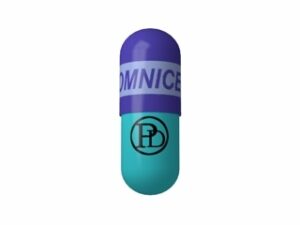

Principen (Ampicillin)
Principen is a brand name of ampicillin, an antibiotic medicine used to treat certain bacterial infections. This page explains how ampicillin works, how it is used, what to expect, and important safety information for people in the United Kingdom.
Always follow the advice given by your healthcare professional and the instructions on the medicine label. If you have any doubts, ask a pharmacist for help.
Basic product information
| Item | Details |
|---|---|
| Medicine | Ampicillin (brand: Principen) |
| Class | Penicillin-type antibiotic (a β-lactam antibiotic) |
| How it’s taken | Usually oral (tablet/capsule or oral preparation, depending on product presentation) |
| What it treats | Bacterial infections that are susceptible to ampicillin |
| Common examples | Selected respiratory, urinary and other infections, depending on local guidance and bacteria resistance |
| Key safety concern | Allergy to penicillins/β-lactams; antibiotic-associated diarrhoea |
How ampicillin works (mechanism of action)
Ampicillin belongs to the penicillin group of antibiotics. It works by interfering with the way bacteria build their cell walls. Specifically, ampicillin binds to certain bacterial proteins involved in cell wall formation, which weakens the cell wall and leads to the death or stoppage of growth of susceptible bacteria.
Important: Ampicillin does not treat viruses (such as common colds, flu, or many sore throats caused by viruses). Using antibiotics when they are not needed can contribute to antibiotic resistance.
Pharmacokinetics: how the body handles ampicillin
“Pharmacokinetics” describes how the medicine is absorbed, distributed, metabolised and eliminated. While exact values may vary by formulation and patient factors, the overall patterns for ampicillin include:
- Absorption: Ampicillin is absorbed through the gastrointestinal tract, although absorption may be affected by food intake.
- Distribution: It can spread into many body tissues and fluids, including the lungs and urinary tract, where appropriate.
- Metabolism: Ampicillin is not extensively “broken down” into inactive products in the way some medicines are.
- Elimination: It is mainly eliminated by the kidneys. In people with reduced kidney function, the dose may need adjustment.
Because it is cleared relatively efficiently by the body—particularly in people with normal kidney function—ampicillin is often taken multiple times a day to maintain effective drug levels.
Typical use in the UK
Ampicillin is used for susceptible bacterial infections as advised by clinical assessment and local treatment guidance. The decision to use ampicillin (rather than another antibiotic) depends on:
- the suspected or confirmed bacteria and their antibiotic sensitivity
- the site and severity of infection
- your medical history, including allergies and previous antibiotic exposure
- local antibiotic resistance patterns
- how well your kidneys are working
In the UK, antibiotic selection is increasingly guided by antimicrobial stewardship and resistance data to ensure the right antibiotic is used at the right time, and to reduce harm and resistance.
Indications: what ampicillin may be used for
Ampicillin can be considered for a range of bacterial infections depending on susceptibility and clinical judgement. Potential indications include (examples, not an exhaustive list):
- Upper and lower respiratory tract infections caused by susceptible bacteria
- Urinary tract infections due to susceptible organisms
- Some gastrointestinal and soft tissue infections where caused by ampicillin-sensitive bacteria
- Other infections as determined by healthcare professionals based on likely pathogens and local guidance
Your clinician will determine whether ampicillin is suitable for you. If cultures or other tests are performed, the result may confirm whether ampicillin is an effective option.
How to take Principen (timing and practical guidance)
Timing
Ampicillin is often prescribed to be taken at regular intervals during the day to keep antibiotic levels steady. Common schedules may be, for example, four times daily (every 6 hours) or three times daily depending on the prescribed regimen.
Try to space doses evenly: If your schedule is, for example, four times daily, aim for doses at roughly equal gaps. If you miss a dose, take it when you remember unless it is nearly time for the next dose—then skip the missed dose. Do not double up.
Practical tips
- Use a timer or phone reminder to help you complete the course.
- Finish the full course unless told to stop by a healthcare professional, even if you feel better.
- Stay hydrated, especially if you have fever or are unwell.
- Do not share antibiotics with others.
- Keep track of side effects. If you experience severe diarrhoea, rash, or breathing difficulties, seek urgent advice.
Food interactions
Food can affect how quickly and how much ampicillin is absorbed. In many people, taking ampicillin with food may reduce stomach upset, but could slightly alter absorption.
Follow the instructions on your specific product label. If you have been told “take with food” or “take on an empty stomach,” that direction should guide your routine.
General advice
- If you experience nausea or stomach discomfort, ask a pharmacist whether taking with a meal is suitable for your product.
- Try to take doses at similar times each day to maintain consistency.
Alcohol and medicine interactions
For most people, moderate alcohol does not directly “cancel” the antibiotic in the way some drug classes can. However, alcohol can worsen dehydration, stomach irritation, and fatigue—symptoms that may already occur during infection.
To reduce risk and support recovery:
- Avoid or limit alcohol while you are unwell.
- If you notice increased side effects after drinking (such as nausea, dizziness, or diarrhoea), stop alcohol and seek advice if severe.
Also consider alcohol-containing products (some syrups or liquid medicines may contain alcohol). Ask your pharmacist if your specific formulation contains alcohol.
Drug interactions: other medicines that may matter
Ampicillin can interact with certain medicines or influence how they work. Tell your healthcare professional or pharmacist about all medicines you take, including over-the-counter products and herbal supplements.
Common interaction considerations
- Medicines for gout: Some antibiotics can interact with gout medicines such as allopurinol, potentially increasing the risk of rash.
- Oral contraceptives: Most evidence suggests that antibiotics like ampicillin are unlikely to reduce effectiveness of the pill in most situations. However, if you have vomiting or severe diarrhoea, absorption of contraceptive hormones may be affected. In that case, use additional protection and ask for advice.
- Anticoagulants: Antibiotics may affect gut bacteria and sometimes influence clotting control in people using warfarin. Monitoring may be required.
- Probenecid: This may increase antibiotic levels by affecting kidney excretion in some circumstances.
This list is not exhaustive. Your pharmacist can check interactions based on your exact product and your other medicines.
Dosing: what is “typical” vs what applies to you
Do not use a generic “one size fits all” dose. Ampicillin dosing depends on:
- the infection type and severity
- age and body weight (especially for children)
- kidney function
- how your infection responds over time
- local guidance and culture results (if available)
Typical adult dosing regimens vary by infection and formulation. In general terms, ampicillin is commonly given in divided doses over a number of days (or longer for more serious infections), but the correct schedule for you must be determined by a healthcare professional.
Always follow the dose on your medicine label. If you miss a dose or are unsure how to take it, ask a pharmacist.
Kidney function and dose adjustment
Because ampicillin is cleared by the kidneys, people with impaired kidney function may require reduced dosing frequency or dose. This helps prevent excess antibiotic levels and related side effects.
Safety profile: who should be cautious
Allergy and serious reactions
The most important safety issue is allergy to penicillins or other β-lactam antibiotics. If you have had a previous allergic reaction, discuss with a clinician or pharmacist before taking ampicillin.
Seek urgent medical help if you develop signs of a severe allergy, such as:
- swelling of the face, lips, tongue, or throat
- difficulty breathing or wheezing
- severe widespread rash, blistering, or peeling skin
- fainting or collapse
Antibiotic-associated diarrhoea
Antibiotics can sometimes affect the balance of bacteria in the gut, leading to diarrhoea. While mild diarrhoea can occur, be alert for symptoms of more serious conditions.
Contact urgent care or a healthcare professional promptly if you have:
- severe diarrhoea (especially watery or persistent)
- diarrhoea with blood or mucus
- abdominal cramps and fever
- symptoms that worsen during or after finishing the course
Other possible side effects
Side effects can vary between individuals. Common or expected effects include:
- Nausea or upset stomach
- Diarrhoea or loose stools
- Rash (can sometimes be an allergy—get advice promptly)
- Headache or general unwell feeling
Less common but important reactions may include abnormal blood counts or liver enzyme changes. If you develop unusual bruising, marked fatigue, yellowing of the skin/eyes, or dark urine, seek medical advice.
Pregnancy and breastfeeding
Ampicillin is generally considered compatible with pregnancy and breastfeeding in many clinical situations, but suitability depends on your condition and the specific antibiotic plan. Discuss with a healthcare professional if you are pregnant, trying to conceive, or breastfeeding.
Guidance on practical use
Complete the course
Even if you feel better, the infection may not be fully cleared. Completing the course helps reduce the risk of relapse and lowers the chance of developing resistance.
What to do if symptoms worsen
If your symptoms do not improve after a reasonable time, or if they worsen, contact a healthcare professional. The bacteria may not be susceptible to ampicillin, or you may have a different cause than expected.
Managing missed doses
If you forget a dose, take it when you remember unless it is nearly time for the next one. Do not take two doses at once. If you often forget, consider setting reminders and speak to your pharmacist about simplifying the schedule.
Do not stop early without advice
Stopping early can lead to incomplete treatment. However, if you experience a suspected allergic reaction or severe diarrhoea, seek prompt medical advice.
Alternative options
Depending on the infection, antibiotic susceptibility, and your allergy history, clinicians may choose other antibiotics. Alternatives can include:
- Other penicillins (depending on local guidance and sensitivity)
- β-lactam/β-lactamase inhibitor combinations for bacteria that produce resistance enzymes
- Cephalosporins for certain infections where appropriate (only if safe for your allergy profile)
- Macrolides or other classes if a penicillin-type antibiotic is unsuitable
- Non-penicillin alternatives based on culture results and clinical judgement
Your healthcare professional can explain why an alternative may be preferred in your situation. Resistance patterns can vary by region and over time, so “best alternative” depends on the diagnosis and bacteria involved.
UK market and legal context
In the United Kingdom, antibiotics are regulated medicines supplied under national medicines and pharmacy frameworks. Medicines such as ampicillin are used in line with clinical antimicrobial guidance and local protocols.
Antibiotic prescribing practices in the UK are supported by antimicrobial stewardship to:
- minimise unnecessary antibiotic use
- reduce antibiotic resistance
- ensure appropriate treatment for bacterial infections
When antibiotics are recommended, they should be chosen based on likely pathogens and susceptibility, and used for the appropriate duration.
Note: Availability can vary between wholesalers and suppliers. Your online pharmacy may list different pack sizes or formulations as stock changes.
Recent guidance and antimicrobial awareness (UK)
Across the UK, guidance and stewardship programmes emphasise:
- better assessment of whether an infection is truly bacterial
- use of local resistance patterns to select antibiotics
- shorter courses when appropriate to reduce resistance pressure
- reviewing treatment if there is no improvement
This is especially relevant for common illnesses where viral causes are frequent. If you are unsure whether symptoms need antibiotics, consult a healthcare professional—this helps protect you and others.
Delivery and availability
Delivery options and availability depend on the specific product strength and formulation, as well as current supply conditions. Most UK online pharmacies provide:
- Standard delivery (typically within a few working days)
- Express options in some areas
- Tracking for dispatched parcels
If stock is temporarily unavailable, you may be offered an alternative pack size, a different supplier, or another suitable antibiotic option (as clinically appropriate).
For the most accurate information about expected delivery times and stock status, refer to the product page and delivery section in your pharmacy account.
FAQ: Principen (Ampicillin)
1) What is Principen used for?
Principen contains ampicillin, an antibiotic used to treat specific bacterial infections that are susceptible to it. The exact infection type and suitability depend on your diagnosis and local resistance patterns.
2) Can I take Principen for a cold or flu?
Usually, no. Colds and flu are commonly caused by viruses, and antibiotics do not treat viruses. If you are unsure about the cause of your illness, seek medical advice.
3) How soon will I feel better?
Some people notice improvement within 24–48 hours, but it varies depending on the infection and bacterial sensitivity. If symptoms are not improving or are worsening after a short period, contact a healthcare professional for review.
4) Should I take it with food?
Food may affect absorption and may reduce stomach upset. Follow the directions on your medicine label or the advice given by your pharmacist. If you experience side effects, speak to your pharmacist before changing how you take it.
5) What if I miss a dose?
Take it as soon as you remember unless the next dose is close. Do not take two doses at once. If you miss multiple doses, ask your pharmacist for advice.
6) Is it safe to drink alcohol while taking ampicillin?
Moderate alcohol is not generally known to “neutralise” ampicillin, but alcohol can worsen illness-related symptoms and dehydration. It’s often best to avoid or limit alcohol while you’re unwell.
7) What are the signs of an allergic reaction?
Signs can include rash, itching, swelling of the face/lips/tongue, breathing difficulty, or severe skin reactions. Seek urgent help if you suspect a severe allergy.
8) Can ampicillin cause diarrhoea?
Yes. Mild diarrhoea can occur. However, seek urgent medical advice if you get severe diarrhoea, blood in stool, fever, or persistent symptoms— especially during or after finishing the course.
9) Are there interactions with the contraceptive pill?
Antibiotics like ampicillin are not usually expected to directly reduce contraceptive effectiveness. However, if you have vomiting or severe diarrhoea, the pill may not absorb properly. In that case, follow advice from your clinician or pharmacist and consider additional protection.
10) What if I have kidney problems?
Because ampicillin is cleared by the kidneys, dosing may need adjustment. Tell your healthcare professional/pharmacist if you have kidney disease or reduced kidney function.
When to seek urgent help
Contact urgent care or emergency services if you experience signs of a severe allergic reaction (such as trouble breathing or swelling), or symptoms suggesting a serious bowel reaction (such as severe watery diarrhoea, blood in stool, or severe abdominal pain).
Disclaimer: This information is intended to help you understand ampicillin (Principen). It does not replace the advice of a healthcare professional. If you have questions about your specific situation, ask a pharmacist or clinician for guidance.