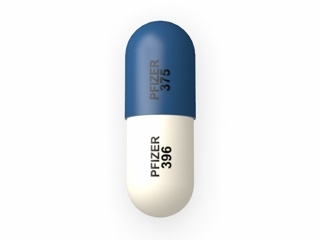
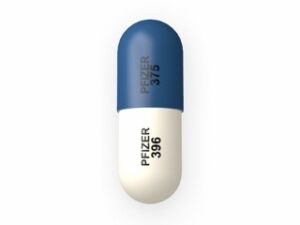
Geodon (Ziprasidone) — Patient Information (UK)
Geodon is a medicine containing ziprasidone. It is used to treat certain mental health conditions, helping to reduce symptoms such as hallucinations, delusions, disordered thinking, agitation, and mood-related symptoms. This page explains how Geodon works, how it is taken, important safety information, and what to consider regarding food, alcohol, and other medicines.
Always follow the advice provided by your healthcare professional and the instructions on the medicine label. If you have questions, contact a pharmacist.
Key facts at a glance
- Active ingredient: Ziprasidone
- Medicine type: Antipsychotic (atypical)
- Common forms (varies by product): Capsules (strengths may differ by availability)
- Main uses: Schizophrenia and bipolar disorder (in adults, depending on the specific regimen)
- How to take: Usually with food to improve absorption
- Typical dosing frequency: Often twice daily (exact dose depends on your condition)
What Geodon is used for (indications)
Geodon is prescribed for the treatment of:
- Schizophrenia in adults
- Bipolar disorder in adults (e.g., bipolar depression episodes and/or certain acute episodes depending on the approved regimen and clinical context)
Note: The exact indication, eligibility, and dosing schedule may differ based on your age, diagnosis, and the specific presentation of ziprasidone.
How Geodon works (mechanism of action)
Ziprasidone is an atypical antipsychotic. It works by influencing multiple brain chemical pathways involved in thinking, perception, mood, and behaviour. In particular, it affects:
- Dopamine receptors (helps reduce “positive” psychotic symptoms like hallucinations and delusions)
- Serotonin receptors (helps stabilise mood and may support improvements in other symptoms)
- Other receptor interactions that contribute to symptom control
Because it acts on several pathways, some people experience symptom improvement within days, while full benefit may take longer (often several weeks). Consistent dosing is important.
Pharmacokinetics (how the body processes it)
Understanding pharmacokinetics can help you take Geodon correctly.
Absorption
Ziprasidone is absorbed after you take it by mouth. Absorption is significantly improved when taken with food. Taking it on an empty stomach can reduce the amount absorbed, potentially leading to weaker effect.
Time to peak effect (Tmax)
After dosing, ziprasidone levels typically rise to their highest concentration in the bloodstream a few hours later (exact timing varies by person and formulation).
Distribution and metabolism
Ziprasidone distributes into body tissues and is processed mainly by the liver. It is metabolised by enzyme pathways, including CYP enzymes. Drug interactions that affect these enzymes can change ziprasidone levels.
Elimination
Ziprasidone and its metabolites are removed from the body largely via urine and faeces. The medicine has a dosing interval that supports maintaining levels within the therapeutic range.
When and how to take Geodon (timing and routine)
Follow your prescriber’s instructions for dose and schedule. Below is general guidance.
Timing with meals
- Take Geodon with food (not on an empty stomach).
- Try to take it at consistent times each day.
- If you miss a dose, take it when you remember only if it is close to the next scheduled dose. Otherwise, skip and continue as prescribed.
How to swallow
Swallow capsules whole with water. Do not crush or open unless your pharmacist advises otherwise.
Missing doses
If you miss a dose:
- Do not take a double dose to make up for the missed one.
- Contact your pharmacist or prescriber for advice if you are unsure.
Food interactions (very important)
Food strongly affects absorption. Taking Geodon without adequate food may lead to reduced absorption and less reliable symptom control.
What to do
- Take each dose with a meal or a substantial snack.
- Maintain a consistent routine so your absorption stays similar day to day.
What to avoid
- Do not take Geodon on an empty stomach.
- Avoid sudden large changes in meal timing and portion size, if possible, because it may affect how much medicine you absorb.
Tip: If your appetite varies, discuss strategies with your pharmacist to keep dosing consistent with meals.
Alcohol and medicine interactions
Alcohol
Alcohol can increase the risk of side effects such as drowsiness, dizziness, impaired judgement, and may worsen mood symptoms. For safety, it is generally recommended to limit or avoid alcohol while taking Geodon unless your healthcare professional advises otherwise.
Interactions with other medicines
Ziprasidone can interact with other drugs, potentially affecting heart rhythm, blood levels, or side-effect risk. Tell your healthcare team about all medicines you take, including:
- Other antipsychotics
- Antidepressants and mood stabilisers
- Antibiotics and antifungals
- Anticonvulsants
- Medicines for nausea or travel sickness
- Pain medicines and sedatives (including benzodiazepines)
- Medicines that affect heart rhythm or electrolytes (e.g., some diuretics)
- Herbal products and supplements (especially those affecting liver enzymes)
Heart rhythm considerations (QT prolongation)
Ziprasidone may affect the electrical activity of the heart, which can lead to QT prolongation in some people. Risk can be increased by:
- Other medicines that prolong the QT interval
- Low potassium or magnesium (for example from certain diuretics or severe vomiting/diarrhoea)
- Existing heart rhythm problems
- Congenital long QT syndrome
Seek medical advice promptly if you experience palpitations, fainting, or severe dizziness.
Practical reminder: Before starting Geodon, many clinicians review your medication list and may consider ECG monitoring if risk factors are present.
Dosing overview (general information)
Dose recommendations depend on the condition being treated, your age, symptom severity, and how you respond to treatment. Your healthcare professional will provide the exact schedule for you.
General principles
- Doses are commonly taken twice daily.
- Ziprasidone dosing is often adjusted based on therapeutic response and tolerability.
- Do not change your dose or stop suddenly without medical guidance.
Example timing (illustrative only)
Many regimens are structured as:
- Morning dose with breakfast
- Evening dose with dinner
Your exact schedule may differ.
Special considerations
- Older adults: may be more sensitive to side effects such as dizziness, falls, and blood pressure changes.
- Liver impairment: dosing may need adjustment or closer monitoring.
- Heart conditions: extra caution may be required due to QT-related risk.
If you have kidney or liver problems, heart rhythm issues, or you take multiple medicines, discuss dosing details with your prescriber or pharmacist.
Safety profile and side effects
Like all medicines, Geodon can cause side effects. Not everyone experiences them. Many side effects improve as your body adjusts.
Common side effects
- Drowsiness or sleepiness
- Dizziness
- Nausea
- Headache
- Fatigue
- Constipation or stomach discomfort
Less common but important side effects
- Movement-related symptoms (e.g., restlessness, tremor, stiffness)
- Changes in blood pressure, including feeling faint when standing
- Increased risk of abnormal heart rhythm (QT prolongation)
- Sexual side effects (varies by person)
Seek urgent medical help if
- You have fainting, severe dizziness, or palpitations
- You develop high fever, severe muscle stiffness, confusion, or unusual sweating (possible serious reaction)
- You have signs of an allergic reaction such as swelling of the face/lips, rash, or breathing difficulty
- You experience worsening severe symptoms, agitation, or suicidal thoughts
Driving and operating machinery
Because Geodon can cause drowsiness or dizziness, be cautious when driving or operating machinery until you know how it affects you.
Practical use tips (getting the most from your treatment)
- Take with food every time: consistency improves reliability of effect.
- Use reminders: alarms on your phone can help prevent missed doses.
- Track early changes: note sleep, anxiety, restlessness, or mood changes and share them with your clinician.
- Keep a medication list: include prescription medicines, over-the-counter products, and supplements.
- Stay hydrated: especially if you have vomiting or diarrhoea, as dehydration and electrolyte changes can affect heart rhythm risk.
- Attend reviews: periodic assessments help monitor response and side effects.
- Avoid abrupt stopping: if you feel you need to stop, contact your healthcare professional for safe adjustment.
If you experience bothersome side effects, do not simply stop; contact your pharmacist or prescriber promptly to discuss options.
Alternative options
There are other treatments for schizophrenia and bipolar disorder. Alternatives may include other antipsychotics, mood stabilisers, and psychological interventions. Your clinician will consider your symptom profile, side effect history, other conditions, and medication interactions.
Possible medication alternatives (examples)
- Other atypical antipsychotics (choice depends on response and side-effect tolerance)
- Mood stabilisers for bipolar disorder (e.g., certain medicines used for mood control)
- Adjunct treatments depending on your symptoms (e.g., for insomnia or anxiety)
Your pharmacist can help you compare formulations, dosing schedules, and what to expect from alternatives.
Recent guidance and UK market/legal context
In the UK, medicines like ziprasidone are regulated and monitored through established processes. Guidance for mental health care in the UK is influenced by national bodies and evidence-based clinical practice. Prescribing decisions should align with current clinical guidelines and local NHS pathways.
Regulatory overview (UK)
- Authorisation and safety monitoring are managed through UK medicines regulation and post-marketing surveillance.
- Healthcare professionals consider benefit–risk, especially regarding heart rhythm effects and other safety considerations.
- Medicines safety updates and prescribing information are made available to clinicians and pharmacists.
Clinical practice updates
Recent focus in antipsychotic care commonly includes:
- Assessing physical health parameters (e.g., weight, metabolic risk where applicable)
- Reviewing medicines that can increase QT prolongation risk
- Using the lowest effective dose and reviewing response regularly
- Support for shared decision-making and adherence
Important: If you are concerned about changes in how ziprasidone is prescribed or monitored, speak to your healthcare professional or pharmacist.
Delivery and availability in the UK
Availability can vary by strength and formulation. Online pharmacies typically offer delivery options across the UK subject to stock levels and legal requirements. Delivery timeframes depend on dispatch schedules and local courier services.
What to expect when ordering
- Stock-dependent dispatch: items may dispatch quickly if available, or require lead time if not.
- Secure packaging: medicines are supplied in appropriate packaging to protect them during transit.
- Tracking options: some orders include delivery tracking details.
If you need Geodon urgently, contact the pharmacy support team to discuss delivery timelines and alternative options if stock is limited.
FAQs — Frequently asked questions
1) Do I need to take Geodon with food?
Yes. Ziprasidone absorption is significantly improved when taken with food. For best effect, take each dose with a meal or substantial snack as advised.
2) What happens if I miss a dose?
Take it when you remember only if it is close to your next dose. Otherwise, skip the missed dose and continue your usual schedule. Do not take a double dose.
3) Can I drink alcohol while taking Geodon?
It is generally best to limit or avoid alcohol because it may increase dizziness, drowsiness, and mood instability. Ask your pharmacist for advice tailored to you.
4) Will Geodon make me drowsy?
Some people experience sleepiness or fatigue. Avoid driving or dangerous activities until you know how you respond.
5) What if I feel worse after starting?
Symptoms can take time to settle. However, worsening agitation, severe anxiety, or suicidal thoughts require prompt medical attention. Contact your healthcare professional urgently if you are concerned.
6) Are there heart-related risks?
Ziprasidone may affect heart rhythm (QT prolongation) in susceptible individuals, especially when combined with certain other medicines or when electrolyte levels are low. Tell your healthcare team about any heart conditions and all medicines you take.
7) What medicines should I avoid?
Do not start or stop medicines without advice. Many drugs can interact with ziprasidone, including some that also affect heart rhythm. Always share your complete medication list with your pharmacist.
8) How long does it take to work?
Some improvement may be noticed within days, but full benefit often takes several weeks. Continue taking it consistently and attend regular reviews.
9) Can I stop Geodon suddenly?
Stopping suddenly may cause problems for some people. If you want to stop or switch treatment, discuss a planned approach with your healthcare professional.
10) Are there alternatives if I cannot tolerate it?
Yes. Alternatives include other antipsychotics and mood-focused treatments depending on your diagnosis. A pharmacist can explain possible options and differences.
Summary
Geodon (ziprasidone) is an atypical antipsychotic used to treat conditions such as schizophrenia and bipolar disorder. It works by modulating brain chemical pathways involved in mood, thought, and perception. For reliable absorption and effect, it is typically taken with food and often twice daily. Like all medicines, it has potential side effects and important interaction considerations—particularly around heart rhythm risk and medicines that affect QT prolongation.
If you want help choosing the right dosing routine, checking interactions, or understanding what to expect, speak to your pharmacist.
Product information table
| Category | Information |
|---|---|
| Brand name | Geodon |
| Generic name | Ziprasidone |
| Type | Atypical antipsychotic |
| Typical dosing frequency | Often twice daily (as directed) |
| How to take | With food |
| Main uses | Schizophrenia; bipolar disorder (depending on regimen/approval) |
| Key safety focus | Possible QT prolongation; dizziness/drowsiness; movement-related effects |
| Alcohol | Generally avoid or limit |