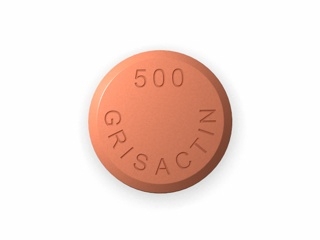
Grisactin (Griseofulvin) – Patient Guide (UK)
Grisactin contains griseofulvin, an antifungal medicine used to treat certain fungal infections of the skin, hair and nails. This guide explains how it works, how to take it, important safety information, and what to expect in the United Kingdom.
Key facts
- Active ingredient: Griseofulvin
- What it treats: Fungal infections such as tinea (ringworm), and some infections affecting hair and nails
- Form: Often available as oral tablets/capsules depending on brand and strength
- How it works: Stops fungi from forming properly by interfering with fungal cell structure
- How long it takes: Skin infections may improve in weeks; nail infections often require longer treatment
What is Grisactin?
Grisactin (griseofulvin) is an oral antifungal medicine. It is used to treat fungal infections caused by dermatophytes—types of fungi that commonly infect skin, scalp/hair, and nails. It is not typically used for many other causes of skin problems (for example, yeast infections or bacterial infections).
In the UK, griseofulvin is a well-established option for appropriate fungal infections, particularly where dermatophytes are involved.
How Grisactin works (mechanism of action)
Griseofulvin works by disrupting fungal cell division and growth. It does this mainly by:
- Binding to fungal microtubules (the structure the fungus uses to separate and replicate its cells)
- Inhibiting formation of the mitotic spindle so the fungus cannot multiply effectively
- Helping the body clear infected keratin by concentrating in developing skin cells, hair and nails
In practical terms, the medicine gradually replaces infected cells with new healthy ones—this explains why nail and scalp infections often improve slowly.
Pharmacokinetics (how the body handles it)
Understanding how griseofulvin is absorbed and processed can help you take it correctly:
- Absorption: Absorption can be improved when taken with food (especially meals with fat).
- Distribution: It reaches areas where dermatophytes are present—particularly keratin-rich tissues (skin, hair and nails).
- Metabolism: Griseofulvin is metabolised in the liver.
- Elimination: The medicine and its metabolites leave the body primarily via the bile and kidneys (details vary by person).
- Onset of benefit: Symptoms may start to improve after days to weeks, but complete clearance can take longer.
Typical uses in the UK
Grisactin is used for dermatophyte infections, including:
- Ringworm (tinea corporis)
- Groin itch (tinea cruris)
- Athlete’s foot (tinea pedis)
- Scalp infections (tinea capitis)
- Fungal nail infection (onychomycosis) due to dermatophytes
Your exact choice of treatment depends on the type of fungus, the site of infection, and whether the infection affects skin only or also hair/nails.
Indications and when to use (what it is suitable for)
Grisactin is most appropriate when fungal infections are confirmed or strongly suspected to be caused by dermatophytes. It may be recommended when topical treatment alone is unlikely to be sufficient—especially for scalp or nail disease.
Not all “fungus” is the same:
- Griseofulvin generally targets dermatophyte organisms.
- Other causes of skin changes (such as eczema, psoriasis, bacterial folliculitis, or yeast infections) require different management.
How to take Grisactin (dosing and timing)
Dosing depends on the infection site, severity, and individual factors such as age and weight. Your healthcare professional will determine the exact dose. The information below is for patient understanding of typical dosing principles.
General dosing principles
- Oral use: Take by mouth exactly as directed.
- Consistency: Take at the same times each day to maintain steady levels.
- Course length: Do not stop early when symptoms improve. Fungi can persist under the skin/nail.
Typical timing and course duration (approximate)
Times vary by infection type and response. The following ranges are common in clinical practice:
| Infection type | Typical course length | What improvement may look like |
|---|---|---|
| Skin (e.g., ringworm, groin itch) | Often 2–6 weeks | Less itching/redness and clearer edges; full resolution may take longer |
| Athlete’s foot | Often 2–6 weeks | Drying and healing between toes/soles; recurrence can happen if feet aren’t kept dry |
| Scalp (tinea capitis) | Often 6–12 weeks (sometimes longer) | Reduced scaling and shedding; new hair regrowth may lag behind |
| Nails (onychomycosis due to dermatophytes) | Often 6–12 months | Only the new nail that grows in becomes normal; discolouration may take months to clear |
How to improve absorption
- Take with food: Griseofulvin absorption is generally better with a meal.
- Follow the label instructions: Some formulations are intended to be taken with fatty foods; follow your specific instructions.
- Swallow whole: If tablets/capsules are not scored or not intended for splitting, swallow with water.
If you miss a dose, take it when you remember unless it’s close to the next dose. Do not double up.
Food interactions (what to eat and what to avoid)
Food can influence how well griseofulvin is absorbed.
- Recommended: Take with a meal to improve absorption.
- Better tolerated: Taking with food may reduce stomach upset.
There are no “forbidden” foods commonly required with griseofulvin, but a consistent routine—taking it with the same type of meal each day—may help.
Alcohol and medicine interactions
Alcohol
It is generally advised to avoid or limit alcohol during treatment. Griseofulvin can affect the liver (see safety section), and alcohol can add strain. If you plan to drink, ask your pharmacist or clinician for personalised advice.
Medicine interactions (important)
Griseofulvin may interact with other medicines because it can affect liver enzymes involved in drug metabolism. This can change how well other medicines work or increase side effects.
Tell your healthcare professional and pharmacist about all medicines you take, including:
- Warfarin and other anticoagulants
- Certain anti-epileptic medicines
- Oral hormonal contraception (see below)
- Ciclosporin and other immunosuppressants
- Some anti-HIV medicines, antifungals, antibiotics, and antidepressants
- Over-the-counter remedies and herbal supplements (for example, St John’s wort)
Hormonal contraception
Griseofulvin may reduce the effectiveness of some hormonal contraceptives because of enzyme effects. If you use hormonal contraception, discuss reliable contraception options with a healthcare professional during treatment.
Other antifungals and skin treatments
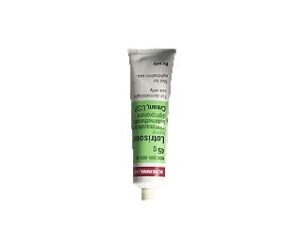
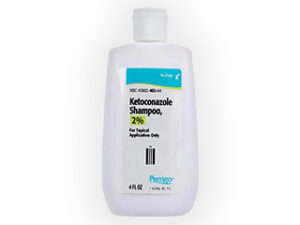
Depending on the infection, a clinician may also recommend topical treatment (for example, creams or medicated shampoos) alongside oral griseofulvin. Combining treatments can help when fungi are on the skin surface but the infection is deeper in hair follicles or nail plates.
Safety profile and side effects
Like all medicines, Grisactin can cause side effects. Many people experience none or only mild effects. Stop treatment and seek urgent medical advice if you develop signs of a severe allergic reaction or serious illness.
Common side effects
- Headache
- Nausea, indigestion, mild stomach upset
- Diarrhoea (less commonly)
- Dizziness
- Skin reactions such as rash or itching
- Light sensitivity (in some people)
Less common but important effects
- Liver problems (uncommon): symptoms may include yellowing of the skin/eyes, dark urine, unusual tiredness, or persistent nausea
- Blood count changes (rare): unusual bruising, infections more often, or persistent sore throat
- Severe skin reactions (rare): blistering, peeling skin, mouth sores, or widespread rash
Who should take extra care?
- People with a history of liver disease
- Those taking medicines with known significant interactions
- Anyone with previous drug allergies to griseofulvin or similar medicines
- Older adults or those with other medical conditions (because side effects may be more likely)
Pregnancy and breastfeeding (general guidance)
If you are pregnant, trying to conceive, or breastfeeding, discuss treatment options with a clinician. The safety of griseofulvin in pregnancy may depend on the infection severity and alternatives available.
Practical tips for using Grisactin effectively
These tips can improve the chance of cure and reduce the risk of recurrence:
- Complete the course: Stop only when advised, even if symptoms improve.
- Keep affected areas clean and dry: Fungi thrive in warm, moist environments.
- Follow hand/foot hygiene: Wash hands after applying any topical products; dry carefully.
- Don’t share towels: This helps prevent spreading to others or reinfection.
- Change socks regularly: Especially for athlete’s foot; consider breathable fabrics.
- Footwear care: Rotate shoes, allow them to dry, and consider antifungal powders/sprays if advised.
- Nail care: Keep nails trimmed; follow your clinician’s advice on whether to debride (remove thickened material).
- Monitor symptoms: If there’s no improvement after a reasonable time, ask for review.
If you are treating a scalp infection, notify close contacts if they develop symptoms, as dermatophytes can spread.
What to expect during treatment
- Skin infections: Often start improving within the first couple of weeks, but full clearance can take longer.
- Nail infections: May look worse early on because diseased nail may remain while new nail grows in. Clearance is typically judged over months.
- Scalp infections: Usually require longer treatment and sometimes additional topical shampoo measures.
If lesions spread rapidly, become painful, form pus, or you develop fever, get urgent medical advice.
Alternative treatment options
Treatment depends on the type of fungus, the site affected, and individual factors. In the UK, alternatives may include:
Topical antifungals (for suitable skin infections)
- Antifungal creams/ointments such as terbinafine or clotrimazole
- Medicated powders or sprays for athlete’s foot (supportive care)
- Antifungal shampoos for scalp fungal infections (often combined with oral therapy when needed)
Other oral antifungals (for hair/nail or extensive disease)
- Terbinafine – commonly used for some dermatophyte infections
- Itraconazole – used in selected nail and dermatophyte cases
- Fluconazole – may be used depending on fungal type and site
Your clinician will select the best option considering interactions, the likely organism, kidney/liver health, and expected treatment duration.
UK market and legal context (what this means for customers)
In the UK, medicines are classified by legal status. Access to antifungal treatments like griseofulvin may be provided through pharmacy services under the appropriate supply arrangements. Availability can vary based on product formulation, stock levels, and local regulations.
- Quality and safety: Medicines sold in the UK must meet regulatory standards for manufacturing and distribution.
- Medicines advice: Pharmacists can help you understand how to take it, manage side effects, and identify interaction risks.
- Clinical review: For fungal nail or scalp infections, longer treatment is often needed, so follow-up may be advised if results are unclear.
Guidance for antifungal use is informed by NHS and specialist approaches, including the importance of accurate diagnosis (sometimes using samples to confirm the fungus).
Recent guidance and practical considerations
While specific local guidance can evolve, UK practice commonly emphasises:
- Confirming the diagnosis where symptoms persist or the infection is extensive
- Choosing treatment by site (skin vs scalp vs nails)
- Considering interactions before prescribing systemic antifungals
- Assessing liver function risk when systemic therapy is used, especially in longer courses
- Encouraging adherence because incomplete courses increase the chance of relapse
If you’re unsure whether your symptoms are truly fungal, ask for assessment rather than relying on trial-and-error.
Delivery and availability (UK)
Availability of Grisactin can vary depending on supply and the exact strength/formulation. Online pharmacies in the UK may provide delivery options such as:
- Standard delivery: typically within a few working days (subject to availability)
- Express delivery: may be available for some orders (subject to stock)
When ordering, check:
- Strength and formulation (tablets/capsules differ)
- Pack size and whether it matches the planned course duration
- Delivery times shown at checkout
If Grisactin is temporarily unavailable, a pharmacist may suggest the closest available product or an alternative treatment strategy depending on your condition.
FAQ
1) What conditions does Grisactin treat?
Grisactin (griseofulvin) is used for dermatophyte fungal infections, particularly affecting skin, hair/scalp and nails—such as ringworm, athlete’s foot, and some nail infections.
2) How long will it take to work?
Skin symptoms may improve within weeks, but nail infections often take months because only new nail that grows in will look normal. Scalp infections usually need a longer course than skin infections.
3) Should I take it with food?
Yes—taking griseofulvin with a meal can improve absorption and reduce the chance of stomach upset. Follow the instructions provided for your specific product.
4) Can I drink alcohol while taking Grisactin?
It’s generally best to avoid or limit alcohol during treatment, particularly because griseofulvin can affect the liver. Ask a pharmacist or clinician if you’re unsure about what is safe for you.
5) What medicines commonly interact with griseofulvin?
Griseofulvin can interact with several medicines due to effects on liver metabolism. Tell your pharmacist about all medicines and supplements you take, including anticoagulants, some anti-epileptics, hormonal contraception, and herbal products such as St John’s wort.
6) Will it work for all fungal infections?
It works for certain fungi (especially dermatophytes). Other infections—like yeast infections or conditions that mimic fungal rashes—may require different medicines.
7) What should I do if I miss a dose?
Take it as soon as you remember unless it’s close to the next dose. Do not take a double dose to make up for a missed one.
8) Are there any warning signs I should watch for?
Seek urgent medical help for severe rash, blistering, swelling, breathing difficulty, or signs of liver problems such as yellow skin/eyes or dark urine. Contact a healthcare professional promptly if you feel unwell in ways that worry you.
9) Can I stop when symptoms improve?
No—finishing the full course is important, particularly for scalp and nail infections where fungi may remain even after symptoms improve. Stopping early increases the risk of relapse.
10) What can I do to prevent recurrence?
Keep the area dry, practise good hygiene, avoid sharing towels, wear breathable footwear, and change socks regularly. For nail infections, ongoing nail hygiene and prompt treatment of feet can help reduce reinfection.
Important: This information is a general guide. If your symptoms worsen, do not improve, or you have concerns about side effects or interactions, speak to a healthcare professional or pharmacist for advice tailored to you.