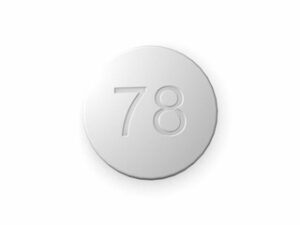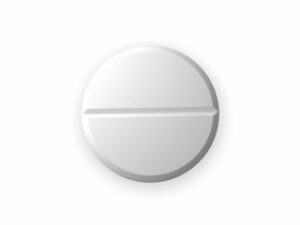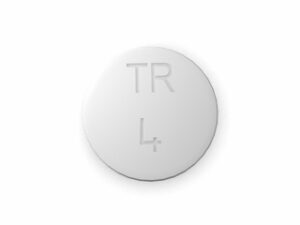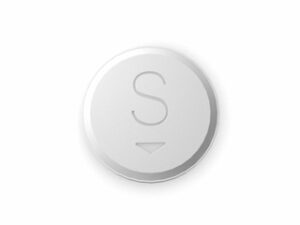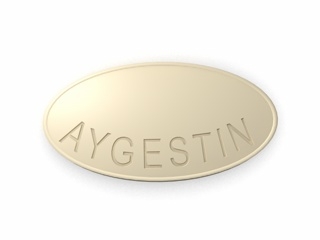
Aygestin (Norethindrone Acetate)
Aygestin is a medicine containing norethindrone acetate, a synthetic form of the hormone progesterone. It is used in a range of gynaecology and hormone-related conditions to help control bleeding patterns and support hormonal balance.
This page is written to be easy to understand and focuses on how Aygestin works, what it’s commonly used for, and practical guidance for UK patients. Always follow the advice of your healthcare professional and read the patient information leaflet (PIL) supplied with your medicine.
Basic product information
| Feature | Details |
|---|---|
| Active ingredient | Norethindrone acetate |
| What it is | Progestogen (synthetic progestin) |
| Common form | Tablets (strengths may vary by product) |
| Main uses | Hormone-related bleeding control and conditions such as endometriosis-related symptoms and certain menstrual disorders |
| How it’s taken | By mouth, usually once or more daily depending on the condition |
| UK availability | Prescription medicine in the UK; availability may vary by pharmacy and supplier |
How Aygestin works (mechanism of action)
Norethindrone acetate is converted in the body to a progestogen-like activity. Progestogens work mainly by acting on hormone receptors in the uterus and other tissues.
- Stabilises the uterine lining: It helps regulate growth and shedding of the endometrium (the lining inside the womb).
- Supports regular bleeding patterns: By altering hormonal signals, it can reduce or control abnormal uterine bleeding.
- Helps in hormone-dependent conditions: In endometriosis and similar conditions, progestogenic effects can reduce symptoms related to hormone activity.
The exact benefit depends on the condition being treated, the dose, and the schedule used. Some treatments aim for bleeding control, while others aim to reduce symptoms over time.
Pharmacokinetics (how the body handles it)
Pharmacokinetics describe absorption, distribution, metabolism, and elimination. While individual responses vary, the overall picture for norethindrone acetate includes:
- Absorption: After oral administration, norethindrone acetate is absorbed through the gastrointestinal tract.
- Metabolism: It is metabolised in the liver. Liver function can influence how quickly the medicine is processed.
- Distribution: Like many steroid hormones, it distributes into body tissues and binds to plasma proteins.
- Excretion: Metabolites are eliminated mainly via urine and faeces.
If you have a history of liver disease, have unexplained persistent jaundice, or take medicines that affect liver enzymes, discuss suitability with a healthcare professional.
Typical use and indications in the UK
Aygestin is used for a variety of progestogen-responsive conditions. Indications can vary depending on the patient and local prescribing practice. Common uses include:
- Abnormal uterine bleeding: Such as heavy or irregular bleeding linked to hormonal imbalance.
- Endometriosis-related symptoms: To help control pain and reduce hormone-driven activity.
- Endometrial protection/management in selected scenarios: In some hormone-therapy approaches, progestogens help balance effects on the uterine lining.
- Other menstrual disorders: Depending on clinical assessment, such as bleeding pattern regulation.
Your prescriber will decide the most appropriate regimen for your specific situation. If you’re unsure why you’re taking Aygestin, ask your healthcare team.
When to take Aygestin (timing and missed doses)
How to take it
Take Aygestin by mouth exactly as directed. Try to take your tablets at the same time each day to maintain steadier hormone levels.
Starting treatment
Some treatments are started on a specific day of your cycle, while others may be started immediately depending on the indication. Your healthcare professional will provide the correct timing plan for you.
Missed dose guidance (general)
If you miss a dose:
- If it is close to the next dose, skip the missed dose and take the next dose at the usual time.
- If you remember soon after missing it, you may take it if it still fits the dosing schedule given to you.
- Do not double up to make up for a missed tablet unless advised by your healthcare professional.
If you are unsure, check the patient information leaflet or contact your pharmacy for clarification.
Food interactions
Aygestin can generally be taken with or without food. Food usually does not substantially change the overall effect of hormone medicines for most people.
- Take consistently: For best routine adherence, choose a time you can repeat daily.
- Stomach upset: If you experience nausea, some people find taking the tablet with a light meal helpful.
- Grapefruit and herbal products: While evidence can be variable, avoid starting new herbal supplements without advice. Grapefruit may affect drug metabolism for some medicines.
If you have concerns about interactions with your diet or supplements, ask your pharmacist.
Alcohol and medicine interactions
Moderate alcohol intake is not always contraindicated with all hormone tablets, but both alcohol and Aygestin can affect the body’s metabolism and liver workload. Alcohol may also worsen side effects such as dizziness, mood changes, or nausea in some people.
- General caution: Limit alcohol and monitor how you feel after taking Aygestin.
- Liver health: If you have any liver impairment or a history of liver problems, discuss alcohol use with a clinician.
- Medication interactions: Several medicines can influence hormone levels by affecting liver enzymes.
Important interaction examples to discuss with a pharmacist:
- Enzyme-inducing medicines (may reduce progestogen effectiveness), such as some antiepileptics (e.g., carbamazepine, phenytoin), rifampicin-like antibiotics, and some treatments for tuberculosis.
- Some medicines for HIV and hepatitis may also alter hormone metabolism.
- Herbal products such as St John’s wort may reduce hormone effectiveness.
- Anticoagulants/antiplatelet medicines (blood thinners): While not all interactions are the same, hormone medicines can change clotting risk. Your clinician may adjust monitoring.
This is not a complete list. Tell your pharmacy about all medicines you take (including over-the-counter products and supplements) to check interaction risk.
Dosing (what to expect)
Doses of Aygestin vary widely depending on the condition being treated, the severity of symptoms, and patient factors such as age and treatment goals. Common regimens may be continuous or scheduled in cycles.
Your healthcare professional will provide a specific dose and plan. Do not change the dose or stop treatment without medical advice.
Practical dosing principles
- Follow the schedule: Some conditions require daily dosing; others may use a short course followed by a break.
- Give it time: Bleeding changes may take days to weeks. Symptom relief in hormone-responsive conditions may take longer.
- Report unexpected bleeding: Spotting can occur initially, but heavy or persistent bleeding should be assessed.
Safety profile
Like all medicines, Aygestin can cause side effects. Most people experience mild or manageable effects, but some may require medical attention.
Common side effects
- Headache
- Nausea or stomach discomfort
- Breast tenderness
- Changes in bleeding pattern (spotting, breakthrough bleeding, or altered period timing)
- Mood changes (for example irritability or mood swings)
- Fluid retention or bloating
Serious side effects: seek urgent medical advice
Progestogens can be associated with increased clotting risk in some people, particularly with other risk factors. Seek urgent help if you develop symptoms that could indicate a clot or serious reaction:
- Sudden shortness of breath, coughing blood, or chest pain
- Unilateral leg swelling, pain, warmth, or redness
- Severe headache, vision changes, or weakness on one side
- Yellowing of the skin/eyes (jaundice) or severe abdominal pain
- Allergic reaction such as facial swelling, rash with breathing difficulty
If any of these occur, do not wait for symptoms to improve—contact emergency services or urgent medical care.
Who should take extra care
- History of blood clots or clotting disorders
- Significant liver disease
- Unexplained vaginal bleeding
- Known or suspected hormone-sensitive cancers (discuss individually with your clinician)
- Conditions that increase thrombotic (clot) risk, such as smoking combined with other risk factors
Your prescriber will weigh the benefits and risks before starting treatment.
Practical use tips
- Keep a bleeding diary: Note start/end dates of bleeding, spotting, and any heavy bleeding. This helps your clinician fine-tune the regimen.
- Set a daily reminder: Taking at the same time improves control and reduces missed doses.
- Monitor side effects early: If headaches, mood changes, or nausea become troublesome, contact your pharmacy to discuss options.
- Stay alert to warning signs: If you develop symptoms of clots or severe allergic reactions, seek urgent care.
- Do not stop abruptly: Stopping suddenly can change bleeding patterns. If you want to change or stop treatment, discuss with your healthcare professional.
- Maintain follow-up: Some conditions require review to ensure treatment is effective and safe.
Alternative options
Depending on the reason you are taking Aygestin, alternative treatments may include other hormonal therapies or non-hormonal options. Your healthcare professional will recommend what is most suitable for you.
Possible alternatives (examples)
- Other progestogens: Different formulations (tablets, injectables, or other progestin types) may be used.
- Levonorgestrel-releasing intrauterine system (IUS): Often used to manage heavy menstrual bleeding and protect the uterine lining in some cases.
- Combined hormonal contraception: Sometimes used for cycle control, depending on your risk profile and medical history.
- Gonadotropin-releasing hormone (GnRH) analogues: In selected cases for endometriosis, typically under specialist care.
- Non-hormonal options: Some heavy bleeding conditions may be managed using other medication strategies.
The best choice depends on your diagnosis, bleeding pattern, preferences, and safety factors (including clotting risk and liver health). Discuss alternatives with your clinician if Aygestin is not suitable or not effective.
UK market and legal context (patient-friendly overview)
In the United Kingdom, medicines such as Aygestin are regulated and provided within the NHS and private healthcare system according to prescribing guidance and legal requirements. Many hormone medicines are treated as prescription-only medicines (POM) in the UK.
Pharmacies must dispense medicines according to applicable UK regulations and ensure appropriate patient counselling, supply checks, and safe handling of interactions.
Supply and availability can vary by supplier, stock levels, and formulation strength.
Recent guidance and best practice (general)
Clinical practice continues to emphasise:
- Individualised risk assessment before starting hormone therapy
- Monitoring bleeding changes and investigating persistent unexplained bleeding
- Considering clotting risk and liver health
- Reviewing medication interactions, especially with liver enzyme inducers
For the latest advice relevant to your personal situation, rely on your healthcare professional and up-to-date NHS or specialist guidance.
Delivery and availability in the UK
Aygestin availability may depend on the specific tablet strength and the current supply from wholesalers and manufacturers. Many online pharmacy services can check stock and confirm an estimated delivery timeframe before dispatch.
- Stock checks: We regularly monitor availability to help reduce delays.
- Dispatch times: Delivery often depends on order verification and local courier schedules.
- Packaging: Medicines are supplied in secure packaging to protect tablets and maintain confidentiality.
If you need Aygestin urgently, contact customer support before ordering so we can advise on the most reliable delivery options.
Frequently asked questions (FAQ)
1) What is Aygestin used for?
Aygestin (norethindrone acetate) is used for conditions where progestogen effects help manage bleeding and hormone-related symptoms—often abnormal uterine bleeding and, in some cases, endometriosis-related symptoms.
2) How long does it take to work?
Some people notice changes in bleeding within days, while others may take a few weeks to see a stable pattern. Symptom improvement in hormone-responsive conditions can take longer. If there’s no improvement after the agreed time, contact your healthcare professional.
3) Will Aygestin stop my periods?
It may reduce bleeding or change the timing and pattern of periods. Some people experience spotting or breakthrough bleeding, especially early on. Long-term effects vary by dose and condition.
4) Can I take Aygestin with food?
Yes, Aygestin can usually be taken with or without food. If it upsets your stomach, taking it with a light meal may help.
5) Is it safe to drink alcohol while taking Aygestin?
Moderate alcohol may be acceptable for some people, but alcohol can worsen side effects and may be a concern if you have liver problems. If you are unsure, ask your pharmacist or healthcare provider.
6) What medicines interact with Aygestin?
Some medicines can change how Aygestin is metabolised, potentially affecting effectiveness or side effects. Examples can include enzyme-inducing medicines and some treatments for infections and HIV. Always inform your pharmacy about all medicines and supplements you take.
7) What should I do if I miss a dose?
If you miss a dose, don’t double up. If it’s nearly time for the next dose, skip the missed one and continue as normal. For guidance tailored to your regimen, check the PIL or ask your pharmacist.
8) When should I seek urgent help?
Seek urgent medical care for symptoms that could suggest a clot (such as chest pain, sudden breathlessness, or one-sided leg swelling), severe headache with neurological symptoms, jaundice, or signs of serious allergic reaction.
9) Can Aygestin be used long-term?
Some people use progestogens for extended periods, but long-term use should be regularly reviewed. Your clinician will monitor bleeding patterns and safety factors and adjust treatment as needed.
10) Are there alternatives to Aygestin?
Yes. Alternatives may include other progestogens, hormonal options such as an IUS or combined hormonal therapies, and specialist treatments depending on the underlying condition. Discuss what fits your diagnosis and risk profile.
Important patient note
This information is a general guide and cannot replace advice from a healthcare professional or the patient information leaflet. If you have questions about suitability, dosing for your specific condition, or concerns about side effects or interactions, speak to a pharmacist or clinician.
If you experience severe symptoms or sudden deterioration, seek urgent medical attention.