
Strattera (Atomoxetine) — Patient Guide (UK)
Strattera contains atomoxetine, a medicine used to treat attention deficit/hyperactivity disorder (ADHD) in children, adolescents, and adults. This guide explains what Strattera is, how it works, how it’s taken, common safety considerations, and practical tips for day-to-day use in the United Kingdom.
Information in this page is for education only. Always follow the advice of a healthcare professional and the instructions on the medicine label.
1) Basic product information
- Medicine name: Strattera
- Active ingredient: Atomoxetine
- Medicine type: Non-stimulant ADHD treatment
- How it’s taken: By mouth (usually as capsules)
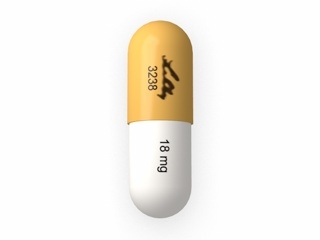
- Common strengths (may vary by product availability): Often available in multiple capsule strengths
- Brand availability in the UK: Strattera is marketed for ADHD treatment
In the UK, ADHD medicines are regulated and supplied through established channels. Availability can vary by strength and pharmacy stock.
2) What is ADHD and what Strattera is for?
ADHD is a condition that can affect attention, impulse control, and activity levels. People with ADHD may find it difficult to focus, may act impulsively, and may feel restless.
Strattera is used to help manage ADHD symptoms, particularly to improve:
- Inattention (e.g., distractibility, difficulty sustaining attention)
- Hyperactivity (e.g., restlessness)
- Impulsivity (e.g., acting without thinking)
It may be considered when a non-stimulant option is preferred, or when stimulants are unsuitable or not tolerated.
3) How Strattera works (mechanism of action)
Atomoxetine is a selective norepinephrine reuptake inhibitor. In simple terms, it helps increase the activity of noradrenaline (norepinephrine) in the brain.
- Noradrenaline is involved in attention, alertness, and executive functions (planning, organising, self-control).
- By blocking norepinephrine reuptake, atomoxetine may support improved focus and reduced impulsive behaviour.
Unlike some stimulant medicines, Strattera is not primarily designed for rapid “instant” effects. Its benefits often build gradually.
4) Pharmacokinetics — how the body handles atomoxetine
“Pharmacokinetics” describes how a medicine is absorbed, distributed, metabolised, and eliminated.
| Aspect | What generally happens with atomoxetine |
|---|---|
| Absorption | Atomoxetine is absorbed after oral dosing. The medicine reaches peak levels in the bloodstream in the hours after taking it. |
| Distribution | It distributes through the body and can cross into the brain to affect neurotransmitter function. |
| Metabolism | Atomoxetine is mainly metabolised in the liver, largely by the enzyme CYP2D6. |
| Elimination | Metabolites are eliminated mostly via urine. Clearance can vary between individuals. |
| Half-life | The time it takes for drug levels to reduce varies among people, contributing to once- or twice-daily dosing strategies. |
Important UK practical point: CYP2D6 differences (genetic and medication-related) can influence atomoxetine levels and side-effect risk. Your prescriber may adjust dosing if there is concern about interactions or tolerability.
5) Typical use in the UK
Strattera is commonly used as a structured treatment plan for ADHD. It is typically used as part of a wider approach that may include:
- Education and behaviour support
- School or workplace strategies
- Psychological interventions (where appropriate)
- Lifestyle measures (sleep, routine, exercise)
When it may be chosen:
- Need for a non-stimulant option
- Concerns about stimulant side effects or misuse potential
- Comorbidities where a non-stimulant may be preferred (individual assessment is essential)
6) When to expect effects (timing)
Atomoxetine often takes time to show its full effect. Many people notice some improvement within the first few weeks, but the maximum benefit may take several weeks (sometimes up to 2–3 months) depending on the individual and dose.
Practical timing tips:
- Take it consistently at the same time(s) each day.
- Don’t assume it isn’t working if early effects are subtle.
- If symptoms are still problematic, clinicians may consider dose adjustment or review.
7) How to take Strattera — dosing and administration
Dosing depends on age, body weight (in children and adolescents), and response. Your healthcare professional will provide personalised instructions.
General dosing approach:
- Starting dose is usually low and increased gradually to improve tolerability.
- Maintenance dose is adjusted based on symptom improvement and side effects.
- Dosing may be once daily or divided into two daily doses, depending on the regimen and the product’s instructions.
Common administration habits:
- Swallow capsules whole with water.
- If your routine includes meals, take the capsule consistently in relation to food (see food interactions below).
- If a dose is missed, follow the advice provided by your healthcare team or the patient information leaflets for your specific product. Avoid double dosing unless told to do so.
Children and adolescents: Atomoxetine dosing is weight-adjusted and titrated carefully.
Adults: Dosing is individualised, often with a titration period.
8) Food interactions and what to do
Food can affect how quickly atomoxetine is absorbed, although it usually doesn’t completely prevent absorption.
- It is generally advised to take Strattera in a consistent way with respect to meals.
- If it causes stomach discomfort, taking it with food may help some people.
- Follow the instructions given by your prescriber or the leaflet supplied with your medicine.
Practical note: Avoid making multiple changes at once (e.g., switching between with-food and without-food daily) because it can complicate monitoring of side effects and benefit.
9) Alcohol and medicine interactions
Alcohol
Alcohol may worsen common side effects such as dizziness, tiredness, slowed reaction time, or mood changes. For safety, it’s generally recommended to limit alcohol and avoid binge drinking.
- If you feel drowsy or light-headed, avoid alcohol and be cautious with driving.
- If you have concerns about alcohol use or dependence, discuss this with a healthcare professional.
Medicine interactions
Atomoxetine is metabolised mainly by CYP2D6. Medicines that inhibit or induce this pathway can change atomoxetine levels, affecting both efficacy and safety.
Tell your healthcare team about all medicines you take**, including:
- Prescription medicines
- Over-the-counter products (including cough/cold remedies)
- Herbal preparations (e.g., St John’s wort)
- Supplements
Notable interaction considerations (examples):
- CYP2D6 inhibitors (some antidepressants and other drugs) may increase atomoxetine levels, potentially raising side-effect risk.
- Other medicines affecting heart rate or blood pressure may require monitoring.
- Medicines that raise sedation may increase drowsiness when combined.
Important: If you are starting or stopping any medicine, it’s best to ask a pharmacist or clinician whether a review is needed.
10) Indications — who Strattera may be suitable for
Strattera is indicated for the treatment of ADHD in:
- Children (as appropriate for age group and local prescribing practice)
- Adolescents
- Adults
Individual suitability depends on medical history, physical examination, and risk assessment (including mental health history and cardiovascular considerations). Your healthcare team may consider comorbidities and medication interactions before starting.
11) Safety profile — key risks and when to seek help
Like all medicines, Strattera can cause side effects. Many are mild and improve with dose adjustments, but some effects require prompt medical attention.
Common side effects
- Stomach or appetite changes (nausea, reduced appetite, abdominal discomfort)
- Dizziness
- Dry mouth
- Sleep changes (sleepiness or insomnia)
- Headache
- Mood changes (irritability in some people)
Heart and circulation considerations
Atomoxetine can affect heart rate and blood pressure in some individuals. Before starting and during treatment, clinicians may check:
- Blood pressure
- Heart rate
- Symptoms such as palpitations or fainting
Serious but uncommon risks — seek urgent medical advice
Get urgent help if you experience:
- Signs of allergic reaction (swelling of the face/lips, breathing difficulty, severe rash)
- Chest pain, fainting, severe palpitations
- Severe agitation, rapidly worsening mood, or signs of self-harm
- Signs of liver problems (yellowing of skin/eyes, dark urine, persistent upper abdominal pain, unusual fatigue)
If you or someone else notices dramatic behavioural changes, unusual aggression, or worsening mood, contact your healthcare professional promptly.
Suicidal thoughts in young people
As with some ADHD medicines, there is a known need for careful monitoring of mood and behaviour changes in children, adolescents, and young adults. Families and carers should watch for new or worsening:
- Depressed mood
- Agitation
- Suicidal thinking or self-harm behaviours
Early reporting to a clinician is important if any concerns arise.
12) Practical use tips (how to improve outcomes)
Build consistency
- Take Strattera at the same time each day.
- Keep a simple routine (e.g., after breakfast or in the morning as advised).
Track symptoms and side effects
- Use a notes app or paper diary to record attention, impulsivity, sleep, appetite, and any side effects.
- Bring this information to follow-up appointments to support dosing decisions.
Manage appetite and nausea
- If appetite is reduced, smaller frequent meals may help.
- Staying hydrated can reduce nausea and headaches in some people.
- If vomiting or significant weight loss occurs, seek medical advice.
Sleep hygiene
- If insomnia occurs, discuss timing adjustments with your prescriber.
- Maintain a steady bedtime routine and limit late caffeine.
School/work planning
Non-stimulant ADHD medicines often need time to reach full benefit. Consider:
- Short-term strategies while waiting for effect (breaks, organised tasks, reminders)
- Communicating with teachers/managers about a “trial period” and monitoring
13) Alternative options to Strattera
ADHD treatments may include stimulants and other non-stimulant medicines, depending on the individual’s needs and medical history.
Stimulant medicines
- Examples include methylphenidate-based treatments or other stimulant options (availability and suitability vary).
Other non-stimulant options
- Some people may be considered for other non-stimulant medicines depending on national guidance and clinical suitability.
Behavioural and supportive approaches
- Parent training for children
- CBT-style strategies for older children/adolescents and adults
- School accommodations and structured routines
Your clinician can explain the pros and cons of different options, including time to onset, side-effect profiles, and interaction risks.
14) UK market and legal context
In the UK, ADHD assessment and treatment pathways typically involve specialist services or primary care working with local ADHD services, depending on age and circumstance.
Important UK notes:
- Medicines for ADHD are regulated and supplied via appropriate healthcare channels.
- Non-stimulant treatments like atomoxetine still require careful monitoring of side effects, growth (in children), mood, and cardiovascular parameters where relevant.
- Patients are encouraged to follow follow-up schedules so dosing can be reviewed as needed.
15) Recent guidance and monitoring (UK context)
Clinical practice can evolve as new evidence and safety updates are published. In recent years, key themes across ADHD care in the UK have included:
- Careful assessment before starting medicine
- Monitoring of symptom response and side effects
- Attention to mental health and behavioural changes, particularly in younger people
- Ongoing review of dose, tolerability, and the wider treatment plan
Follow local service protocols and the advice provided by your clinician. If you have specific concerns (such as mood changes, sleep disturbance, or appetite changes), raise them promptly.
16) Delivery and availability in the UK
Availability of Strattera can vary by:
- Capsule strength
- Supplier stock levels
- Pharmacy dispensing systems and local ordering schedules
When ordering from an online pharmacy, delivery options and dispatch times depend on the service and local regulations. Ensure:
- You select the correct product strength and pack size as advised.
- Delivery address details are accurate.
- You check that the expected delivery time fits your medication schedule to avoid missed doses.
Tip: If you’re nearing the end of a supply, try to order in advance to prevent treatment gaps while you transition between prescriptions/dispensing cycles.
17) Strattera FAQ
How long does Strattera take to work?
Some people notice improvement in the first few weeks, but full benefit can take several weeks (sometimes up to 2–3 months). Consistent daily use and follow-up reviews are important.
Can Strattera be taken once daily?
It depends on the individual regimen and product instructions. Some people take it once daily, while others may be prescribed divided dosing. Follow your clinician’s directions.
What should I do if I miss a dose?
Advice can vary depending on your dosing schedule. Check the leaflet supplied with your medicine or ask your pharmacist for guidance. Avoid doubling up unless told to do so.
Will Strattera make me feel tired?
Some people experience sleepiness or fatigue, while others may feel more alert or have insomnia. If sleepiness affects daily activities, discuss timing and dose review with your clinician.
Does Strattera interact with antidepressants or other mental health medicines?
Potential interactions exist, particularly those affecting liver enzymes (such as CYP2D6). Always tell your healthcare team about all medicines you take, including mental health medications, so they can check for interactions.
Can I drink alcohol while taking Strattera?
Small amounts may be tolerated by some people, but alcohol can worsen side effects like dizziness, sleep disturbance, and mood changes. It’s generally safest to limit alcohol and avoid binge drinking.
Are there any dietary restrictions?
There are no strict dietary restrictions for most people, but food can influence absorption. Take Strattera consistently with regard to meals and follow the advice on your leaflet.
How will my progress be monitored?
Monitoring often includes symptom reviews, side-effect checks, and physical measures as needed (such as blood pressure and heart rate). In children and adolescents, clinicians may also monitor growth and weight.
What if Strattera causes loss of appetite or weight loss?
Loss of appetite is a known side effect. If weight loss is significant, persistent, or worrying—especially in children—contact your clinician promptly. Dose adjustment or supportive strategies may be considered.
Is Strattera addictive?
Atomoxetine is a non-stimulant medicine and is not typically associated with the same misuse potential as stimulant ADHD medicines. However, it is still important to use only as directed and to attend reviews.
Can I drive or operate machinery?
If Strattera causes dizziness or sleepiness, avoid driving or hazardous activities. If you feel alert and symptom-free, normal caution still applies. Your clinician can advise based on your individual experience.
Summary
Strattera (atomoxetine) is a non-stimulant medicine used for ADHD in the UK. It works by increasing norepinephrine activity in the brain. Effects often build gradually, so patience and regular monitoring matter. Common side effects include appetite changes, nausea, dry mouth, and sleep disturbances, while more serious risks—such as allergic reactions, significant mood changes, or liver-related symptoms—require urgent medical attention.
If you’re considering Strattera, speak with your healthcare professional about suitability, interactions (including with alcohol and other medicines), and a plan for monitoring your response and side effects.