
Atomoxetine
Atomoxetine is a prescription medicine used to help manage symptoms of Attention-Deficit/Hyperactivity Disorder (ADHD) in children, adolescents and adults. It works differently from many older ADHD treatments and is not a stimulant. This guide explains what Atomoxetine is, how it works, how it is taken, what to expect, and key safety and interaction information relevant to people in the United Kingdom.
Important: Always follow the advice of a healthcare professional. Individual dosing and monitoring vary depending on age, weight, other medicines, and medical history.
Basic product information
- Generic name: Atomoxetine
- Common use: ADHD symptom management
- Drug type: Selective norepinephrine reuptake inhibitor (SNRI-like in its mechanism)
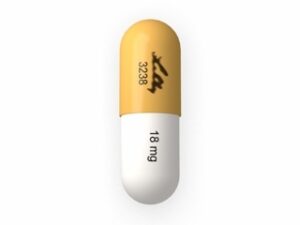
- Form: Capsules (strengths vary by product)
- UK availability: Widely available through UK supply chains; availability may vary by strength and manufacturer
- Onset: Some benefits may be noticed in the first weeks; full effect can take longer
How Atomoxetine works (mechanism of action)
Atomoxetine increases levels of norepinephrine in the brain by blocking its reuptake. Norepinephrine is involved in attention, impulse control and executive function. By selectively inhibiting norepinephrine transporters, Atomoxetine helps improve key ADHD symptoms such as:
- Inattention
- Impulsivity
- Hyperactivity (in some people)
- Functioning in school/work and daily routines
Unlike stimulant medicines for ADHD, Atomoxetine does not typically produce a rapid “boost”. Instead, it builds effect over time as steady dosing is maintained.
Pharmacokinetics: how the body handles Atomoxetine
Pharmacokinetics describe what happens to a medicine in the body—how it is absorbed, distributed, metabolised and eliminated.
- Absorption: Atomoxetine is absorbed after oral dosing. Food does not usually stop absorption but can affect timing and rate (see “Food interactions” below).
- Peak levels: Levels in the blood rise after dosing; peak concentration typically occurs a few hours after taking a dose.
- Metabolism: Atomoxetine is mainly metabolised in the liver by the enzyme CYP2D6. People vary genetically in CYP2D6 activity, which can influence drug levels.
- Half-life: Half-life varies by CYP2D6 metabolism:
- In extensive metabolisers, elimination is generally faster.
- In poor metabolisers, elimination is slower, and exposure may be higher.
- Excretion: Metabolites are excreted primarily through urine.
Because metabolism differs between individuals, healthcare professionals may adjust dose and monitor response and tolerability.
Typical uses and indications in the UK
Atomoxetine is used for the treatment of ADHD. It is often considered when:
- There is a need for non-stimulant options
- Stimulants are not suitable or have caused unacceptable side effects
- Symptoms persist across the day and consistent symptom control is desired
- There are concerns about misuse potential
Atomoxetine may be used in children, adolescents and adults with ADHD, depending on clinical assessment and guidelines.
When to take Atomoxetine: timing and routine
Atomoxetine dosing schedules vary by age and the prescribed plan. Some people take Atomoxetine , while others take it .
Common timing approaches
- Once daily dosing: Often taken in the morning or evening depending on side effects and symptom coverage.
- Twice daily dosing: Typically morning and late afternoon/early evening to maintain coverage.
Choose a consistent time each day. If you miss a dose, do not double up—follow the instructions provided by your healthcare professional or pharmacy.
If you begin Atomoxetine, it may take several weeks to see the full benefit. Keeping a routine and allowing time for effect is important.
Dosing: what to expect
Dosing is individual. It is based on factors such as age, body weight, tolerability, and response. A gradual increase (“titration”) is common to help reduce side effects.
General principles
- Start low and increase gradually: Many regimens begin with a lower dose and increase after assessing tolerance.
- Adjustment for CYP2D6 status and interactions: Since metabolism depends heavily on CYP2D6, strong CYP2D6 inhibitors can increase Atomoxetine levels (see interaction section).
- Monitor regularly: Clinicians may check ADHD symptom control and monitor blood pressure, heart rate, growth (in children), and side effects.
Note: Specific mg amounts vary by formulation and local prescribing practices. Your pharmacist or healthcare team can confirm the intended dose schedule for you.
Food interactions: what to know
Atomoxetine can be taken with or without food, but food may influence how quickly it is absorbed.
- Practical tip: Take Atomoxetine the same way each day (either always with food or always without) to keep absorption patterns consistent.
- If it upsets your stomach: Taking with food may help some people.
- Avoid sudden changes: If you routinely take it with meals, sudden changes may affect tolerability.
There are no widely recognised “foods to avoid” as absolute rules, but the overall approach is consistency and attention to side effects.
Alcohol and medicine interactions
Alcohol
It is sensible to limit or avoid alcohol while taking Atomoxetine, especially early in treatment when side effects (such as dizziness, drowsiness or changes in mood) may occur. Alcohol can also worsen attention and concentration, which may counteract ADHD symptom benefits.
Medicines that may interact with Atomoxetine
Interactions are important because Atomoxetine levels can change, and side effects can become more likely. Tell your pharmacist or healthcare professional about all medicines and supplements you take.
Key interaction themes
- CYP2D6 inhibitors: Some medicines inhibit CYP2D6 and can raise Atomoxetine exposure. Examples may include certain antidepressants and other drugs. This can increase risk of side effects and may require dose adjustment or closer monitoring.
- Other antidepressants and medicines affecting norepinephrine: Combined effects may influence heart rate, blood pressure, sleep or mood.
- Medicines affecting heart rhythm or blood pressure: Atomoxetine may slightly affect heart rate and blood pressure. Combining with other cardiovascular medicines may require extra monitoring.
- Medicines metabolised by liver enzymes: While Atomoxetine’s main pathway is CYP2D6, liver metabolism is complex; clinicians will assess potential interactions.
If you are unsure whether a medicine is relevant, check with your pharmacist.
Safety profile: common and serious side effects
Like all medicines, Atomoxetine can cause side effects. Many are mild and improve with time, but some require urgent medical attention.
Common side effects
| Side effect | What it may feel like | What to do |
|---|---|---|
| Nausea / stomach upset | Queasiness, reduced appetite | Take consistently with food if tolerated; speak to your clinician if persistent |
| Dry mouth | Thirst, sticky feeling in mouth | Use sugar-free drinks/gum; contact your clinician if severe |
| Sleep changes | Insomnia or sleepiness | Review timing with your clinician; avoid late evening doses if insomnia occurs |
| Headache | New or worsening headaches | Monitor; seek advice if severe or persistent |
| Dizziness | Light-headed feeling | Be cautious when standing; seek advice if persistent |
| Reduced appetite | Less interest in food | Monitor weight and growth in children; discuss dietary strategies with a professional |
| Increased heart rate or blood pressure | Palpitations or feeling “wired” | Monitoring may be required; contact your clinician if symptoms are troublesome |
Serious side effects: get urgent help
Contact urgent medical services or seek urgent advice if you experience:
- Signs of severe allergic reaction: swelling of face/lips, difficulty breathing, severe rash
- Signs of liver problems: yellowing of skin/eyes, dark urine, severe fatigue, unexplained itching or upper abdominal pain
- Severe mental health changes: agitation, unusual behaviour, worsening depression, or thoughts of self-harm
- Chest pain, fainting, or severe palpitations
- Persistent or worsening side effects that worry you
If you are caring for a child on Atomoxetine, monitor behaviour, appetite and sleep closely and report concerns promptly.
Practical use tips for better results
- Start consistently: Take Atomoxetine at the same times each day to support steady effect.
- Track symptoms: Keep a simple note of attention, impulsivity, school/work functioning, sleep and appetite.
- Expect gradual improvement: Do not judge effectiveness after only a few days; clinical benefit often takes weeks.
- Monitor growth in children: Appetite changes may affect weight gain. Clinicians often track height/weight over time.
- Hydration and dry mouth: Drink water regularly and consider sugar-free options.
- Sleep hygiene: If insomnia occurs, discuss dose timing and bedtime routine with your clinician.
- Adherence matters: Missing doses can reduce symptom control.
If you plan to stop Atomoxetine, do so only with healthcare guidance. Stopping abruptly without advice may lead to symptom changes.
Alternative options for ADHD in the UK
ADHD treatment is individual. Alternatives may include medicines and non-medicine strategies. Options commonly discussed in UK care pathways include:
- Stimulant medicines (such as methylphenidate-based options and lisdexamfetamine in appropriate cases)
- Other non-stimulant medicines (depending on local prescribing and suitability)
- Behavioural and educational interventions (parent training, classroom strategies)
- Psychological support for coping skills, routines, and family dynamics
- School/work accommodations to reduce barriers and improve focus
If Atomoxetine isn’t giving the desired benefit or side effects are difficult to manage, your healthcare professional can review alternatives and adjust the treatment plan.
Market and legal context in the United Kingdom
In the UK, Atomoxetine is an established medicine used in the NHS and private healthcare settings. ADHD medicines and care pathways are governed by medicines regulations and clinical guidance.
- Medicines regulation: Atomoxetine products are supplied under UK medicines legislation and must be dispensed according to legal requirements.
- Clinical governance: ADHD treatment typically involves assessment, monitoring, and review of effectiveness and tolerability.
- Special controls: While Atomoxetine is not a controlled drug in the same way as many stimulants, medicines for ADHD are still subject to prescribing, dispensing, and safety rules.
UK clinicians follow evidence-based practice and patient-centred monitoring, particularly for blood pressure/heart rate and mental health wellbeing.
Recent guidance and monitoring themes (UK-focused)
ADHD guidance in the UK emphasises:
- Careful diagnosis and assessment of comorbidities (e.g., anxiety, learning difficulties, autism spectrum conditions)
- Individualised treatment with regular review
- Monitoring physical parameters such as height/weight in children and cardiovascular measures
- Monitoring mental health, including mood changes and sleep
- Ongoing benefit–risk evaluation at follow-up visits
If you are starting Atomoxetine, ask about what monitoring is planned and when follow-up reviews should happen.
Delivery and availability (online pharmacy)
Atomoxetine may be available in different capsule strengths and pack sizes depending on manufacturer. Availability can vary by:
- Strength and dosage form
- Supply schedules and warehouse stock
- Seasonal demand
When ordering online, ensure you select the correct strength and pack size matching your treatment plan. If stock is temporarily unavailable, reputable pharmacies may offer alternatives that meet the same prescribing requirements or provide estimated delivery timelines.
Delivery notes: Medicines are typically dispatched in secure packaging and delivered to the address you choose in line with UK regulations. Always check delivery times shown on the product page and track your order if tracking is offered.
FAQ
1) How long does Atomoxetine take to work?
Some people notice changes within the first few weeks, but the full benefit can take longer. If you have not seen an improvement after an adequate trial period, your clinician can review whether dose adjustments or a different strategy is needed.
2) Is Atomoxetine a stimulant?
No. Atomoxetine is a non-stimulant ADHD medicine with a different mechanism. It does not act like stimulant “fast relief” medicines for attention.
3) Can I take Atomoxetine with food?
Yes. It can generally be taken with or without food. If you experience nausea or stomach upset, taking it with food may help. Try to keep the routine consistent each day.
4) What should I do if I miss a dose?
Don’t take a double dose to make up for a missed dose. Follow the guidance provided by your pharmacy or the directions given for your specific regimen.
5) Does Atomoxetine affect heart rate or blood pressure?
It can. Clinicians may monitor blood pressure and pulse, particularly during dose changes or if you have existing cardiovascular conditions.
6) Are there any medicines I should definitely tell my pharmacist about?
Yes. Tell your pharmacist about all medicines and supplements, especially those that affect the liver enzyme CYP2D6 (some antidepressants and other drugs), as these may change Atomoxetine levels.
7) Can I drink alcohol while taking Atomoxetine?
It’s best to limit alcohol. Alcohol can worsen concentration and may increase side effects such as dizziness or drowsiness in some people.
8) Is it safe to drive or operate machinery?
Atomoxetine may cause dizziness or sleep changes in some people. If you feel unwell, drowsy, dizzy or your reaction time seems affected, avoid driving or operating machinery and seek advice.
9) What if side effects are too strong?
Contact your healthcare professional promptly. Do not stop abruptly without guidance. Dose adjustment and timing changes may help, and your clinician can reassess suitability.
10) Can Atomoxetine be used in children?
It is used in children and adolescents with ADHD when appropriate under clinical assessment. Monitoring is especially important for growth, appetite, sleep and emotional wellbeing.
Summary
Atomoxetine is a non-stimulant medicine used to treat ADHD. It works by increasing norepinephrine signalling in the brain. The effect is typically gradual, with steady daily dosing needed to achieve benefit. Because Atomoxetine is metabolised mainly through CYP2D6, medicine interactions and individual metabolism can influence tolerability and drug exposure. Regular monitoring, consistent daily timing, and attention to side effects—especially mood, appetite, sleep and cardiovascular symptoms—are key parts of safe and effective use in the UK.