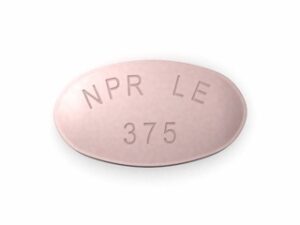



Sibelium (Flunarizine) – Patient Information for the UK
Sibelium is the brand name for flunarizine, a medicine used to help prevent certain types of headaches—most commonly migraine. This page explains how it works, how it is taken, key safety points, and what to expect from treatment.
Important: This information is designed to be patient-friendly and UK-focused. It does not replace advice from a healthcare professional.
1. Basic product information
- Medicinal product: Sibelium
- Active ingredient: Flunarizine
- Use: Prevention of migraine; prevention of certain vertigo syndromes (where appropriate)
- How it is taken: Usually by mouth (tablets/capsules depending on the presentation available)
- Medicinal category: Calcium channel blocker with antihistamine and anti-vestibular effects
- UK availability: Availability can vary by strength and formulation; your pharmacy will confirm current stock and ordering options
2. How flunarizine works (mechanism of action)
Flunarizine belongs to a group of medicines often described as calcium channel blockers. It helps influence the way nerve cells and blood vessels respond to signals involved in migraine and vertigo.
While the exact mechanism of migraine prevention is complex, flunarizine is thought to:
- Block calcium entry into cells (particularly smooth muscle and certain nerve cells), which can reduce abnormal signalling
- Modulate vascular and neuronal activity involved in migraine attacks
- Reduce abnormal activity in vestibular pathways (relevant for vertigo in some people)
For many patients, this means fewer migraine attacks over time rather than immediate relief during a headache.
3. Pharmacokinetics: what the body does to the medicine
Pharmacokinetics describes how the body absorbs, distributes, metabolises, and eliminates a medicine.
- Absorption: Flunarizine is absorbed after oral dosing. Absorption may vary between individuals.
- Distribution: It distributes into body tissues and can have a relatively long lasting effect in the body.
- Metabolism: The medicine is broken down mainly by the liver.
- Elimination: Flunarizine and/or its metabolites are eliminated largely via the bile and faeces, with some urinary excretion.
- Time to effect: Preventive benefits may take several weeks to become clear.
Clinical implication: Because it works as prevention, your healthcare professional will usually assess benefit over a period of time rather than expecting immediate results after one dose.
4. Typical uses in the UK
Flunarizine is used as a preventive medicine. It may be considered for:
- Prevention of migraine (especially in people with frequent attacks)
- Prevention of certain recurrent vertigo syndromes (for example, in selected patients where appropriate)
Whether flunarizine is suitable depends on your diagnosis, history of headaches/vertigo, other medical conditions, and other medicines you take.
5. Timing: when and how to take Sibelium
Many patients take flunarizine in the evening because it can cause sleepiness or drowsiness in some people.
- Take at the same time each day to maintain consistent levels.
- Swallow tablets/capsules whole with water (unless your pharmacist gives different instructions).
- Do not stop or change the dose suddenly without professional advice.
How quickly will it help? Preventive medicines generally require regular use to see results. Many people notice improvement after 4–8 weeks, though this varies.
6. Food interactions
For most people, food does not significantly affect flunarizine’s overall benefit. However, it is still a good idea to take it consistently.
- You can usually take it with or without food.
- If it upsets your stomach, try taking it after food.
- Maintain a consistent routine to help you remember doses and monitor benefits and side effects.
7. Alcohol and medicine interactions
Alcohol
Alcohol can increase the risk of drowsiness, slowed reaction time, and light-headedness when taking medicines that affect the brain. If you notice sedation, it’s best to avoid or limit alcohol.
- Use caution with alcohol, especially when starting treatment or after dose changes.
- If you feel drowsy, avoid driving and operating machinery.
Other medicines
Flunarizine may interact with other medicines that also affect the central nervous system or cause sedation. Interactions can also occur through liver metabolism.
Tell your pharmacist or healthcare professional if you take:
- Sedatives (e.g., sleeping tablets), antipsychotics, or anti-anxiety medicines
- Antidepressants and other mood medicines (depending on the specific drug)
- Medicines that cause drowsiness (including some antihistamines)
- Medicines that affect liver enzymes (the metabolism of flunarizine can be influenced by other drugs)
- Other medicines for migraine that you take regularly or “as needed”
Safety tip: Keep an up-to-date list of all medicines, supplements, and herbal products. Bring it to appointments or share it with your pharmacist when you start Sibelium.
8. Indications: when flunarizine may be considered
Flunarizine is mainly used to prevent certain conditions rather than to stop an attack once it begins. Common indications include:
| Indication | Goal of treatment | Expected pattern |
|---|---|---|
| Prevention of migraine | Reduce frequency, severity, and disability caused by attacks | Gradual improvement over weeks |
| Selected prevention of recurrent vertigo | Reduce frequency of vertigo episodes and related symptoms | Gradual benefit; monitor symptom changes |
If you are unsure why Sibelium has been recommended for you, ask your healthcare professional or pharmacist for clarification.
9. Dosing: general guidance
Always follow the dose recommended by your healthcare professional. Dosing can vary based on age, clinical response, and side effects.
Typical adult dosing (commonly used regimens):
- Starting dose: Often taken once daily, commonly in the evening.
- Adjustment: The dose may be adjusted depending on effectiveness and tolerability.
- Long-term plan: Prevention should be reviewed regularly; if the condition is well controlled, some clinicians may consider dose reduction or stopping after a suitable period.
Missed dose:
- If you miss a dose, take it when you remember unless it is close to your next dose.
- Do not take a double dose to make up for the missed one.
Overdose: Seek urgent medical help if too much is taken, especially if you feel unusually drowsy, faint, confused, or unwell.
10. Safety profile: who should be careful
Most medicines can cause side effects. Many people tolerate flunarizine well, but some require monitoring or dose changes.
Common side effects
- Drowsiness or fatigue
- Dizziness
- Weight gain or increased appetite
- Dry mouth or mild gastrointestinal upset
- Headache may persist temporarily or change in pattern
Less common but important effects
Some patients—particularly with longer-term use—may develop mood or movement-related adverse effects. Seek prompt advice if you notice:
- Unusual restlessness or feeling unable to sit still
- New tremor, stiffness, or abnormal movements
- Significant mood changes (e.g., depression, agitation)
Who may need extra caution
- Older adults may be more sensitive to side effects such as sedation and movement disorders.
- People with a history of depression or neurological conditions may need closer monitoring.
- Those with liver impairment may require dose adjustments or careful observation.
When to seek urgent help
Contact urgent medical services if you experience severe symptoms such as:
- Fainting or severe dizziness
- Severe drowsiness or confusion
- Signs of an allergic reaction (e.g., swelling of face/lips, breathing difficulty, widespread rash)
11. Practical use tips for everyday life
- Consider your evening routine: If you feel sleepy, taking Sibelium in the evening may help reduce daytime drowsiness.
- Track your symptoms: Keep a diary of headache/vertigo frequency, severity, and triggers. This helps you and your clinician judge effectiveness.
- Be cautious with driving: Avoid driving or operating machinery if you feel drowsy, especially during the first days of treatment.
- Look after weight and lifestyle factors: Some people gain weight on flunarizine. Balanced diet, regular activity, and monitoring can help.
- Plan regular reviews: Preventive medicines benefit from scheduled follow-ups to decide whether to continue, adjust, or stop.
12. Alternative options
If Sibelium is not suitable, poorly tolerated, or not effective, there are other options for migraine prevention and certain vertigo conditions. Alternatives may include:
- Other preventive migraine medicines, such as beta-blockers, certain antidepressants (e.g., tricyclics), and anti-epileptic preventives (choice depends on your medical history)
- Newer migraine preventive treatments (e.g., monoclonal antibody therapies and other targeted approaches) where appropriate
- Vestibular rehabilitation and lifestyle measures for some vertigo syndromes
- Non-drug strategies such as identifying triggers, sleep regularity, hydration, and stress management
Your clinician can help choose an alternative based on your specific migraine/vertigo pattern and risk profile.
13. UK market and legal context (patient-friendly)
In the UK, medicines are regulated by the Medicines and Healthcare products Regulatory Agency (MHRA). Products such as Sibelium may be available through prescription routes depending on current licensing and local practice.
Guidance and availability can change over time due to:
- Updates to national clinical recommendations
- Changes in medicine supply and formulation availability
- Review of benefit–risk profiles and prescribing preferences
Current practice note: Preventive migraine treatment pathways in the UK may emphasise newer options for some patients, but older medicines can still be used where appropriate and tolerated.
14. Recent guidance and clinical approach (UK-focused)
Migraine management in the UK commonly follows a staged approach:
- Assess frequency, disability, and triggers
- Use acute treatments appropriately for attacks
- Consider preventive therapy when migraines are frequent, disabling, or not controlled adequately
- Regular review of response and side effects
Recent emphasis in many clinical settings includes:
- Choosing prevention based on individual suitability (comorbidities, age, tolerance)
- Monitoring for side effects and reviewing ongoing need
- Considering newer preventive therapies in suitable patients
Flunarizine may be considered for some patients, particularly where it aligns with clinical judgement and tolerability.
15. Delivery and availability from a UK online pharmacy
Delivery options and timeframes depend on your address and current stock levels. When ordering Sibelium/flunarizine, your pharmacy typically:
- Confirms availability of the correct strength and presentation
- Picks and packs your order securely
- Ships using a tracked service where possible
What you can do: If you have previously used a particular strength or regimen, check the product strength on the label and confirm it matches what you expect.
Storage: Store medicines according to the packaging guidance, generally in a cool, dry place and out of sight of children.
16. Sibelium FAQ
How long does it take for Sibelium to work?
Because Sibelium is a preventive medicine, benefit may take several weeks. Many people notice improvement after 4–8 weeks. Track your symptoms so your healthcare professional can judge effectiveness.
Can I take Sibelium for migraine and vertigo?
It may be used for migraine prevention and, in selected cases, recurrent vertigo. Your suitability depends on your diagnosis and medical history.
Will Sibelium stop a migraine attack once it starts?
No. Sibelium is intended to help prevent attacks. It is not typically used as an immediate treatment for a migraine in progress.
What should I do if I feel very drowsy?
Take extra care with driving and machinery. Consider taking it in the evening if that fits your routine (unless your clinician has advised otherwise). Speak to your pharmacist or clinician for guidance—especially if drowsiness is severe or persistent.
Can I drink alcohol while taking flunarizine?
You should be cautious. Alcohol can increase drowsiness and dizziness. If you notice sedation, it’s best to avoid or significantly limit alcohol and avoid driving.
Is it safe to take with other medicines?
Many medicines can be taken with flunarizine, but some combinations may increase sedation or interact through liver metabolism. Always check with a pharmacist—particularly if you take sleeping tablets, sedatives, antidepressants, or other medicines that affect the brain.
Does food affect it?
Food usually does not cause major issues. You can typically take it with or without food, but if you experience stomach upset, taking it after food may help.
Will Sibelium cause weight gain?
Some people experience increased appetite or weight gain. Monitoring weight and adopting healthy lifestyle habits can reduce risk.
Can Sibelium cause movement or mood changes?
Uncommon but important side effects can include movement-related symptoms and mood changes, particularly with longer-term use. Contact your clinician promptly if you notice tremor, stiffness, unusual restlessness, or significant mood changes.
What if I miss a dose?
Take it when you remember unless it’s close to the next dose. Do not take a double dose.
How should I store Sibelium?
Store at room temperature as instructed on the packaging, keep it in the original container, and keep out of reach of children.
Need personalised advice? If you’re unsure about suitability, interactions, or how to start taking Sibelium safely, consult a healthcare professional or your pharmacist.