
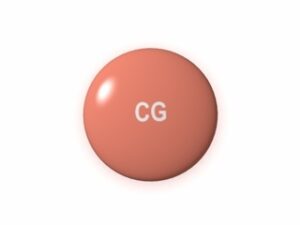
Toradol (Ketorolac) — Patient Guide
Toradol is a brand name for ketorolac, a medicine used to relieve moderate to severe pain for a short period of time. In the UK, ketorolac is typically supplied under strict safety controls because it can cause serious side effects, especially in the stomach, kidneys and with certain drug interactions.
This guide explains what Toradol is, how it works, how it’s used, what to expect, and how to minimise risks. It is written in patient-friendly language for readers in the United Kingdom.
Key product information
| Feature | What you should know |
|---|---|
| Active ingredient | Ketorolac (an NSAID: non-steroidal anti-inflammatory drug) |
| Common use | Short-term treatment of moderate to severe pain |
| Onset | Often starts working within about 1 hour (varies by form and person) |
| Duration | Typically limited to the shortest possible time |
| Main risks | Stomach bleeding/ulcers, kidney problems, fluid retention, increased cardiovascular risk with long use |
| Food | Food may reduce stomach upset for some people; avoid taking with other NSAIDs |
| Alcohol | Increases risk of stomach bleeding; best avoided |
What is Toradol?
Toradol (ketorolac) belongs to the NSAID family of painkillers. NSAIDs relieve pain and inflammation by blocking specific chemical signals (prostaglandins) in the body. Compared with some other NSAIDs, ketorolac is often used when stronger pain relief is needed for a short period.
Toradol may be available in different forms depending on local supply and product licensing (commonly tablets and/or injection for certain clinical settings). Your exact product and instructions may vary—follow the directions supplied with your medicine.
How Toradol works (mechanism of action)
Ketorolac works by inhibiting cyclo-oxygenase (COX) enzymes, especially:
- COX-1 (important for protecting the stomach lining and supporting normal kidney function)
- COX-2 (involved in producing inflammatory pain signals)
By reducing prostaglandin production, ketorolac can:
- Reduce pain
- Reduce inflammation and swelling
- Lower fever (less often the main aim)
Pharmacokinetics (how the body handles Toradol)
Pharmacokinetics describes what the body does with a medicine—absorption, distribution, metabolism and elimination. While individual responses vary, the general pattern for ketorolac is:
- Absorption: After oral dosing, ketorolac is absorbed from the gastrointestinal tract.
- Onset: Analgesic effect can begin within about an hour; some people notice benefit sooner, others later.
- Distribution: Ketorolac distributes throughout the body and can reach tissues involved in pain.
- Metabolism: The liver metabolises ketorolac.
- Elimination: The kidneys clear ketorolac and its metabolites.
Because ketorolac relies partly on the kidneys for clearance, people with kidney impairment may have higher levels of the medicine and a greater risk of side effects. Dose limits and short treatment duration are important safety measures.
What is Toradol used for?
Toradol is indicated for the short-term management of moderate to severe pain, typically when stronger pain relief is required and other options are not appropriate.
Common scenarios where clinicians may consider ketorolac include:
- Acute pain episodes where rapid relief is needed
- Pain following certain medical procedures (where appropriate)
- Severe musculoskeletal pain for a limited period (as advised)
Important: Ketorolac is not intended for long-term daily pain control. Long duration increases the risk of serious side effects, particularly gastrointestinal bleeding and kidney injury.
Timing and how to take Toradol
Your personal dosing schedule depends on the formulation and your clinical situation. Always follow the specific label or instructions provided with your medicine.
General guidance for timing:
- Take at regular intervals if you are instructed to take multiple doses per day.
- Use the shortest duration that achieves pain relief.
- If switching from one form to another, the total daily dose must be kept within safe limits (your healthcare team or product instructions will specify this).
If you miss a dose: Take it when you remember unless it’s close to the next dose. Do not take a double dose to make up for missed tablets.
Food interactions (including stomach protection)
Ketorolac can irritate the stomach lining in some people. Food may reduce nausea or stomach upset for certain individuals.
- Taking with food: If your medicine instructions allow, taking Toradol with food (or after food) may help comfort.
- Avoid taking with other stomach-irritating substances: Smoking and alcohol can further increase gastrointestinal risk.
- Do not rely on food to prevent serious harm: Even with meals, NSAIDs can still cause ulcers or bleeding.
If you have a history of stomach ulcer or GI bleeding, discuss options with a clinician before using ketorolac. Many people at higher risk are better suited to alternative painkillers.
Alcohol and medicine interactions
Alcohol
Avoid alcohol while using ketorolac, because alcohol can increase the risk of stomach bleeding and may worsen dizziness or stomach irritation.
Important medicine interactions
Ketorolac interacts with several medicine groups. Do not start or stop medicines without checking compatibility, especially if you take medicines regularly.
- Other NSAIDs (e.g., ibuprofen, naproxen, diclofenac, aspirin for pain): increases risk of ulcers and bleeding. Avoid combining unless specifically directed by a clinician.
- Aspirin: low-dose aspirin for heart protection may be necessary for some people, but combined use can still raise bleeding risk—seek medical advice.
- Anticoagulants (e.g., warfarin) and antiplatelets (e.g., clopidogrel): increases bleeding risk.
- SSRIs/SNRIs (e.g., sertraline, citalopram, venlafaxine): may raise the risk of GI bleeding when combined with NSAIDs.
- Oral corticosteroids (e.g., prednisolone): higher risk of stomach irritation and ulceration.
- Diuretics (e.g., furosemide, hydrochlorothiazide): NSAIDs can affect kidney function and reduce diuretic effect.
- ACE inhibitors/ARBs (e.g., lisinopril, ramipril, losartan, candesartan): combined use with NSAIDs can increase the risk of kidney injury.
- Lithium: ketorolac may increase lithium levels and toxicity risk.
- Methotrexate: ketorolac may increase methotrexate toxicity.
- Some diabetes medicines and phenytoin: interactions may require monitoring.
- Probenecid and some other medicines affecting renal clearance: may increase ketorolac levels.
Tip: If you’re unsure, keep a list of your medicines and show it to a pharmacist or clinician. This includes over-the-counter painkillers, herbal remedies and supplements.
Dosing (general information)
Ketorolac dosing depends on age, kidney function, and the clinical situation. It is essential to stay within the safe limits provided with your specific Toradol product.
Important safety principles:
- Use the lowest effective dose.
- Use for the shortest possible time.
- In certain populations (for example, older adults or those with kidney impairment), doses may be lower or ketorolac may be unsuitable.
- Do not combine with other NSAIDs.
How to find your correct dose: Check the label/leaflet for your formulation (tablet strength) and the dosing frequency. If the medicine instructions you receive differ, follow those instead—local prescribing guidance may vary.
If you have questions about dose frequency or suitability, a pharmacist can help interpret instructions and identify interaction risks.
Safety profile: who should be cautious?
Like all medicines, ketorolac can cause side effects. Many people tolerate NSAIDs, but some are at higher risk. The most concerning adverse effects relate to the stomach, bleeding risk and kidney function.
Serious side effects — seek urgent medical advice if these occur
- Signs of stomach bleeding: vomiting blood, black/tarry stools, or blood in stools
- Severe allergic reactions: swelling of the face/lips, wheezing, or difficulty breathing
- Severe skin reactions: blistering, peeling rash, or sores in the mouth
- Kidney problems: reduced urination, significant swelling in legs/feet, or unusual fatigue
- Chest pain, sudden breathlessness or weakness: possible cardiovascular event (call emergency services)
Common or less severe side effects
- Indigestion, stomach pain, nausea
- Headache or dizziness
- Heartburn
- Feeling unwell
Groups at higher risk
Ketorolac may be unsuitable, or require extra caution, in people with:
- A history of stomach ulcers or GI bleeding
- Known kidney disease or dehydration
- NSAID allergy or aspirin-sensitive asthma
- Heart failure or significant cardiovascular disease
- Bleeding disorders or concurrent medicines that affect clotting
- Older age (higher sensitivity to side effects)
Practical use tips to reduce risk
- Don’t stack NSAIDs: avoid ibuprofen, naproxen, diclofenac and similar products.
- Follow the timing on the label: taking extra doses to “catch up” increases harm risk.
- Stay hydrated: dehydration can increase kidney stress.
- Take with food if it suits your stomach (unless your instructions say otherwise).
- Use a pain plan: If pain persists beyond the expected short period, seek advice rather than extending ketorolac use.
- Monitor symptoms: stop and get help if you notice black stools, persistent stomach pain, rash, or reduced urine output.
- Check with a pharmacist if you’re also taking antidepressants, anticoagulants, steroids or medicines for blood pressure/diuresis.
Alternative options for pain relief
If Toradol/ketorolac isn’t suitable—or if you need longer-term pain control—there are other options. The best choice depends on the cause of pain, your medical history and what other medicines you take.
Common alternatives
- Paracetamol (acetaminophen): Often first-line for many pains and generally gentler on the stomach.
- Other NSAIDs: e.g., ibuprofen or naproxen may be considered for some people, but they can share similar stomach/kidney risks.
- Topical options: gels or creams (e.g., diclofenac gel) may help localised pain with less systemic exposure.
- Non-drug measures: rest, heat/cold, physiotherapy, stretching, and activity modification.
- For certain pain types: clinicians may consider different medicine classes (for example, neuropathic pain treatments), depending on the diagnosis.
Important: Do not combine multiple NSAIDs. If you’re using paracetamol alongside ketorolac, generally this is safer than adding another NSAID—but check your total daily paracetamol amount to avoid overdose.
Market and legal context in the United Kingdom
In the UK, ketorolac is regulated as a prescription-only medicine in many contexts, and availability may vary by formulation and local supply routes. Strict labelling and safety guidance exist because ketorolac carries a well-established risk of serious adverse effects, especially with prolonged use or in people with existing risk factors.
Regulatory systems in the UK include medicines information from agencies such as the Medicines and Healthcare products Regulatory Agency (MHRA) and national guidance on safe prescribing and patient safety. Pharmacies and clinicians are expected to apply risk assessment before use.
When offered for short-term pain, the goal is to balance effective pain relief with minimising harm. This includes screening for:
- History of stomach bleeding or ulcer disease
- Kidney function issues
- Concurrent medicines that increase bleeding or kidney risk
- Allergy history to NSAIDs
Recent guidance and safety updates (general themes)
While specific recommendations may change over time, recent UK-focused safety themes for NSAIDs and pain medicines include:
- Use the lowest effective dose for the shortest period to reduce GI and kidney risk.
- Avoid combining NSAIDs and use caution with medicines that increase bleeding risk.
- Increase attention to kidney safety, especially in older adults, those who are dehydrated, or those taking ACE inhibitors/ARBs and diuretics.
- Consider cardiovascular risk when NSAIDs are used, particularly beyond short-term use.
Always check the current patient information leaflet supplied with your Toradol product, and speak to a pharmacist if anything is unclear.
Delivery and availability (UK)
Availability of Toradol (ketorolac) may vary by formulation and supplier. When sold through an online pharmacy, delivery options depend on stock levels, packaging requirements and regulatory handling.
What to expect when ordering online:
- Stock checks: your order may be processed once the item is confirmed available.
- Packaging: medicines are typically supplied in secure packaging with patient-facing labelling.
- Delivery times: can vary by postcode and courier service. Some providers offer tracked delivery.
- Age/ID verification: may be required depending on the medicine’s regulations and the pharmacy’s procedures.
Always ensure the name and strength on the box match your product. If your order differs from what you expected, contact the pharmacy support team.
FAQ — Toradol (Ketorolac)
1) How quickly does Toradol work?
Many people begin to feel pain relief within about an hour after taking ketorolac tablets, though timing can vary depending on the cause of pain, the dose and how your body absorbs the medicine.
2) How long can I take Toradol?
Ketorolac is intended for short-term use. The safest approach is to take it only for the period recommended on your medicine instructions and to review with a pharmacist or clinician if pain continues.
3) Can I take Toradol with food?
Food may help reduce stomach upset for some people. If your product instructions allow, taking it with meals can be more comfortable. However, food does not fully remove the risk of stomach ulcers or bleeding.
4) Can I take ibuprofen or naproxen with Toradol?
In general, you should not combine NSAIDs. Taking Toradol with other NSAIDs increases the risk of stomach bleeding, ulcers and kidney problems.
5) Is it safe to drink alcohol while taking Toradol?
It’s best to avoid alcohol because alcohol increases the risk of stomach bleeding and can worsen side effects like dizziness and nausea.
6) What should I do if I notice black stools or stomach pain?
Stop the medicine and seek urgent medical advice immediately. Black or tarry stools can indicate gastrointestinal bleeding.
7) Who should be extra careful with ketorolac?
Take extra care (or avoid unless specifically advised) if you have a history of ulcers or bleeding, kidney disease, dehydration, NSAID allergy/asthma sensitivity, heart failure, or if you take medicines that affect blood clotting (such as anticoagulants) or increase stomach risk (such as corticosteroids or SSRIs/SNRIs).
8) Can I take Toradol if I’m on blood pressure tablets or water tablets?
Some blood pressure medicines and diuretics (water tablets) can interact with NSAIDs and affect kidney function. Check with a pharmacist before taking ketorolac if you take ACE inhibitors/ARBs or diuretics.
9) What can I use instead if Toradol doesn’t suit me?
Depending on your situation, paracetamol, topical treatments, or non-drug approaches may be safer alternatives. Your pharmacist can help you choose based on your medical history and other medicines.
10) Where can I find the exact dose for my tablets?
The precise dose schedule is printed on the packaging and in the patient information leaflet for your specific Toradol strength and form. If you’re unsure, contact your pharmacist for clarification.
When to seek help urgently
Contact emergency services or urgent medical care if you experience symptoms such as breathing difficulties, swelling of the face/lips, fainting, vomiting blood, black stools, severe rash, or sudden weakness/chest pain.
If you have ongoing or worsening pain, do not extend ketorolac use indefinitely—pain that persists may need reassessment and a different treatment plan.
Always read the patient information leaflet supplied with your Toradol product and follow the instructions provided. If you have any concerns about suitability, interactions or side effects, speak with a UK pharmacist for tailored advice based on your circumstances.