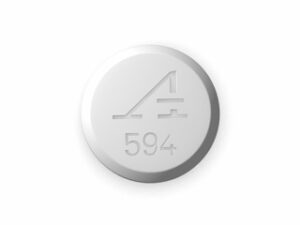

Celecoxib (Celecoxib Capsules/Tablets) — Patient Information (UK)
Celecoxib is a medicine from the NSAID (non-steroidal anti-inflammatory drug) family, used to reduce inflammation and pain. It is commonly prescribed and also appears in pharmacy supply in the UK for specific conditions. This page explains how celecoxib works, how it is taken, and what to consider for safe use.
Important: This information is for general guidance. Always follow the instructions provided with your medicine and ask a healthcare professional if you are unsure.
Basic product information
- Generic name: Celecoxib
- Medicine type: NSAID (COX-2 selective inhibitor)
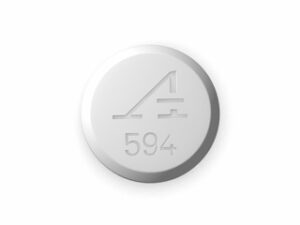
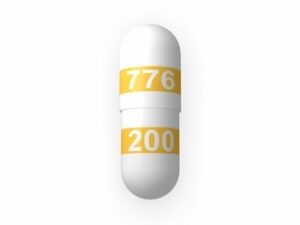
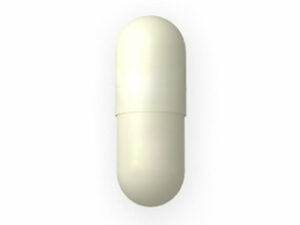
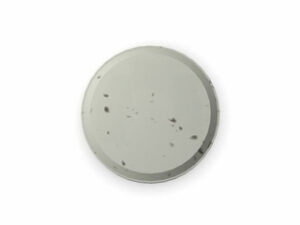
- Common formulations: Capsules or tablets (strengths vary by product)
- How it works: Reduces pain, inflammation, and stiffness by affecting prostaglandin production
- Therapeutic areas: Arthritis pain, acute inflammatory pain in selected situations
In the UK, medicines are supplied under established pharmaceutical regulations and are available through licensed supply channels.
How celecoxib works (mechanism of action)
Celecoxib works by selectively inhibiting an enzyme called COX-2 (cyclo-oxygenase-2). COX enzymes help produce prostaglandins, chemical messengers that contribute to:
- Pain signalling
- Inflammation and swelling
- Fever and inflammatory responses
By reducing COX-2 activity, celecoxib lowers prostaglandins involved in inflammation and pain. Compared with less selective NSAIDs, COX-2 selectivity may reduce some types of stomach side effects for some people, but it does not eliminate gastrointestinal risk.
Pharmacokinetics (how the body handles celecoxib)
Pharmacokinetics describes what happens after you take a dose—absorption, distribution, metabolism and elimination. The exact numbers can vary by product and individual factors, but the main features are:
- Absorption: Celecoxib is absorbed from the gut into the bloodstream. Peak levels typically occur within a few hours.
- Effect of food: Food can change the speed of absorption. Celecoxib is generally taken consistently with respect to meals to reduce day-to-day variation.
- Distribution: The medicine binds significantly to plasma proteins.
- Metabolism: Mostly metabolised in the liver (primarily via CYP enzymes).
- Elimination: Excreted largely as metabolites, with a portion removed through urine and faeces.
- Half-life: Celecoxib has a duration that supports once or twice daily dosing depending on the indication and formulation.
If you have liver impairment, kidney impairment, or take interacting medicines, your clinician may adjust dosing or monitoring.
Typical uses and indications in the UK
Celecoxib is used for conditions where inflammation and pain play a major role. Typical indications may include:
- Osteoarthritis (painful joint inflammation/stiffness, commonly in older adults)
- Rheumatoid arthritis (inflammatory joint disease)
- Ankylosing spondylitis (inflammatory back condition)
- Short-term pain and inflammation in selected cases (as advised by clinical guidance and product information)
Your appropriate use depends on your diagnosis, age, risk factors, and other medicines. Not everyone with arthritis pain is suitable for NSAIDs; a healthcare professional will consider the safest option for you.
How to take celecoxib: dosing and timing
Dosing varies by condition, strength available, age, and individual risk factors (especially cardiovascular and gastrointestinal risk). Always use the dosing schedule supplied with your medicine.
General dosing principles
- Use the lowest effective dose for the shortest possible time to control symptoms.
- Do not exceed the maximum daily dose stated for your specific product.
- Consistency matters: take doses at roughly the same times each day.
Common timing examples (illustrative)
Many celecoxib regimens are once or twice daily depending on the indication and prescriber instructions. For patient-friendly scheduling, consider:
- Once daily regimen: take at the same time each day (e.g., evening) to maintain steady symptom control.
- Twice daily regimen: take one dose in the morning and one in the evening, spaced about 12 hours apart.
If you miss a dose, take it when you remember unless it is close to the next dose. Avoid doubling doses.
Duration of use
Some people need long-term NSAID therapy for chronic inflammatory conditions. Others use celecoxib for shorter periods. If symptoms persist or worsen, seek medical advice rather than extending use on your own.
Food and drinks: interactions with meals
Food can influence how quickly celecoxib is absorbed. In many cases, celecoxib can be taken with or without food. However, the best approach for you may depend on tolerance and how your body responds.
- If stomach upset occurs: taking celecoxib with food or after a meal may improve comfort.
- Try to be consistent: take it the same way each day (with or without food) unless advised otherwise.
- Avoid heavy alcohol intake: alcohol can increase stomach and bleeding risks when combined with NSAIDs.
If your healthcare professional has given specific dietary instructions, follow those first.
Alcohol and medicine interactions
Alcohol
Combining alcohol with NSAIDs may increase the risk of stomach irritation, ulcers, and bleeding. For safer use, consider the following:
- Limit alcohol, especially if you have a history of stomach ulcers or reflux.
- Avoid binge drinking or heavy daily intake.
- Seek urgent help if you notice black stools, vomiting blood, or severe stomach pain.
Other medicines that commonly interact with celecoxib
Interactions can increase the risk of side effects or reduce effectiveness. Tell your healthcare professional about all medicines and supplements, including over-the-counter products.
- Other NSAIDs (e.g., ibuprofen, naproxen, diclofenac): increases gastrointestinal and kidney risks.
- Low-dose aspirin: may be used in specific cardiovascular conditions, but combined use needs careful risk assessment.
- Blood thinners (e.g., warfarin): risk of bleeding may increase.
- Antiplatelet agents (e.g., clopidogrel): may increase bleeding risk.
- SSRIs/SNRIs (e.g., sertraline, citalopram, venlafaxine, duloxetine): can increase gastrointestinal bleeding risk.
- Diuretics (e.g., furosemide): can affect kidney function when combined with NSAIDs.
- ACE inhibitors / ARBs (e.g., enalapril, lisinopril, losartan, candesartan): combined use can affect kidney function.
- Lithium: NSAIDs can raise lithium levels, increasing toxicity risk.
- Methotrexate: NSAIDs may increase methotrexate exposure (monitoring may be needed).
- Digoxin: may be affected by NSAID use.
- Cyclosporine / tacrolimus: increased kidney risk may occur.
- Strong CYP inhibitors/inducers: can alter celecoxib levels.
This is not exhaustive. Always check the information leaflet and consult a pharmacist for personalised interaction advice.
Safety profile: who should be cautious
Like all NSAIDs, celecoxib can cause side effects. Many people tolerate it well, but some risks are important—particularly cardiovascular, gastrointestinal, and kidney-related effects.
Potential risks and warning signs
- Cardiovascular risk: NSAIDs can increase risk of heart attack and stroke, especially at higher doses and with long-term use.
- Gastrointestinal risk: ulcers, bleeding, and perforation can occur. Risk is higher if you have a history of ulcers or take certain medicines.
- Kidney effects: NSAIDs can reduce blood flow to the kidneys and may worsen kidney function, particularly in dehydration or in older adults.
- Allergic reactions: symptoms may include rash, swelling of the face/lips, wheezing or breathing difficulties.
- Skin reactions: rare but serious skin reactions require urgent medical assessment.
- Fluid retention and blood pressure: some people experience swelling (oedema) or increased blood pressure.
Seek urgent medical help if you experience
- Chest pain, shortness of breath, or signs of stroke (e.g., sudden weakness, facial droop, speech difficulty)
- Black/tarry stools, vomiting blood, or severe persistent stomach pain
- Severe allergic symptoms (swelling, wheezing, severe rash)
- Very low urine output or sudden weight gain/swelling
Practical use tips for day-to-day success
- Start low and assess: if you’re newly using celecoxib, review symptom improvement and side effects after a short period.
- Keep hydrated: especially if you’re unwell, have diarrhoea/vomiting, or are dehydrated.
- Use non-drug pain support: gentle movement, heat/cold packs, physiotherapy exercises, and weight management can help.
- Avoid duplicate NSAIDs: do not take ibuprofen/naproxen/diclofenac at the same time unless a clinician instructs you.
- Check your other medicines: some cold/flu products contain NSAIDs or aspirin.
- Watch for stomach protection needs: if you’re at higher GI risk, ask a pharmacist or clinician whether additional protection is appropriate.
- Monitor blood pressure if advised: especially if you have hypertension or heart failure.
Alternative options for pain and inflammation (UK)
If celecoxib is unsuitable, alternatives may include other medications or non-medicinal approaches. Options depend on your condition and risk profile.
Medication alternatives
- Other NSAIDs: e.g., ibuprofen, naproxen, diclofenac—may be appropriate for some people but can carry similar risks.
- Paracetamol: may help pain (not inflammation), useful for some people with milder symptoms.
- Topical NSAIDs: e.g., gels for certain joint problems can reduce systemic exposure.
- Disease-modifying treatments for inflammatory arthritis: for conditions like rheumatoid arthritis, long-term control may require disease-specific therapies.
Non-medicine options
- Physiotherapy and strengthening programmes
- Heat/cold therapy
- Exercise and mobility support
- Weight management for weight-bearing joints
- Assistive devices and ergonomic adjustments
Discuss alternatives with a pharmacist or clinician, particularly if you have high cardiovascular or gastrointestinal risk.
Recent guidance and UK context (overview)
In the UK, NSAID use is guided by evolving safety evidence and professional recommendations. Key themes in recent years include:
- Risk assessment before starting NSAIDs, with attention to cardiovascular and gastrointestinal risk.
- Lowest effective dose and shortest duration to control symptoms.
- Avoiding combinations that increase bleeding risk (where possible) and careful monitoring when combinations are needed.
- Regular review for long-term users, checking kidney function, blood pressure, and tolerability.
Local NHS and professional guidance may differ by patient group and indication. Your pharmacist can help interpret general guidance in the context of your personal risk factors.
Market and legal / availability considerations in the United Kingdom
Celecoxib is a licensed medicine in the UK. Supply and information requirements are regulated to ensure medicines are used safely. Availability can depend on:
- Whether you require the product under the relevant UK supply arrangements
- Strength and formulation (capsules/tablets)
- Stock availability and delivery timelines
A reputable UK online pharmacy will display clear product details, strength, pack size, and safety information in line with UK requirements. If you are unsure about suitability, consult a healthcare professional.
Delivery and availability (what to expect)
Many UK online pharmacies provide home delivery. Delivery times may vary based on:
- Your postcode and local dispatch routes
- Whether the item is in-stock or requires sourcing
- Carrier schedules and weekends/bank holidays
When ordering, check:
- Pack size (e.g., 28, 30, 56 capsules/tablets)
- Strength (mg per capsule/tablet)
- Expiry date shown on the outer packaging
- Temperature and storage instructions (often “store below 25°C” or similar—follow your pack)
If you need the medicine urgently for symptom control, select the delivery option that best matches your timeframe (if offered), and allow extra time for processing.
Storage and disposal
- Storage: keep in the original packaging, protected from moisture and excessive heat. Store out of sight and reach of children.
- Disposal: do not flush medicines down the toilet. Follow local pharmacy take-back or household disposal guidance.
- Do not use beyond the expiry date.
Frequently asked questions (FAQ)
1) What is celecoxib used for?
Celecoxib is used to relieve pain and inflammation associated with conditions such as osteoarthritis, rheumatoid arthritis and ankylosing spondylitis. The exact suitability depends on your medical history and risk factors.
2) How quickly does celecoxib work?
Many people notice symptom improvement within days, though full benefit may take longer for chronic inflammatory conditions. If there is no improvement after the expected timeframe, speak to a pharmacist or clinician.
3) Can I take celecoxib with food?
Often, yes. Food may change how fast it absorbs, and taking it with meals can help reduce stomach discomfort. Try to take it consistently each day.
4) Can I take ibuprofen or other NSAIDs at the same time?
Usually, you should avoid combining NSAIDs unless specifically advised. Taking multiple NSAIDs increases the risk of gastrointestinal, kidney and cardiovascular side effects.
5) Is it safe to drink alcohol while taking celecoxib?
Alcohol can increase stomach irritation and bleeding risk when combined with NSAIDs. It’s best to limit alcohol and avoid heavy drinking. If you develop symptoms such as black stools or vomiting blood, seek urgent medical help.
6) What should I do if I miss a dose?
Take it as soon as you remember unless it is near the time of the next dose. Do not double doses. If you’re unsure, ask a pharmacist.
7) What are the most common side effects?
Side effects vary by person, but can include indigestion, stomach discomfort, headache, dizziness and fluid retention. If side effects are troublesome or persistent, seek advice.
8) Who should be extra careful using celecoxib?
Extra caution is needed if you have a history of stomach ulcers or bleeding, cardiovascular disease, high blood pressure, kidney problems, asthma triggered by NSAIDs, or if you take blood thinners or other interacting medicines. A healthcare professional can assess your risk.
9) Can celecoxib affect kidneys or blood pressure?
Yes. NSAIDs may reduce kidney function and can increase fluid retention, which may worsen blood pressure or swelling in some people. Monitoring may be recommended, especially for long-term users or those with existing kidney/heart issues.
10) Are there safer alternatives?
Depending on your condition, alternatives may include paracetamol, topical treatments, physiotherapy approaches, or other medicines. The best option depends on your overall health and the type of pain you have.
Summary
Celecoxib helps reduce pain and inflammation by targeting COX-2 to lower prostaglandins. It can be effective for several arthritis and inflammatory conditions in the UK. To use it safely, consider key risks—especially cardiovascular events, gastrointestinal bleeding, and kidney effects— and follow dosing instructions carefully. Maintain consistency with food habits, avoid combining with other NSAIDs, and seek urgent help for warning symptoms such as black stools, severe stomach pain, allergic reactions, chest pain or signs of stroke.
Note: Always consult the patient information leaflet included with your specific celecoxib product for the most accurate details on dosing, contraindications and side effects.