
Indocin (Indomethacin) — Patient-Friendly Guide (UK)
Indocin is the brand name for indomethacin, a medicine from the group known as non-steroidal anti-inflammatory drugs (NSAIDs). It is used to reduce pain, swelling (inflammation), and stiffness in a range of conditions. This guide explains how Indocin works, how it is typically taken, important safety information, and how to use it practically.
Note: Medicines and products may vary. Always follow the advice supplied with your specific product and consult a healthcare professional if you are unsure.
Basic product information
| Product name | Active ingredient | Drug class | Typical form (varies by product) |
|---|---|---|---|
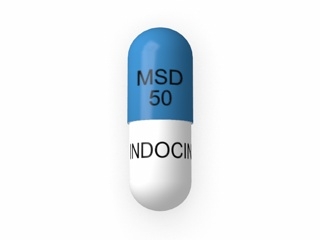
| Indocin | Indomethacin | NSAID | Capsules or other presentations (availability varies in the UK) |
What it’s for: Indocin is used for painful inflammatory conditions and certain specific medical indications, including crystal-related arthritis in some circumstances and other rheumatological conditions. It may also be used in specialised settings as determined by clinicians.
How Indocin works (mechanism of action)
Indomethacin helps relieve pain and inflammation mainly by blocking enzymes called cyclo-oxygenases (COX-1 and COX-2). These enzymes produce substances called prostaglandins, which contribute to:
- Inflammation (swelling and redness)
- Pain signalling
- Fever and other inflammatory responses
- Many normal functions, including protection of the stomach lining and support of kidney blood flow
Because indomethacin inhibits prostaglandins, it can be effective for inflammation and pain—but this same effect can also explain some of its potential side effects (such as stomach irritation or reduced kidney function in susceptible people).
Pharmacokinetics (how the body handles the medicine)
Pharmacokinetics describes what happens to a medicine after you take it—absorption, distribution, metabolism, and elimination.
- Absorption: Indomethacin is absorbed from the gut. Absorption may be influenced by food (see “Food interactions” below).
- Onset: Pain and inflammation relief may begin within a short time after dosing, though full effect depends on the condition and dosing schedule.
- Distribution: It distributes throughout the body and is highly protein-bound.
- Metabolism: Indomethacin is extensively metabolised in the liver.
- Elimination: Metabolites are cleared mainly by the kidneys and to some extent via bile/faeces. The exact time course varies between individuals.
Practical takeaway: Because indomethacin is metabolised and cleared through the body, dosing adjustments may be needed for people with liver or kidney problems, and monitoring may be recommended.
Typical uses in the UK
Indocin (indomethacin) is used for conditions where reducing inflammation and pain is beneficial. The most appropriate use depends on your diagnosis and medical history. Common areas include:
- Rheumatological and musculoskeletal inflammation (e.g., certain types of arthritis and pain with inflammation)
- Acute painful inflammatory attacks (including some crystal-related conditions, depending on clinical judgement)
- Other specific indications where an NSAID is chosen for its effect profile
Important: Indomethacin is not suitable for everyone. If you have a history of stomach ulcers, significant heart disease, kidney disease, or are pregnant, your clinician may choose an alternative NSAID or non-NSAID approach.
Indications — when clinicians may consider Indocin
In healthcare settings, indomethacin may be considered for conditions such as:
- Painful inflammatory disorders where an NSAID is indicated
- Crystal-induced arthritis (e.g., gout flares), depending on your overall situation and treatment plan
- Selected specialist uses where indomethacin is considered appropriate
Availability and exact indications can vary by product and patient factors. Your healthcare team will determine the most appropriate option.
How to take Indocin: timing and practical guidance
Always follow the dosing instructions provided with your medicine. If you are unsure, speak to a pharmacist or clinician.
General timing
- Indomethacin is often taken with food to reduce stomach irritation.
- For ongoing conditions, dosing schedules are designed to maintain symptom control.
- If you miss a dose, take it when you remember unless it is close to the next dose; do not double.
Practical use tips
- Use the lowest effective dose for the shortest possible time when possible.
- Take with a full glass of water.
- Avoid lying down immediately after taking (helps reduce reflux/heartburn for some people).
- If you are prescribed a stomach-protecting medicine (e.g., a proton pump inhibitor), take it as directed.
- Stay alert to warning signs (see “Safety profile”).
Dosing (general information)
Individual dosing varies depending on the condition being treated, your age, kidney/liver function, and other medicines you take. Your healthcare professional will set your dose and schedule.
As a general guide, indomethacin dosing regimens may involve:
- Starting at a suitable dose and adjusting if needed
- Divided doses across the day to maintain symptom relief
- Using the lowest effective dose to reduce side effects
Do not exceed the prescribed amount. If you think you have taken too much, seek urgent medical advice.
Food interactions: does food make a difference?
Food can affect how comfortable and well-tolerated indomethacin is.
- Taking Indocin with food can reduce stomach irritation and may help lower the risk of nausea or indigestion.
- Food may also slightly alter the speed of absorption, but the main benefit is usually gastrointestinal tolerability.
Tip: If you notice heartburn, stomach pain, or nausea, taking the medicine with meals (as advised) may help. However, persistent symptoms should be discussed with a clinician or pharmacist.
Alcohol interactions
Combining NSAIDs like indomethacin with alcohol can increase the risk of:
- Stomach irritation
- Gastric bleeding
- Less effective symptom control due to aggravated reflux or gastritis
Recommendation: Limit or avoid alcohol while taking Indocin, especially if you have a history of ulcers or bleeding, or if you experience stomach symptoms.
Medicine interactions (important)
Indomethacin can interact with other medicines. Always check with a pharmacist or healthcare professional if you are taking other drugs, including over-the-counter medicines and supplements.
Common interaction categories
- Other NSAIDs (e.g., ibuprofen, naproxen, aspirin in pain doses): increased risk of stomach bleeding and kidney problems.
- Anticoagulants (e.g., warfarin) and antiplatelet drugs (e.g., clopidogrel): higher risk of bleeding.
- SSRIs/SNRIs (antidepressants such as sertraline, citalopram, venlafaxine): may further increase bleeding risk when combined with NSAIDs.
- Diuretics (water tablets) and ACE inhibitors/ARBs (for blood pressure/heart conditions): NSAIDs can reduce kidney function and affect blood pressure control in some people.
- Lithium: NSAIDs may increase lithium levels, raising toxicity risk.
- Methotrexate: potential increase in methotrexate levels/toxicity, particularly at higher doses.
- Corticosteroids (e.g., prednisolone): increased gastrointestinal side effects and bleeding risk.
- Digoxin: some NSAIDs may increase digoxin levels.
- Some diabetes medicines and blood pressure medicines: effects may change; monitoring may be needed.
Over-the-counter “watch-outs”
- Be cautious with cold/flu products that may contain painkillers.
- Avoid taking additional NSAIDs unless specifically advised.
Action step: Keep a list of all medicines and show it to a pharmacist if you’re unsure about combinations.
Safety profile: who should be careful?
Like all NSAIDs, indomethacin can cause side effects. Some are more serious and require urgent attention.
Common side effects
- Stomach upset, indigestion, heartburn
- Nausea
- Abdominal pain
- Headache or dizziness
Serious risks (seek urgent medical help if these occur)
- Signs of stomach or bowel bleeding: vomiting blood, black/tarry stools, blood in stools, or severe persistent abdominal pain
- Allergic reaction: swelling of face/lips, wheezing, severe rash
- Severe skin reactions (rare): blistering or peeling skin
- Heart-related symptoms: chest pain, sudden breathlessness, or sudden weakness/numbness
- Kidney problems: reduced urination, unusual swelling (ankles/feet), or severe fatigue
- Liver problems: yellowing of skin/eyes, dark urine, or persistent nausea
Who may be at higher risk of side effects
- People with a history of stomach ulcers or gastrointestinal bleeding
- People with heart disease or a history of stroke
- People with kidney disease or reduced kidney function
- People taking medicines that increase bleeding risk (anticoagulants, antiplatelets, some antidepressants, corticosteroids)
- Older adults
- People with asthma that worsens with NSAIDs
- Pregnant individuals—especially later pregnancy (see below)
Pregnancy and breastfeeding (UK guidance overview)
NSAIDs are generally avoided in later pregnancy because they can affect the baby’s circulation and kidney function. If you are pregnant, planning pregnancy, or breastfeeding, discuss NSAID use with a healthcare professional before taking Indocin.
Practical use tips for safer treatment
- Minimise duration: Use the shortest time necessary for symptom control.
- Use the lowest effective dose: This helps reduce risk.
- Take with food if stomach side effects occur.
- Stay hydrated (unless your clinician has advised fluid restriction).
- Avoid doubling up with other NSAIDs.
- Monitor your body’s signals: watch for stomach pain, unusual bruising/bleeding, swelling, or reduced urine.
- Check blood pressure if relevant, particularly if you have hypertension.
If you need long-term NSAID therapy, your clinician may recommend regular check-ups and possible stomach or kidney protection.
Alternative options
Depending on the condition and your health profile, alternatives may include:
- Other NSAIDs (some may be better tolerated, though all carry NSAID risks)
- Paracetamol (acetaminophen) for pain relief (generally gentler on the stomach, but does not treat inflammation as strongly)
- Topical NSAIDs (e.g., gels/creams) for certain joint pains, which may reduce systemic side effects
- Non-pharmacological options such as physiotherapy, exercise/rehab, heat/cold therapy, and weight management for relevant conditions
- For specific diagnoses (e.g., gout), targeted therapies may be preferred
Your clinician can help choose the safest option based on your symptoms and medical history.
Market and legal context in the UK
In the UK, medicines are regulated by the Medicines and Healthcare products Regulatory Agency (MHRA). Medicines are also classified by how they can be supplied. NSAIDs can differ in legal classification depending on strength and formulation, and brand availability can change over time.
When purchasing medicines online in the UK, ensure the supplier is legitimate and compliant with UK regulations for safe supply and patient information.
Safety note: Indomethacin is a potent NSAID. UK guidance emphasises careful risk assessment, especially for cardiovascular, gastrointestinal, and kidney risks.
Recent guidance and safety trends (general overview)
UK healthcare advice for NSAIDs has increasingly focused on:
- Using NSAIDs only when needed and at the lowest effective dose
- Assessing bleeding risk (especially in people on anticoagulants/antiplatelets or with a history of ulcer)
- Considering stomach protection for higher-risk patients
- Monitoring kidney function in vulnerable groups
- Recognising cardiovascular risk and reviewing ongoing NSAID use
Local clinical guidance (including from professional bodies and NHS pathways) may influence which NSAID is preferred for specific conditions and patient groups.
Delivery, availability and how to order (UK)
Availability of Indocin/indomethacin may vary between pharmacies and suppliers due to stock levels, product presentations, and supply chain changes. Many online pharmacies show current availability before you place an order.
Delivery: Delivery options and timeframes depend on the supplier and location within the UK. Some orders may be dispatched the same day if placed before the daily cutoff time. Tracking information may be provided.
Packaging: Medicines are typically supplied in tamper-evident packaging with patient information leaflets and batch/expiry details.
Storage: Store as directed on the packaging (commonly at room temperature, away from heat and moisture). Keep out of the reach of children.
FAQ — Frequently asked questions
1) Is Indocin the same as indomethacin?
Yes. Indocin is a brand name that contains indomethacin as the active ingredient.
2) How quickly will it start to work?
Many people notice symptom improvement within a short time after taking an NSAID, but the exact timing varies by the condition, dose, and whether you take it with food.
3) Can I take Indocin on an empty stomach?
It’s generally better to take NSAIDs with food to reduce stomach irritation. If your clinician advises otherwise for your specific case, follow that advice.
4) Can I drink alcohol while taking Indocin?
Alcohol can increase the risk of stomach irritation and bleeding. It’s best to limit or avoid alcohol while taking indomethacin, particularly if you have stomach ulcer history or experience GI side effects.
5) What should I avoid using with Indocin?
Avoid other NSAIDs unless instructed (for example, ibuprofen or naproxen). Be cautious with blood thinners, antiplatelet medicines, corticosteroids, and some antidepressants due to bleeding risk.
6) What are the warning signs that need urgent help?
Seek urgent medical advice if you notice black/tarry stools, vomiting blood, severe abdominal pain, signs of an allergic reaction (swelling, wheezing), chest pain, sudden breathlessness, or signs of kidney problems (significant reduction in urination, marked swelling).
7) Can Indocin be used for long periods?
Long-term NSAID use should be carefully considered. Many patients use NSAIDs for symptom control over the short term. If longer use is needed, your clinician may recommend monitoring and risk-reduction strategies.
8) Are there safer alternatives?
Alternatives depend on your condition. Options may include other NSAIDs, topical NSAIDs, paracetamol, or non-drug measures. In some diseases, targeted treatments may be more appropriate.
9) What if I miss a dose?
If you miss a dose, take it when you remember unless it is near the time of your next dose. Do not take a double dose to make up for a missed one.
10) Who should not take indomethacin?
People with certain conditions or higher risk factors may need to avoid indomethacin (for example, some people with past NSAID allergy, active stomach ulcer/bleeding, significant kidney problems, or later pregnancy). A clinician or pharmacist can help determine suitability for your circumstances.
Summary
Indocin (indomethacin) is an NSAID used to relieve pain and inflammation in a variety of conditions. It works by reducing prostaglandins through COX inhibition. While effective, it can carry risks—especially affecting the stomach, kidneys, and in some people the cardiovascular system. Taking the medicine with food, avoiding alcohol where possible, and being careful with interacting medicines can help reduce harm.
If you have questions about whether Indocin is suitable for you, or how to take it alongside other medicines, speak to a qualified healthcare professional or pharmacist.