
Pepcid (Famotidine) – Patient-Friendly Guide (UK)
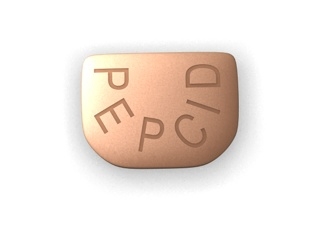
Pepcid contains famotidine, a medicine used to treat symptoms caused by excess stomach acid. It belongs to a group of medicines called H2-receptor antagonists (also known as “H2 blockers”). Pepcid can help relieve discomfort such as heartburn and indigestion, and it may be used to support healing of certain acid-related conditions.
This guide is designed to be clear and practical. It explains how Pepcid works, when to take it, what to expect, safety considerations, common interactions, and how it compares with other treatment options available in the United Kingdom.
1. Basic product information
| Information | Details |
|---|---|
| Medicine name | Pepcid (famotidine) |
| Medicine type | H2-receptor antagonist (acid-suppressing medicine) |
| Common uses | Heartburn/indigestion, reflux-related symptoms, and certain ulcers/acid-related conditions as advised |
| How it works | Reduces acid production in the stomach |
| Availability (UK) | May be supplied under different brandings/strengths depending on product format and local availability |
| Who should use it | Adults and, in some cases, older adolescents/children depending on local product guidance and clinician advice |
Note: Strengths, pack sizes, and exact product availability can vary. Always check the package and the product leaflet included with your medicine.
2. How Pepcid works (mechanism of action)
Stomach acid is released in response to signals from the body. Famotidine works by blocking histamine H2 receptors on acid-producing cells in the stomach.
- This reduces the amount of acid released into the stomach.
- With less acid, symptoms such as heartburn, acid indigestion, and reflux discomfort can improve.
- In conditions where the stomach or oesophagus has been irritated by acid, reducing acid levels can help the tissue recover.
3. Pharmacokinetics (how the body handles famotidine)
Pharmacokinetics describes what the body does to a medicine—how it is absorbed, distributed, broken down, and eliminated.
- Absorption: Famotidine is absorbed after oral dosing. Peak effects typically occur within a few hours, though individual timing can vary.
- Distribution: It works primarily in the gastrointestinal tract, with distribution through body fluids.
- Metabolism: Famotidine is not extensively metabolised in the liver compared with some other drug classes.
- Elimination: It is mainly eliminated by the kidneys. This is important for people with kidney impairment, who may need dose adjustments.
Why this matters: If you have reduced kidney function, your clinician or pharmacist may recommend a lower dose or a different schedule.
4. Typical uses of Pepcid in the UK
Pepcid is commonly used for symptoms and conditions linked to stomach acid. Typical indications may include:
- Heartburn (burning feeling behind the breastbone)
- Indigestion and sour or acidic taste from reflux
- Gastro-oesophageal reflux symptoms (reflux-related discomfort)
- Peptic ulcer disease (including prevention/support in certain circumstances, depending on the plan)
- Zollinger–Ellison syndrome (a rare condition involving high acid production, treated under specialist guidance)
Important: The exact suitability and dose depend on your diagnosis, symptom severity, and medical history.
5. When and how to take Pepcid (timing)
The timing can influence how well it fits your symptom pattern. In general, famotidine can be taken:
- For daytime symptoms: take when symptoms are likely (as directed).
- For night-time reflux: some people benefit from taking a dose in the evening, before bed, to help cover overnight symptoms.
General guidance:
- Follow the instructions on the pack or from your pharmacist.
- Try to take it at similar times each day if you’re using it regularly.
- If you are using more than one stomach medicine (for example, an antacid or alginate), it may be helpful to space them out (see “Food interactions” and “Practical use tips”).
How quickly does it work? Many people notice symptom relief within hours. For ongoing acid-related conditions, benefits may be clearer over several days as tissues heal and acid levels remain lower.
6. Food interactions
Famotidine is an acid-reducing medicine. Food can influence symptom triggers and sometimes the timing of symptom relief, but famotidine itself does not have a major “must take with food” requirement for most people.
- If food makes your reflux worse, consider taking Pepcid before the meal that typically triggers symptoms (if advised for your dosing schedule).
- For night-time symptoms, having a lighter evening meal and avoiding late heavy meals often improves outcomes.
Practical approach: Keep a simple symptom diary for a few days (meal times, foods, bedtime, symptom severity). This can help you and your pharmacist fine-tune timing.
7. Alcohol and medicine interactions
Alcohol
Alcohol can worsen reflux and heartburn for many people by relaxing the valve between the oesophagus and stomach and by irritating the oesophagus. While famotidine may reduce acid, alcohol can still trigger symptoms.
- Best approach: limit alcohol if you notice it aggravates your symptoms.
- If you drink alcohol, consider taking Pepcid at the recommended time, but do not rely on it to prevent alcohol-related reflux.
Medicine interactions
Famotidine interacts with the way the stomach’s acidity behaves. This can influence absorption of certain medicines.
Possible interaction examples include medicines that require stomach acidity for absorption (your pharmacist can check specific products). In general, always tell a pharmacist or clinician about:
- All other medicines you take (including “as needed” products)
- Herbal products and supplements
- Any known kidney problems
Spacing tips: If you take multiple medicines that may be affected by stomach pH, your pharmacist may recommend separating doses by a few hours.
Always check the leaflet supplied with your Pepcid pack for the complete list of interactions for that specific product strength and formulation.
8. Indications and symptom guidance
Pepcid is used for acid-related disorders. The most common reasons people seek treatment include:
- Heartburn that occurs after meals or when lying down
- Regurgitation or sour taste
- Indigestion that resembles burning, discomfort, or “full” feelings due to acid reflux
- Ulcer-related symptoms where acid reduction supports healing
When symptoms persist or worsen: If your symptoms continue despite correct use, you should seek further advice. Ongoing heartburn may require a different medicine or further assessment.
Seek urgent medical help if you experience red-flag symptoms such as:
- Unintentional weight loss
- Difficulty swallowing or painful swallowing
- Vomiting blood or passing black/tarry stools
- Persistent vomiting
- Severe chest pain that could be mistaken for heartburn
- New symptoms after age 55 (or a significant change in pattern)
9. Dosing (general information for UK patients)
Dosing depends on the indication, your age, kidney function, and the specific Pepcid presentation. The exact instructions for your product should be followed.
Typical adult dosing patterns may include:
- For reflux/heartburn symptoms: dosing schedules are commonly taken one or more times daily depending on symptom frequency and product strength.
- For ulcer/acid-related conditions: regimens may be taken for a defined period, sometimes as part of a broader treatment plan.
- For conditions with high acid output: specialist-directed dosing is required.
Key safety dosing points:
- Kidney impairment: because famotidine is largely eliminated by the kidneys, doses may need to be reduced. Ask your pharmacist if you have reduced kidney function.
- Older adults: dose selection may take kidney function into account.
- Children: only use if age-appropriate and consistent with product guidance and clinician/pharmacist advice.
If you miss a dose: take it when you remember unless it’s nearly time for the next dose. Do not take a double dose.
If you take too much: contact NHS 111 (or local urgent advice services) and follow their instructions. Take the medicine pack with you.
10. Safety profile and side effects
Most people can take famotidine safely when used correctly. Like all medicines, Pepcid may cause side effects in some individuals.
Common side effects
These are usually mild and short-lived:
- Headache
- Dizziness
- Constipation or diarrhoea
- Nausea or abdominal discomfort
Less common or serious side effects (seek advice)
Contact a pharmacist or clinician promptly if you develop:
- Signs of an allergy (rash, swelling of face/lips, breathing difficulty)
- Unexplained persistent changes in mood or confusion (more relevant with certain risk factors)
- Severe or persistent abdominal pain, or symptoms that don’t improve
Long-term safety
H2 blockers like famotidine may be used for ongoing management in some people. However, if symptoms are frequent (for example, most days), it’s worth discussing a longer-term plan with a healthcare professional. They can review whether an alternative treatment is needed and whether further investigation is appropriate.
11. Practical use tips
- Use alongside lifestyle changes: medicines often work best with reflux-friendly habits such as avoiding late meals, reducing greasy/spicy foods, and elevating the head of the bed if night symptoms occur.
- Don’t ignore red flags: if your symptoms change suddenly or become severe, seek medical advice urgently.
- Track your triggers: alcohol, large meals, and certain foods (such as tomato, citrus, chocolate, peppermint, and caffeine) commonly worsen reflux.
- Separate from other medicines if advised: if you take medicines with potential absorption interactions, ask your pharmacist about spacing.
- Use the correct dose for your symptoms: more is not always better. Stick to the pack instructions unless your healthcare professional has changed your dose.
12. Alternative options for acid-related symptoms
Depending on your diagnosis and symptom pattern, alternatives may include:
- Antacids (rapid, short-term relief): neutralise existing stomach acid. Useful for occasional symptoms.
- Alginate preparations (form a protective “raft”): can help prevent reflux from reaching the oesophagus after meals.
- Proton pump inhibitors (PPIs) (stronger acid suppression): e.g., omeprazole, lansoprazole. Often used when symptoms are frequent or when H2 blockers are insufficient.
- Other H2 blockers: other brands containing famotidine or other H2-receptor antagonists.
- Prescription combination strategies (if a clinician identifies ulcer causes such as H. pylori): treatment may include antibiotics and acid suppression together.
Choosing the right option: Occasional mild symptoms may respond to antacids or alginates, while persistent reflux often benefits from a more structured approach. A pharmacist can help you compare options.
13. UK market and legal context (patient overview)
In the United Kingdom, medicines for acid-related disorders are provided under regulatory frameworks administered by the Medicines and Healthcare products Regulatory Agency (MHRA). Availability in the UK can differ by formulation, strength, and whether a product is supplied for self-care or under healthcare supervision.
- Packaging and information: UK supplies include clear product information and leaflets explaining appropriate use, side effects, contraindications, and interactions.
- Advice and pharmacy support: Pharmacists can advise on suitability, dosing, and whether symptoms might indicate a more serious condition.
- Guideline approach: UK clinical guidance typically recommends lifestyle measures and stepwise therapy for reflux/heartburn, escalating if symptoms persist.
Recent guidance (general): Current UK approaches commonly emphasise that persistent symptoms should be reviewed. When symptoms are frequent or complicated, clinicians may consider investigations or stronger acid suppression (often a PPI). H2 blockers like famotidine can be helpful for some people, particularly for night-time symptoms or milder, intermittent patterns.
14. Delivery and availability in the UK
As an online pharmacy product, Pepcid availability may vary by strength and pack format. Typically, delivery is arranged to UK addresses in line with legal requirements and pharmacy policies.
- Availability: Dependent on stock levels and supplier deliveries.
- Delivery times: Estimated dispatch and delivery windows are usually shown at checkout.
- Packaging: Medicines are shipped securely with appropriate labelling and documentation.
If you need it urgently: check dispatch times at checkout. For severe symptoms or red-flag signs, do not wait for delivery—seek urgent advice.
15. FAQ – Frequently asked questions
Can I take Pepcid every day?
Some people use famotidine regularly for ongoing reflux symptoms. Whether daily use is appropriate for you depends on your diagnosis and kidney function. If you find you need it most days, discuss your plan with a pharmacist or clinician.
How long does it take to work?
Many people notice improvement within a few hours. If you’re treating a condition that needs healing, benefits may become clearer over several days. If there’s no improvement after using it correctly, seek advice.
Should I take Pepcid before or after food?
Follow your specific pack instructions. Many people take it in a way that matches their symptoms—for example, before a meal that triggers heartburn, or in the evening for night symptoms. Your pharmacist can help you match the timing to your routine.
Does Pepcid interact with antacids?
Antacids can be used for breakthrough relief, but because antacids work quickly and famotidine works over a longer period, some people prefer to space them. Ask your pharmacist if you’re using multiple products.
Can I drink alcohol while taking Pepcid?
Alcohol can worsen reflux symptoms for many people, even if acid is reduced. If you notice alcohol triggers symptoms, it’s best to limit it. If you do drink, pay attention to symptom changes.
Is Pepcid safe if I have kidney problems?
Famotidine is cleared mainly by the kidneys. If you have reduced kidney function, you may need a dose adjustment. Ask a pharmacist before using Pepcid if you have known kidney disease.
What if my symptoms keep coming back?
Recurring symptoms may indicate a pattern of reflux that needs a structured plan (sometimes including different medicines or further assessment). Seek advice if symptoms persist, become more frequent, or change.
What should I do if I get an allergic reaction?
Stop taking the medicine and seek urgent medical help if you develop signs of allergy such as swelling of the face/lips, hives, or breathing difficulty.
Can I take Pepcid with other medicines?
Many medicines can be taken with famotidine, but some may be affected by stomach acidity. Tell your pharmacist about all medicines and supplements you use, especially if you take treatments for conditions like infections, heart rhythm, or long-term disorders.
16. Key takeaways
- Pepcid (famotidine) reduces stomach acid by blocking H2 receptors.
- It can help relieve heartburn, indigestion, and reflux-related symptoms.
- Timing can matter—especially for night-time reflux.
- Be cautious with kidney impairment and discuss dosing needs with a pharmacist.
- If symptoms persist or you have red-flag symptoms, seek medical advice promptly.