Prilosec (Omeprazole) — Patient Guide (UK)
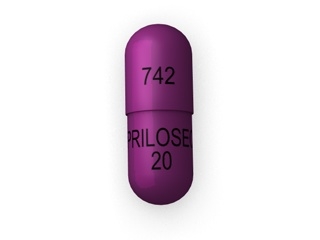
Prilosec is a brand of omeprazole, a medicine that reduces stomach acid. It is widely used in the UK for conditions such as heartburn (acid reflux) and other acid-related digestive problems. This guide explains how Prilosec works, when to take it, what to expect, and important safety information.
| Product name | Prilosec |
|---|---|
| Generic name | Omeprazole |
| Common strength(s) | Often 10 mg, 20 mg, or 40 mg (depending on the product) |
| Medicine type | Proton pump inhibitor (PPI) |
| Main use | Reduces stomach acid for reflux and other acid-related disorders |
| Typical time to take effect | Can start working within hours; best results often after several days |
What is Prilosec (Omeprazole)?
Prilosec contains omeprazole, a proton pump inhibitor (PPI). PPIs lower the amount of acid made by the stomach. They are used to treat a range of problems where acid plays a key role, including:
- Heartburn and acid reflux (GERD)
- Inflammation of the oesophagus (oesophagitis)
- Gastric and duodenal ulcers (including prevention in some cases)
- Conditions requiring long-term acid suppression under medical supervision
In the UK, omeprazole is available as both brand and generic versions. Some pack sizes and strengths may be supplied on different routes depending on your situation and local guidance.
How Prilosec works (Mechanism of action)
Omeprazole belongs to the group of medicines called PPIs. It works by:
- Inhibiting the proton pump in stomach cells (the final step of acid production)
- Reducing secretion of hydrochloric acid
- Allowing damaged tissue (such as an inflamed oesophagus) to heal and symptoms to improve
Unlike antacids, which neutralise existing acid, PPIs reduce acid production at its source. This usually provides better, longer-lasting relief for acid-related conditions—especially when taken correctly.
Pharmacokinetics (How the body handles it)
Understanding timing and absorption can help you get the best results:
- Absorption: Omeprazole is absorbed in the small intestine after it passes through the stomach. It is formulated to withstand stomach acid.
- Onset of action: You may notice symptom improvement within 1–4 hours, though complete benefit often takes several days because PPIs block acid pumps that are active.
- Peak effect: Blood levels typically peak within a few hours after a dose.
- Metabolism: The medicine is processed mainly by the liver (notably via cytochrome P450 enzymes such as CYP2C19).
- Elimination: Omeprazole metabolites are removed primarily through the kidneys.
- Half-life: The effect can outlast the measured drug levels because pumps are irreversibly inhibited.
Practical takeaway: Omeprazole works best when taken before meals, because it needs to be active when stomach acid pumps are about to work.
Typical use in the UK
Prilosec is used for conditions where reducing stomach acid is helpful. Common reasons include:
- Frequent heartburn and acid reflux symptoms (often alongside lifestyle measures)
- Oesophagitis (inflammation of the oesophagus) due to reflux
- Prevention or treatment of ulcers caused by acid, including in some patients taking certain painkillers
- Zollinger–Ellison syndrome and other rare acid overproduction conditions (specialist-led)
When it’s not the right tool: PPIs are not intended as a quick “instant” remedy for sudden heartburn. If you need immediate relief, a fast-acting antacid or alginate product may be used short-term, but omeprazole is for longer-term control.
When and how to take Prilosec (Timing)
Correct timing is crucial. For best results, take omeprazole:
- Before a meal (usually before breakfast)
- Typically 30–60 minutes before eating
If you are on a twice-daily regimen (dose frequency depends on the condition), a common approach is:
- Before breakfast and before the evening meal
Swallowing instructions: Swallow tablets/capsules whole with water. Do not crush or chew unless the specific product formulation indicates it’s safe.
How long it takes: Symptoms may improve within days, but a full course (if recommended) may be several weeks depending on the condition.
Food interactions and diet considerations
Food can affect how well omeprazole works if you take it at the wrong time. In general:
- Take it before meals to allow medicine to reach and act on acid pumps.
- Taking it with food may delay effectiveness.
Beyond timing, foods can trigger reflux symptoms. While omeprazole reduces acid, it does not stop reflux events. Consider:
- Reducing large meals
- Limiting very spicy, fatty, or acidic foods if they trigger you
- Avoiding meals close to bedtime (for example, stop eating 2–3 hours before sleep if possible)
Alcohol and medicine interactions
Alcohol may worsen reflux symptoms by relaxing the lower oesophageal sphincter and increasing irritation in the oesophagus. While omeprazole is not typically described as having a severe interaction with alcohol, drinking alcohol can reduce symptom control.
General guidance:
- Try to keep alcohol intake moderate, especially if you notice it triggers heartburn.
- If you develop worsening symptoms, consider reducing alcohol and reviewing timing and lifestyle measures.
Other medicine interactions (important): Omeprazole can affect stomach acidity and certain liver enzymes. Some medicines may need extra caution. Tell a pharmacist or healthcare professional if you take any of the following (not exhaustive):
- Clopidogrel (may be affected by acid-suppressing medicines in some patients)
- Warfarin (monitoring may be needed; effects can be influenced indirectly)
- Phenytoin or diazepam (metabolism may be affected)
- Medicines with pH-dependent absorption (some antifungals and other drugs)
- Some HIV medicines (dose adjustments or alternatives may be needed)
- St John’s wort (can reduce effectiveness by speeding metabolism)
- Iron supplements (acid reduction can lower absorption of some iron types)
- Magnesium-related medicines (long-term PPI use may lower magnesium in some people)
Always check: If you’re unsure whether a medicine might interact, ask your pharmacist. If you take multiple medicines, it’s especially important to get advice tailored to you.
Indications (What Prilosec is used for)
“Indication” means the medical reason a medicine is used. In the UK, omeprazole may be used for:
- Gastro-oesophageal reflux disease (GORD) including symptoms such as heartburn and regurgitation
- Reflux-related oesophagitis
- Peptic ulcers (including stomach and duodenal ulcers)
- Prevention of ulcer recurrence in selected people at risk
- Eradication of Helicobacter pylori as part of combination treatment (where prescribed)
- Rare hypersecretory conditions such as Zollinger–Ellison syndrome
Combination therapy note: For H. pylori eradication, omeprazole is typically used with antibiotics in a specific regimen.
Dosing information (general guidance)
Dosing depends on the condition, severity, and individual factors such as age and kidney/liver function. Always follow the instructions on your pack or from a healthcare professional.
Below is general information commonly seen with omeprazole regimens (this is not a personal prescription):
- Reflux/heartburn: often started at a lower dose and taken for a limited course, with dose adjustments if needed
- Oesophagitis: higher doses and longer treatment may be recommended
- Ulcers: dose and duration depend on ulcer type and whether H. pylori is involved
- Long-term prevention: the lowest effective dose is generally recommended, with periodic review
If you miss a dose:
- Take it when you remember if it’s close to the next scheduled time.
- If it’s nearly time for the next dose, skip the missed dose.
- Do not take a double dose to make up for a missed one.
Do not stop suddenly without guidance: Stomach acid production can rebound when PPIs are stopped. If you’re using Prilosec long-term, discuss tapering or step-down strategies with a pharmacist or clinician.
Safety profile and side effects
Most people tolerate omeprazole well. However, like all medicines, it can cause side effects. Many side effects are mild and transient.
Common or possible side effects
- Headache
- Diarrhoea or constipation
- Stomach pain, nausea, or bloating
- Flatulence
Less common but important side effects
- Allergic reactions (e.g., rash, swelling, breathing difficulties) — seek urgent medical help
- Serious skin reactions (rare)
- Low magnesium when used for prolonged periods (may cause muscle cramps, weakness, dizziness)
- Low vitamin B12 with long-term use
- Increased risk of certain infections (including stomach/intestinal infections) due to reduced stomach acid
- Potential changes in kidney function in some people (rare)
When to seek medical advice urgently
Contact a healthcare professional promptly (or seek urgent care) if you experience:
- Chest pain that could be heart-related
- Difficulty swallowing, painful swallowing
- Vomiting blood or passing black/tarry stools
- Unexplained weight loss
- Persistent vomiting
- Severe or worsening symptoms despite treatment
Practical use tips (to get the best results)
- Use the “before breakfast” rule: If once daily, take it before your first meal.
- Be consistent: Try to take it at the same time each day.
- Check your routine: If you forget mornings, choose a plan that still keeps it before eating.
- Combine with reflux-friendly habits (especially for heartburn):
- Maintain a healthy weight
- Stop smoking if you smoke
- Limit trigger foods
- Elevate the head of the bed slightly if night symptoms occur
- Review long-term need: If symptoms return when you stop, you may need review—especially if symptoms occur frequently.
Alternative options for acid-related symptoms
If Prilosec (omeprazole) is not suitable or you’re looking for alternatives, pharmacists can often suggest options such as:
1) Other PPIs
- Lansoprazole, pantoprazole, esomeprazole and others
2) H2-receptor antagonists
- Famotidine or ranitidine (availability may vary)
3) Antacids and alginates (for quicker relief)
- Antacids neutralise acid and may give faster, short-term symptom relief
- Alginate-based products form a “raft” to reduce reflux episodes
Which is best? For frequent symptoms or inflammation, PPIs are often more effective than antacids. For occasional symptoms, alginates or antacids may be sufficient. A pharmacist can advise based on frequency and severity.
UK market and legal context (availability and regulation)
In the United Kingdom, omeprazole is regulated by medicines legislation and is available through different routes depending on product type, strength, and pack size. Some omeprazole products are available for self-care (commonly for short-term relief of heartburn), while higher-strength or longer-course treatments may involve clinical assessment and supply via healthcare services.
Brand vs generic: Prilosec and other brands contain the same active ingredient (omeprazole) as generics, and many people choose generics for value. Your pharmacist can help confirm which product and strength is appropriate.
Recent guidance trend: Across the UK, clinical guidance generally supports:
- Use the lowest effective dose
- Review ongoing need for long-term acid suppression
- Confirm diagnosis if symptoms are persistent or atypical
- Consider lifestyle changes alongside medication
Recent guidance and stewardship considerations
In recent years, UK and international prescribing and self-care guidance has increasingly emphasised safe, appropriate use of PPIs, especially for long-term users. Key themes include:
- Avoid unnecessary prolonged use without regular review
- Assess red flag symptoms (such as weight loss or difficulty swallowing)
- Step down therapy when symptoms stabilise
- Check for medicine interactions in people on multiple treatments
- Monitor risk in long-term therapy where appropriate (e.g., magnesium or B12 status if clinically indicated)
If you’ve been taking a PPI for months or years, it’s reasonable to ask your pharmacist or clinician whether you still need the same dose.
Delivery and availability (online pharmacy)
Online pharmacies in the UK typically supply Prilosec (omeprazole) where available, with delivery options that vary by provider and location. Delivery times commonly depend on stock status and selected shipping method.
What to expect when ordering:
- Product strength and pack size may vary
- Some items may be subject to availability
- Orders are generally dispatched within a provider’s stated processing window
- Check whether the product is for self-care and whether age restrictions apply (if stated on the listing)
If you have questions about availability in your area or delivery schedules, contact customer support or check the delivery information on the order page.
FAQ — Prilosec (Omeprazole)
1) What is Prilosec used for?
Prilosec (omeprazole) reduces stomach acid and is used for conditions such as heartburn/acid reflux (GORD), oesophagitis, and ulcers related to excess acid. It may also be used as part of combination therapy for Helicobacter pylori eradication when indicated.
2) When should I take Prilosec?
For best results, take it before meals, usually 30–60 minutes before breakfast. If advised twice daily, take before both breakfast and your evening meal.
3) How long does it take to work?
Some people feel improvement within hours, but the full effect often takes several days. If your symptoms do not improve within the expected timeframe, speak to a pharmacist.
4) Can I take it with food?
It’s not ideal to take omeprazole with food because timing affects effectiveness. Take it before eating so it can act when the stomach acid pumps are most active.
5) Can I drink alcohol while taking Prilosec?
You may still be able to drink alcohol, but it can worsen reflux symptoms for some people. Keeping alcohol moderate and monitoring your symptoms is sensible.
6) What if I miss a dose?
If you remember soon after, take it. If it’s nearly time for the next dose, skip the missed one. Do not double the dose.
7) Are there any serious side effects?
Serious allergic reactions are rare but possible. Seek urgent help for swelling, breathing difficulties, or severe rash. Long-term use may rarely be associated with lower magnesium or vitamin B12. If you’re on long-term therapy, discuss review and monitoring with a healthcare professional.
8) Can I take Prilosec long-term?
Some people require longer-term acid suppression, but UK guidance generally encourages regular review and the lowest effective dose. Don’t continue indefinitely without periodic reassessment.
9) Do PPIs like omeprazole interact with other medicines?
They can. Interactions depend on your other medicines and your health. Examples include potential issues with certain drugs such as clopidogrel and some medicines where absorption depends on stomach acidity. Always check with a pharmacist if you take multiple medicines.
10) What are alternatives to Prilosec?
Alternatives include other PPIs, H2-receptor antagonists, and fast-acting antacids or alginate products. The best choice depends on how often you experience symptoms and whether there are complications.
Summary
Prilosec (omeprazole) is a proton pump inhibitor that reduces stomach acid and is commonly used in the UK for heartburn, reflux, oesophagitis, and ulcer-related conditions. For best results, take it before meals—typically 30–60 minutes before breakfast. While many people tolerate it well, it’s important to be aware of side effects, medicine interactions, and the need for regular review if used long-term.
Tip: If you have symptoms that are severe, persistent, or associated with red flags (such as difficulty swallowing, vomiting blood, black stools, or unexplained weight loss), seek medical advice promptly.