
Asacol (Mesalazine / Mesalamine) — Patient Information (UK)
Asacol contains mesalazine (also called mesalamine). It is a medicine used to treat inflammatory bowel diseases, particularly ulcerative colitis. Asacol is designed to deliver mesalazine to the bowel lining to help reduce inflammation and relieve symptoms.
This page explains how Asacol works, how it’s taken, important safety information, and practical tips to help you use it well. If you have questions or concerns, speak to your pharmacist or healthcare professional.
Key product information
| Topic | Details |
|---|---|
| Active ingredient | Mesalazine (mesalamine) |
| Brand | Asacol |
| Common condition treated | Ulcerative colitis (including relapse prevention in many patients) |
| How it works | Anti-inflammatory effect in the bowel |
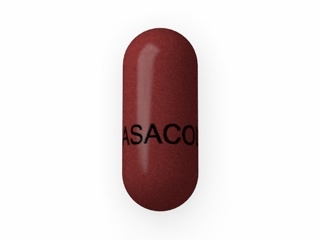
| Form | Modified-release tablets/capsules depending on product presentation |
| Typical use | Treatment of mild-to-moderate attacks and/or maintenance therapy |
| Availability in the UK | Prescription-only medicine (POM) in most circumstances; availability varies by strength and formulation |
What is ulcerative colitis?
Ulcerative colitis is a long-term condition where the lining of the large bowel (colon and rectum) becomes inflamed. This inflammation can cause symptoms such as diarrhoea, urgency (needing to go quickly), blood or mucus in the stool, abdominal pain, and fatigue. Inflammation may flare up (relapse) and then improve (remission).
How Asacol works (mechanism of action)
Mesalazine is a local anti-inflammatory medicine. Unlike some medicines that act mainly throughout the body, Asacol is designed to deliver mesalazine directly to the gut lining.
Mesalazine helps reduce inflammation by influencing natural inflammatory pathways within the bowel. While the exact mechanism varies between individuals, it generally aims to:
- Reduce production of inflammatory molecules in the intestinal lining
- Inhibit enzymes involved in inflammatory responses
- Lower immune-mediated irritation in the gut
The result is often a reduction in bowel inflammation, leading to symptom improvement and, for some patients, preventing relapses.
Pharmacokinetics (how your body handles it)
Pharmacokinetics describes how a medicine is absorbed, distributed, metabolised, and eliminated. With mesalazine, the goal is to act in the bowel while minimising unnecessary distribution elsewhere in the body.
Absorption and release
- Asacol uses a modified-release approach to deliver mesalazine to the colon/rectum rather than releasing it all in the stomach.
- Only a portion is absorbed into the bloodstream; much of the medication works locally in the gut.
Metabolism
Absorbed mesalazine is metabolised mainly in the gut wall and liver to an inactive metabolite (commonly acetylated derivatives). This is one reason why effects are largely local.
Elimination
- The medication and its metabolites are cleared from the body largely through the kidneys and gut.
- Kidney function can influence safe use, especially with long-term treatment.
Typical use in the UK
In the UK, mesalazine medicines like Asacol are widely used for ulcerative colitis. They may be used to:
- Treat mild-to-moderate ulcerative colitis flare-ups
- Maintain remission to help prevent relapses
- Provide longer-term anti-inflammatory control in people with ongoing disease activity
The exact plan depends on your symptoms, where in the bowel the disease is, and your previous response. Your clinician may combine oral mesalazine with other treatments such as rectal preparations (suppositories/enemas) or short courses of other medicines during flares.
When to take Asacol (timing and routine)
Because Asacol is modified-release, timing and how you swallow the medicine are important. Follow the instructions given with your product or by your healthcare professional.
General timing guidance
- Take at the same times each day to keep consistent levels.
- Swallow tablets/capsules whole—do not crush or chew unless your specific product instructs otherwise. This helps the medicine reach the right part of the bowel.
- Use a routine that fits your meals, as outlined below.
Missing a dose
If you miss a dose, take it as soon as you remember. If it is close to your next dose, skip the missed dose. Do not take a double dose to make up for the missed one. If you’re unsure, ask your pharmacist.
Food interactions and effect of meals
Many mesalazine products can be taken with or without food, but your specific Asacol formulation may have recommendations. In general:
- If the medicine is enteric- or modified-release, the coating is designed to protect the drug as it passes through the stomach and then release it later.
- Take with water and follow local product instructions to reduce the risk of incomplete release.
To ensure best results, follow the instructions on the packaging. If you frequently experience heartburn, stomach upset, or reflux, ask your pharmacist whether timing with meals would help.
Alcohol and medicine interactions
Alcohol
Moderate alcohol may not directly interact with mesalazine in a major way for everyone, but alcohol can worsen gastrointestinal symptoms in some people (such as diarrhoea, stomach irritation, or dehydration).
- If you drink alcohol, consider keeping it to low/moderate amounts.
- Avoid alcohol during active flare-ups unless your clinician says otherwise.
- Stay well hydrated, especially if you have diarrhoea.
Other medicine interactions
Mesalazine can interact with certain medicines, mostly through effects on the kidneys or changes in blood levels. Always tell your pharmacist about all medicines you take, including over-the-counter products and herbal remedies.
- Kidney-impacting medicines: caution with drugs that may also affect kidney function.
- Azathioprine / 6-mercaptopurine: some combinations may require extra monitoring. In many cases this can be used safely under supervision, but regular blood tests are common.
- Warfarin (and other anticoagulants): less common, but monitoring may be needed if combined.
- Non-steroidal anti-inflammatory drugs (NSAIDs) such as ibuprofen: may increase kidney risk for some people.
- Immunosuppressants and other anti-inflammatory medicines: may require closer monitoring depending on your regimen.
If you are unsure about a specific medication, ask your pharmacist.
Indications (what Asacol is used for)
Asacol is used in ulcerative colitis. Depending on the exact product and strength, it may be indicated for:
- Induction of remission in mild-to-moderate disease (helping symptoms settle)
- Maintenance therapy to help reduce the risk of relapse
- Long-term control of inflammation where mesalazine is appropriate
Your clinician will choose the most appropriate formulation based on your symptoms, disease extent, and how you respond.
Dosing (general information)
Dose regimens differ by formulation strength and by whether treatment is for an acute flare or maintenance. Always use your prescribed dose and do not change it without medical advice.
How dosing is usually approached
- Adults: often treated with multiple daily doses during the initial phase, then adjusted for maintenance.
- Children: dosing is weight- and age-dependent and must be guided by specialist advice.
- Your prescriber may increase or decrease dose depending on symptoms and response.
Swallowing technique tips
- Swallow with a full glass of water.
- Do not crush, chew, or open modified-release tablets/capsules.
- Take care when lying down soon after dosing (standing/sitting upright for a short time can help).
Monitoring during treatment
Long-term mesalazine treatment commonly includes periodic monitoring, which may involve:
- Kidney function tests (e.g., creatinine and urinalysis)
- Full blood count in some patients
- Assessment of symptoms and flare frequency
The schedule depends on your health profile and how long you’ve been taking the medicine.
How quickly will Asacol work?
Some people notice symptom improvement within days, while for others it may take a few weeks to see clear benefit. If you do not improve as expected, or symptoms worsen, contact your healthcare professional promptly.
- For flares: improvement may be gradual, not immediate.
- For maintenance: it aims to reduce the chance of relapse over time.
Safety profile (important risks and side effects)
Most people tolerate mesalazine well, but like all medicines it can cause side effects. The list below is not exhaustive. If you develop any concerning symptoms, seek medical advice.
Common or mild side effects
- Nausea, stomach discomfort
- Headache
- Diarrhoea or increased bowel movements (especially early on)
- Rash
Less common but important side effects
- Allergic reactions (e.g., swelling of the face/lips, breathing difficulty, widespread rash)
- Kidney inflammation or reduced kidney function (symptoms may include reduced urine output, unusual swelling, or abnormal tests)
- Liver problems (uncommon; may present with jaundice, dark urine, or unusual fatigue)
Rare but serious conditions
Mesalazine has been associated (rarely) with hypersensitivity reactions and inflammatory conditions affecting organs such as the kidneys. If you experience fever, rash, sore throat, severe weakness, or new or worsening kidney-related symptoms, seek urgent advice.
When to stop and seek help
Stop taking the medicine and get urgent medical help if you have signs of a serious allergic reaction (such as difficulty breathing, swelling of the face/throat, or severe rash). For other concerning symptoms, contact your healthcare professional as soon as possible.
Practical use tips for best results
These tips can help you get the most benefit and reduce preventable problems:
- Keep a routine: take it at the same times each day.
- Swallow whole: modified-release tablets/capsules should not be crushed or chewed.
- Use hydration: especially important if you have diarrhoea or frequent bowel motions.
- Watch for “flare” patterns: track symptoms (frequency, blood/mucus, urgency, pain) to discuss changes early.
- Attend monitoring: kidney and blood tests are often recommended during treatment.
- Don’t stop suddenly: if you miss doses occasionally it’s usually not dangerous, but stopping long-term therapy can increase relapse risk—discuss changes with a clinician.
- Inform other healthcare professionals: mention mesalazine when you see GP, emergency services, or dental services.
Special considerations (kidneys, pregnancy, and other groups)
Kidney problems
Because mesalazine is cleared via the kidneys and can rarely affect renal function, your clinician may recommend regular kidney monitoring. Tell your healthcare professional if you have existing kidney disease or a history of kidney problems.
Pregnancy and breastfeeding
Many patients with ulcerative colitis are advised that mesalazine may be used in pregnancy and breastfeeding, but the decision should be individual. Disease control is important for both mother and baby. Discuss your situation with your clinician before changing therapy.
Children and adolescents
Use in younger people depends on age, formulation, and disease severity. Dose should be determined by a specialist or paediatric clinician.
Alternative options to Asacol
If Asacol is not suitable or doesn’t control symptoms adequately, there are other treatment approaches for ulcerative colitis. Alternatives may include:
- Other mesalazine formulations (different modified-release tablets/capsules and granules)
- Rectal mesalazine (suppositories or enemas) for inflammation limited to the rectum or lower colon
- Other anti-inflammatory medicines used during flares (chosen based on severity)
- Immunomodulators or biologic therapies for more severe disease or when mesalazine is insufficient
- Supportive treatments for symptoms such as diarrhoea, pain, or nutritional needs (depending on your case)
The best choice depends on disease severity, location, previous response, and personal medical history.
Market and legal context in the UK
In the UK, medicines containing mesalazine are used widely for ulcerative colitis and are regulated under UK medicines law. Product availability, licensing details, and brand/formulation differences may vary.
Asacol is typically a prescription-only medicine in the UK in most cases. A UK healthcare professional will assess your needs and confirm the most appropriate dose and formulation.
Recent guidance and best-practice themes
UK inflammatory bowel disease care commonly emphasises:
- Using 5-ASA medicines (mesalazine) for appropriate mild-to-moderate disease and maintenance, when suitable
- Monitoring for effectiveness and side effects, particularly kidney function
- Adapting treatment promptly if symptoms do not improve or if disease worsens
- Individualised care plans based on symptoms, disease extent, and risk profile
Recommendations can evolve as new evidence becomes available. Your clinician or pharmacist can explain how current guidance applies to you.
Delivery and availability (UK online pharmacy)
Availability of Asacol can depend on the specific strength and formulation (for example, tablet vs capsule or modified-release profile). For the most accurate information, check the product listing.
- In-stock items may be dispatched quickly according to the pharmacy’s delivery schedule.
- Out-of-stock items may require ordering or switching to a suitable alternative formulation with the same active ingredient.
- Delivery times can vary by postcode and carrier. You may be provided with tracking details once your order is dispatched.
If you need Asacol urgently due to a flare, contact the pharmacy to discuss delivery options or whether an alternative mesalazine product can be supplied promptly.
Frequently asked questions (FAQ)
1) Is Asacol the same as mesalazine?
Yes. Asacol is a brand name containing mesalazine (also known as mesalamine in some countries).
2) How long can I take Asacol?
Many people take mesalazine long-term for maintenance in ulcerative colitis. The duration should be individualised. Do not stop without speaking to your healthcare professional, as relapse risk may increase.
3) What should I do if my symptoms get worse?
If you experience worsening diarrhoea, increased bleeding, fever, severe abdominal pain, or feel unwell, contact a healthcare professional urgently. These may be signs of a flare that needs additional or different treatment.
4) Can I take Asacol with other medicines?
Often yes, but interactions can occur—especially with medicines that affect the kidneys or immune system. Tell your pharmacist about all medicines you take, including over-the-counter products and herbal remedies.
5) Does Asacol work immediately?
It can start to help within days, but noticeable improvement may take several weeks. If there is no improvement or symptoms worsen, seek medical advice.
6) Will alcohol affect my ulcerative colitis or Asacol?
Alcohol may worsen gut symptoms and dehydration for some people, particularly during flares. Mesalazine does not usually have a direct major interaction with alcohol, but it’s best to limit alcohol and follow personalised medical advice.
7) What monitoring do I need?
Your clinician may recommend regular blood and kidney tests during mesalazine treatment. Attend these appointments so any rare side effects can be detected early.
8) Can I switch between different mesalazine brands or strengths?
Switching may be possible, but formulations can have different release characteristics. Always confirm with a pharmacist or clinician that the change is appropriate for your condition and dosing schedule.
9) What happens if I miss a dose?
Take it when you remember unless it’s near your next dose. Do not take a double dose. If you’re unsure, ask your pharmacist for advice.
10) Are there dietary restrictions?
There are usually no strict dietary restrictions, but eating habits can influence symptoms. If your stomach upset or diarrhoea changes, you may find it helpful to discuss triggers with a healthcare professional or dietitian.
Summary
Asacol (mesalazine) is a medicine used in ulcerative colitis to reduce bowel inflammation and help control flare-ups and/or maintain remission. It is designed for local action in the gut using modified-release technology. For many patients, consistent dosing and appropriate monitoring are key to safe, effective long-term treatment.
If you’d like, tell us your age, current ulcerative colitis symptoms, and which Asacol strength/formulation you have—then we can help you understand how to build a sensible daily routine (still following your clinician’s instructions).