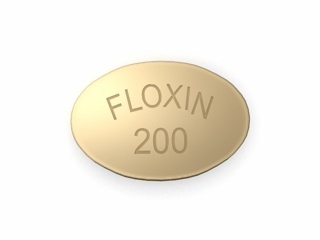

Floxin (Ofloxacin) – Patient Guide (UK)
Floxin contains ofloxacin, an antibiotic belonging to the fluoroquinolone family. It is used to treat certain bacterial infections when the bacteria are susceptible to ofloxacin. This guide explains how it works, how to take it, common side effects, important safety information, and practical tips to help you use your medicine safely.
If you have questions about whether Floxin is suitable for you, or if symptoms are not improving, consult a healthcare professional.
Quick facts
- Medicine name: Floxin (ofloxacin)
- Type: Antibiotic (fluoroquinolone)
- What it treats: Bacterial infections (specific types)
- How it works: Stops bacteria from repairing their DNA
- Important safety notes: Possible tendon, nerve, and heart rhythm effects in some people
- Typical course: Depends on infection type and severity
Basic product information
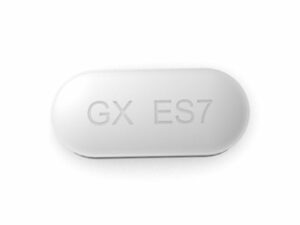
Floxin is available as oral tablets (the most common formulation). Strengths may vary by product. Your pack and label will show the exact strength and directions.
Active ingredient: Ofloxacin
Antibiotic class: Fluoroquinolone
In the UK, antibiotics are regulated medicines and are supplied according to national guidance and local clinical policies.
How Floxin (Ofloxacin) works (mechanism of action)
Ofloxacin works by interfering with bacterial enzymes that are essential for bacterial DNA replication and repair. In particular, it targets:
- DNA gyrase (topoisomerase II)
- Topoisomerase IV
By blocking these enzymes, ofloxacin prevents bacteria from multiplying effectively, allowing the body’s immune system to clear the infection.
Ofloxacin treats infections caused by susceptible bacteria. It does not work against viruses such as the common cold or influenza.
Pharmacokinetics: how your body handles ofloxacin
Pharmacokinetics describes what the body does to a medicine—absorption, distribution, metabolism, and elimination. Understanding this can help you take Floxin correctly.
Absorption
Ofloxacin is absorbed after oral dosing. Peak levels in the bloodstream typically occur within a few hours of taking a dose, though timing can vary between individuals.
Distribution
Ofloxacin distributes into various body tissues and fluids, helping it reach infection sites. Levels can be influenced by factors such as age, kidney function, and the presence of other medicines.
Metabolism
A smaller portion of ofloxacin is metabolised in the body. Most of the active drug remains pharmacologically active.
Elimination
Ofloxacin is primarily eliminated by the kidneys. If you have reduced kidney function, your clinician may adjust the dose or dosing interval to lower the risk of side effects.
Because kidney clearance is important, it’s especially important to tell your healthcare professional about any kidney problems.
Typical uses and indications (what it’s used for)
Floxin is used for specific bacterial infections where it is an appropriate choice. In practice, the decision depends on:
- the likely cause of the infection
- local antibiotic resistance patterns
- your medical history and risk factors
- any test results (such as culture or susceptibility testing)
Common clinical uses may include certain infections affecting:
- the urinary tract (for selected cases)
- the genital tract (where appropriate)
- the prostate (for selected bacterial causes)
- some respiratory infections (in certain situations)
- some skin and soft tissue infections (selected cases)
The exact indication and suitability depends on your diagnosis and the bacteria involved. If you’re unsure why Floxin was chosen for you, ask a healthcare professional or pharmacist.
Dosing: how to take Floxin safely
Dosing varies with the type of infection, severity, kidney function, and your age. Your medicine label will state the exact dose and schedule.
General principles:
- Take Floxin exactly as directed.
- Complete the full course unless advised otherwise.
- Do not stop early just because you feel better.
- If you miss a dose, follow the guidance provided with your medicine or ask a pharmacist for advice.
Important: Because of the safety profile of fluoroquinolones, appropriate selection and correct dosing are important. People at higher risk may need alternative treatment options.
Timing: when to take each dose
To keep antibiotic levels more consistent, it helps to take doses at evenly spaced times.
- If you take once daily, choose a regular time each day.
- If you take twice daily, try to keep roughly 12 hours between doses.
If you are taking other medicines at the same time, check interactions (see the sections below) because some foods and medicines can reduce absorption.
Food interactions: can you take Floxin with meals?
Ofloxacin can generally be taken with or without food. However, absorption can be reduced by certain substances, especially those containing multivalent cations (e.g., minerals that can “bind” the drug).
Be cautious with products containing:
- Antacids (especially those containing aluminium or magnesium)
- Iron supplements
- Zinc supplements
- Calcium supplements
- Multivitamins with these minerals
As a practical approach, separate ofloxacin from these mineral-containing products by several hours. Your pharmacist can advise an exact separation window based on your dosing schedule.
If you take supplements frequently, consider taking Floxin at a time of day away from these products.
Alcohol and medicine interactions
Alcohol
In many cases, moderate alcohol may not be strictly forbidden for Floxin, but it can increase the chance of side effects such as:
- dizziness or headache
- nausea or stomach upset
- sleep disturbance
If you choose to drink alcohol, do so cautiously and avoid heavy drinking. If you feel unwell, skip alcohol and seek advice.
Other medicines: key interactions
Some medicines can interact with ofloxacin by changing absorption, metabolism, or risk of side effects. Always tell your pharmacist or prescriber about all medicines you take, including over-the-counter products.
Common interaction concerns include:
- Antacids, iron, zinc, calcium: may reduce absorption of ofloxacin (see food section).
- Warfarin (and similar anticoagulants): antibiotics can affect blood clotting levels in some people, raising bleeding risk. Close monitoring may be needed.
- Diabetes medicines: fluoroquinolones can sometimes affect blood glucose, leading to low or high sugar readings.
- Theophylline: may increase risk of side effects if levels rise.
- Corticosteroids (e.g., prednisolone): may increase risk of tendon injury in some people.
- QT-prolonging medicines: drugs that affect heart rhythm may increase risk of an abnormal rhythm when combined with fluoroquinolones.
- NSAIDs (some painkillers): using NSAIDs with fluoroquinolones may increase risk of central nervous system effects in susceptible individuals.
This is not an exhaustive list. If you have a repeat prescription list, it can be helpful to show it to your pharmacist before starting Floxin.
Safety profile: important warnings and side effects
Most people tolerate antibiotics well, but fluoroquinolones can be associated with specific risks. It’s important to recognise warning signs early.
Seek urgent medical help if you experience
- Signs of an allergic reaction such as swelling of the face/lips, breathing difficulties, widespread rash, or severe itching.
- Severe or persistent diarrhoea, especially if watery or bloody, or diarrhoea that continues after stopping the antibiotic. This can indicate a serious bowel condition.
- Tendon pain or swelling (for example at the Achilles tendon), especially within the first weeks of treatment; stop exercise and contact a healthcare professional promptly.
- New or worsening nerve symptoms such as tingling, burning pain, numbness, or weakness.
- Palpitations, fainting, severe dizziness, or chest discomfort—possible heart rhythm effects.
- Severe headache, confusion, agitation, hallucinations, or seizures.
Common side effects
- Nausea
- Diarrhoea
- Stomach discomfort / indigestion
- Headache
- Dizziness
- Sleep disturbance
Less common but notable effects
- Vaginal thrush or other fungal overgrowth
- Changes in blood tests (e.g., liver enzyme changes)
- Photosensitivity (increased sensitivity to sunlight)
- Changes in taste
Who should take extra care
Risk of certain adverse effects may be higher in people who:
- are older (especially over 60 years)
- have kidney problems
- have a history of tendon disorders or tendon injury
- take oral or injected corticosteroids
- have known heart rhythm problems or take QT-prolonging medicines
- have a history of epilepsy or seizures
- have severe myasthenia gravis
- have experienced prior fluoroquinolone-related side effects
If any of these apply to you, discuss the benefit–risk balance with a healthcare professional.
Practical use tips (patient-friendly)
1) Take it consistently
Use a phone alarm or reminder to help you take doses on time. Consistent timing can improve effectiveness and reduce side effects from peaks and troughs.
2) Separate mineral products
If you use antacids, iron, zinc, or calcium supplements, separate them from Floxin. Ask your pharmacist for a clear schedule if you’re taking multiple supplements.
3) Hydration and comfort
Drink fluids regularly unless you’ve been told to restrict fluids for a medical reason. This may help you stay comfortable, particularly if you have urinary symptoms.
4) Watch for warning signs early
If you develop new tendon pain, nerve symptoms (numbness, tingling), or signs of severe diarrhoea, contact medical advice promptly.
5) Protect your skin from strong sunlight
Some people experience increased sensitivity to sunlight. Use sun protection and avoid prolonged direct sun exposure.
6) Don’t share or save for later
Antibiotics should be used for the infection they were intended to treat. Using them for a different illness or later without advice can contribute to resistance and may not treat the cause.
What to expect: effectiveness and timing of improvement
Many bacterial infections start to improve within 48–72 hours after starting an effective antibiotic, depending on the type and severity of infection.
Contact a healthcare professional urgently if:
- your symptoms are worsening
- fever persists or you feel significantly worse after starting treatment
- you develop severe diarrhoea
- you experience any of the warning signs listed in the safety section
If there is no improvement, it may mean the infection is not due to a susceptible organism, or the diagnosis may need reassessment.
Alternative options
Alternative treatments depend on the infection being treated, local resistance patterns, and your health history. In the UK, antibiotic selection is influenced by national antimicrobial stewardship guidance.
Possible alternatives may include antibiotics from other classes, such as:
- penicillins (where appropriate)
- cephalosporins (where appropriate)
- macrolides (where appropriate)
- trimethoprim-containing medicines (for selected urinary infections, where suitable)
For some infections, non-antibiotic measures or delayed prescribing may be appropriate. For serious infections, hospital-based management may be required.
If Floxin is not suitable due to side effects or interactions, a clinician can recommend an alternative approach.
UK market and legal context (availability and responsible antibiotic use)
In the United Kingdom, antibiotics are supplied under medicines legislation and clinical governance. Guidance aims to reduce unnecessary antibiotic use and help slow the development of antibiotic resistance.
Key principles emphasised in the UK include:
- Use antibiotics only when needed (bacterial infections, not viral illnesses)
- Use the narrowest effective option where possible
- Review treatment if not improving within expected timeframes
- Support adherence to reduce treatment failure
Fluoroquinolones such as ofloxacin may be restricted to situations where other options are unsuitable, due to known risk profiles.
Recent guidance and safety communications (UK)
Over recent years, UK and EU medicines agencies have issued safety updates and strengthened warnings for fluoroquinolone antibiotics, focusing on:
- tendon injury risk
- nerve-related adverse effects (peripheral neuropathy)
- central nervous system effects
- blood sugar disturbances
- heart rhythm (QT prolongation) concerns
Current practice generally encourages careful patient selection, appropriate dosing, and clear instructions about when to seek urgent help. If you’re taking Floxin, it’s important to follow the advice given with your medicine.
Delivery and availability (online pharmacy information)
Availability varies by formulation and supply. When ordering online, ensure the product strength matches what you need. We recommend checking:
- the tablet strength shown on the listing and pack
- expiry date and storage conditions
- your dosing schedule instructions on the outer carton or label
Delivery timelines can vary across the UK depending on stock and courier options. Where possible, choose a delivery window that ensures you can receive and store the medicine safely.
If you are a new customer, you may be asked to confirm details required by UK medicines regulations before dispatch.
How to store Floxin
- Keep tablets in the original packaging.
- Store below the temperature stated on the pack.
- Protect from moisture and keep out of the sight and reach of children.
- Do not use after the expiry date printed on the pack.
FAQ
1) What is Floxin used for?
Floxin (ofloxacin) is an antibiotic used for certain bacterial infections. The exact infection type and suitability depend on clinical assessment and the likely or confirmed bacteria.
2) How long does it take to work?
Some improvement is often seen within 48–72 hours. If you do not feel better, or you worsen, seek medical advice promptly.
3) Can I take Floxin with food?
Generally, yes. Food may not significantly reduce effectiveness for many people. However, mineral-containing products (antacids, iron, zinc, calcium) can reduce absorption, so separate doses from these where needed.
4) What should I do if I miss a dose?
Take it as soon as you remember unless it is close to the next dose. Do not take a double dose. If you’re unsure, ask a pharmacist for guidance based on your dosing schedule.
5) Is it safe to drink alcohol while taking Floxin?
Moderate alcohol may be tolerated by some people, but it can worsen side effects like dizziness and stomach upset. Avoid heavy drinking and stop alcohol if you feel unwell.
6) What are the most serious side effects I should watch for?
Seek urgent advice if you notice severe allergic symptoms, severe or persistent diarrhoea, tendon pain/swelling, new nerve symptoms (tingling, numbness, burning pain), fainting/palpitations, or seizures/confusion.
7) Can Floxin interact with other medicines?
Yes. Interactions can occur with antacids and mineral supplements, blood thinners such as warfarin, diabetes medicines, corticosteroids, and some heart rhythm or QT-prolonging medicines. Tell your pharmacist about all medicines and supplements you use.
8) Who should be extra careful with fluoroquinolones like ofloxacin?
Extra caution is recommended for older adults, people with kidney problems, those taking corticosteroids, and people with a history of tendon injuries or nerve disorders, among others. Discuss your individual risk with a healthcare professional.
9) What if my symptoms return after finishing treatment?
Contact a healthcare professional. Symptoms returning may indicate that the infection was not fully cleared, that the diagnosis was incorrect, or that a different organism is involved.
10) Are there alternatives to Floxin?
Yes. Depending on the infection, alternatives can include other antibiotics or treatment strategies. A clinician can choose the most appropriate option for your case.
Summary
Floxin (ofloxacin) is an oral antibiotic used to treat specific bacterial infections. It works by stopping bacteria from replicating their DNA. Most people experience mild side effects such as nausea or diarrhoea, but fluoroquinolones can carry important risks—especially involving tendons, nerves, severe diarrhoea, and heart rhythm in susceptible individuals. Taking Floxin correctly, separating it from mineral-containing products, and seeking advice for warning signs are key steps in safe use.
If you would like, you can share your infection type and current medication list with a pharmacist to help identify potential interactions before starting.