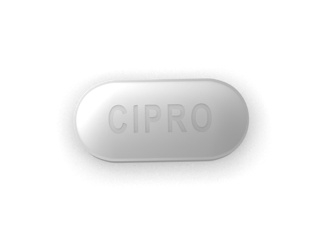


Cipro (Ciprofloxacin) — Patient Information (UK)
Cipro is a brand name for ciprofloxacin, an antibiotic from the fluoroquinolone group. This medicine is used to treat certain bacterial infections. Because antibiotics only work against bacteria (not viruses), Cipro should be used for appropriate conditions as advised by a healthcare professional.
This guide is designed to help you understand how Cipro works, what it’s used for, how to take it, and key safety information. Always follow the specific instructions provided for you.
Basic Product Information
- Active ingredient: Ciprofloxacin
- Medicine type: Antibiotic (fluoroquinolone)
- Common formulations: Tablets (including different strengths), and oral liquid in some products; injectable forms may be available in hospital settings
- How it’s taken: By mouth for many infections (exact method depends on your condition)
In the UK, brand availability can vary by pharmacy and formulation. Your product packaging will show the exact strength (e.g., 250 mg, 500 mg) and dosage instructions.
How Cipro Works (Mechanism of Action)
Ciprofloxacin works by interfering with bacterial enzymes that are essential for DNA replication and repair. Specifically, it inhibits:
- DNA gyrase (topoisomerase II)
- Topoisomerase IV
By blocking these enzymes, Cipro prevents bacteria from multiplying and helps the immune system clear the infection. Its activity is mainly against certain Gram-negative bacteria, though some Gram-positive bacteria may also be susceptible depending on the infection and local resistance patterns.
Pharmacokinetics (How Your Body Processes Cipro)
Pharmacokinetics describes what happens to a medicine after you take it—absorption, distribution, metabolism, and elimination. With ciprofloxacin, key points include:
- Absorption: Cipro is absorbed from the gut, but absorption can be reduced by certain minerals (such as iron) and dairy/calcium supplements.
- Peak levels: After oral dosing, blood levels typically rise and reach a peak within a few hours (timing varies by formulation and with food).
- Distribution: Ciprofloxacin distributes into many body tissues and fluids, including urinary tract tissues—one reason it’s commonly used for urinary infections.
- Elimination: Much of the drug is eliminated through the kidneys, which is why kidney function can affect dosing in some people.
- Half-life: The medicine’s effective duration is influenced by its elimination rate; kidney function and individual factors may change exposure.
Your prescriber may adjust dosing if you have impaired kidney function, if you’re elderly, or if you’re taking interacting medicines.
Typical Uses and Indications
Cipro is used for bacterial infections where the organism is susceptible and where the benefit outweighs potential risks. In the UK, ciprofloxacin is used for (examples below; your local prescribing guidance and culture results matter):
- Urinary tract infections (UTIs), including some complicated UTIs
- Prostatitis (inflammation/infection of the prostate, often caused by susceptible bacteria)
- Infectious diarrhoea caused by susceptible bacteria (where appropriate)
- Some respiratory tract infections where susceptibility is known/likely and other options are unsuitable
- Skin and soft tissue infections caused by susceptible organisms
- Bone and joint infections (osteomyelitis) in selected cases
- Other serious bacterial infections in selected situations based on microbiology and clinical judgement
If your infection is viral (e.g., most colds and flu), Cipro will not help. Using antibiotics incorrectly can lead to side effects without benefit and can contribute to resistance.
Timing: How and When to Take Cipro
Follow the specific dose and schedule given for you. Many ciprofloxacin regimens are taken once or twice daily depending on the infection and formulation. Typical guidance for timing includes:
- Try to take doses at evenly spaced times (for example, morning and evening).
- Swallow tablets whole with water (unless your product instructions say otherwise).
- Complete the course even if you feel better, unless you are told to stop.
- If you miss a dose: take it when you remember unless it’s close to the next dose. Do not take a double dose to catch up.
For some infections, starting promptly is important. If you are unsure about your schedule, check your medication label or contact a pharmacist.
Food Interactions and Absorption
Food can affect how much ciprofloxacin you absorb. The goal is to keep absorption consistent while minimising stomach upset. General practical advice:
- Dairy products (milk, yoghurt) and calcium-fortified drinks may reduce absorption. Keep consistent spacing or follow product guidance.
- Minerals such as iron, zinc, and magnesium (including supplements and antacids) can reduce absorption.
- Multivitamins with minerals may interfere.
- Take-home strategy: if you need to take interacting supplements, separate them from your Cipro dose.
A commonly used approach is to separate ciprofloxacin from:
- Antacids or mineral supplements: by at least 2–4 hours (depending on the product and instruction).
- Dairy/calcium supplements: by at least 2 hours before or 6 hours after ciprofloxacin, unless your product guidance differs.
Always check the exact instructions for your formulation (and the instructions on your supplement/antacid packaging).
Alcohol and Medicine Interactions
Alcohol
There is no universal rule that ciprofloxacin perfectly “mixes” with alcohol, but drinking alcohol may increase side effects such as dizziness, drowsiness, headache, or nausea in some people. If you choose to drink, do so cautiously and avoid binge drinking. If you feel unwell, it’s best to avoid alcohol.
Common Medicine Interactions
Ciprofloxacin can interact with other medicines. Tell your pharmacist or prescriber about all medicines you take, including over-the-counter products and herbal supplements. Notable interactions include:
- Tizanidine: a significant interaction can occur; concomitant use is generally not recommended.
- Anticoagulants (e.g., warfarin): ciprofloxacin can affect blood clotting in some patients, increasing bleeding risk. Close monitoring may be needed.
- Medicines that can affect heart rhythm (QT prolongation): ciprofloxacin may increase the risk in susceptible individuals.
- Antiarrhythmics and certain antipsychotics: may raise the risk of rhythm changes.
- Theophylline: levels can rise, increasing the risk of side effects.
- Non-steroidal anti-inflammatory drugs (NSAIDs): when combined, may increase the risk of central nervous system stimulation in some people.
- Metabolic interactions: ciprofloxacin may influence enzymes involved in drug metabolism; multiple drugs may require adjustment.
Always provide your full medication list when receiving Cipro. This helps reduce the risk of interactions.
Dosing (General Information)
Dosing depends on:
- the type and severity of infection
- the suspected or confirmed bacteria and local resistance patterns
- your kidney function
- your age and overall health
- whether you’re using tablets or another formulation
Important: do not use dosing information from general text to change your prescription. Use the label and instructions provided for your specific product and condition.
How doses are commonly structured
- Some infections are treated with dosing twice daily.
- Some regimens are once daily (depending on formulation and infection).
- The course length varies by indication and response.
If you have kidney problems, your prescriber may reduce the dose or extend dosing intervals.
Safety Profile: What to Know Before You Take Cipro
Like all medicines, ciprofloxacin can cause side effects. Most are mild to moderate, but some can be serious. Stop taking Cipro and seek urgent medical advice if you experience severe or concerning symptoms.
Common side effects
- Nausea
- Diarrhoea (mild diarrhoea can occur)
- Stomach discomfort or abdominal pain
- Headache
- Dizziness
- Rash or mild skin reactions
Serious risks (seek prompt help)
- Tendon problems (tendinitis/rupture): Fluoroquinolones have been associated with inflammation and rare tendon rupture. Stop the medicine and seek medical advice if you develop pain, swelling, or tenderness in a tendon—especially the Achilles tendon.
- Nerve-related symptoms (neuropathy): symptoms such as tingling, numbness, burning pain, or weakness may occur. Seek medical advice promptly.
- Severe allergic reactions: facial/lip swelling, difficulty breathing, widespread rash, or fainting require urgent help.
- Severe diarrhoea: if you develop watery or bloody diarrhoea, especially with fever or severe abdominal cramps, contact medical services urgently (possible antibiotic-associated colitis).
- Central nervous system effects: agitation, confusion, hallucinations, tremor, or seizures require urgent medical advice.
- Heart rhythm concerns: if you feel palpitations, fainting, or severe dizziness, seek urgent care, particularly if you have existing risk factors.
Who should take extra care
- People with kidney impairment
- The elderly (often higher risk of side effects and drug interactions)
- Those with a history of tendon disorders or receiving systemic steroids
- People with known risk of heart rhythm problems
- People with myasthenia gravis (neuromuscular condition)—fluoroquinolones may worsen muscle weakness
Practical Use Tips (Get the Best From Your Course)
- Stay hydrated: drink adequate fluids unless you have a fluid restriction advised by your doctor.
- Sun protection: ciprofloxacin may increase sensitivity to sunlight in some people. Use sunscreen and avoid prolonged sun exposure if you notice skin reactions.
- Don’t stop early: stopping early can allow bacteria to regrow and may worsen resistance.
- Track symptoms: if symptoms are not improving after 48–72 hours (or get worse), contact a healthcare professional for advice.
- Watch for side effects: particularly tendon pain, nerve symptoms, severe diarrhoea, or allergic signs.
- Take with consistent routine: setting alarms can help maintain proper spacing.
If you’re taking multiple medicines or supplements, a pharmacy can help you plan a safe schedule.
Alternative Options
Whether an alternative antibiotic is suitable depends on the infection type, severity, likely bacteria, your allergy history, previous antibiotic use, and local resistance patterns. Alternatives may include antibiotics from other groups, or sometimes no antibiotic if the cause is not bacterial.
Examples of alternatives clinicians may consider (depending on indication and bacterial susceptibility):
- Nitrofurantoin (often used for certain uncomplicated UTIs)
- Trimethoprim or trimethoprim-sulfamethoxazole (where appropriate and susceptible)
- Amoxicillin or co-amoxiclav (selected infections based on susceptibility)
- Cephalosporins (varies by infection and resistance)
- Other fluoroquinolones or antibiotic classes in selected cases
A key point: ciprofloxacin is not always first choice. In the UK, guidelines increasingly encourage careful antibiotic selection to reduce adverse effects and antibiotic resistance. Your healthcare professional will decide what’s best for you.
Market & Legal Context in the United Kingdom
Medicines containing ciprofloxacin are regulated in the UK under medicine and pharmacy legislation. Availability may depend on whether the product is classified for supply under community pharmacy arrangements. Always use a reputable UK pharmacy and ensure you receive the correct product strength and instructions.
Antibiotic stewardship is a major focus in the UK to slow antibiotic resistance. This means antibiotics are used appropriately—only when likely to benefit, with the correct dose and duration.
Key UK public health priorities:
- Use antibiotics for confirmed/suspected bacterial infections where benefit is clear
- Avoid unnecessary courses
- Prefer the narrowest effective antibiotic when possible
- Review treatment if symptoms do not improve
Recent Guidance (UK Antibiotic Stewardship)
In the UK, guidance and prescribing practice continually evolve to support safe, responsible antibiotic use. Recent stewardship themes include:
- Appropriate indication: fluoroquinolones like ciprofloxacin may be reserved for certain situations due to risk/benefit considerations.
- Culture and susceptibility testing: when available, to tailor treatment and avoid ineffective antibiotics.
- Review of need: reassessment if there is no improvement or if test results suggest a change.
- Safety monitoring: caution around tendon, nervous system, and heart rhythm risks.
If you’ve been started on Cipro, follow your healthcare professional’s instructions and let them know promptly about side effects.
Delivery and Availability (UK)
Online pharmacies in the UK typically deliver medicines to eligible addresses within the UK. Availability depends on stock levels, formulation strength, and supply chain timing.
- Dispatch times: vary by pharmacy and product availability.
- Packaging: tablets are usually supplied in sealed containers with clear labelling.
- Delivery tracking: many pharmacies provide delivery updates.
- Storage: store tablets as directed on the packaging (commonly at room temperature, away from moisture and direct sunlight).
Always check the expiry date on your received product. If packaging looks damaged or the medicine is out of date, do not use it—contact the pharmacy.
Summary Table (Quick Reference)
| Topic | What to Know |
|---|---|
| Medicine name | Cipro (ciprofloxacin) |
| Type | Fluoroquinolone antibiotic |
| Main action | Stops bacterial DNA replication (inhibits DNA gyrase/topoisomerase IV) |
| Common uses | Certain UTIs, prostatitis, infectious diarrhoea, and other susceptible bacterial infections |
| How to take | Follow your schedule; swallow with water; try to take at evenly spaced times |
| Food/mineral effects | Minerals (iron/zinc/magnesium), antacids, and dairy/calcium can reduce absorption |
| Alcohol | Can worsen side effects; avoid heavy drinking and stop if you feel unwell |
| Important safety | Seek help for tendon pain, nerve symptoms, severe diarrhoea, or allergic reactions |
| UK focus | Antibiotic stewardship and careful selection based on risk/benefit |
FAQ: Frequently Asked Questions
1) What is Cipro used for?
Cipro (ciprofloxacin) is used to treat specific bacterial infections where the bacteria are susceptible. It’s commonly used for certain urinary tract infections and other infections depending on clinical judgement and resistance patterns.
2) How soon will I feel better?
Many people start to feel some improvement within 48–72 hours. If symptoms are not improving after this time, or if they worsen, seek advice from a healthcare professional.
3) Can I take Cipro with food?
Food can affect absorption. In general, spacing may be needed if you have dairy products or calcium-rich drinks. Follow the guidance on your specific product and ensure minerals/antacids are separated.
4) Should I avoid dairy or calcium?
Dairy and calcium supplements may reduce absorption. If you use them, separate them from your Cipro dose as instructed (commonly several hours before/after—your product guidance may differ).
5) What vitamins or supplements can interact?
Supplements containing iron, zinc, magnesium, or calcium may reduce absorption. Check labels and separate dosing where necessary.
6) Is it safe to drive or operate machinery?
Some people experience dizziness, headache, or fatigue. If you feel unsteady or unwell, avoid driving and machinery. If symptoms affect your alertness, seek advice.
7) Can I take Cipro with painkillers like ibuprofen or paracetamol?
Often this is possible, but it depends on your personal situation and other medicines. If you have kidney problems, are dehydrated, or have other health conditions, ask a pharmacist for advice. Also be cautious with any new medicines while taking ciprofloxacin.
8) What should I do if I develop severe diarrhoea?
Stop and seek medical advice urgently, especially if diarrhoea is watery or bloody, or if you have fever or severe abdominal cramps. This can be a serious antibiotic-associated condition.
9) What if I get tendon pain?
Stop Cipro and seek urgent medical advice. Tendon issues can occur even after starting the medicine. Avoid exercise on the affected tendon until you’re reviewed.
10) Can I drink alcohol while taking Cipro?
Light alcohol may be tolerated by some people, but alcohol can worsen side effects and reduce your ability to recover. Avoid heavy drinking; consider avoiding alcohol until you finish the course and feel well.
11) Are there people who should not take ciprofloxacin?
Suitability depends on individual factors, allergy history, and interacting medicines. Certain conditions and risk factors require extra caution (such as tendon disorders, significant heart rhythm risk, kidney impairment, or specific neuromuscular conditions).
12) What are the signs of an allergic reaction?
Seek urgent help if you experience swelling of the face/lips, difficulty breathing, widespread rash, blistering skin, or feeling faint. Allergic reactions can be serious.
Important Reminder
Antibiotics such as Cipro treat bacterial infections, but not viral illnesses. If you are unsure whether your symptoms need an antibiotic, contact a healthcare professional. Use Cipro only for the condition it was chosen to treat and follow dosing and safety advice carefully.