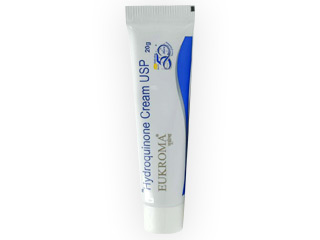
Hydroquinone (Topical) – Patient Information (UK)
Hydroquinone is a skin-bleaching (depigmenting) medicine used to reduce the appearance of certain types of dark patches. It works by decreasing skin pigment (melanin) production. This guide explains how hydroquinone works, when and how it is typically used, important safety considerations, and what to expect from treatment. It is intended for general information for people in the United Kingdom.
Note: Always follow the instructions provided with your product and talk to a healthcare professional if you are unsure whether hydroquinone is suitable for you—especially if you have sensitive skin or are treating facial pigmentation.
Basic product information
- Active ingredient: Hydroquinone
- Common forms: Topical creams, gels, lotions, or solutions
- Typical strengths: Available concentrations vary by product and regulatory status in the UK (commonly lower strengths are used for over-the-counter options; higher strengths may be restricted/regulated depending on current rules).
- Therapeutic category: Depigmenting agent (skin-lightening)
- Primary use: Reducing hyperpigmentation (darkening) in limited areas
How hydroquinone works (mechanism of action)
Hydroquinone reduces the formation of melanin in the skin. It is believed to act through multiple pathways:
- Inhibits melanin synthesis: Hydroquinone interferes with enzymes involved in melanin production (most notably tyrosinase–related pathways).
- Promotes a reduction in overactive pigment cells: It can help slow the pigment-producing process in hyperpigmented areas.
- Reduces pigment transfer: It may help reduce transfer of melanin from deeper skin layers to the surface.
In practical terms, hydroquinone helps dark patches gradually fade, but improvement usually takes weeks rather than days.
Pharmacokinetics (how the body handles it)
Hydroquinone is applied to the skin. Only a small amount is expected to pass through intact skin under normal use conditions.
- Absorption: Generally low when used as directed on intact skin. Absorption may be higher if applied to broken, irritated, or freshly shaved skin, or under occlusion (e.g., tightly covered areas).
- Distribution: Any absorbed portion is distributed through the bloodstream and metabolised.
- Metabolism: Hydroquinone is metabolised primarily in the liver.
- Excretion: Metabolites are eliminated mainly via the kidneys.
Because absorption can increase with irritation or non-standard use, correct application and avoiding overuse are important for safety.
Typical use in the UK (indications)
Hydroquinone is typically used for hyperpigmentation, including:
- Melasma (patchy, often facial pigmentation)
- Post-inflammatory hyperpigmentation (dark marks after acne, irritation, or other skin inflammation)
- Sunspots / age-related dark patches (e.g., lentigines)
- Other limited areas of unwanted pigmentation as advised by a clinician or based on the product indication
Important: Good sun protection is essential. Without it, pigmentation may return or treatment results may be less noticeable.
When to expect results (timing)
Patience is key. Typical timelines:
- Early changes: Some people notice slight lightening within 4–8 weeks.
- More visible improvement: Often 8–12 weeks.
- Maximum effect: May take up to 3–4 months depending on the cause of pigmentation, strength used, and consistency.
When using hydroquinone, it is common to treat in limited courses. Many regimens aim to reassess after a set period rather than using continuously for long durations. Follow your product instructions or clinical advice.
How to use hydroquinone (dosing and practical application)
Hydroquinone is applied to the skin once or twice daily depending on the product. Always follow the directions provided for your specific strength and formulation.
Typical dosing approach (general guidance)
- Apply a thin layer to the affected area only.
- Frequency: Often once daily at first, then potentially twice daily if tolerated and if the product label supports it.
- Duration: Use as directed; many regimens limit total duration and require reassessment.
Step-by-step practical use tips
- Cleanse the area gently and pat dry.
- Apply hydroquinone in a thin layer to the dark patch (avoid unnecessary application to surrounding normal skin).
- Wash hands after use.
- Sun protection: Apply a broad-spectrum SPF 30–50 (or higher) during the day and reapply as needed. This is one of the most important parts of treatment.
- Moisturise if needed: If dryness or irritation occurs, use a gentle moisturiser.
Can it be used with other skincare?
Many people use a simple routine during treatment:
- A gentle cleanser
- Hydroquinone (to the target areas)
- A moisturiser
- Daily sunscreen
Be cautious when combining with other active ingredients (for example, strong exfoliants or irritating products). If you are using retinoids or chemical exfoliants, discuss timing with a pharmacist or clinician to reduce irritation.
Food interactions
Food interactions are not expected to be clinically significant with topical hydroquinone because it is applied to the skin and systemic exposure is typically low. However, general health advice still applies: maintain a balanced diet and follow product instructions.
Alcohol and medicine interactions
Alcohol
There is no well-established, direct interaction between topical hydroquinone and alcohol. However, irritation, inflammation, or liver stress in the body can be a consideration with systemic exposures in some cases. If you experience unusual side effects, stop use and seek advice.
Other medicines
Because hydroquinone is primarily topical, drug interactions are generally less common. Still, interactions and additive effects can occur through:
- Irritation: Using hydroquinone alongside other products that irritate the skin may increase redness, burning, or dermatitis.
- Barrier disruption: If the skin barrier is compromised (e.g., eczema flare, sunburn), absorption may increase.
- Skin-lightening combinations: Avoid stacking multiple depigmenting agents unless advised, as this increases the risk of irritation.
If you are using other topical medicines (including acne treatments, retinoids, or steroids), consider speaking to a healthcare professional for an appropriate routine.
Safety profile and side effects
Hydroquinone can cause side effects, particularly if used too frequently, applied over large areas, or if the skin is sensitive.
Common side effects
- Skin irritation (redness, burning, stinging)
- Dryness or peeling
- Itching
- Contact dermatitis (in some people)
Less common but important reactions
- Severe irritation, blistering, or swelling
- Allergic reaction (widespread rash, swelling of face/lips, breathing difficulty—seek emergency help)
- Exogenous ochronosis-like changes (rare; usually associated with prolonged or inappropriate use)
When to stop and seek advice
Stop using hydroquinone and seek medical advice if you develop:
- Severe redness, blistering, or intense burning
- Worsening pigmentation instead of improvement
- Signs of allergy (swelling, rash beyond the application area)
Precautions
- Avoid eyes and mucous membranes: Do not apply near the eyes or inside the mouth/nose.
- Use sun protection: Increased UV exposure can worsen pigmentation.
- Patch test: Consider testing on a small area first, especially if you have sensitive skin.
- Do not use on broken skin: Apply only to intact skin.
- Limit duration: Follow the recommended course. Long-term or continuous use is generally discouraged without professional supervision.
Practical use tips for best results
- Consistency: Use as directed each day. Missed doses can slow improvement.
- Thin layer only: More is not better. Excess product increases irritation risk.
- Sun care is non-negotiable: Use broad-spectrum sunscreen and protective clothing/avoid peak sun.
- Manage acne/inflammation: If dark patches come from acne, controlling breakouts reduces new marks.
- Be gentle: Avoid harsh scrubs and strong exfoliants during treatment.
- Track progress: Take photos in the same lighting every 2–4 weeks to assess change.
Alternative options for hyperpigmentation
If hydroquinone is not suitable or you prefer other approaches, several alternatives may help depending on your skin type and the cause of pigmentation:
Common alternatives
- Azelaic acid (often used for melasma and post-inflammatory hyperpigmentation; generally well tolerated)
- Niacinamide (may help reduce pigment transfer and support barrier health)
- Vitamin C (ascorbic acid derivatives) (antioxidant support; can brighten over time)
- Retinoids (e.g., adapalene/tretinoin where available) for pigment and texture; can also increase irritation if not introduced carefully
- Chemical exfoliants such as glycolic acid or salicylic acid (depending on cause; can improve tone but require careful tolerance)
- Procedures (e.g., chemical peels, laser or light-based therapies) – typically offered by dermatology clinics and selected based on skin type and risk
Your best choice depends on your diagnosis (e.g., melasma vs post-inflammatory marks), how sensitive your skin is, and your sun exposure habits.
Market and legal context in the United Kingdom (overview)
In the UK, the availability of hydroquinone products and the strengths sold to the public can be influenced by regulatory controls. These may change over time based on safety reviews and risk management decisions by relevant UK authorities. Products available on shelves or online may have:
- Restricted concentrations for consumer use
- Specific labelling requirements (warnings, duration limits, or usage instructions)
- Guidance on safe application (avoid eyes, limit use area/duration)
When purchasing hydroquinone products, ensure the product is from a reputable supplier and check the label for concentration, directions, and warnings.
Recent guidance (general UK-facing clinical principles)
While the exact recommendations may differ by product and local clinical practice, current dermatology principles for pigmentation treatment in the UK typically emphasise:
- Accurate diagnosis (melasma vs post-inflammatory hyperpigmentation vs lentigines)
- Strict photoprotection as the foundation of treatment
- Short, monitored depigmenting courses rather than indefinite use
- Assessment of tolerance and adjustment if irritation occurs
- Choosing alternatives if hydroquinone is not tolerated or if there is risk of rebound/worsening
Because pigmentation conditions can fluctuate with seasons, hormones, and sun exposure, re-evaluation may be needed after treatment.
Delivery and availability in the UK
Hydroquinone-containing topical products may be available through online pharmacies and other regulated retailers, depending on current legal status and strength. Availability can vary by:
- Product concentration
- Pack size and formulation
- Whether the product is considered suitable for consumer purchase
- Stock levels and supplier availability
Delivery: Delivery times depend on the supplier’s dispatch schedules and your location within the UK. Typical online pharmacy delivery is often within a few working days, but this varies—especially during high-demand periods.
Cold/heat considerations: Store products according to the label (generally at room temperature, away from direct sunlight).
FAQ: Frequently asked questions about hydroquinone
1) How long does it take for hydroquinone to work?
Many people begin to see improvement in 4–8 weeks, with more noticeable results by 8–12 weeks. Full benefit may take longer depending on the cause and severity.
2) Should I use hydroquinone every day?
Follow the product label. Some regimens start once daily and increase to twice daily only if tolerated. Using more than directed can increase irritation and the risk of adverse effects.
3) Can I use hydroquinone on my whole face?
Hydroquinone is usually intended for affected dark patches. Treating only the target areas can reduce irritation risk. If you have widespread pigment, a clinician may recommend an alternative strategy.
4) Do I need sunscreen while using hydroquinone?
Yes. Sun exposure can worsen hyperpigmentation and reduce treatment effectiveness. Use broad-spectrum SPF daily and reapply as needed.
5) Why does my skin burn or turn red?
Burning, stinging, and redness are signs of irritation. This can happen if you use too much, use it too often, or combine with other irritating skincare. Stop and seek advice if symptoms are severe or persistent.
6) Can I combine hydroquinone with moisturiser?
Usually yes. A gentle moisturiser can reduce dryness and improve comfort. Apply moisturiser as recommended, and do not apply multiple irritating actives at the same time as hydroquinone unless advised.
7) Is hydroquinone safe for all skin types?
Most people can use hydroquinone when used correctly, but sensitivity varies. People with eczema, rosacea, or very reactive skin should be especially cautious and consider patch testing and professional advice.
8) Can hydroquinone cause pigmentation to get worse?
In some cases, overuse or poor tolerance may lead to worsening pigmentation or dermatitis, which can darken skin. If pigmentation appears to worsen, discontinue and seek medical advice.
9) What if I miss a dose?
Use it when you remember unless it is close to your next dose. Do not double up. Continue with your regular routine.
10) When should I stop using hydroquinone?
Stop according to the recommended course on your product label or after reassessment if you are not seeing improvement. Long-term continuous use should generally be avoided unless supervised by a clinician.
Summary table: Key points at a glance
| Topic | What to know |
|---|---|
| What it does | Reduces melanin formation to fade dark patches |
| Common uses | Melasma, post-inflammatory hyperpigmentation, sunspots (limited areas) |
| How fast it works | Usually 4–8 weeks for early change; 8–12 weeks for more visible results |
| How to apply | Thin layer to affected areas only; wash hands; avoid eyes/mucous membranes |
| Sun protection | Essential—use broad-spectrum SPF daily |
| Common side effects | Redness, burning, dryness, itching; irritation risk increases with overuse |
| Food interactions | Not expected to be significant with topical use |
| Alcohol interactions | No well-established direct interaction; stop and seek advice if adverse symptoms occur |
| Safety approach | Use as directed; limit duration; do not apply to broken skin |
If you’re unsure which pigmentation type you have (for example, melasma vs acne marks), consider speaking to a healthcare professional. The most effective and safest approach often depends on accurate diagnosis and a well-planned skin routine.