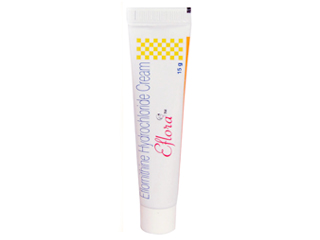
Eflornithine (Eflornithine hydrochloride) – Patient Information
Eflornithine is a medicine used in specific situations to reduce unwanted facial hair growth. This page explains how eflornithine works, how it is usually taken, what to expect, and important safety information. It is written for people in the United Kingdom and aims to help you understand your treatment in everyday language.
Basic product information
| Feature | Details |
|---|---|
| Common name | Eflornithine |
| Medicinal form | Usually available as a cream (topical) in the UK; in some settings, other formulations may exist depending on supply and licensing. |
| How it works | Slows production of a key enzyme involved in hair growth |
| Who it is for | For treatment of certain types of unwanted facial hair growth (typically in women) and for particular parasitic infections in certain circumstances. |
| Typical course | For hair: often several weeks to see benefits; maintenance may be required depending on response. |
| Prescription status | Medicines containing eflornithine are regulated in the UK and are supplied under UK legal frameworks. |
What eflornithine is used for (indications)
In the UK, eflornithine is most widely recognised for use in people with unwanted facial hair. Outside this, eflornithine may be used in the treatment of specific parasitic infections in specialist or hospital settings, depending on availability and local guidance.
Commonly expected indication:
- Unwanted facial hair growth: Used to reduce the growth of unwanted, coarse facial hair in certain patients (the exact criteria and eligibility depend on clinical assessment).
Other medical uses (specialist settings): There are also clinical uses for certain parasitic conditions, but these are typically managed under specialist care.
How eflornithine works (mechanism of action)
Eflornithine works by interfering with a biological pathway involved in producing a compound needed for cell activity. In hair follicles, this reduces the activity of processes that support hair growth.
Specifically, eflornithine inhibits an enzyme (ornithine decarboxylase) that is important for producing polyamines. Polyamines are needed for rapid cell growth and division—processes that are active in hair follicle cells. By blocking this pathway, eflornithine helps slow down the growth of unwanted hair.
Pharmacokinetics: how the body handles eflornithine
“Pharmacokinetics” describes how a medicine is absorbed, distributed, metabolised, and eliminated. Exact values can vary by formulation and the site of application.
- Absorption: For topical formulations, systemic absorption is generally limited compared with oral or injectable medicines, but absorption can increase when applied to broken/irritated skin.
- Distribution: Any absorbed fraction may distribute through the body according to normal blood flow patterns.
- Metabolism: Eflornithine is metabolised in the body through pathways that may involve normal chemical transformations of small molecules.
- Elimination: Excretion occurs mainly through the kidneys. People with significant kidney impairment may require closer clinical oversight.
If you have kidney disease, are pregnant, or have complex medical conditions, your healthcare professional may adjust your treatment plan or monitor you more closely.
Timing: when to take/use eflornithine and when to expect results
With unwanted facial hair, it is important to set expectations. Hair growth does not stop overnight. Eflornithine helps slow new growth, so the results are usually gradual.
Typical timing for topical facial hair treatment
- Consistency: Use on a regular schedule as directed.
- Early changes: Some people notice reduced hair regrowth over the first few weeks.
- Most benefit: Maximum improvement often takes several weeks of correct use.
- Ongoing assessment: If you do not see benefit, or if the response is unclear, speak with your clinician before continuing long-term.
How to take/use eflornithine (dosing and practical use)
Always use eflornithine exactly as advised on your product label and in the patient instructions provided by your healthcare team. The dosing below is general information commonly used for topical eflornithine.
Typical dosing (topical facial hair)
- Amount: Apply a thin layer to the affected areas of facial skin.
- Frequency: Usually applied multiple times per day (commonly around two daily applications), but follow your specific instructions.
- Duration: Benefits develop with regular use over time; your clinician may recommend a course length and whether maintenance is needed.
Step-by-step practical tips
- Wash and dry: Cleanse the area gently and let the skin dry completely.
- Apply thinly: Use enough to cover the target area evenly, without excessive rubbing.
- Avoid sensitive spots: Keep away from eyes, lips, nostrils, and broken skin unless instructed otherwise.
- Wash hands: After applying, wash your hands thoroughly.
- Let it absorb: Give it time to dry before applying makeup or other skincare products (unless your clinician advises otherwise).
- Don’t double up: If you miss a dose, apply it when you remember unless it is close to your next scheduled dose—then resume the usual routine.
Missed dose guidance
If you miss an application, apply it as soon as you remember. If it is nearly time for the next application, skip the missed dose and continue with your usual schedule. Do not apply extra to make up for missed doses.
Food interactions
Food interactions are generally not expected for topical eflornithine because systemic exposure is typically low. However, if you are using a different formulation (for example, oral or other routes in specialist settings), interactions could be different.
If you are unsure which formulation you have, check the product leaflet or ask your pharmacist. In general, it is a good idea to follow any specific dietary guidance provided by your clinician for your overall treatment plan.
Alcohol and medicine interactions
With topical eflornithine, alcohol interactions are not commonly expected. However, alcohol can affect skin hydration and may worsen irritation in some people.
- Alcohol: Moderate alcohol intake is not usually a direct interaction with topical eflornithine, but if you find your skin becomes more sensitive, consider reducing alcohol and monitoring your skin reaction.
- Other medicines: Tell your pharmacist about all medicines you use, including skincare actives (retinoids, acids) and steroid creams—these can influence skin sensitivity and irritation.
- Special risk: If you are receiving other systemic treatments for different conditions, speak with a healthcare professional to confirm compatibility.
Always consult your healthcare provider if you are taking medicines that affect the kidneys or have a history of kidney disease.
Safety profile: side effects and what to watch for
Like all medicines, eflornithine can cause side effects. Not everyone gets them. Side effects may be more likely when the product is applied to irritated or broken skin.
Common side effects (topical use)
- Skin irritation: redness, burning sensation, dryness, or mild stinging
- Dry or flaky skin
- Itching
- Acne-like bumps or follicular reactions in some people
Less common but important reactions
- Allergic reaction: swelling, severe rash, hives, or difficulty breathing (seek urgent medical attention)
- Severe local skin reactions: blistering, intense burning, or worsening ulceration
- Infection signs: increasing pain, pus, fever, or spreading redness
When to stop and seek help
Seek medical advice promptly if you develop signs of a serious allergic reaction or a severe skin reaction. If you experience persistent or worsening irritation, stop applying the product and contact a healthcare professional for advice.
Who should be extra cautious
- People with kidney impairment: systemic exposure (even if low) may be higher; clinical guidance is important.
- Pregnancy and breastfeeding: safety depends on the situation and formulation; discuss with a healthcare professional.
- Very sensitive or eczema-prone skin: start carefully and follow advice about moisturisers and gentle cleansing.
Interactions and compatibility with skincare
If you use other topical products, consider the potential for irritation. Some ingredients can increase sensitivity. Examples include strong exfoliants, retinoids, and some antiseptics.
- Patch sensitivity: If you have previously reacted to facial products, consider applying eflornithine to a small area first (unless instructed otherwise).
- Keep it simple: Use gentle cleansers and moisturisers during the initial phase.
- Avoid overlapping “actives”: In the first weeks, ask your pharmacist whether you should pause other strong actives to reduce irritation.
- SPF matters: Use sun protection on exposed areas, as irritated skin may be more reactive.
Practical use tips to improve comfort and results
- Manage irritation early: If you feel burning or dryness, moisturise as recommended by your pharmacist, and avoid applying other harsh products at the same time.
- Consistency beats perfection: Try to maintain the routine even if results take time.
- Hair management: You can continue gentle hair removal methods as advised by your clinician. Avoid aggressive procedures on treated skin, especially when irritated.
- Track your progress: Consider taking photos under similar lighting conditions each few weeks (privacy-friendly and with care). This helps you and your clinician assess whether the treatment is working.
Alternative options for unwanted facial hair
Eflornithine is one option among several. The best choice depends on the cause of hair growth, skin type, and your preferences. Alternatives may include:
- Topical or other hair-growth slowing treatments: depending on availability and suitability.
- Hormonal treatments: may be considered when hair growth is related to hormonal changes (for example, in certain endocrine conditions). These require clinician assessment.
- Laser hair reduction: can significantly reduce density and speed regrowth for many people; it requires multiple sessions.
- Electrolysis: removes individual hair follicles over time and may be suitable for small areas.
- Mechanical hair removal: shaving, trimming, waxing, depilatory creams—use caution if your skin is irritated.
Discuss options with a clinician or dermatologist, especially if you have irregular periods, acne, or signs of hormonal imbalance.
Market and legal context in the United Kingdom
In the UK, medicines are regulated under the Medicines and Healthcare products Regulatory Agency (MHRA) framework. Availability may vary by formulation, manufacturer, and current supply conditions. Online pharmacy supply also follows the UK rules for dispensing and safe distribution.
Product availability can change over time due to manufacturing cycles, licensing updates, and supply chain fluctuations. Always choose a reputable provider and check that the medication matches the exact product name, strength, and form you intend to use.
Recent guidance and considerations
Guidance around dermatological and hair-growth treatments may evolve as new clinical evidence becomes available. In practice, recent updates commonly emphasise:
- Using medicines consistently for enough time before judging effectiveness
- Minimising skin irritation by adjusting concurrent skincare routines
- Considering underlying causes of excessive hair growth and referring when appropriate
- Monitoring for adverse effects and reviewing continued use if there is no improvement
Your pharmacist can explain any new product-specific advice included with the current patient information leaflet.
Delivery and availability (UK online pharmacy)
Availability of eflornithine can vary depending on stock and supplier arrangements. When ordering from an online pharmacy in the UK, you can expect:
- Checking stock: products may show current availability at the time of order.
- Delivery options: delivery services and timelines depend on the provider and your postcode area.
- Packaging: medicines are typically supplied in tamper-evident packaging with clear labelling.
- Storage: follow the leaflet for storage conditions (for example, temperature limits and keeping away from direct sunlight).
If your order is delayed due to supply constraints, customer service should communicate the expected timeframe.
Storage and handling
- Keep the medicine in its original packaging.
- Store at the temperature stated on the label/leaflet.
- Keep out of the sight and reach of children.
- Do not use after the expiry date.
- Close caps/tubes securely to prevent drying or contamination.
FAQ about eflornithine
1. How quickly will eflornithine start working?
Results are usually gradual. Many people need several weeks of regular use before they see a clear reduction in hair regrowth. Consistent application is key.
2. Will my existing hair fall out?
Eflornithine mainly slows new growth. It does not reliably remove existing hair immediately. Your hair may feel the effects as regrowth slows over time.
3. Can I use makeup or moisturiser with eflornithine?
Often you can, but it’s best to apply eflornithine first and allow it to dry before using other products. If your skin feels irritated, choose gentle moisturisers and avoid strong “active” skincare products until your skin settles.
4. What should I do if I get redness or burning?
Mild irritation can happen, especially at the start. If symptoms are uncomfortable or worsening, stop using the product and contact your pharmacist or clinician for advice. Do not apply additional irritant skincare at the same time.
5. Is eflornithine safe to use long term?
Long-term suitability depends on your response and tolerability. If you are using it beyond an initial course, it’s sensible to have periodic review with a healthcare professional, especially if irritation or other side effects persist.
6. Are there any interactions with shaving, waxing, or depilatory creams?
You may still remove hair, but avoid aggressive methods on treated or irritated skin. If you choose waxing or depilatory products, do so carefully and avoid using them during periods when your skin is inflamed. Ask your pharmacist for personalised advice.
7. Can I drink alcohol while using eflornithine?
For topical use, alcohol is not commonly a direct interaction. However, alcohol can sometimes worsen dehydration and skin sensitivity, so monitor your skin and consider reducing intake if irritation occurs.
8. Who should not use eflornithine?
People with a known allergy to eflornithine should not use it. Extra caution is needed in cases of kidney impairment and during pregnancy or breastfeeding, and you should seek clinical advice for suitability.
9. What if I miss an application?
Apply it when you remember unless it is close to the next scheduled time. Then return to your usual routine. Do not apply extra to “catch up.”
10. What are the signs of a serious side effect?
Seek urgent medical help if you develop signs of an allergic reaction (such as swelling of the face or difficulty breathing) or if skin reactions become severe (blistering, widespread rash, or rapidly worsening redness).