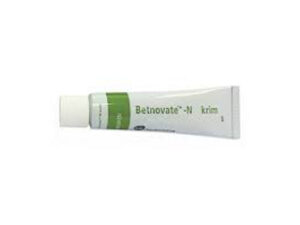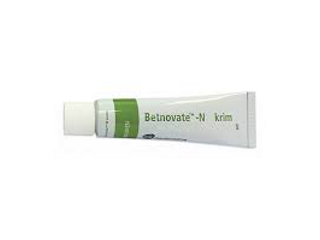
Betnovate (Betamethasone valerate) Cream / Ointment — Patient Information (UK)
Betnovate is a skin medicine containing betamethasone valerate, a corticosteroid used to reduce inflammation and relieve itching and redness associated with a range of skin conditions. This guide explains how it works, when it’s typically used, practical tips, safety considerations, and what to expect in the United Kingdom.
1) Basic product information
- Active ingredient: Betamethasone valerate
- What it is: A topical (skin-applied) corticosteroid
- Common strengths/forms (may vary by product): Cream, ointment (and sometimes other formulations)
- How it works: Reduces inflammation by acting on the immune response in the skin
- For use: On the skin only
Note: Different Betnovate products may come in different strengths and bases (e.g., cream vs ointment). Always check the specific pack for concentration and instructions.
2) Mechanism of action (how Betnovate works)
Betamethasone valerate is a glucocorticoid. After application to the skin, it penetrates the outer layers and binds to glucocorticoid receptors. This leads to a reduction in inflammatory signals and immune activity locally. As a result, it can:
- Reduce redness (erythema)
- Alleviate itching (pruritus)
- Decrease swelling and inflammation
- Improve appearance and comfort in inflammatory skin conditions
Corticosteroids are anti-inflammatory medicines: they treat the symptoms and the inflammation, but they do not cure underlying causes such as eczema triggers or infections. If an infection is present, you may need additional treatment.
3) Pharmacokinetics (what happens in the body)
When applied to intact skin, betamethasone valerate is generally absorbed in small amounts. However, absorption can increase when:
- The area of skin treated is large
- Treatment continues for longer periods
- The skin is damaged (e.g., cuts, eczema weeping, ulceration)
- It is used under occlusion (coverings that trap heat/moisture)
- Used on thin skin areas (e.g., face, eyelids, groin)
Once absorbed, corticosteroids are processed by the body and eliminated mainly through metabolic pathways. The overall systemic effect is usually minimal when used as directed on small areas for short durations.
4) Typical uses in the UK (indications)
Betnovate is commonly used for inflammatory skin conditions that respond to corticosteroids. Indications depend on the specific product strength, area of application, and severity of symptoms. Common examples include:
- Eczema (including atopic dermatitis and other steroid-responsive eczema types)
- Dermatitis causing inflammation and itch
- Psoriasis (in selected forms and areas, as advised by healthcare professionals)
- Inflammatory skin flare-ups where itch, redness, and swelling are prominent
It’s important not to use potent topical steroids on unsuitable conditions. For example, steroid use can worsen some infections. If you suspect fungal infection (e.g., ringworm) or bacterial infection (e.g., impetigo), seek advice before using.
5) When to apply (timing and duration)
Many topical corticosteroids are applied once or twice daily, depending on the condition and severity. Follow your product label instructions or the guidance you’ve been given for your specific situation.
General practical timing tips:
- Apply at a consistent time each day (e.g., morning and evening).
- Wash and dry the area before applying.
- Use a thin layer and rub in gently.
- As symptoms improve, your clinician/pharmacist may advise reducing frequency or switching to a milder steroid.
Do not apply more often or for longer than necessary. If there is no improvement within the expected timeframe, you should seek medical advice.
6) Dosing guidance (how much to use)
Topical steroid dosing is often guided by the amount needed for the affected area. A commonly used method is the finger-tip unit (FTU) approach, which estimates how much cream/ointment to apply based on area.
Finger-tip unit (FTU) overview:
- One FTU is the amount of cream/ointment squeezed from the fingertip to cover an area of skin about two adult palm-sized areas.
- In practice, the exact amount depends on body area and skin condition.
For sensitive areas (e.g., eyelids, face, skin folds, groin), clinicians often recommend special care and generally shorter courses or different potency products. Avoid treating large areas unless explicitly advised.
| Body area | General caution level | Practical note |
|---|---|---|
| Hands, arms, legs | Moderate | Typically easier to manage with thin layers and limited duration. |
| Face, eyelids | High | Use only under appropriate guidance; skin can become sensitive with potent steroids. |
| Skin folds (groin, underarms) | High | Maceration and infection risk are higher; avoid prolonged use. |
| Children | Higher overall | Absorption may be increased; follow age-specific advice carefully. |
| Large areas/occlusion | Very high | Do not cover with airtight dressings unless instructed. |
7) Food interactions
Betnovate is applied to the skin. In general, food interactions are not expected because systemic exposure is typically low when used as directed. There’s no specific dietary restriction commonly associated with topical betamethasone valerate.
8) Alcohol and medicine interactions
Because Betnovate is used on the skin and usually absorbs minimally, alcohol interactions are not generally expected. However, the following are still relevant:
- Other medicines on the skin: Using multiple topical products in the same area may alter skin barrier function and irritation levels.
- Immunosuppressing conditions/medications: If you are taking strong immune-modulating medicines or have a weakened immune system, discuss steroid use with a healthcare professional.
- Infection risk: Steroids can mask infection signs. If you’re using other treatments (e.g., antifungals), guidance may be required on sequencing.
If you are unsure about possible interactions—particularly if you use other steroid-containing products—ask a pharmacist for advice.
9) Safety profile and important precautions
Like all corticosteroids, Betnovate can cause side effects, especially with high potency, large treatment areas, prolonged duration, or occlusion. Many people use it safely when used correctly.
Common local side effects
- Skin irritation or burning sensation
- Redness (erythema) or increased dryness
- Itching may persist or temporarily worsen if the condition is not steroid-responsive
- Folliculitis (hair follicle irritation) with prolonged use
Less common but important risks
- Skin thinning (atrophy), especially with stronger steroids and longer use
- Stretch marks (striae), particularly in skin folds
- Visible blood vessels (telangiectasia)
- Perioral dermatitis (around the mouth) or worsening of certain facial rashes
- Rebound flare if stopped abruptly after prolonged use
- Potential spread of untreated infections (see below)
Infection considerations
Steroids can reduce inflammation but may not treat the cause. If your skin condition is due to infection, or if infection develops while using steroid, symptoms may partially improve then worsen.
Seek advice urgently if you notice:
- Pus, oozing, crusting that worsens
- Rapid spread of redness
- Fever or feeling unwell
- Painful blisters
- No improvement or deterioration after a short course
Who should take extra care
- Children: absorption can be higher relative to body weight; use the smallest area for the shortest time.
- Pregnancy and breastfeeding: discuss with a clinician/pharmacist, especially for use on larger areas or longer courses.
- Face/eyelids/genitals: potent steroids should be used with caution and usually for limited durations.
- People with glaucoma or eye problems: avoid contact with the eyes; long-term use on eyelids may increase risk.
10) Practical use tips (to get the best results and reduce risk)
- Apply a thin layer to affected areas only.
- Wash hands after application unless treating the hands.
- Don’t wrap or bandage (occlude) the area unless specifically advised.
- Use moisturisers regularly—many people do best with a “steroid to settle flare, moisturiser to maintain” approach. Apply moisturiser at a different time unless advised otherwise.
- Avoid irritants (strong soaps, fragrances) and keep bathing routines gentle.
- Track improvement: if there’s no meaningful improvement after a few days (or not within the timeframe on your guidance), seek advice.
- Don’t use on infected areas without appropriate treatment.
- Watch for worsening redness or burning—stop and seek advice if severe irritation occurs.
If you’re using Betnovate alongside other creams (e.g., emollients or medicated treatments), it can help to apply emollients generously and reserve the steroid for the inflamed patches, unless you’ve been instructed to mix or layer products.
11) Alternative options (what else might help)
Depending on the condition, severity, and location, alternatives may include:
- Milder topical corticosteroids for maintenance or sensitive areas
- Emollients (moisturisers) to restore the skin barrier and reduce flare frequency
- Topical calcineurin inhibitors (for suitable conditions, often used for face/folds under clinician guidance)
- Antimicrobial/antifungal treatments if infection is present or suspected
- For psoriasis: additional therapies may be recommended based on severity and site
- Non-steroid anti-inflammatory options may be considered in chronic or recurrent disease
The “best” option depends on diagnosis. If you’re unsure whether your rash is eczema, psoriasis, fungal infection, or something else, getting the correct diagnosis is key.
12) Market and legal context in the UK (what to expect)
In the UK, topical corticosteroids are widely used and are supplied under regulated medicines frameworks. Product availability may differ by strength and formulation, and some strengths/pack sizes may be restricted to certain routes of supply. Online pharmacies typically provide information about safe use and may require you to complete a brief questionnaire for suitability.
UK guidance emphasises:
- Using the lowest effective strength for the shortest necessary duration
- Regular skin moisturisation and appropriate trigger avoidance
- Review if symptoms do not improve, and caution with high-potency steroids on face and skin folds
13) Recent guidance and best-practice considerations
Current dermatology practice in the UK commonly supports the following principles (which may be reflected in local formularies and guidance):
- Clear indication: topical steroids should match the diagnosis (eczema vs infection vs other rash causes).
- Proactive skin care: moisturisers are used routinely, not only during flares.
- Stepping down: if improved, reduce potency or frequency rather than continuing high-potency treatments.
- Reassessment: seek professional review if worsening, recurrent rapid relapse, or uncertainty about diagnosis.
- Minimise steroid exposure: especially on delicate areas and in children.
If you have ongoing or recurrent symptoms, asking a healthcare professional about long-term management strategies may reduce reliance on repeated courses.
14) Delivery and availability (online pharmacy experience in the UK)
Betnovate may be available from UK online pharmacies depending on the specific product strength and formulation (cream/ointment) and current supply arrangements. Delivery times vary by supplier and location, and you’ll typically receive updates by email or text.
- Packaging: medicines are generally delivered in tamper-evident packaging.
- Storage: store as directed on the pack, usually at room temperature away from direct heat and sunlight.
- Availability: stock can change; if unavailable, customer service may offer alternative strengths or formulations.
15) Frequently asked questions (FAQ)
Is Betnovate suitable for everyone?
Betnovate may not be suitable for everyone, especially if you have certain skin infections, or if you need treatment on sensitive areas such as the face or eyelids. Always follow the instructions on the pack and seek advice if you’re unsure.
How quickly should I see improvement?
Many people notice symptom relief within a few days. If you see no improvement or your skin gets worse, stop and seek advice.
Can I use Betnovate on my face?
Use on the face should be cautious because the skin is thin and side effects can occur more easily. Only use it on the face if advised by a healthcare professional and for the shortest duration. Avoid contact with the eyes.
Can I apply moisturiser with Betnovate?
Yes, moisturiser can be used. A common approach is to apply moisturiser regularly and apply Betnovate only to the inflamed areas. If you’re unsure about timing, ask your pharmacist for advice about layering and sequencing.
What should I do if my rash looks infected?
Signs such as increasing pain, pus, worsening redness, or rapid spread may indicate infection. Steroids can mask infection—seek advice promptly for appropriate assessment and treatment.
Is it safe to use for a long time?
Long-term continuous use increases the risk of side effects such as skin thinning. Best practice is to use the smallest effective amount for the shortest period. If symptoms recur frequently, discuss longer-term management options.
Can I stop Betnovate suddenly?
If you’ve used it for a short course, stopping is usually straightforward. If used repeatedly or for prolonged periods, a clinician may advise stepping down gradually to reduce rebound. Follow your guidance and seek advice if you’re uncertain.
How do I know if I’m using too much?
Using a thick layer, treating large areas, or covering with airtight dressings can increase risk. Apply a thin layer to affected areas only and do not occlude unless advised.
What if I accidentally miss a dose?
Apply when you remember, unless it’s close to the next dose. Don’t apply extra amounts to make up for a missed dose.
Are there any signs I should stop and get medical advice?
Stop and seek advice if you experience severe burning, worsening rash, spreading infection signs, blistering, or no improvement after the expected course.
Can Betnovate be used on children?
Children can be more sensitive to topical steroids. If it’s been recommended for your child, use the smallest effective amount, treat only the affected areas, and follow specific guidance closely.
Does Betnovate affect the skin barrier long term?
Corticosteroids can temporarily change the skin. The key is correct use: adequate moisturisation, short courses, stepping down potency, and avoiding unnecessary prolonged use.
16) Summary: key points to remember
- Betnovate contains betamethasone valerate, a topical corticosteroid for inflammatory skin conditions.
- Use a thin layer, typically once or twice daily, and apply only to affected areas.
- Follow short-course principles and step down when symptoms improve.
- Avoid use on suspected infections unless you have appropriate additional treatment.
- Be especially cautious on face, eyelids, groin, and skin folds.
- If symptoms don’t improve or worsen, seek advice for correct diagnosis and management.
This information is intended to help you use Betnovate safely and understand how it may work. Always read the pack instructions carefully and ask a pharmacist if you have questions about your specific product, strength, or skin condition.