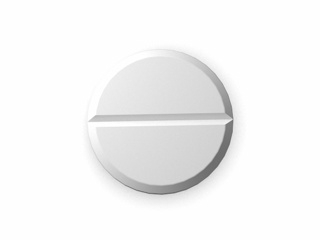
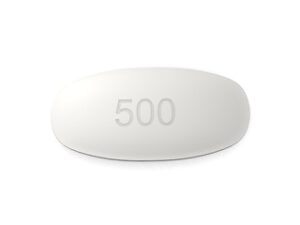

Panadol (Paracetamol) – Pain Relief & Fever Reduction (UK)
Panadol contains paracetamol (also known as acetaminophen). It is a widely used medicine in the UK for the relief of pain and the reduction of fever. This patient-friendly guide explains how Panadol works, how to take it safely, what to expect, and when to seek further help.
Always read the patient information leaflet (PIL) supplied with your product and follow the dosing instructions on the pack or from a healthcare professional.
Basic product information
- Active ingredient: Paracetamol (acetaminophen)
- Brand: Panadol
- Common uses: Headache, aches and pains, sore throat pain, period pain, toothache (temporary relief), fever
- Typical forms (may vary by product): Tablets, caplets, soluble tablets, effervescent formulations, and other age-specific strengths (e.g., paediatric formulations)
- Legal classification (UK): Generally an over-the-counter medicine for self-care when used as directed
How Panadol works (mechanism of action)
Paracetamol helps to reduce pain and lower fever. It works mainly in the brain and spinal cord by:
- Reducing the body’s pain signals (analgesic effect)
- Lowering fever by affecting temperature regulation in the brain (antipyretic effect)
- Inhibiting certain pathways involved in the perception of pain and fever
Paracetamol is not an anti-inflammatory medicine in the way ibuprofen is. That means it may be less suitable when inflammation is a key driver of symptoms (for example, some cases of swollen, inflamed joints), although it still provides effective pain relief for many everyday conditions.
Pharmacokinetics (how your body handles paracetamol)
After taking Panadol, paracetamol is absorbed mainly through the gastrointestinal tract. Key points include:
- Onset of action: Many people begin to feel relief within about 30–60 minutes, though this may vary by individual and formulation.
- Peak levels: Paracetamol blood levels generally peak within 1–2 hours after a dose.
- Metabolism: The liver breaks down paracetamol into metabolites.
- Excretion: Most metabolites are removed from the body via the kidneys.
Important: Paracetamol is processed by the liver. Taking too much, or combining it with other products containing paracetamol, increases the risk of serious liver injury.
Typical use in the UK (indications)
Panadol/paracetamol is used for:
- Headache
- Teeth and dental pain (temporary relief)
- Backache and general aches and pains
- Muscle aches
- Period pain
- Sore throat pain and cold symptoms (as directed)
- Fever and chills
- Pain associated with minor injuries
It can be part of self-care for mild to moderate pain and fever. If symptoms are severe, persist, or worsen, it’s important to seek medical advice.
When to take Panadol (timing and expectations)
Timing depends on your symptoms and the exact product you’re using. In general:
- For pain: Take when pain begins or as advised on the pack.
- For fever: Take when you feel unwell due to fever, or if advised by your pharmacist/leaflet.
- Spacing doses: Doses are usually spaced so that the time between doses is adequate (commonly at least 4 hours for many adult products, but always follow your specific pack instructions).
- Don’t exceed the maximum daily amount: This is the most important safety rule.
Practical expectation: If you don’t notice improvement after a reasonable period (for example, after a dose has had time to work), or if your symptoms don’t improve within a few days, check that you’ve taken the correct dose and consider alternative causes (or seek advice).
Food interactions
Paracetamol can generally be taken with or without food. Food may slightly affect how quickly it starts to work, but it does not usually reduce the overall effectiveness.
- If you feel nauseated, taking it with food may help with comfort.
- If you need faster relief, some people prefer to take it without a heavy meal; however, individual responses vary.
Alcohol interactions and medicine interactions
Alcohol
Using paracetamol with alcohol requires caution:
- Heavy or regular alcohol consumption increases the risk of liver damage.
- Even with occasional drinking, you should avoid exceeding recommended doses.
- If you have liver disease or are taking medicines that affect the liver, ask a pharmacist for advice before using paracetamol.
Safety note: Do not use more than the recommended amount. If you’re unsure how alcohol may affect you personally, seek advice.
Other medicines that interact
The biggest practical interaction risk is unintentional double-dosing—because many cold and flu remedies also contain paracetamol.
Before taking Panadol, check the labels of any other products you’re using. Common categories that may include paracetamol:
- Cold and flu combination products
- “Pain and fever” products
- Some cough/cold syrups and powders
Other medicine-related considerations (always refer to your medicine leaflet or pharmacist advice):
- Medicines that affect the liver (or that may increase liver stress)
- Some anti-epileptic medicines (e.g., certain drugs that can change how paracetamol is processed)
- Warfarin and other anticoagulants: occasional doses usually may be acceptable, but prolonged regular use of paracetamol may affect clotting in some people. If you take anticoagulants, it’s best to speak to a pharmacist/clinician about safe dosing and monitoring.
Dosing – Adults, and children (UK-friendly guidance)
Always use the dose stated on your specific Panadol product pack. Different formulations (soluble, effervescent, tablets, and paediatric products) may have different strengths.
Adults and children aged 16 years and over
- Typical dose: 500 mg to 1000 mg per dose (depending on the product and your symptoms).
- Minimum time between doses: commonly at least 4 hours.
- Maximum daily dose: generally up to 4000 mg (4 g) in 24 hours for adults, unless your pack/doctor states otherwise.
Do not exceed the maximum daily dose, including from any combination cold/flu medicines.
Children
Dosing for children should be based on age and weight and must match the child-specific paracetamol product being used.
- Use a paediatric formulation designed for children.
- Do not use adult tablets/sustained-release products unless the product specifically instructs it for a child’s age.
- If you’re unsure, check the pack dosing chart or ask a pharmacist.
Always keep medicines out of sight and reach of children.
If you miss a dose
- Take it when needed, but do not take a double dose.
- Leave enough time between doses in line with the pack instructions.
Overdose: what to do
If you (or someone else) takes too much paracetamol, seek urgent medical help immediately, even if you feel well. Paracetamol overdose can cause delayed, serious liver damage.
Safety profile – who should be cautious
Panadol/paracetamol is generally well tolerated when used as directed. However, certain situations increase risk.
Do not take Panadol (or seek advice first) if:
- You have severe liver impairment or active liver disease (unless advised by a healthcare professional)
- You have previously had a serious reaction to paracetamol or any ingredients in the product
- You are already taking another product containing paracetamol
Use extra caution if you:
- Drink alcohol regularly or heavily
- Are underweight, malnourished, or have dehydration risk
- Take medicines that may affect the liver or blood clotting
- Are pregnant or breastfeeding (paracetamol is commonly used, but it’s best to use the lowest effective dose for the shortest possible time and follow pack guidance)
Possible side effects
Most people experience no problems when taking paracetamol as recommended. Potential side effects can include:
- Skin reactions (rash or allergy symptoms)
- Nausea or mild stomach discomfort
- In rare cases, serious allergic reactions
Stop and seek medical help urgently if you develop signs of allergy such as swelling of the face/lips, difficulty breathing, or widespread rash.
Practical use tips for best results
- Choose the correct formulation: Tablet, soluble, effervescent, and paediatric products can differ in strength and instructions.
- Check labels carefully: Many cold/flu and “multi-symptom” products include paracetamol—avoid double dosing.
- Use the lowest effective dose: This can help reduce risk, especially if you need treatment over multiple days.
- Stay within the time limits: Keep adequate intervals between doses.
- Hydrate: Flu-like illness and fever can increase fluid needs.
- Pair with non-medicine measures: Rest, warm fluids, and appropriate clothing/blankets may help with discomfort and fever.
Alternative options (depending on your symptoms)
If paracetamol doesn’t provide enough relief, or if your symptoms suggest inflammation, other over-the-counter options may be appropriate.
Ibuprofen (an anti-inflammatory option)
- Helpful for pain with inflammation (e.g., some joint or muscle pain)
- May be unsuitable for some people (e.g., certain stomach ulcers, kidney issues, or certain medical conditions)
Aspirin (for some pain/fever scenarios)
- Can reduce pain and fever
- Not suitable for children (and may be unsuitable for other groups depending on medical history)
Non-medicine measures
- Cold packs for sore areas, heat for muscle stiffness
- Gargles, throat lozenges for sore throat discomfort
- Rest and gentle movement for back and muscle aches
If you’re unsure which option fits your situation, consult a pharmacist.
Market and legal context in the UK
Panadol (paracetamol) is widely available across the UK. It is commonly supplied through:
- Pharmacies and supermarkets (depending on product type and classification)
- Online pharmacy services with compliant supply chains and appropriate patient information
In the UK, medicines are regulated by the Medicines and Healthcare products Regulatory Agency (MHRA). Products must meet quality, safety, and labelling standards, including clear dosing instructions and warnings about overdose and combining products.
Recent guidance and awareness: Ongoing public health messaging has emphasised safe use—particularly the risk of accidental overdose from multiple paracetamol-containing products, and the need for timely help after overdose.
Delivery and availability (UK online pharmacy)
Panadol/paracetamol is typically available as an over-the-counter item, meaning it is often supplied quickly for home delivery where permitted. Delivery options may include:
- Standard delivery (typically a few working days, depending on location)
- Express or next-day delivery for eligible postcodes (subject to availability)
- Tracking and safe delivery practices (where offered)
Availability may vary depending on the specific formulation and pack size (for example, different strengths and paediatric products). If a product is out of stock, some online pharmacies may provide alternatives such as other paracetamol brands or equivalent strengths—always confirm the dose and formulation before switching.
FAQ – Panadol (paracetamol)
1) Can I take Panadol with food?
Yes. Panadol can usually be taken with or without food. Food may affect how quickly it starts working, but it generally won’t affect overall effectiveness.
2) How long does Panadol take to work?
Many people notice relief within 30–60 minutes. Peak effect is often within 1–2 hours. If symptoms persist, check you’ve used the correct dose and allow appropriate time.
3) Can I take Panadol more than once in a day?
Yes, if you follow the intervals and the maximum daily dose shown on your pack. Do not exceed the stated limit.
4) What if I’m taking a cold/flu medicine too?
Many cold and flu products contain paracetamol. To avoid overdose, check the active ingredients on the label of every product you take. If it contains paracetamol, you may need to adjust how you use Panadol.
5) Is Panadol safe to take with alcohol?
Occasional alcohol may be compatible with standard doses for some people, but caution is advised. Avoid exceeding recommended doses, and be extra careful if you drink heavily or regularly. If you have liver problems, ask a pharmacist for personalised advice.
6) Can I take Panadol if I’m pregnant or breastfeeding?
Paracetamol is commonly used during pregnancy and breastfeeding when taken correctly. Use the lowest effective dose for the shortest possible time and follow the pack instructions. If you have questions, speak to a pharmacist.
7) Can children take Panadol?
Yes, but dosing must be appropriate for the child’s age and weight, and you should use a paediatric paracetamol product with correct strength. Never guess dosing—use the pack instructions or ask a pharmacist.
8) What should I do if I accidentally take too much?
Seek urgent medical advice immediately, even if you feel well. Paracetamol overdose can cause delayed liver damage. In the UK, you can contact NHS services for urgent guidance.
9) What’s the difference between paracetamol and ibuprofen?
Paracetamol helps with pain and fever but is not a strong anti-inflammatory. Ibuprofen helps with pain and inflammation, which can be useful for swelling-related conditions. Suitability depends on your medical history and other medicines.
10) Are there any signs of a serious reaction?
Seek medical help urgently for signs of allergy (such as facial swelling, breathing difficulty, or widespread rash). Also seek help after overdose or if you develop persistent symptoms.
Summary
Panadol (paracetamol) is an effective and widely used medicine for pain relief and fever reduction in the UK. When taken correctly—following the pack dose, leaving adequate time between doses, and avoiding other products that contain paracetamol—it is generally safe for many people. If you have liver concerns, drink heavily, or need to take medicines alongside Panadol, consider speaking to a pharmacist for tailored advice.